That little orange engine icon on your dashboard just lit up. Your heart skips a beat. But you press the gas, and... nothing feels wrong. The car accelerates normally, idles smoothly, sounds the same as always. So what gives? Is it a glitch? Can you just drive it until it goes away? I've been a mechanic for over a decade, and I can tell you this is one of the most common and confusing situations for drivers. The short answer is: Your car is trying to tell you something is off, even if you can't feel it yet. Ignoring it is the worst thing you can do. Let's break down exactly why it's on, what you should do next, and what it might cost you if you wait.
What’s Inside This Guide?
- What Does the Check Engine Light Actually Mean?
- 5 Common Reasons Your Check Engine Light Is On (Even When the Car Seems Fine)
- Is It Safe to Drive With the Check Engine Light On?
- How to Diagnose the Problem Yourself (The First Step)
- What Will It Cost to Fix? A Realistic Price Breakdown
- The Biggest Mistake People Make (And How to Avoid It)
- Your Check Engine Light Questions, Answered
What Does the Check Engine Light Actually Mean?
Think of the check engine light, or Malfunction Indicator Lamp (MIL), as your car's early warning system. It's not directly tied to mechanical parts like your brakes or steering. Instead, it monitors the engine's emissions and performance systems—a network of sensors and computers designed to keep the engine running cleanly and efficiently. The light turns on when the car's computer (the Engine Control Unit or ECU) detects a signal from a sensor that's outside its normal range.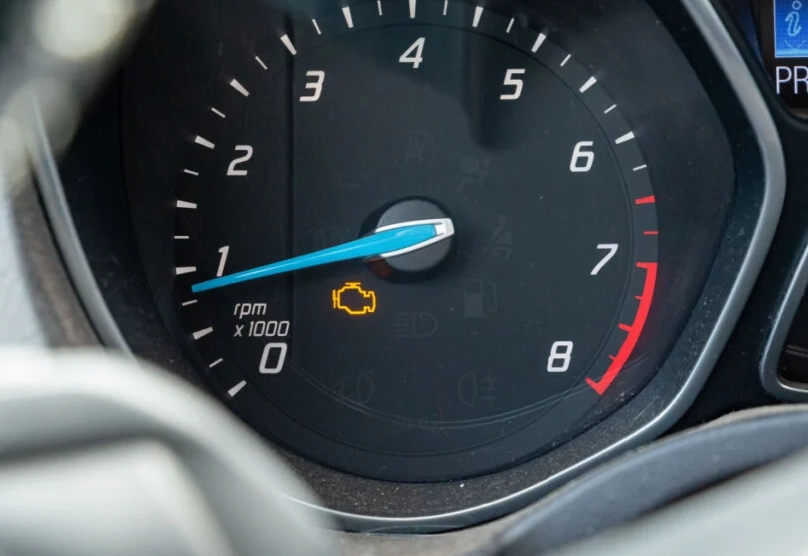
Here's the key nuance most blogs miss: The ECU is incredibly sensitive. It can spot a tiny drop in fuel efficiency or a minuscule increase in emissions long before that problem causes a drivability issue you'd notice. So, "car runs fine" really means "the problem hasn't degraded enough to affect power or idle yet." It's running fine for now.
5 Common Reasons Your Check Engine Light Is On (Even When the Car Seems Fine)
Based on pulling thousands of diagnostic codes, these are the top culprits when the car seems to drive normally. I've ranked them roughly from most to least common.
1. A Loose or Faulty Gas Cap
This is the classic. It sounds trivial, but your fuel system needs to be sealed. A loose, cracked, or worn-out gas cap allows fuel vapors to escape, which the EVAP (Evaporative Emission Control) system detects. The car will run perfectly, but you're polluting more and wasting fuel through evaporation. Always twist the cap until it clicks three times. If the light came on right after a fill-up, this is suspect #1.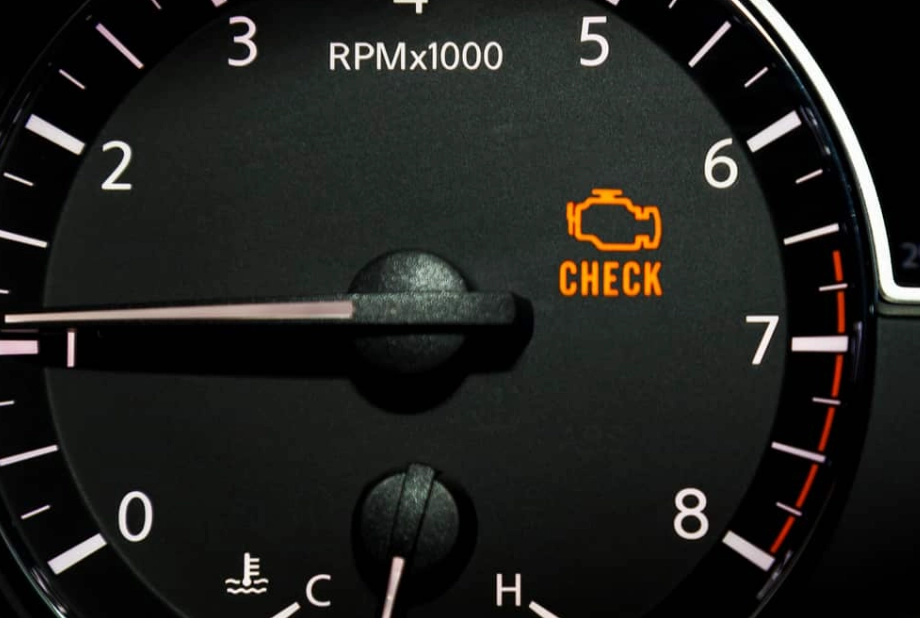
2. A Failing Oxygen (O2) Sensor
Your car has at least two of these. They measure how much oxygen is in the exhaust to help the ECU balance the air-fuel mixture. A slow, aging O2 sensor sends lazy data. The ECU compensates, but fuel economy slowly drops—maybe from 30 MPG to 28 MPG. You might not feel a difference driving around town, but you're paying for it at the pump. According to the U.S. Environmental Protection Agency (EPA), a faulty O2 sensor can reduce fuel efficiency by up to 40%.
3. Early Catalytic Converter Inefficiency
This is where ignoring the light gets expensive. The catalytic converter turns harmful exhaust gases into less harmful ones. When it starts to clog or lose efficiency, downstream sensors pick it up. Initially, performance is unaffected. But left alone, it will eventually lead to a loss of power, overheating, and a repair bill often over $1,000. The check engine light is giving you a chance to fix the root cause (often a bad O2 sensor or misfire) before it kills the converter.
4. Worn Spark Plugs or Ignition Coils
A mild, intermittent misfire might not be noticeable, especially in a modern V6 or V8 engine. You might feel a very slight shudder at a specific RPM or load that you write off as "the road." The ECU, however, sees the tiny hiccup in crankshaft rotation and lights the lamp. Ignoring this accelerates damage to the converter and can lead to a rougher running engine over time.
5. Mass Airflow (MAF) or Manifold Absolute Pressure (MAP) Sensor Issues
These sensors tell the ECU how much air is entering the engine. When they get dirty or start to fail, their readings drift. The ECU adjusts, but often not optimally. The result? Slightly sluggish throttle response or minor hesitation you attribute to "the car getting old." Again, fuel economy takes a silent hit.
| Problem | Typical Symptom (You Might Not Notice) | Potential Consequence of Ignoring | Approx. Repair Cost Range |
|---|---|---|---|
| Loose Gas Cap | None, maybe faint fuel smell | Reduced fuel economy, increased emissions | $0 - $25 |
| Failing O2 Sensor | Gradual loss of 1-3 MPG | Poor fuel economy, can damage catalytic converter | $200 - $400 |
| Early Cat. Converter Issue | None initially | Complete failure, loss of power, very high repair cost | $300 - $2,500+ |
| Weak Spark Plug/Coil | Subtle hesitation under load | Worsening misfire, damaged catalytic converter | $150 - $600 |
| Dirty MAF Sensor | Slight throttle lag | Poor performance and fuel economy | $50 - $300 |
Is It Safe to Drive With the Check Engine Light On?
With a steady light and no noticeable change in how the car drives, it's generally safe for a short drive to your home, an auto parts store for a scan, or a repair shop. Don't embark on a road trip. Think of it as a "get this checked soon" warning.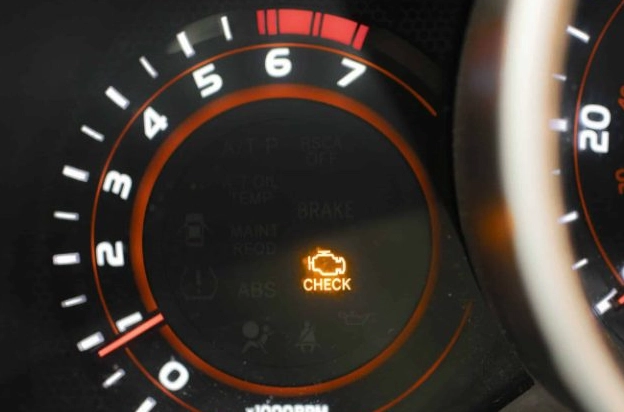
How to Diagnose the Problem Yourself (The First Step)
You don't need to be a mechanic to get the first clue. You need the diagnostic trouble code (DTC).
Get the Code Read: Go to any major auto parts store (like AutoZone, O'Reilly, or Advance Auto Parts). In most regions, they will read the codes for you for free. This is your best first move. They'll give you a printout or tell you a code like "P0420" or "P0301."
Consider Buying a Scanner: For the cost of one diagnostic fee at a shop ($80-$150), you can buy a basic Bluetooth OBD2 scanner on Amazon. Plug it into the port under your dashboard (usually near the driver's knees), pair it with a free app on your phone, and you can read codes anytime. It's empowering and saves money long-term.
The code is just a starting point. It tells you which circuit or system is reporting a problem (e.g., "Catalyst System Efficiency Below Threshold - Bank 1"). It doesn't automatically mean that specific part is bad. A P0420 (catalytic converter code) is often caused by a failing upstream O2 sensor. This is where the expertise of a good mechanic comes in—interpreting the code data, not just swapping the part it mentions.
What Will It Cost to Fix? A Realistic Price Breakdown
Let's get real about money. Prices vary wildly by car make, model, and labor rates in your area. Here’s a realistic ballpark for common fixes related to a steady check engine light, assuming a mainstream sedan (like a Honda Civic or Toyota Camry).
- Gas Cap: $15 - $30. The cheapest fix.
- Oxygen Sensor: Part: $60 - $200. Labor: 0.5 - 1.5 hours ($50 - $150). Total: $200 - $400. Replacing a sensor before it fails completely can save you thousands.
- Spark Plugs & Ignition Coils: A full set of plugs: $40 - $150. One coil: $50 - $150. Labor: 1-2 hours. Total for a tune-up: $200 - $600.
- Catalytic Converter: This is the big one. Parts alone can range from $300 (aftermarket) to over $2,000 (OEM for some vehicles). Labor is intensive. Total: $1,000 - $3,500+. This is the cost of ignoring earlier warnings.
Pro tip: Always ask for the old parts when the repair is done. A reputable shop will show you what was wrong with them.
The Biggest Mistake People Make (And How to Avoid It)
The #1 mistake I see? People get the free code read, then go home, disconnect the battery to clear the light, and think the problem is solved. The light goes off! Great!
But it always comes back. Why? Because you haven't fixed anything. You've just erased the symptom. The ECU continues its self-checks, and within a few drive cycles (sometimes 50-100 miles), it will detect the same fault and illuminate the light again. Worse, clearing the codes also resets the ECU's "readiness monitors," which can cause your car to fail an emissions inspection even if the light is off.
The right approach: Use the code as a guide. Fix the underlying issue. Then, and only then, clear the code (or let the mechanic clear it after the repair) to verify the fix holds.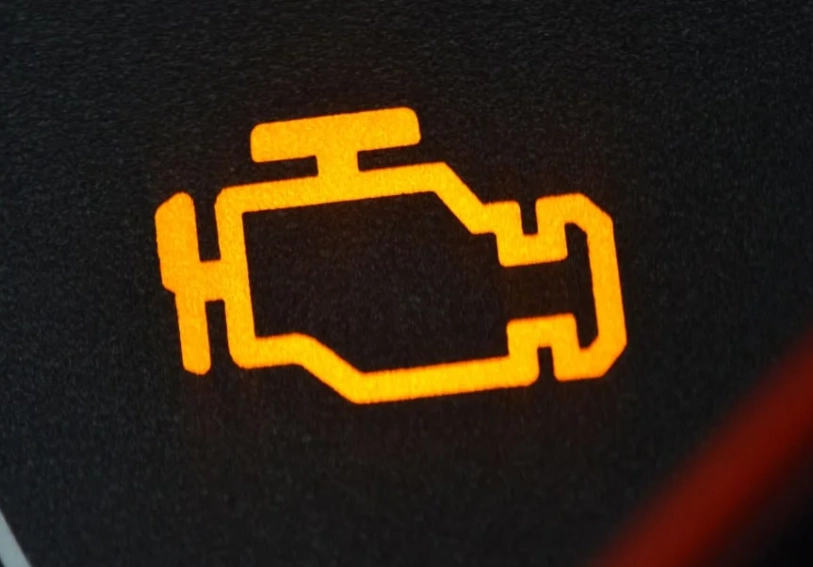
Your Check Engine Light Questions, Answered
There's no universal mileage. It depends entirely on the underlying fault. For a loose gas cap? Indefinitely, but you're wasting money. For a minor vacuum leak? Maybe months. For a misfire that's not yet noticeable? You could be baking your catalytic converter with every mile. The only safe answer is: get the code read as soon as reasonably possible to understand the risk level. Driving 50 miles to a shop is low risk. Driving 5,000 miles on a road trip is a gamble with very high potential stakes.
In most U.S. states that have emissions testing, a lit check engine light is an automatic failure, regardless of the actual tailpipe emissions. The light itself indicates the emissions control system is not functioning as designed. Don't wait until the week before your inspection sticker expires to address it.
Absolutely. I've seen it many times. Water can get into electrical connectors, especially around spark plug wells or sensor harnesses, causing a temporary short or erratic signal. The light may come on, then go off after everything dries out a day or two later. If it comes on during or right after a storm, it's worth getting scanned, but the code history might show an "intermittent" fault. Still, persistent moisture can lead to corrosion and a permanent failure.
It means the initial diagnosis or repair was incomplete or incorrect. A common example: a code for a random misfire (P0300) is cleared after changing spark plugs, but the real culprit was a failing ignition coil that only acts up when hot. The problem wasn't the plugs; it was the coil. The light came back when the coil heated up and failed again. This is why a good mechanic doesn't just swap the part the code suggests; they perform live data analysis to confirm the fault.
For a generic "system too lean" or "evap" code, it's unlikely to help and is a waste of $15. For a specific code related to a clogged fuel injector or carbon buildup (more common on direct-injection engines), a quality cleaner might help over several tanks of gas, but it's a long shot for an active fault that's already triggered the light. It's better used as preventative maintenance, not a cure. Don't throw parts or potions at the car without a diagnosis first.