That clunk, whine, or refusal to shift gears sends a chill down any driver's spine. The immediate thought isn't just "my car is broken"—it's "how much is this going to cost me?" And the biggest, most stressful question that follows is almost always: is it cheaper to repair or replace a transmission?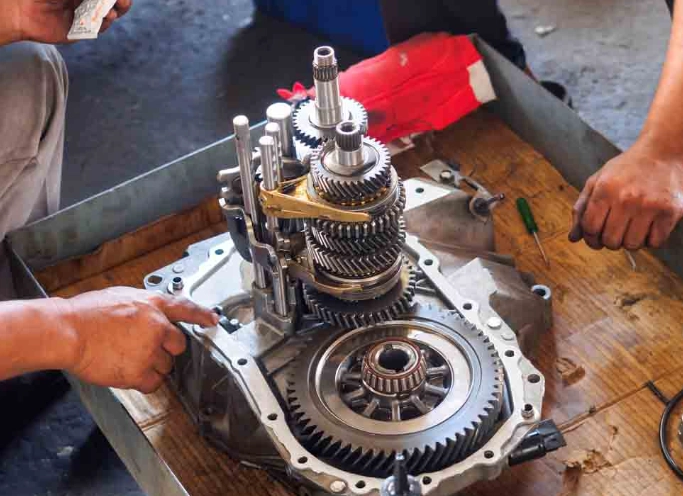
Let's cut through the anxiety and the shop quotes. The short, honest answer is: it depends entirely on your specific situation. A minor solenoid repair might run you $500, while a full replacement can soar past $6,000. The "cheaper" option isn't a universal truth; it's a calculation based on your car's age, its market value, the exact nature of the failure, and the quality of parts used.
I've spent over a decade in and around auto shops, and I've seen too many owners make the expensive choice because they focused on the wrong variable. This guide will give you the framework to make the right call.
What You'll Learn in This Guide
The Real Cost Breakdown: Repair vs. Replace
First, let's define our terms, because shops use them loosely and it costs you money.
- Repair/Fix: Addressing a specific, limited component. Think replacing a leaky seal, a faulty speed sensor, or a worn-out solenoid pack. The transmission is not fully disassembled.
- Rebuild/Overhaul: The transmission is completely removed, disassembled, cleaned, and inspected. All worn clutches, seals, gaskets, and bands are replaced. Damaged hard parts (gears, drums, valves) are replaced. This is labor-intensive.
- Replace/Swap: Removing the old unit and installing a different one. This could be a new unit (very expensive), a remanufactured unit (professionally rebuilt to like-new specs, often with a warranty), or a used unit (pulled from a junkyard car).
| Service Type | Typical Cost Range (Parts & Labor) | Best For... | Biggest Risk |
|---|---|---|---|
| Minor Repair | $300 - $1,500 | Isolated electronic or external mechanical failures. | Misdiagnosis. Fixing one thing while another is about to fail. |
| Major Repair / Partial Rebuild | $1,500 - $3,500 | Specific internal damage (e.g., one burned clutch pack, a broken planetary gear). | Cost can creep into full rebuild territory if more damage is found. |
| Complete Rebuild | $2,800 - $5,500+ | Transmissions with widespread wear, multiple failures, or high mileage. | Quality of workmanship. A cheap rebuild uses cheap parts and fails quickly. |
| Remanufactured Unit Swap | $3,500 - $7,200+ | Severe damage (e.g., shattered gears), or when a warranty is paramount. | Installation errors, or compatibility issues with your car's computer. |
| Used (Junkyard) Unit Swap | $1,800 - $3,500 | Older cars with low value, where a gamble is financially acceptable. | The used unit's unknown history and remaining lifespan. |
See the overlap? A high-end rebuild can cost more than a low-end remanufactured unit swap. That's why the price tag alone doesn't tell you what's cheaper in the long run.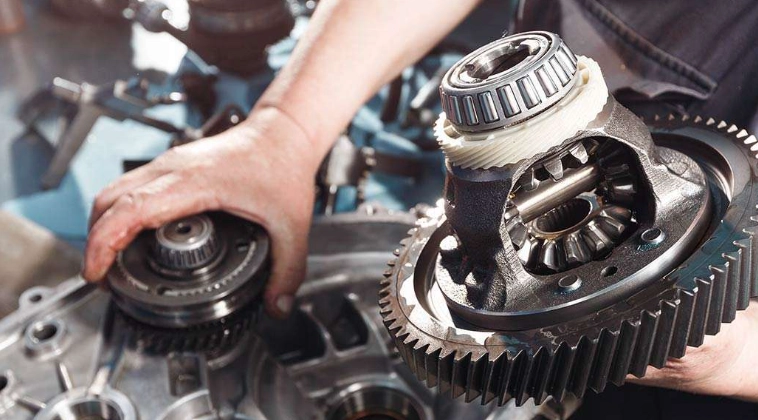
A non-consensus point most blogs miss: The labor cost to remove and reinstall a transmission is often 40-50% of the total job, whether you're fixing a small leak or doing a full rebuild. This is why, if the transmission is already out for a "simple" repair, a good mechanic might suggest a more thorough inspection or proactive rebuild. Paying that labor twice in a year is a financial disaster.
The 4 Key Factors That Decide Your Cheapest Path
Forget the generic advice. Plug your details into this framework.
1. Your Car's Current Market Value vs. Repair Cost
This is the classic rule of thumb, and it exists for a reason. If the repair estimate approaches or exceeds your car's fair market value (check sites like Kelley Blue Book or Edmunds for a private-party value in "fair" condition), replacement becomes hard to justify.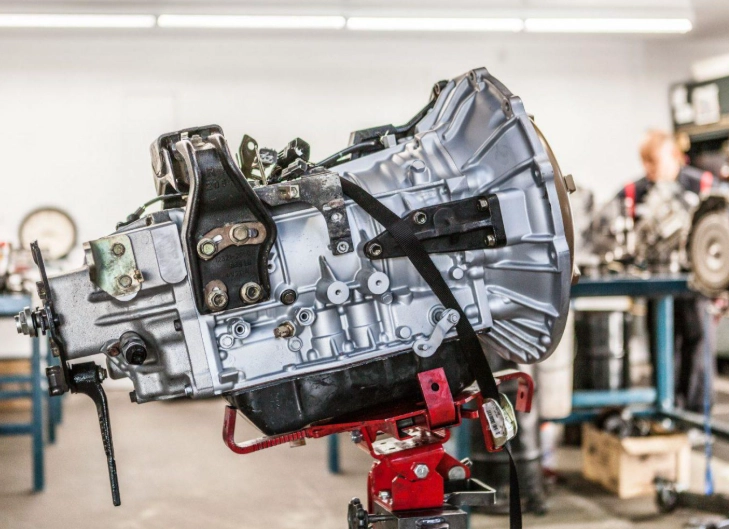
But here's the trap: A 10-year-old Honda Civic with 150,000 miles might only be worth $4,500. A $4,000 transmission rebuild seems silly. However, if that Civic is paid off, reliable, and you know its history, spending $4,000 to get another 3-5 years of service can be cheaper than a new car payment. Compare the repair cost to the cost of your next-best alternative, not just the car's resale value.
2. The Exact Nature of the Problem
Diagnosis is everything. A transmission that slips only in 3rd gear points to a specific clutch pack. A car that won't move at all could be a simple pump or a catastrophic failure. A reputable specialist will do a road test and often a pressure test before giving you a real estimate.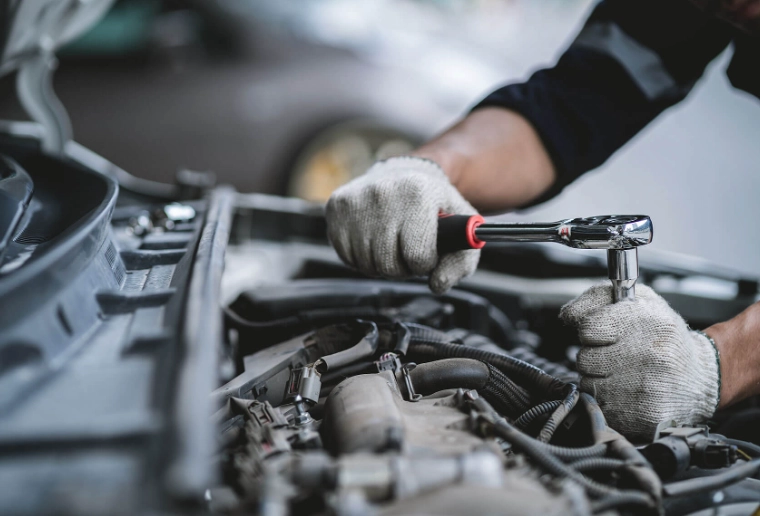
Insist on a detailed explanation. "You need a new transmission" is not a diagnosis. Ask: "What component specifically failed? Can it be replaced individually? What's the likelihood other parts are damaged?"
3. The Type of Transmission
Complex modern transmissions (like 8-, 9-, or 10-speed automatics, CVTs, or dual-clutch units) are often more expensive to rebuild due to specialization and proprietary tools. For these, a certified remanufactured unit from a company like Jasper or AAMCO might offer better reliability and warranty coverage than a local rebuild, making it the "cheaper" option over 5 years.
4. Warranty and Long-Term Reliability
The cheapest fix today is the one that doesn't break again tomorrow. Always compare warranties.
- A minor repair might come with a 90-day/3,000-mile warranty.
- A quality rebuild should have at least a 12-month/12,000-mile warranty.
- A professional remanufactured unit often has a nationwide 3-year/36,000-mile warranty.
A pricier option with a strong warranty can be the more economical choice by preventing a second, out-of-pocket failure.
What Exactly Is a Transmission Rebuild?
Since "rebuild" is the murky middle ground, let's demystify it. A proper rebuild isn't just throwing in a new clutch kit. It should include:
- Complete disassembly and ultrasonic cleaning of all parts.
- Replacement of all soft parts: clutches, seals, gaskets, O-rings, bushings.
- Inspection and measurement of all hard parts (gears, shafts, drums, valve bodies) against factory specifications.
- Replacement or re-machining of any out-of-spec hard parts.
- An updated or rebuilt torque converter (a critical, often-skipped step in cheap rebuilds).
A "cheap" rebuild might only replace the obviously burned parts, leaving worn seals and a glazed valve body that will cause a failure in 15,000 miles. That's not cheaper.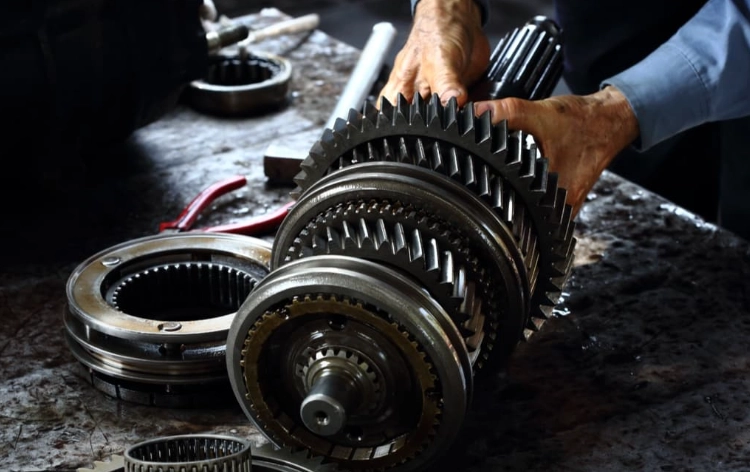
Common Problems & Their Likely Solutions (and Costs)
Let's get specific. Imagine your car has these symptoms:
Scenario: Delayed or harsh shifting, check engine light with transmission codes.
This is often an electronic issue—a failed solenoid, speed sensor, or wiring harness. A skilled tech can sometimes replace these without removing the transmission. Likely Path: Repair. Cost Scope: $400 - $1,200.
Scenario: Transmission fluid leaking heavily from the front or center.
Could be a front pump seal, pan gasket, or cooler line. If caught early, it's a seal/gasket replacement. If ignored and the transmission ran low on fluid, it may have caused internal damage from overheating. Likely Path: Simple leak = Repair. If damage occurred, escalate to Rebuild. Cost Scope: $300 - $3,000+.
Scenario: Transmission slips, shudders, or won't engage a specific gear.
This points to internal wear—burned clutch plates, worn bands. The unit needs to come out. Likely Path: Rebuild. Cost Scope: $2,500 - $4,500.
Scenario: Loud grinding or banging noise, metal in the fluid, no movement.
This is catastrophic mechanical failure. Gears or bearings have shattered. Likely Path: Replacement with a remanufactured or used unit. A rebuild is possible but may approach replacement cost. Cost Scope: $3,500+.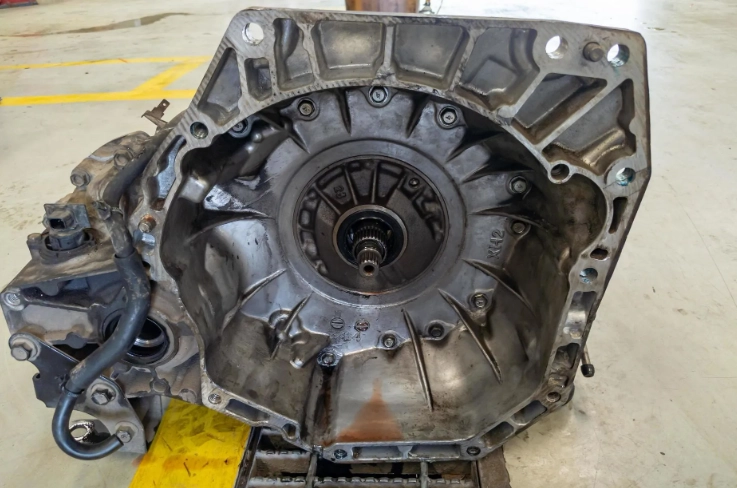
How to Find a Trustworthy Transmission Specialist
Your decision is only as good as the mechanic's diagnosis. Avoid the chain shop that gives a quote over the phone without seeing the car.
- Look for specialization: Seek shops that advertise as "transmission" specialists, not general repair.
- Ask about warranties in detail: What's covered? Labor and parts? Is it in-house or nationwide? What voids it?
- Get a written, detailed estimate: It should break down parts, labor, and warranty. Beware of "ballpark" figures.
- Check reviews, but read between the lines: Look for patterns. Do reviews mention clear communication, honoring warranties, thorough diagnosis?
- Consider a second opinion for major work: If the first quote is for a full replacement, take the car (or the diagnosis) to another specialist.
A good resource for understanding industry standards is the Automatic Transmission Rebuilders Association (ATRA), though membership isn't a guarantee of quality.