Quick Navigation: What's Inside
You're on the highway, cruising at 65 mph, and suddenly the steering wheel starts to shimmy. It feels like your car is trying to communicate in Morse code. I've been there—with my first car, a beat-up Toyota Camry, that vibration was my introduction to tire balancing. It's not just a minor annoyance; it's a red flag waving at your safety and wallet.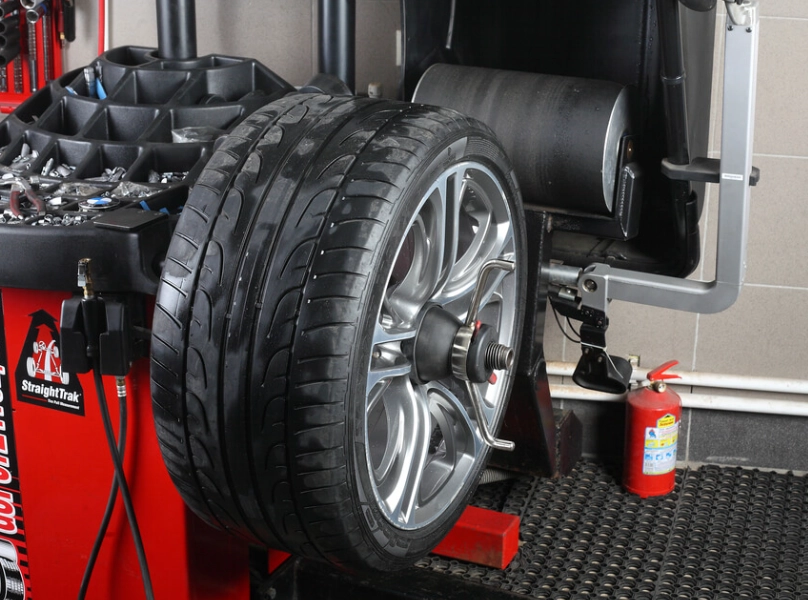
What Is Tire Balancing Really?
Tire balancing, or wheel balancing, is the process of making sure the weight of your tire and wheel assembly is evenly distributed. Imagine spinning a top—if it's lopsided, it wobbles and falls over. Your car's wheels are no different. Even tiny weight differences, as small as a few grams, can cause vibrations at high speeds due to centrifugal force.
Here's the technical bit: When a tire is manufactured, it's not perfectly uniform. Small variations in rubber density, belt placement, or even the valve stem can create heavy or light spots. Balancing corrects this by attaching small lead or zinc weights to the wheel rim. There are two main types:
- Static Balancing: Addresses up-and-down wobbles. Think of it like balancing a seesaw—you add weight to the lighter side. This is older technology and often insufficient for modern cars.
- Dynamic Balancing: Handles side-to-side movements as well. It's more comprehensive, using machines that spin the tire to detect imbalances in two planes. This is what most shops use today.
I remember talking to a tire technician who said, "Static balancing is like putting a band-aid on a broken arm." For highway driving, dynamic balancing is non-negotiable.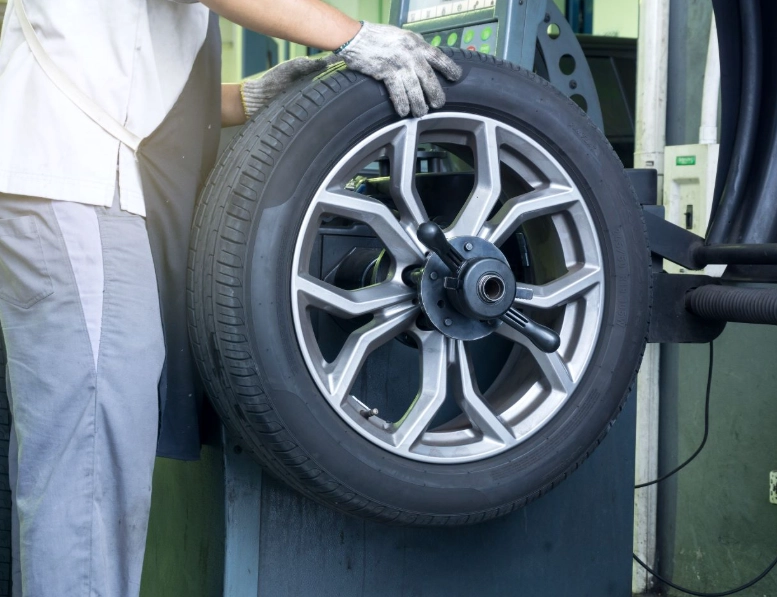
Why Tire Balancing Isn't Optional
Skip balancing, and you're inviting trouble. Unbalanced tires don't just vibrate—they wear out unevenly. According to data from the National Highway Traffic Safety Administration (NHTSA), improper tire maintenance contributes to thousands of accidents annually. Balancing plays a key role.
Key Impacts of Unbalanced Tires:
- Safety Risk: Vibrations reduce steering control, especially in emergencies or on wet roads.
- Tire Wear: Uneven wear can shorten tire life by 20% or more. You'll replace tires sooner, hitting your budget.
- Fuel Efficiency: Increased rolling resistance from vibrations can drop fuel economy by up to 5%.
- Component Stress: Constant shaking wears out suspension parts, wheel bearings, and even brake components.
A friend of mine ignored a slight shake in his SUV. Six months later, he needed new shocks and tires—a $800 repair that could've been avoided with a $60 balancing job.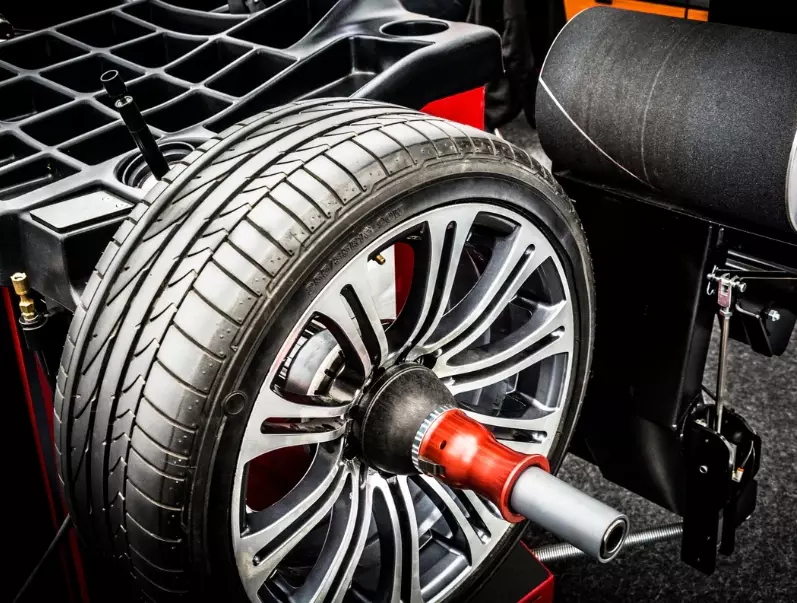
Signs Your Tires Are Out of Balance
Don't wait for a catastrophe. Watch for these symptoms:
- Vibrations: The most common sign. If the steering wheel shakes at 50-70 mph, it's likely front tires. Seat or floorboard vibrations point to rear tires.
- Uneven Tread Wear: Check for scalloped or cupped wear patterns on the tread. Run your hand over it—if it feels bumpy, balance might be off.
- Increased Noise: A humming or thumping sound that changes with speed.
- Recent Events: After hitting a pothole, curb, or getting a tire repair, imbalance is likely.
I once drove a rental car that vibrated so badly above 60 mph, I thought the engine was failing. Turns out, it just needed balancing. The rental agency had skipped it to save time.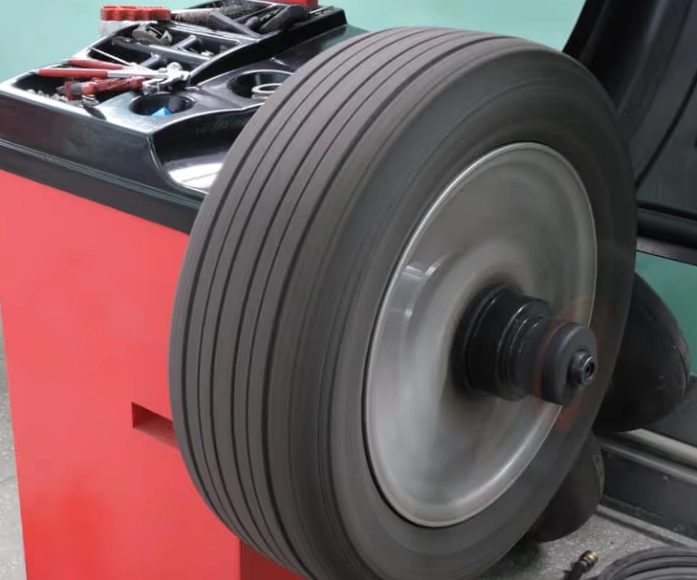
How Professionals Balance Tires: Behind the Scenes
Ever wondered what happens in the shop? Here's a step-by-step look:
- Mounting: The tire is removed from the car and placed on a balancing machine. Modern machines often include a "road force" test that simulates actual driving conditions.
- Spinning: The machine spins the tire at high speed, sensors detect heavy spots.
- Weight Placement: The technician attaches adhesive or clip-on weights to the rim's inner or outer edge, countering the imbalance.
- Verification: The tire is spun again to ensure balance is within tolerance (usually less than 0.25 ounces).
Some high-end shops use "match mounting," where the tire's heaviest spot is aligned with the wheel's lightest spot, minimizing weight needed. It's a detail-oriented process—I've seen rushed jobs where too many weights are slapped on, which can actually harm the wheel over time.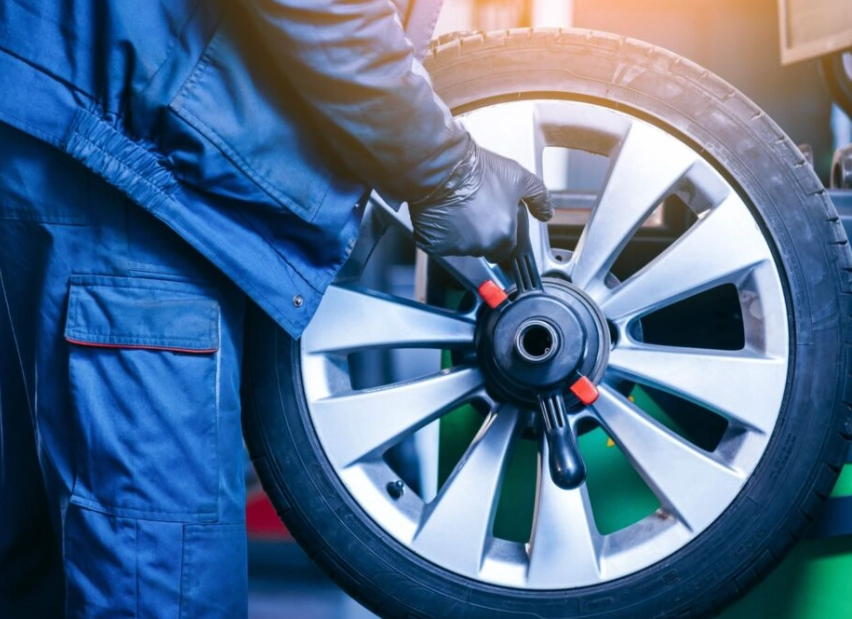
A Note on Road Force Balancing
This advanced method presses a roller against the tire while spinning, mimicking road contact. It's pricier but catches issues like tire stiffness variations that standard balancing misses. For luxury cars or performance vehicles, it's worth asking for.
Costs, Frequency, and DIY Risks
Let's talk numbers. Balancing isn't a bank-breaker, but costs vary.
| Service Type | Average Cost per Tire | Best For |
|---|---|---|
| Standard Dynamic Balancing | $15 - $25 | Most passenger cars, routine maintenance |
| Road Force Balancing | $30 - $50 | Luxury vehicles, performance cars, or persistent vibration issues |
| Package Deal (Balance + Rotation) | $40 - $80 for all four tires | Economical option, often offered during oil changes |
Frequency: General advice is every 5,000 to 6,000 miles, or with every tire rotation. Butbe flexible—if you drive on rough roads, tow frequently, or notice symptoms, do it sooner. I balance my tires every other oil change, roughly every 7,500 miles, because my commute includes a bumpy highway stretch.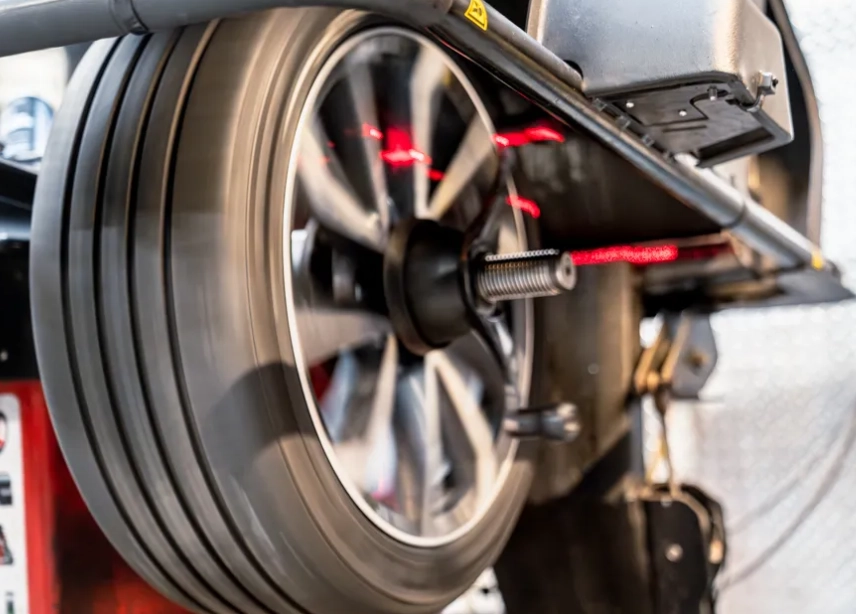
Expert Tips and Common Myths Debunked
After years in auto circles, I've heard it all. Let's clear up confusion:
- Myth: "Balancing is only for new tires." Truth: Tires can lose balance from wear, repairs, or impacts. I've rebalanced tires with 30,000 miles that were shaking badly.
- Myth: "If I rotate tires, I don't need balancing." Truth: Rotation evens wear, but each wheel position has unique balance needs. Do both.
- Expert Tip: Ask for a weight report. Good shops show you the before-and-after imbalance measurements. If they don't, be skeptical.
- Non-Consensus Insight: Many technicians over-balance by adding multiple weights. A skilled one minimizes weight usage—excess weights can corrode or fall off, causing rebalancing sooner.
Balancing vs. Alignment: Don't Mix Them Up
This trips up many drivers. Balancing fixes vibrations; alignment corrects steering pull and uneven tire wear from angles. They're complementary but distinct. A misaligned car might not vibrate, but it'll chew through tires. Do both regularly.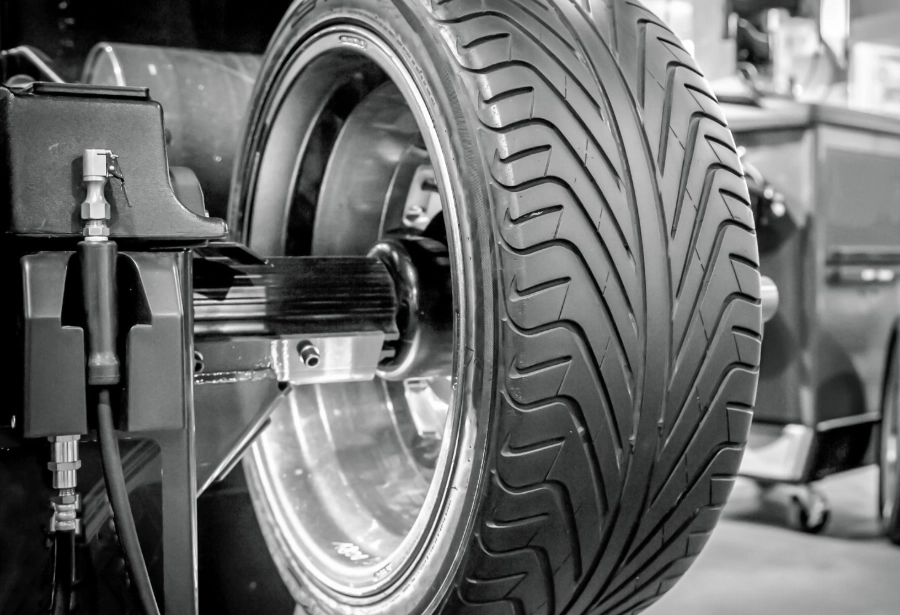
Your Tire Balancing Questions Answered
Wrapping up, tire balancing is one of those behind-the-scenes services that keeps your car safe, smooth, and efficient. It's not glamorous, but neither is a blown tire on the interstate. Next time you feel that shake, don't dismiss it—get it checked. Your car (and your wallet) will thank you.