Quick Guide
- What Kind of Headlight Bulb Does Your Toyota Corolla Actually Use?
- Halogen, LED, or HID? Picking the Right Technology for You
- The Step-by-Step: Changing Your Corolla's Headlight Bulb Yourself
- Why Do My New Headlights Look Weird or Not Work?
- Beyond the Bulb: When It's Not the Bulb's Fault
- Your Headlight Bulb Questions, Answered
Let's be honest. The moment you realize your Toyota Corolla's headlights have gotten dim, or worse, one has completely given up the ghost, is a special kind of annoying. You're suddenly driving with one eye squinting, hoping you don't miss a pothole or, heaven forbid, a deer. It's not just an inconvenience; it's a safety issue. And if you've ever stood in the auto parts store staring at a wall of bulbs, wondering which one is the right one for your Corolla, you know the feeling of pure confusion.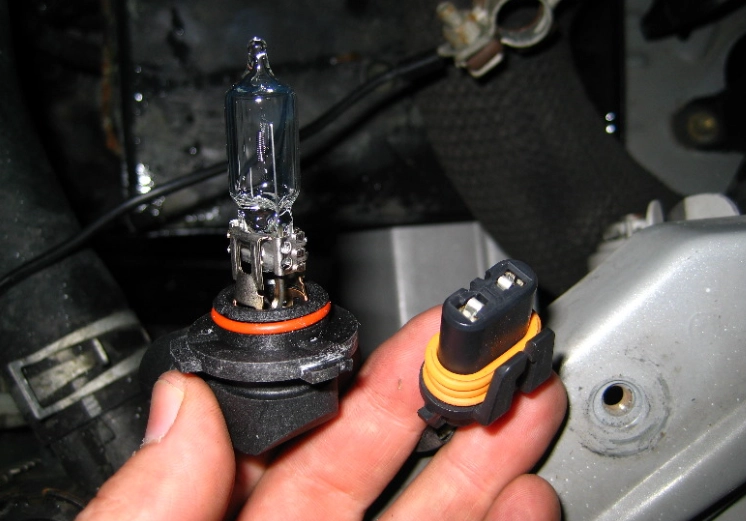
I've been there. With my own 2015 Corolla, I went through the whole cycle – the dimming, the burnout, the confusing replacement. I've tried cheap bulbs that lasted six months and "premium" ones that weren't worth the hype. This guide is everything I wish I'd known back then, boiled down into simple, actionable advice. We're going to cut through the marketing jargon and get straight to what matters for your car.
What Kind of Headlight Bulb Does Your Toyota Corolla Actually Use?
This is where everyone starts, and it's the most critical step. Get it wrong, and nothing else matters. The answer isn't just "a headlight bulb." It's a specific size and fitting. For most Toyota Corolla models from the last couple of decades, you're likely dealing with one of two common types for the low beam or high beam:
- H11 Bulb: This is the reigning champion for Toyota Corolla headlight bulb low beams on models from roughly 2009 onwards, especially through the 11th and 12th generations. My 2015 uses an H11. It's a single-filament bulb with a distinct notched base.
- 9005/HB3 or 9006/HB4 Bulbs: You'll often find these in older models (like the 9th and 10th gen Corollas) or sometimes for the high-beam socket in newer ones that use H11 for low beam. The 9005 is generally for high beams (brighter, shorter life), and the 9006 is for low beams.
But here's the kicker – you can't just guess.
The absolute, no-fail way to know? Check your owner's manual. It's in the glove box for a reason. If the manual is long gone (no judgment), look at the base of the bulb currently in your car. The alphanumeric code is almost always molded right into the plastic or metal base. You can also use the vehicle lookup tool on reputable sites like SYLVANIA Automotive – it's a manufacturer's site, so the data is solid.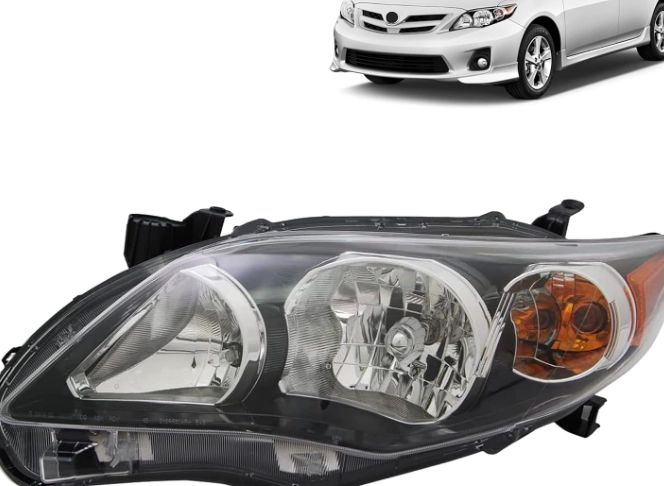
Halogen, LED, or HID? Picking the Right Technology for You
Okay, so you know you need an H11 bulb. Now you walk into the store (or browse online) and see three completely different technologies at wildly different price points. What gives? Let's break down the real-world pros and cons, not just the sales copy.
| Bulb Type | How It Works | The Good Stuff | The Not-So-Good Stuff | Best For... |
|---|---|---|---|---|
| Halogen | Good old-fashioned filament in halogen gas. The OEM standard. | Cheapest to buy. Plug-and-play. Perfect beam pattern from the start. | Least bright & whitest. Shortest lifespan (~300-500 hrs). Gets very hot. | Budget replacement, keeping things stock, simplicity. |
| LED (Light Emitting Diode) | Uses semiconductor diodes to produce light. The modern upgrade. | Much brighter, whiter light. Extremely long life (20,000+ hrs). Runs cool. Lower energy draw. | More expensive. Can have fan noise. Beam pattern is CRITICAL – must be designed for reflector housings. | Drivers wanting major visibility boost, modern look, long-term value. |
| HID/Xenon | Creates an arc of light in xenon gas. Requires a ballast. | Extremely bright, intense light output. Unique color spectrum. | Most expensive. Complex installation (ballast & wiring). Can glare badly if not in projectors. Slow warm-up time. | Enthusiasts with projector housings, willing to do complex installs. |
My personal take? For 90% of Corolla owners looking to upgrade from dim halogens, a high-quality LED bulb designed for reflector housings is the sweet spot. The difference in night driving is night and day (pun intended). But – and this is a huge but – you must buy LEDs that are explicitly engineered to mimic the filament position of a halogen bulb. If you don't, you'll scatter light everywhere, blinding oncoming traffic and actually seeing less of the road yourself. It's dangerous and illegal.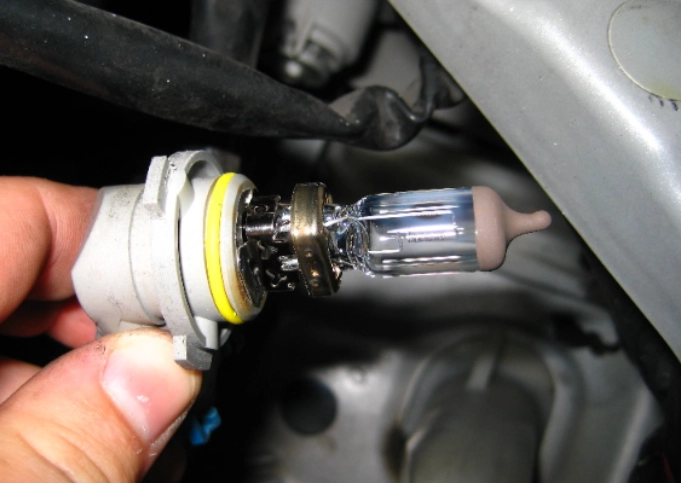
I made the mistake early on of buying a cheap, no-name LED pair from an online marketplace. The beam pattern was a disaster. It looked bright from the driver's seat, but it illuminated the trees and road signs more than the asphalt. I failed my state's safety inspection because of it. Lesson learned.
The Step-by-Step: Changing Your Corolla's Headlight Bulb Yourself
You can do this. Seriously. For most Toyota Corolla model years, it's a 15-30 minute job per side with basic tools. Paying a shop $50-$100 for this is, in my opinion, a waste of money unless you're truly uncomfortable. Here’s the real-world process, not a sterilized manual version.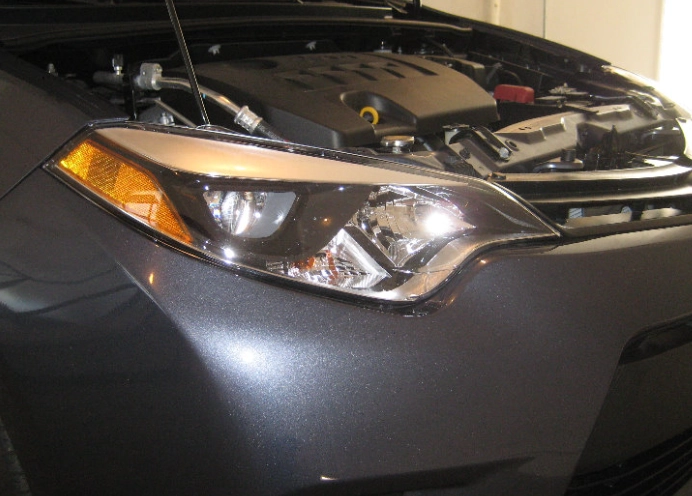
Gather Your Gear
You'll need the new headlight bulbs for your Toyota Corolla (remember, in pairs!), a Phillips screwdriver, maybe a 10mm socket and ratchet for some models, and a clean cloth or pair of latex/nitrile gloves. Why gloves? Touching the glass of a halogen bulb with your bare fingers leaves oils that can create hot spots and cause the bulb to fail prematurely. LEDs are less sensitive, but it's a good habit.
Accessing the Bulb – The Trickiest Part
This varies. On my 11th gen (2014-2018), you pop the hood, locate the back of the headlight assembly, and twist off a large, round dust cover. On some older models, you might need to remove the battery or washer fluid reservoir for passenger-side access. On newer ones (2020+), sometimes you access it from behind the wheel well liner. A quick search for "[Your Corolla Year] headlight bulb access" on YouTube will show you the exact method. It's invaluable.
Take a breath. It's usually simpler than it looks.
The Swap
- Disconnect the Power: Unplug the wiring harness from the old bulb. It's usually a push-clip or a simple plug. Just squeeze and pull.
- Release the Bulb: There will be a metal wire clip or a plastic twist-lock holding the bulb in place. For the common wire clip, you squeeze the ends together and push down to unhook it. Gently swing it out of the way.
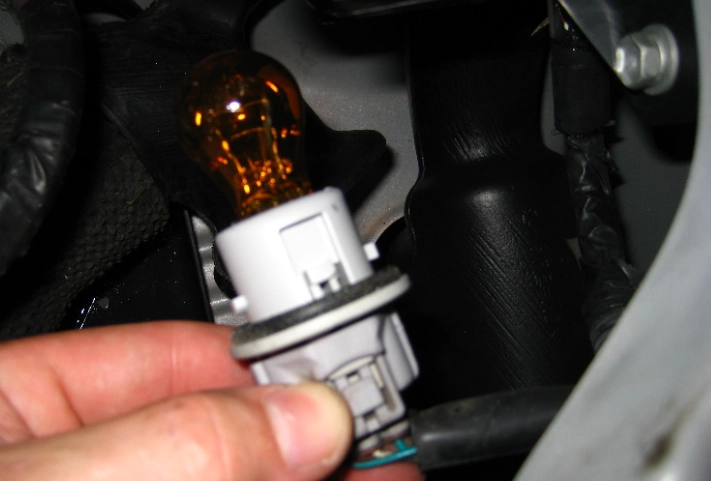
- Remove Old, Insert New: Pull the old bulb straight out. Without touching the glass (use the cloth if needed), align the tabs on the new bulb's base with the slots in the headlight housing. Push it in firmly.
- Re-secure and Reconnect: Lock the clip back in place or twist the collar. It should feel secure, not wobbly. Reconnect the wiring harness. You should hear a click.
- Test Before Closing Up: Before you put the dust cover back on, turn on your headlights. Make sure the new bulb works. This saves you from taking everything apart again if there's a dud (it happens).
Why Do My New Headlights Look Weird or Not Work?
You installed your shiny new bulbs, but something's off. Let's troubleshoot the common headaches.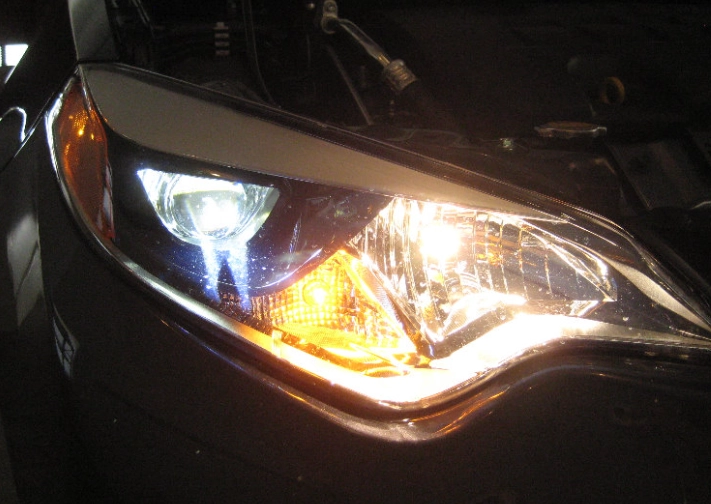
"One bulb is brighter or a different color than the other." This is almost always because you installed bulbs from two different batches or brands. Always install in matched pairs. If you're mixing an old halogen with a new LED, the difference will be dramatic.
"The beam pattern is scattered and blinding." This is the classic sign of an LED bulb not designed for your reflector housing. The diodes aren't in the right spot. You need to return them and get a compliant set. The NHTSA website has clear guidelines on what makes headlights legal and safe.
"My new bulb doesn't turn on at all." First, re-check the connection. Is the plug fully seated? Did you maybe bend a pin? If it's an LED, ensure it's not polarity-sensitive – some LEDs only work one way. Try flipping the plug 180 degrees. If it's still dead, you might have a faulty bulb.
"There's an error message on my dash." Newer Corollas with CAN bus systems can misinterpret the lower power draw of LEDs as a "bulb out." You may need CAN bus compatible LED bulbs or a small resistor kit (often included with better LED sets) to trick the system.
Beyond the Bulb: When It's Not the Bulb's Fault
Sometimes, a new headlight bulb for your Toyota Corolla doesn't solve the problem. The issue might be elsewhere.
Foggy or Yellowed Lenses: Over years, UV exposure oxidizes the plastic polycarbonate headlight lens. It turns yellow and hazy, blocking a massive amount of light. No bulb can shine through that effectively. You can try a restoration kit (temporary fix) or consider professional polishing or replacement housings.
Bad Wiring or Ground: If you're having repeated, premature bulb failures on the same side, it could be a voltage issue from a corroded connector or a bad ground point. This is less common but worth checking if bulbs keep dying.
Misaimed Headlights: Did you hit a curb or have front-end work done? Your headlights might be pointed at the ground or the sky. Proper alignment is crucial for safety and is often a free service at many repair shops during an inspection.
Your Headlight Bulb Questions, Answered
At the end of the day, dealing with your Toyota Corolla headlight bulb replacement is a straightforward piece of maintenance. The key is informed choice. Don't just grab the cheapest halogen or the flashiest LED. Understand what your car needs, prioritize a proper beam pattern for safety, and don't be afraid to get your hands a little dirty. The satisfaction of flipping on your new, bright, properly functioning headlights after doing it yourself? That's worth more than any money you saved.
And if you ever get stuck, the community is huge. Forums like Toyota Nation are filled with people who have done exactly what you're trying to do. Good luck, and drive safely out there.