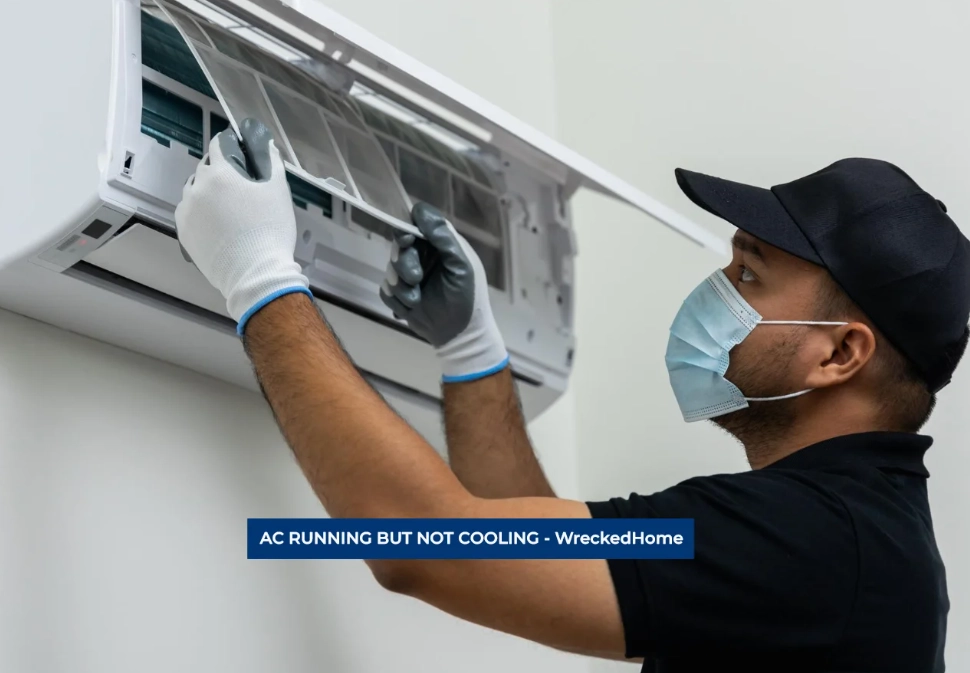
Let's talk about that 20x20x1 air filter tucked away in your furnace or air handler. You know, the one you probably forget about for months. I've been an HVAC technician for over a decade, and I can't tell you how many system failures I've seen that started with a neglected filter. This isn't just about dust bunnies; it's about your health, your wallet, and the longevity of a major home appliance. A simple 20x20x1 air filter replacement, done correctly and on time, is the single most effective piece of preventative maintenance you can do for your HVAC system.
Most guides give you the basics. I'm going to give you the insider details—the stuff homeowners rarely think about until it's a problem. We'll cover why it matters more than you think, how to pick the right filter without falling for marketing hype, a foolproof step-by-step change process, and what it really costs. I'll even point out a common mistake with "electrostatic" filters that can actually damage your system.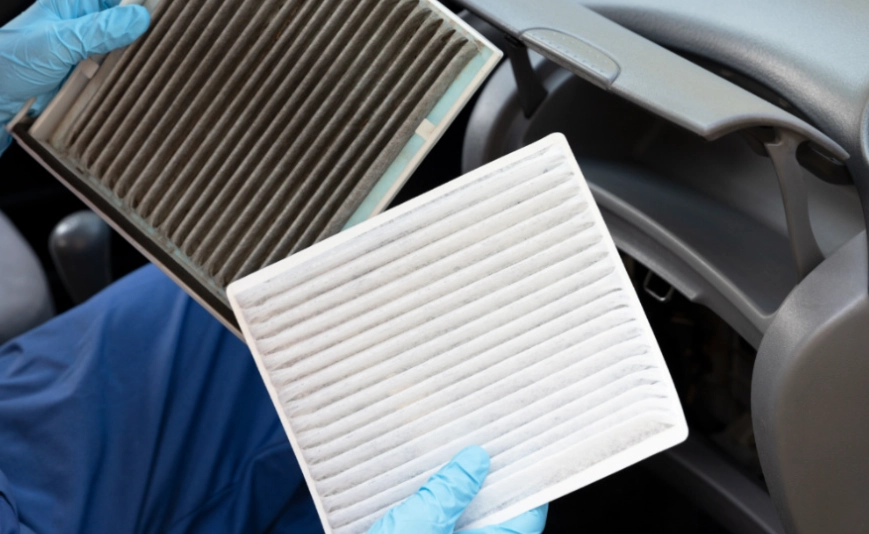
What's Inside?
Why Replacing Your 20x20x1 Air Filter Matters (Beyond Allergies)
Sure, a fresh filter helps with sneezing. But the impact runs deeper. Think of your HVAC system as lungs for your house. The filter is the mask. A clogged mask makes breathing laborious.
First, energy bills. The U.S. Department of Energy states that replacing a dirty filter can lower your air conditioner's energy consumption by 5% to 15%. For a furnace, the blower motor has to work significantly harder to pull air through a matted filter. That's pure wasted electricity or gas, month after month.
Second, system murder. This is the big one. Restricted airflow causes heat to build up inside your furnace's heat exchanger or your AC's evaporator coil. In furnaces, this can lead to the limit switch tripping constantly, causing short cycling and premature failure. In AC units, it can cause the evaporator coil to freeze solid. I've replaced $2,000 compressors that died because of a $15 filter that wasn't changed for a year. The repair bill always dwarfs a lifetime supply of filters.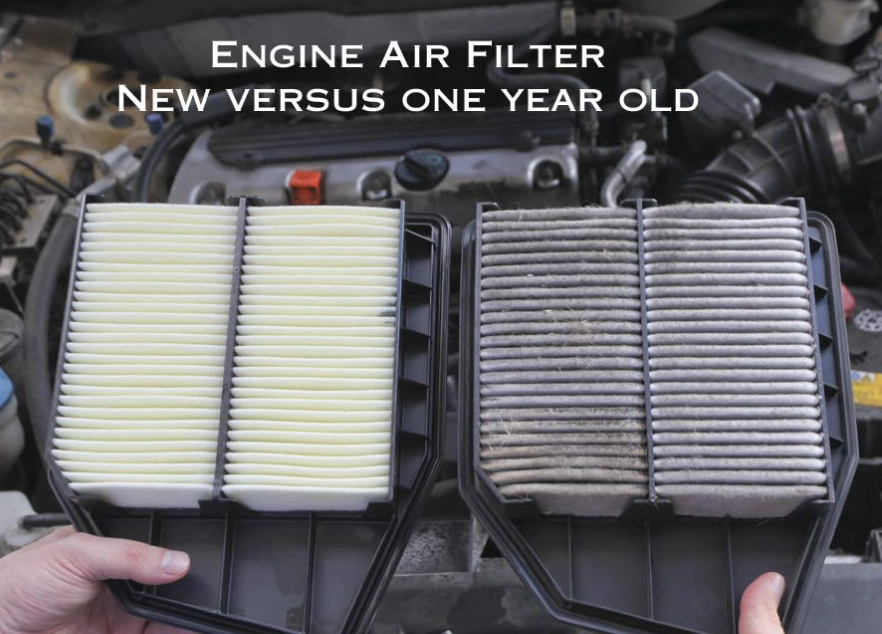
Pro Tip: The "every 3 months" rule is a starting point. If you have pets, run your system constantly, or live in a dusty area, check it monthly. A visibly gray filter or one you can't see light through clearly needs to go.
Choosing the Right 20x20x1 Filter: A Buyer's Checklist
Walk down the filter aisle, and you're bombarded with options: "Allergen Defense," "Maximum Filtration," "Premium." It's overwhelming. Let's cut through the noise.
The most critical specification is the MERV rating (Minimum Efficiency Reporting Value). It runs from 1 to 20. Higher isn't automatically better for your home system.
| MERV Rating | What It Catches | Best For | Potential Drawback |
|---|---|---|---|
| 1-4 (Basic) | Large dust, lint, pollen | Basic dust protection, lowest cost | Does little for allergens |
| 5-8 (Better) | Mold spores, dust mites, pet dander | Most households with pets or mild allergies | May need changing more often than basic filters |
| 9-12 (High) | Lead dust, fine particles, some bacteria | Superior air quality, homes with respiratory issues | Check your system's compatibility |
| 13+ (HEPA-like) | Very fine particles, smoke, viruses | Hospital-grade filtration | Likely too restrictive for standard residential HVAC |
For 90% of homes, a MERV 8 filter is the sweet spot. It captures the problematic allergens without creating excessive airflow resistance for a standard furnace or air handler. Going to MERV 11 or 12? You need to be diligent about changes every 60 days max.
Filter Media: Pleated vs. Electrostatic vs. Washable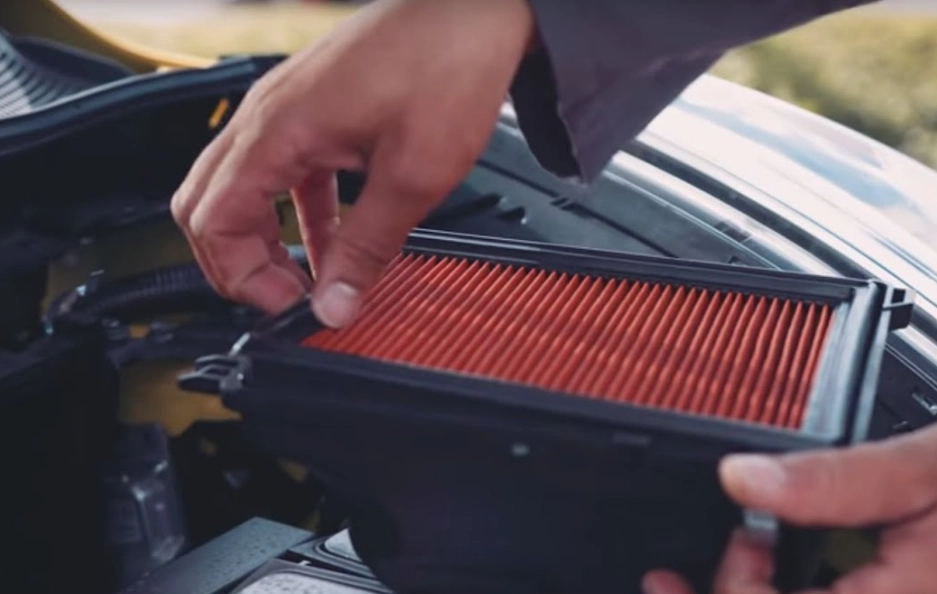
Pleated Fiberglass/Polyester: The standard. More pleats mean more surface area and better dust-holding capacity. Go for pleated.
"Electrostatic" Pleated: These use a static charge to attract particles. Here's the non-consensus part: once the filter gets loaded with dust, the static charge is gone. You're left with a very dense, highly restrictive filter. I often see these causing airflow problems because people think they last longer. They don't. Change them on the same schedule.
Washable/Reusable Filters: Tempting for eco-conscious folks, but I'm not a fan. They typically have a very low MERV rating (1-4), so they're poor at filtration. If not dried completely before reinstalling, they introduce moisture and mold into the ductwork. The hassle rarely outweighs the benefit.
The 10-Minute, 5-Step 20x20x1 Filter Replacement
Here’s the exact process I use and teach my clients. No tools needed.
Step 1: Find It. Your filter slot is usually in the return air duct. Common spots: in a wall or ceiling grill, in a slot on the side of the furnace, or in a dedicated filter rack in the return duct. The arrow on the filter frame should point toward the furnace/air handler, in the direction of airflow.
Step 2: Shut It Down. Turn your thermostat to "off." Not just the fan, the whole system. This is a safety step to ensure the blower doesn't kick on while you're working.
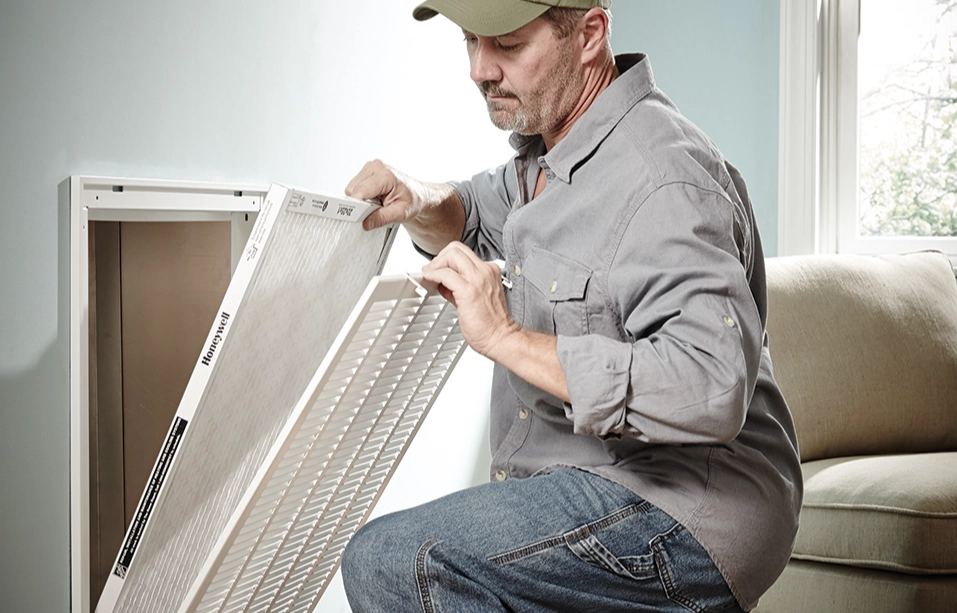
Step 3: Remove & Inspect. Slide out the old filter. Take a look at it. Is it uniformly gray, or is one side dirtier? A dirty patch on one side can indicate an airflow issue or a leak in the ductwork letting in unfiltered air. This is a free diagnostic check.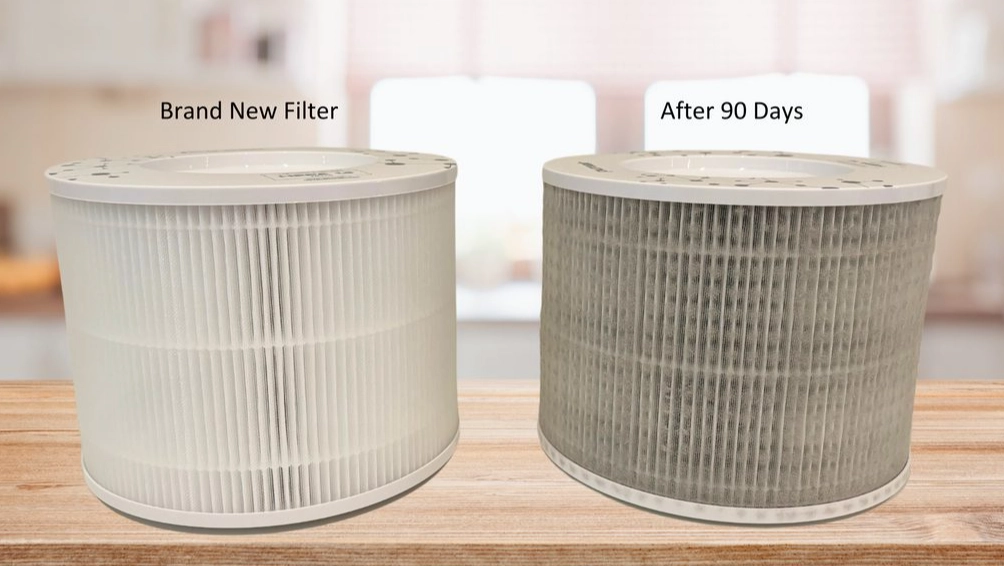
Watch Out: Don't tap the old filter to "clean" it. You're just releasing a cloud of trapped allergens and fine dust into the air right where you're standing. Carry it straight to a trash bag.
Step 4: Insert & Seal. Check the new filter's arrow. Slide it in, arrow toward the furnace. Make sure it fits snugly. A gap around the edges means dirty air is bypassing the filter entirely, defeating the purpose. If your slot is notoriously loose, you can buy foam filter gasket tape to seal the gaps.
Step 5: Reset & Record. Turn the thermostat back on. Take a permanent marker and write the date you installed it directly on the filter frame. Or, set a reminder on your phone. This is the habit that saves you.
20x20x1 Air Filter Cost: What to Expect & How to Save
Prices vary wildly. A basic fiberglass 20x20x1 might be $3-$5. A high-quality pleated MERV 8 runs $8-$15. "Smart" filters or specialty antimicrobial ones can hit $25-$40.
My advice? Avoid the cheap fiberglass ones. They're just a dust sieve and protect your equipment more than your air. The $8-$15 MERV 8 pleated filter is your workhorse.
Real savings come from bulk buying. A 6-pack or 12-pack online often cuts the per-filter cost by 30-50%. Since these filters don't expire, buying a year's supply at once is smart. Just store them in a dry, flat place.
Consider the annual cost: 4 changes per year with a $12 filter = $48. Compare that to a single service call for a frozen AC coil, which starts at around $150. The math is painfully clear.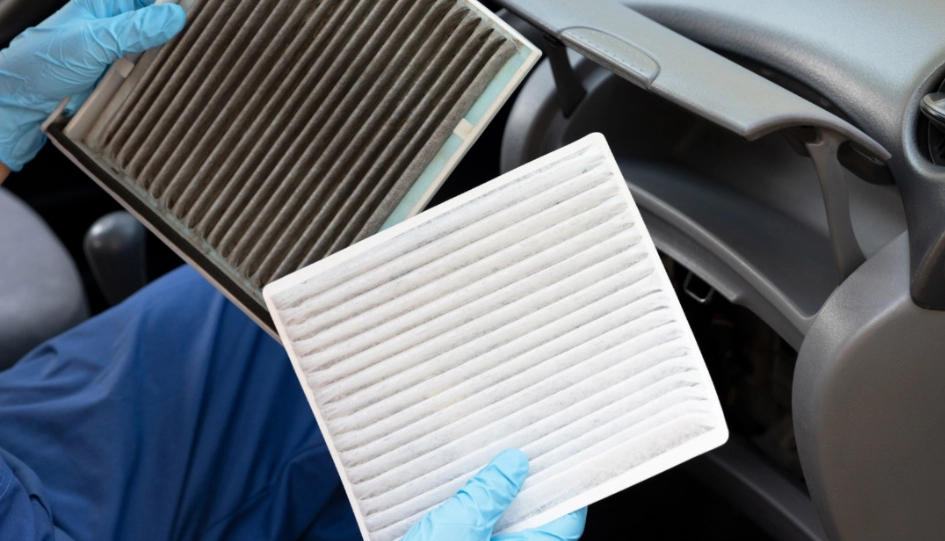
Your Top Filter Questions, Answered by a Pro
 I hear a whistling sound after changing my filter. What did I do wrong?