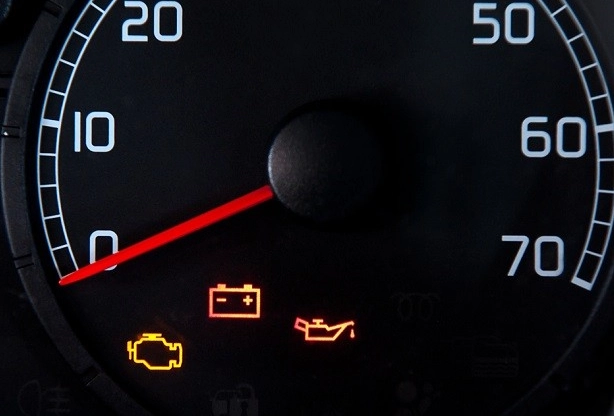
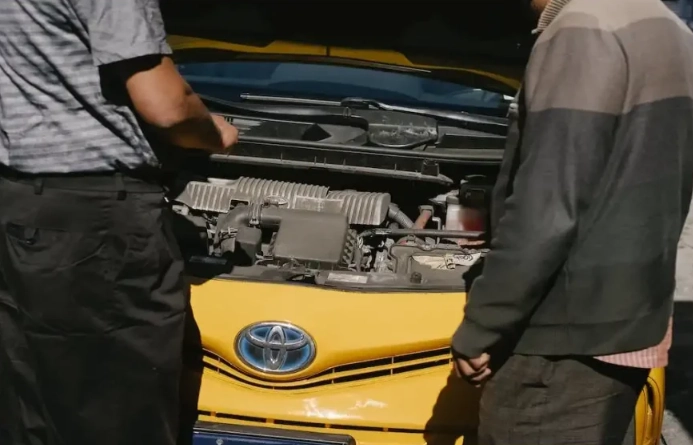
That dreaded click-click-click when you turn the key means one thing: your car battery is dead. Your first thought is probably, "How much is this going to cost me?" I've been there myself, standing in a cold parking lot with a dead battery, wondering if I'm about to get ripped off. The answer isn't a single number. The total car battery replacement cost is a puzzle with pieces like the battery itself, labor, your car's make, and where you buy it. A basic replacement can start around $120, but I've seen bills climb past $400 for luxury or electric vehicles. This guide will dissect every part of that cost, show you where hidden fees lurk, and give you concrete strategies to keep more money in your pocket.
What You'll Learn in This Guide
The Real Total Cost Breakdown: It's More Than Just the Battery
Most people just look up a battery price online and think they're done. That's the first mistake. The final bill has three main components.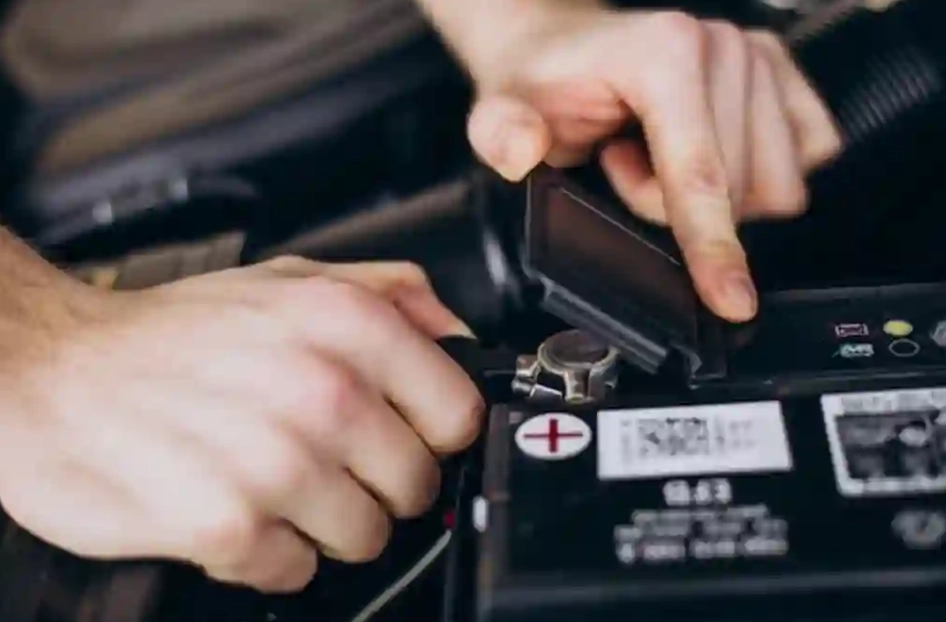
The Battery (Parts Cost): This is the big variable. A standard flooded lead-acid battery for a common sedan might run $80 to $150. But if your car needs an AGM (Absorbent Glass Mat) or EFB (Enhanced Flooded Battery) – common in cars with start-stop technology – the price jumps to $200 to $350. Lithium-ion batteries for hybrids or EVs? That's a whole different league, often costing $1,000 to $3,000+, though they last much longer.
Labor (Installation Cost): This is where shops make their money. Labor rates vary wildly from $50 to $150 per hour. A simple battery swap in an easy-to-access location might take 15-30 minutes. But if your battery is buried under the windshield cowl, in the trunk, or under the passenger seat (looking at you, some BMW and Mercedes models), labor time can stretch to an hour or more, significantly increasing the cost.
Hidden & Additional Fees: This is the gut punch. A shop might charge a "diagnostic fee" ($20-$50) to confirm the battery is the problem. If your battery terminals are corroded, they may recommend cleaning or replacement ($20-$40). Some modern cars require electronic system reprogramming after a battery disconnect to reset windows, sunroofs, and radio presets. Independent shops might do this for free, but dealerships often charge for it.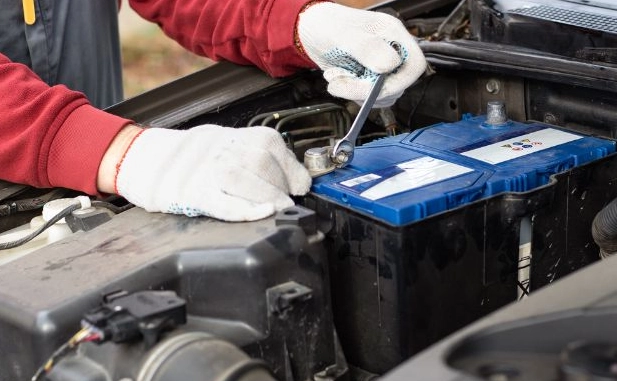
Detailed Price Table: Battery & Labor Costs by Scenario
Let's get specific. This table shows realistic total costs based on common car types and service providers. These are out-the-door estimates including parts, labor, and core charge, but before any rebates or discounts.
| Car Type / Battery Type | Battery Price Range | Typical Labor Cost | Estimated Total Cost | Best Place to Consider |
|---|---|---|---|---|
| Economy Sedan (Standard Flooded) | $80 - $130 | $25 - $60 | $105 - $190 | DIY, Auto Parts Store (free install), Independent Mechanic |
| SUV/Truck (Heavy-Duty Flooded) | $120 - $180 | $30 - $75 | $150 - $255 | Auto Parts Store, Tire Shop Chain (e.g., Discount Tire) |
| Car with Start-Stop Tech (AGM/EFB) | $200 - $350 | $50 - $120 | $250 - $470 | Dealership (for correct programming), Specialized Independent Shop |
| Luxury Car (Complex Location, AGM) | $250 - $400 | $100 - $200+ | $350 - $600+ | Dealership or High-End Independent Specialist |
| Hybrid Vehicle (Standard Auxiliary Battery) | $150 - $300 | $75 - $150 | $225 - $450 | Dealership (highly recommended for safety/system sync) |
How Battery Replacement Actually Works: The Step-by-Step
Knowing the process helps you understand the labor cost and spot unnecessary upsells.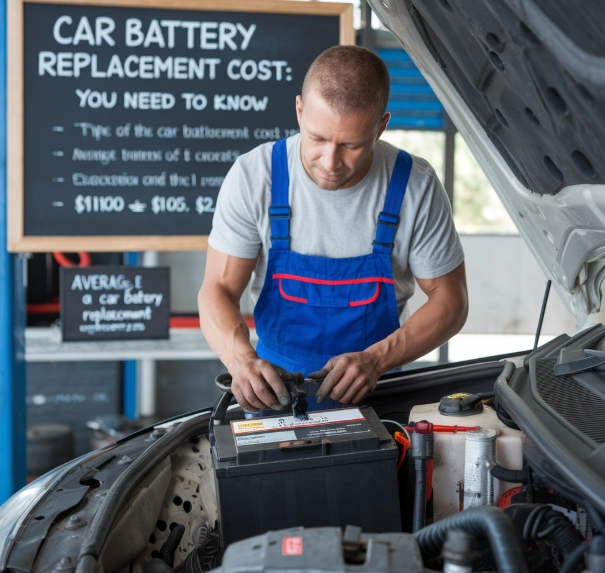
Step 1: Diagnosis and Confirmation
A professional should test the battery and charging system with a multimeter or load tester. A dead battery can be a symptom of a failing alternator. Replacing a good battery because of a bad alternator is a costly error. Ask to see the test results.
Step 2: The Physical Swap
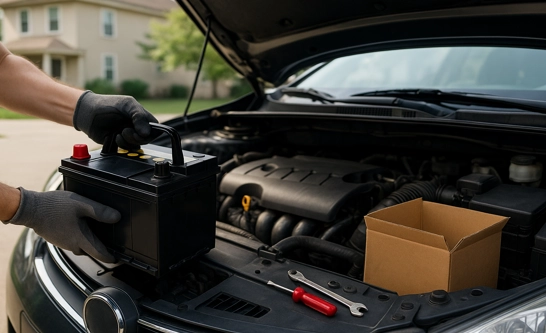
The mechanic disconnects the negative (black) terminal first, then the positive (red). This prevents short circuits. They remove the hold-down clamp, lift out the old battery, clean the tray and terminals, drop in the new one, reconnect positive first then negative, and secure the clamp. For easy-access batteries, this is a 10-minute job.
Step 3: The Critical Post-Installation Steps
This is where cheap service and good service differ. The vehicle should be started to ensure everything works. For modern cars (roughly 2010+), the technician may need to use a scan tool to register the new battery with the car's computer. This tells the charging system a new battery is installed, optimizing charge rates and preventing premature failure. Not all cars require it, but for many European brands (VW, BMW, Mercedes), it's essential. If a shop doesn't mention this, they might not be equipped for your car.
Where to Buy & Install: A Cost and Value Comparison
Your choice of vendor dramatically affects the final car battery replacement cost and your experience.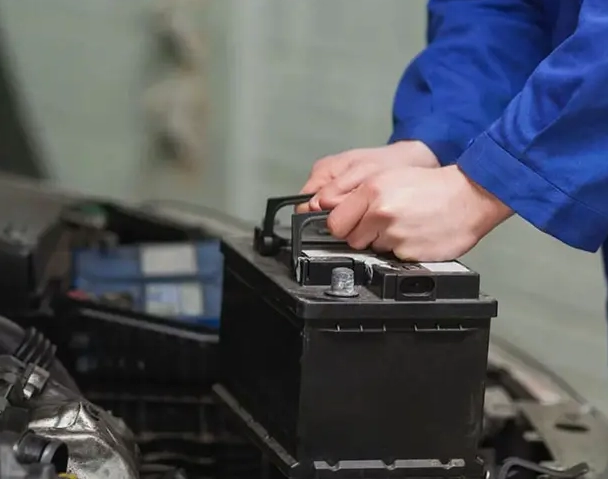
Auto Parts Stores (Advance, AutoZone, O'Reilly): They sell batteries and often offer free installation if you drive in. This is the best value for standard cars. The catch? They may refuse complex jobs (batteries in wheel wells, trunks). Their labor is fast but can be less meticulous on cleaning and computer registration. Battery prices are competitive, especially with online coupons.
National Repair Chains (Firestone, Pep Boys, Meineke): They charge for labor (typically $30-$80) but offer more comprehensive service, including system checks. They handle moderately complex installations. Their battery prices might be marked up slightly. Look for service coupons on their websites.
Local Independent Mechanics: My personal go-to for non-standard cars. Labor rates vary ($75-$120/hr), but you get expertise. A good indie shop will know which cars need programming, will clean terminals properly, and won't upsell unnecessarily. They often source quality batteries at fair prices. You're paying for knowledge.
Car Dealerships: The most expensive option. Parts (OEM batteries) and labor rates ($120-$200/hr) are premium. However, for complex hybrids, EVs, or luxury cars with integrated power management systems, the dealership's specialized tools and software are sometimes the only right choice. You pay for guaranteed compatibility and factory procedures.
DIY vs. Professional Installation: A Realistic Look
Thinking of doing it yourself to save the labor cost? It's not always the simple job YouTube makes it seem.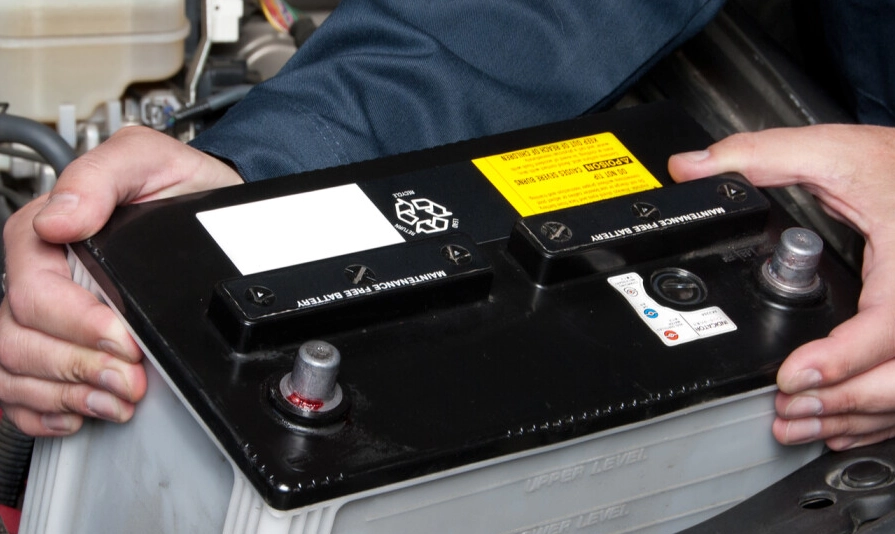
When DIY Makes Sense: Your battery is in the engine bay, easily accessible, and your car is older (pre-2005-ish). You need basic tools: a wrench set, maybe a socket extension. The cost is just the battery price plus your time. You must dispose of the old battery properly (auto parts stores take them for free).
When DIY is a Terrible Idea: Your battery is in the trunk, under the rear seat, or accessed through the wheel well. Your car is modern and requires battery registration – without a $500+ professional scan tool, you can't do it, and your new battery may die early. You drive a hybrid; the high-voltage system is dangerous. If you're unsure, a $75 labor charge is cheap insurance against a $200 mistake or a ruined computer module.
I learned this the hard way on a 2012 Volkswagen. I swapped the battery myself, saved $60 on labor. Two months later, the new battery was weak. A mechanic friend plugged in his scanner and showed me the battery wasn't registered. The car was still charging it like an old, tired battery. I essentially cooked it. The $60 I saved cost me a new $180 battery.