Let's be honest. When gas prices spike, that little number on the pump display starts to feel personal. But a truly fuel efficient car is more than just a temporary shield against price hikes; it's a long-term strategy for keeping money in your pocket and reducing your environmental footprint. The trick isn't just finding a car with a big MPG number on the window sticker. It's about matching the right technology to your actual life, understanding the real-world costs, and avoiding the common pitfalls that can turn a promised fuel-saver into a financial disappointment.
What You'll Discover in This Guide
- How Do Different Fuel Efficient Technologies Compare?
- Real-World MPG vs. Sticker Price: What They Don't Tell You
- The Long-Term Math: When Does Fuel Efficiency Pay Off?
- How to Choose the Right Fuel Efficient Car for Your Life
- Beyond the Car: Driving and Maintenance Habits That Save Fuel
- Your Fuel Efficiency Questions, Answered
How Do Different Fuel Efficient Technologies Compare?
Walk into a dealership today and you're hit with a alphabet soup of options: HEV, PHEV, EV, and good old-fashioned ICE with turbochargers. It's confusing. Each has its own sweet spot, and picking the wrong one is the biggest mistake I see people make.
Here’s a breakdown of what each type actually delivers, beyond the marketing.
| Technology | How It Works (Simply) | Typical Real-World MPG/MPGe Range | Key Pros | Key Cons & Hidden Costs |
|---|---|---|---|---|
| Hybrid (HEV) e.g., Toyota Prius, Honda Accord Hybrid | Uses a gas engine and electric motor together. Battery recharges itself while driving. | 45 - 60 MPG (city driving is where it shines) | No plugging in needed. Proven reliability. Significant city fuel savings. | Highway MPG advantage shrinks. Can have a higher upfront cost. Some find the driving feel odd. |
| Plug-in Hybrid (PHEV) e.g., Toyota RAV4 Prime, Ford Escape PHEV | Larger battery you plug in. Runs on electric only for 20-40 miles, then acts like a hybrid. | Electric Mode: ~100 MPGe Gas Mode: 35-40 MPG | Ideal for short commutes on electric. No range anxiety for long trips. Often qualifies for tax credits. | Most expensive upfront. If you never plug it in, you're hauling a heavy, useless battery. |
| Electric Vehicle (EV) e.g., Tesla Model 3, Hyundai Kona Electric | Runs solely on a large battery charged from an outlet. No tailpipe emissions. | 110 - 140 MPGe (equivalent) | Extremely low "fuel" cost per mile. Minimal maintenance. Instant torque, quiet ride. | Higher purchase price. Charging infrastructure and time. Range can drop in cold weather. |
| Efficient Gasoline Cars e.g., Mazda3, Honda Civic, Hyundai Elantra | Advanced engines (small turbos, high compression), lightweight materials, sleek aerodynamics. | 33 - 42 MPG combined | Lowest upfront cost. Familiar refueling. No new habits to learn. | Still subject to gas price volatility. Savings are more modest compared to electrified options. |
The "best" choice disappears. It becomes a question of your daily mileage, access to charging, and budget. A salesperson might push the latest EV, but if you live in an apartment with no charging, a hybrid or a miserly gas car is the truly efficient choice for you.
Real-World MPG vs. Sticker Price: What They Don't Tell You
That shiny EPA MPG number on the window sticker? Treat it as a best-case-scenario lab result, not a promise. In my experience, most drivers get 10-20% less than the combined rating. Here's why.
The official tests don't account for real life. They don't simulate you blasting the A/C on a 95-degree day, carrying three passengers and a trunk full of gear, or dealing with stop-and-go traffic that's worse than the test cycle. Aggressive acceleration alone can cut your mileage by a third on short trips.
A concrete example: A car rated at 40 MPG combined might reliably give you 34-36 MPG in mixed use. Over 15,000 miles a year, that's the difference between using 375 gallons of gas (at 40 MPG) and 441 gallons (at 34 MPG). At $3.50/gallon, that's an extra $231 per year you didn't budget for.
The Maintenance Blind Spot
This is rarely discussed. A fuel efficient car with poor maintenance is a waste of money. I've seen too many people buy a Prius and then ignore it for years, wondering why their MPG dropped from 52 to 44.
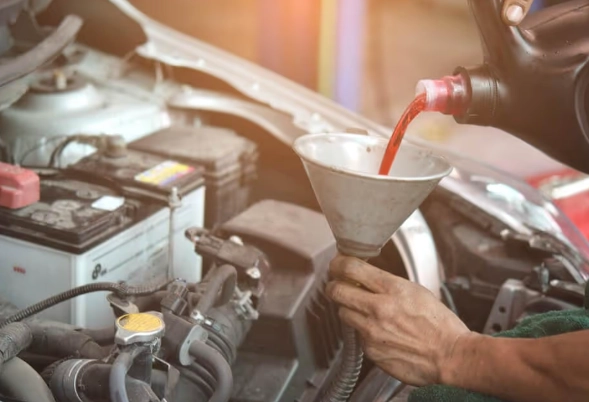
Under-inflated tires are a silent killer. Just 5 PSI below recommendation can increase fuel consumption by 2-3%. A dirty air filter restricts airflow to the engine, making it work harder. And using the wrong grade of motor oil can create more internal friction. These aren't big, sexy issues, but they chip away at your savings every single mile.
The Long-Term Math: When Does Fuel Efficiency Pay Off?
Let's move past "saves gas." Does it save money? You have to look at the Total Cost of Ownership (TCO). The car with the highest MPG might not be the most economical over 5 years.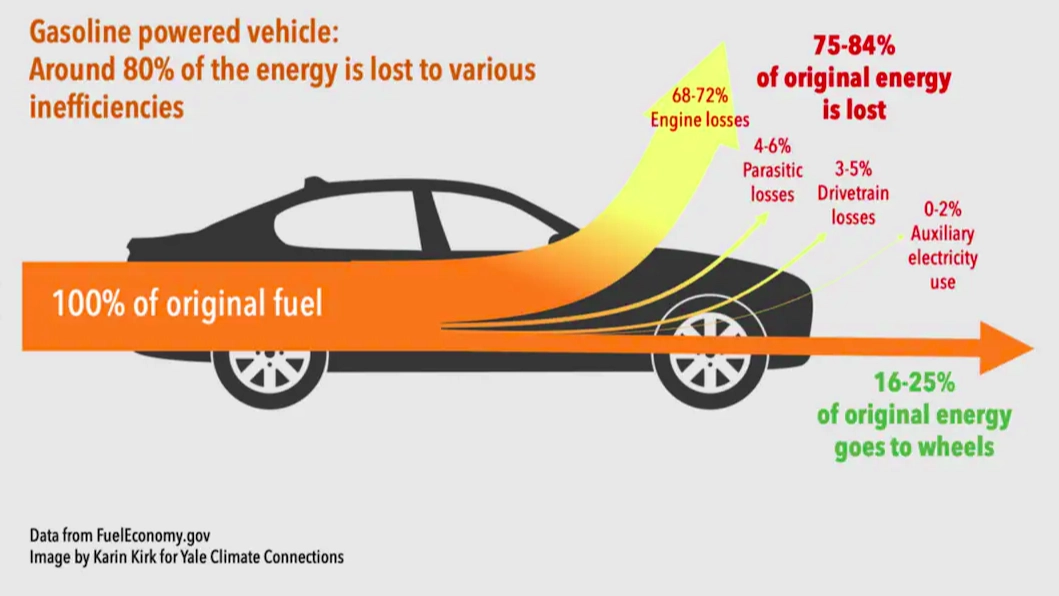
You must factor in:
- Purchase Price/Finance Cost: The premium for a hybrid or EV.
- Fuel/Electricity Costs: Based on your local rates and driving habits.
- Depreciation: How much value it loses.
- Insurance: EVs and high-tech cars can cost more to insure.
- Maintenance & Repairs: EVs have fewer fluids and moving parts, but battery replacement is a fear (though rare).
Scenario: Commuter drives 15,000 miles/year (70% city, 30% highway). Gas at $3.80/gal, electricity at $0.15/kWh. Ownership period: 5 years.
| Vehicle Type | Example Model (Est. Price) | Est. 5-Year Fuel/Electricity Cost | Key Other Cost Factors | Bottom Line |
|---|---|---|---|---|
| Efficient Gas Car | Mazda3 ($25,000) | ~$8,550 | Lower depreciation. Standard maintenance. | Lowest upfront, predictable costs. |
| Hybrid (HEV) | Toyota Corolla Hybrid ($26,500) | ~$5,700 | High resale value. Proven low maintenance. | Fuel savings often offset price premium in 2-3 years. |
| Electric Vehicle (EV) | Chevy Bolt EV ($28,000 after credit) | ~$2,250 | Lowest maintenance. Depreciation varies wildly. Home charger installation ($500-$2000). | Huge fuel savings, but higher upfront and insurance costs. Best if you keep it long-term. |
The crossover point—where your fuel savings pay back the higher purchase price—depends entirely on your driving distance and local energy costs. For a low-mileage driver, the efficient gas car often wins on pure economics. For a high-mileage commuter, the hybrid or EV becomes a financial powerhouse.
How to Choose the Right Fuel Efficient Car for Your Life
Forget the generic "top 10" lists. Ask yourself these specific questions:
What does your daily drive look like? Is it 5 miles of city streets or 50 miles of open highway? City drivers benefit massively from hybrids (regenerative braking). Highway cruisers might find a sleek, efficient gas car or a diesel (if still available) does just as well, often for less money.
Where will you park at night? This is the EV/PHEV deal-breaker. If you have a garage or dedicated parking where you can install a Level 2 charger, an EV becomes incredibly convenient. If you rely on street parking or public chargers, the hassle factor can erase the benefits. A hybrid that doesn't need a plug is your friend.
What's your total budget, not just monthly payment? Factor in potential tax credits (check the current IRS guidelines for EVs and PHEVs), insurance quotes, and your local registration fees—some states charge extra for EVs to make up for lost gas tax revenue.
Beyond the Car: Driving and Maintenance Habits That Save Fuel
The car is only part of the equation. Your right foot controls the rest.
Smooth acceleration and braking is the single most effective technique. Imagine there's a raw egg between your foot and the pedal. Jackrabbit starts and late braking are fuel bonfires.
Use cruise control on the highway. A computer maintains speed more efficiently than a human leg can, especially on rolling hills.
Reduce weight and drag. Clean out your trunk. Remove roof racks and cargo boxes when you're not using them. That kayak rack can cut your MPG by 10% or more.
Plan and combine trips. A cold engine is inefficient. Several short, separate trips use far more fuel than one longer, multi-stop trip covering the same distance.
These habits are free. They work in any car, old or new, and can improve your mileage by 15% or more without any technological upgrade.
Your Fuel Efficiency Questions, Answered