Quick Navigation
- Listen Up: Your Car is Telling You It Needs Brake Service
- What Actually Happens During a Brake Job? Demystifying the Process
- The Million-Dollar Question: DIY Brake Repair or Hire a Pro?
- Brake Repair Cost: What Should You Actually Expect to Pay?
- Your Brake Repair Questions, Answered
- Wrapping It Up: Your Action Plan
Let's be honest. Most of us don't think about our car's brakes until something feels... off. That little squeak you heard last week. The shudder in the pedal when you come to a stoplight. Or that heart-dropping moment when the car just doesn't seem to want to stop as quickly as it used to. It's a scary feeling, and it throws a ton of questions at you. How urgent is this? Can I fix it myself? How much is a brake repair going to set me back? And who can I even trust to do the job right?
I've been there. I remember the first time I heard that high-pitched metal-on-metal grinding. I ignored it for a week (don't do that), convincing myself it was just dust. It wasn't. The repair bill was a painful lesson. That's why I wanted to put this guide together. It's not a mechanic's technical manual. It's a straight-talking, no-BS resource to walk you through everything about brake repair, from the first weird noise to picking up your car, wallet in hand. We'll cover what those noises mean, what the job actually involves, whether you should grab a wrench or call a pro, and how to not get ripped off.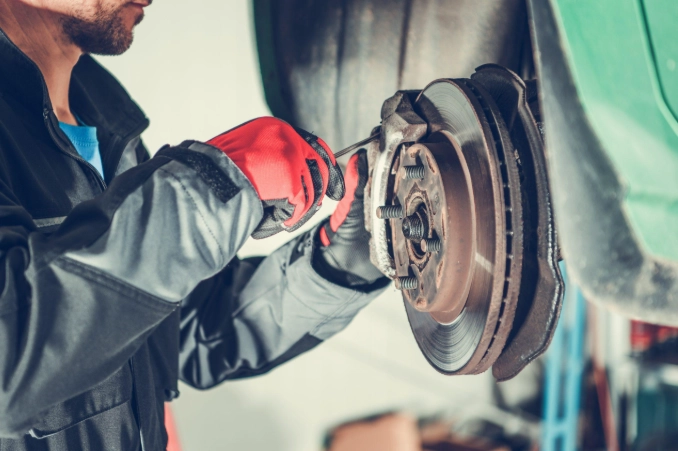
Bottom Line Up Front: Your brakes are the most important safety system in your car. Never, ever ignore warning signs. Putting off a needed brake repair is literally gambling with your safety and the safety of others on the road.
Listen Up: Your Car is Telling You It Needs Brake Service
Cars talk. They really do. They don't use words, but they give off clear signals when something's wrong, especially with the brakes. The trick is knowing what to listen and feel for. Here are the most common cries for help. If you notice any of these, it's time to pay attention.
The Sounds You Don't Want to Hear
Squeaking or Squealing (High-Pitched): This is often the first sign. A consistent, high-pitched squeal when you apply the brakes, especially in the morning or after the car's been sitting, is usually a built-in wear indicator. Most brake pads have a little metal tab that contacts the rotor when the pad material gets low. It's literally designed to scream, "Hey, I'm almost done here!" It's a scheduled shout for maintenance.
Grinding (Deep, Metal-on-Metal): This is the emergency alarm. If you hear a harsh grinding or growling sound, it means the brake pad material is completely gone. You are now pressing the metal backing plate of the pad directly against the metal brake rotor. This is bad. Really bad. It destroys the rotors (turning a simple pad slap into a much more expensive rotor replacement) and drastically reduces your stopping power. If you hear grinding, get the car to a shop immediately. Do not pass go. Do not collect $200.
The Feelings in the Pedal and Steering Wheel
It's not just about sound. How the brake pedal feels under your foot is a huge diagnostic tool.
Vibration or Pulsation: When you brake, does the pedal pulse up and down against your foot? Does the steering wheel shimmy? This is often caused by warped brake rotors. Rotors need to be perfectly flat. When they overheat (from heavy braking, a stuck caliper, or just normal wear), they can warp. The brake pads then grab an uneven surface, causing that pulsating feeling. Some people mistakenly think it's an ABS issue, but it's usually just the rotors.
Soft or Spongy Pedal: You press the brake and the pedal feels mushy, sinking closer to the floor than it used to. This often points to air in the brake hydraulic lines or a problem with the brake fluid (like moisture contamination, which lowers its boiling point). Brake systems rely on incompressible fluid. Air bubbles compress, giving you that spongy, ineffective feel.
Pedal Goes to the Floor: This is a major red flag. If the pedal sinks all the way to the floor with little resistance, you could have a serious fluid leak or a master cylinder failure. Your braking ability is severely compromised. Stop driving and have the car towed.
Car Pulling to One Side: When you brake, the car consistently drifts left or right. This could mean a stuck caliper (one brake is applying more force than the other), a collapsed brake hose, or unevenly worn pads. It makes the car unstable during braking.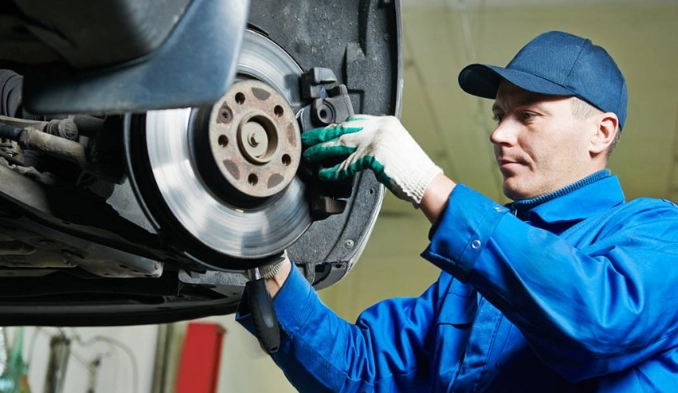
What You See and Smell
Dashboard Warning Light: That little circle with parentheses and an exclamation point in the middle? That's your brake warning light. It can illuminate for low brake fluid or issues with the parking brake. If the ABS light comes on (usually says "ABS"), it indicates a problem with the anti-lock braking system.
Visible Pad Wear: If you're curious, you can often look through the spokes of your wheel at the brake caliper. You'll see the outer brake pad pressed against a metal disc (the rotor). There should be at least 1/4 inch of pad material. If it looks super thin (3mm or less), it's time. If you see the metal backing plate, it's past time.
Leaking Fluid: See a small puddle of clearish or light brown fluid near a wheel? That's likely brake fluid. This is a critical failure—the system is losing pressure. Don't drive it.
Burning Smell: A sharp, chemical odor after heavy braking (like coming down a mountain pass) can mean overheated brakes or a stuck caliper. If you smell this, pull over safely, let the brakes cool completely, and get them checked.
Let me be blunt for a second. I see forum posts all the time where people ask, "Can I drive another 500 miles with a squeal?" You can. You might also warp your rotors, damage your calipers, and turn a $200 brake pad replacement into an $800 rotor-and-caliper replacement. Worse, you might not stop in time. Listen to your car.
What Actually Happens During a Brake Job? Demystifying the Process
So you've got a sign. What next? Understanding what a mechanic does (or what you'd be doing) takes the mystery out of it and helps you understand the costs. A standard brake repair typically involves one or both axles (front or rear) and focuses on the friction components.
Here’s a breakdown of the common players in your braking system:
| Component | What It Is & What It Does | Common Failure Signs |
|---|---|---|
| Brake Pads | The friction material that clamps onto the rotor to create stopping force. They wear down with use. | Squealing (wear indicators), grinding, reduced pad thickness. |
| Brake Rotors (Discs) | The shiny, round metal discs the pads clamp onto. They dissipate heat. | Pulsation/vibration, deep scoring/grooves, warping. |
| Brake Calipers | The clamp that houses the pads and uses hydraulic pressure to squeeze them onto the rotor. | Car pulling, uneven pad wear, leaking fluid, seized piston. |
| Brake Fluid | The hydraulic fluid that transfers the force from your pedal to the calipers. It absorbs moisture over time. | Spongy pedal, low fluid level, dark/contaminated fluid. |
| Brake Lines (Hoses) | The rubber or steel lines that carry brake fluid from the chassis to the calipers. | Bulging, cracking, leaking, spongy pedal if failed. |
A basic brake service for one axle usually means replacing the pads and either resurfacing ("turning" or "machining") the rotors or replacing them. Resurfacing shaves a thin layer off the rotor to make it smooth and flat again. But rotors have a minimum thickness specification—if they're too thin or too warped, they must be replaced. Most shops nowadays just replace rotors; it's often cheaper than machining and guarantees a perfect new surface.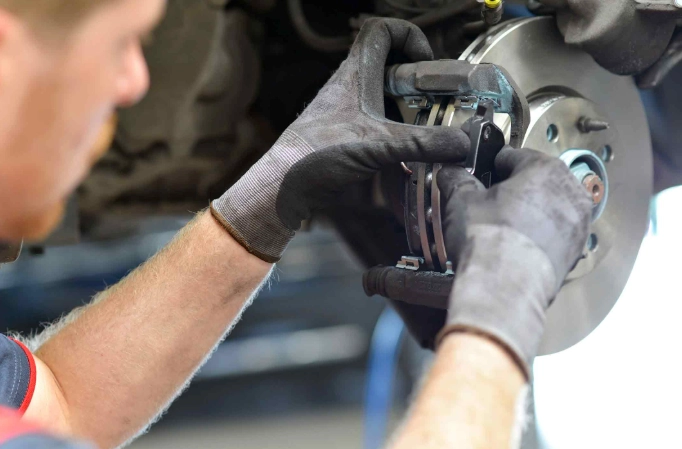
A more involved brake repair might include replacing seized calipers, flushing the old brake fluid (a brake fluid flush is a separate, important maintenance item), or replacing cracked hoses.
How long does a standard brake job take? For a professional on one axle, 1-2 hours is typical. A DIYer might take an afternoon, especially the first time.
The Million-Dollar Question: DIY Brake Repair or Hire a Pro?
This is the big debate. I've done both. There's a real satisfaction in doing it yourself, but it's not for everyone. Let's break it down honestly.
The Case for DIY Brake Repair
If you're moderately handy, have a safe place to work (a level driveway or garage), and can follow instructions, replacing brake pads and rotors is one of the more accessible DIY car repairs. The parts cost is significantly lower than the shop's total bill. You can buy quality parts online or at an auto parts store. There are thousands of excellent video tutorials for nearly every car model on YouTube.
The Pros:
- Cost Savings: This is the big one. You're only paying for parts, not labor.
- Knowledge & Satisfaction: You learn exactly how your car works and gain the confidence to tackle other jobs.
- Part Control: You choose exactly which brand and quality of parts go on your car.
The Cons & Realities:
- Tools: You need a decent jack, jack stands (NEVER rely on just the jack!), a lug wrench, sockets, a C-clamp or caliper piston tool, and maybe a torque wrench. This upfront cost can eat into your first job's savings.
- Unexpected Problems: What if a caliper bolt is seized and snaps? What if the piston boot is torn? A simple pad swap can turn complicated fast.
- Safety Risk: If you make a mistake—like not tightening a caliper bolt properly or getting air in the lines—the brakes can fail. This isn't like changing a light bulb.
- Time & Frustration: It will take you 4-5 times longer than a mechanic, especially the first time. And you will get dirty and frustrated.
My personal take? If your car just needs pads and maybe rotors, and you're careful, DIY is a great option. But if you hear grinding, notice a leak, or the car is pulling, the problem is likely beyond a simple pad swap, and a pro's diagnosis is wise.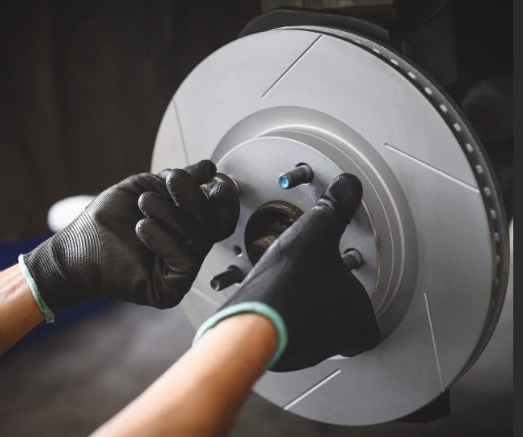
The Case for Professional Brake Service
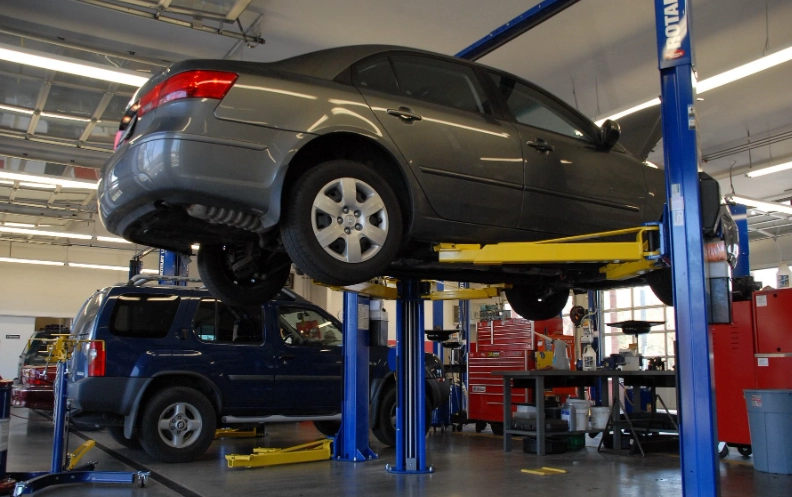
Taking your car to a professional mechanic or brake specialist for repair is the path of least resistance and, often, greater safety assurance.
The Pros:
- Expertise & Diagnosis: A good mechanic can spot issues you might miss—a slightly sticky caliper, a worn wheel bearing, a cracked hose. They diagnose the whole system, not just the obvious part.
- Speed & Warranty: The job is done in a couple of hours, not a weekend. Reputable shops offer a warranty on both parts and labor, giving you peace of mind.
- Proper Tools & Process: They have lifts, power tools, and the experience to handle seized parts and properly bleed the brake system if needed.
The Cons:
- Cost: You are paying a significant premium for labor and shop overhead.
- Finding a Trustworthy Shop: This is the hardest part. How do you know they won't recommend unnecessary work? (We'll tackle this next).
"The best brake repair is the one done correctly, whether by you or a pro. A botched DIY job is more dangerous and expensive than paying a professional from the start."
Brake Repair Cost: What Should You Actually Expect to Pay?
Let's talk numbers, because this is where the anxiety really hits. The cost of a brake repair is all over the map, and for good reason. It depends entirely on:
1. Your Vehicle: Luxury cars, European models, and trucks often need more expensive parts.
2. Which Axle: Front brakes do ~70% of the work and wear faster. Rear brake jobs are sometimes cheaper.
3. Parts Quality: Economy, ceramic, or performance pads? Basic or premium rotors?
4. What's Being Replaced: Just pads? Pads and rotors? Calipers too?
5. Shop Labor Rates: Rates vary wildly by region and shop type (dealer vs. independent).
To give you a ballpark for a common sedan or SUV (like a Honda CR-V or Toyota Camry):
- DIY Parts-Only Cost (One Axle): Quality pads and rotors: $150 - $300.
- Professional Service Cost (One Axle): Pads & Rotor Replacement: $300 - $600+.
- Professional Service Cost (Both Axles): Complete brake job: $600 - $1,200+.
- Additional Costs: Brake fluid flush: $100 - $150. Caliper replacement: $200 - $400 per caliper.
Always, always get a written estimate before authorizing any work. A good estimate will break down parts, labor, and tax. Be wary of shops that give a vague "about $400" quote over the phone—they haven't seen your car.
How to Avoid Getting Overcharged on Brake Service
This is the stuff they don't want you to know. Having been on both sides of the service counter, here's my advice.
First, if a shop says "You need new pads and rotors," ask to see them. Any reputable shop will show you the worn parts on your car, or at least show you pictures. Look at the pad thickness. Look for deep grooves on the rotor. This visual proof builds trust.
Second, ask about your options. "Do the rotors absolutely need replacement, or can they be resurfaced?" "What are the different pad material options (organic, semi-metallic, ceramic) and their pros/cons for my driving?" Ceramic pads, for example, cost more but produce less dust and are quieter.
Third, get a second opinion. If a quote seems astronomically high or recommends a ton of work ("all four calipers are bad!"), it's perfectly reasonable to take the car to another shop for a free brake inspection. Don't feel pressured.
Finally, use resources like the Better Business Bureau or SAE International to find accredited shops. Reading verified customer reviews is also crucial.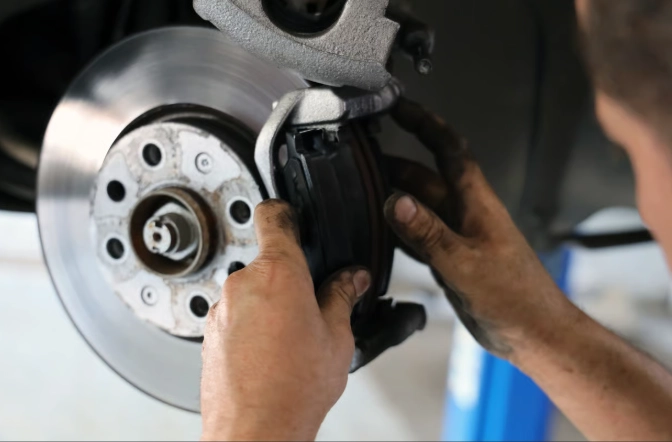
Your Brake Repair Questions, Answered
How often do brakes need to be replaced?
There's no single mileage answer. It depends on your driving style (city vs. highway), terrain (hilly areas eat brakes), vehicle weight, and pad material. Typically, front pads last 30,000-70,000 miles, rears last longer. The best gauge is paying attention to the warning signs we discussed, not the odometer.
Is it okay to just replace the pads and not the rotors?
Sometimes, if the rotors are in great shape—smooth, thick, with no deep grooves or warping. However, new pads bed best against new or freshly machined rotors. Putting new pads on worn, grooved rotors can reduce performance, cause noise, and lead to uneven wear. Most mechanics recommend replacing or resurfacing rotors with new pads as a standard practice for optimal results and safety.
Can I replace just one side (left or right) of brakes?
Absolutely not. Brakes must be replaced in axle sets (both fronts or both rears). Replacing just the pad on one side creates uneven braking force, causing the car to pull dangerously to one side. Always do both sides.
What's a brake fluid flush, and do I need one?
Brake fluid is hygroscopic—it absorbs moisture from the air over time. This moisture lowers the fluid's boiling point (leading to a spongy pedal under hard braking) and causes internal corrosion. Most manufacturers recommend a flush every 2-3 years or 30,000 miles. It's separate from a pad/rotor replacement but is critical maintenance. The National Highway Traffic Safety Administration (NHTSA) includes brake fluid in its recommended vehicle maintenance schedules for a reason.
Why are my new brakes squeaking?
A little noise in the first few hundred miles can be normal as new pads and rotors "bed in." Persistent squealing could be from high-performance pad compounds, lack of proper lubrication on the pad backing plates/shims, or cheap pads. If a shop did the work, take it back and have them check it. A proper brake repair shouldn't be chronically noisy.
Wrapping It Up: Your Action Plan
So, you've got a suspicion about your brakes. Here's your step-by-step game plan.
- Don't Panic, But Don't Ignore It: A squeal gives you time to plan. A grind means stop driving now.
- Do a Quick Self-Check: Look at pad thickness through the wheel. Check the brake fluid level in the reservoir (it's a small translucent tank under the hood). Note all symptoms.
- Make the Call: Decide if you're venturing into DIY territory or calling a pro. Be honest about your skill, tools, and time.
- Get Quotes: If going pro, call 2-3 reputable shops. Describe the symptoms and ask for an estimate for an inspection. Many offer free brake inspections.
- Ask Questions & Verify: When you get the diagnosis, ask to see the old parts. Understand exactly what they're recommending and why.
- Prioritize Safety & Quality: This isn't the place to choose the absolute cheapest option. Choose the shop (or parts) that inspire confidence in a safe, lasting repair.
Brake repair might seem like a complex, expensive hassle. But viewed as a critical safety investment, it makes all the sense in the world. You can't put a price on the confidence of knowing your car will stop when you need it to. Whether you learn to do it yourself or find a mechanic you trust, taking care of your brakes is one of the most important things you can do as a car owner.
Drive safe.