Pop the hood, and you'll see a brightly colored liquid in a plastic reservoir. Most drivers think that's just "antifreeze" or generic "coolant." They top it off with whatever's on sale, assuming green goes with green, orange with orange. I've seen this mistake cost people thousands. That fluid is your engine's lifeblood, and getting it wrong is like giving your heart the wrong type of blood. It might work for a bit, but the damage is slow, silent, and expensive.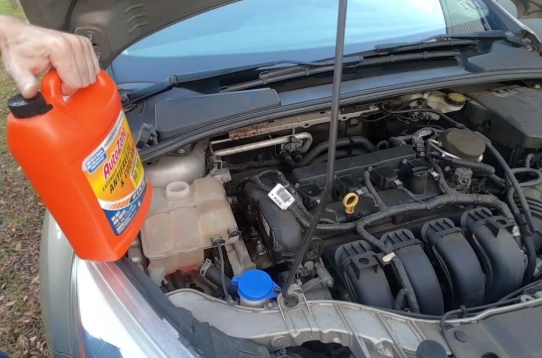
Let's cut through the marketing and confusion. I'm not here to sell you a brand. After years in the shop, I want to show you what really matters with engine coolant: how to pick the right one, maintain it properly, and spot trouble before it leaves you stranded on the highway.
What's Inside This Guide
The Three Main Coolant Types (And Why Color Lies)
The first big myth? Color tells you everything. It doesn't. Color is just dye added by manufacturers. Relying on it is the quickest way to mix incompatible chemistries. The real difference is in the corrosion inhibitor technology.
1. IAT (Inorganic Additive Technology) – The Old Green Stuff
This is the traditional bright green coolant. It uses silicates and phosphates to form a protective layer on all metal surfaces. It works, but it's a bit overzealous. The additives get used up quickly, requiring changes every 2 years or 30,000 miles. It also doesn't play well with modern aluminum engines over the long term. You'll find it in most pre-2000 domestic cars.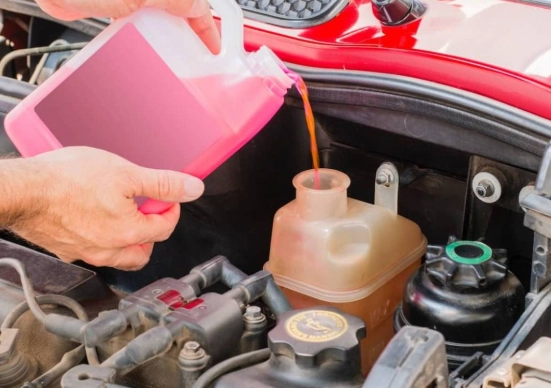
2. OAT (Organic Acid Technology) – The Long-Life Revolution
Think Dex-Cool (orange) or many European pink/purple formulas. OAT coolants use organic acids to protect metals. They don't coat everything; they target specific areas of corrosion only when needed. This makes them last much longer—typically 5 years or 150,000 miles. They're fantastic for aluminum but can be harsh on older solder and some seals found in pre-1995 cars.
3. HOAT (Hybrid OAT) – The Best of Both Worlds?
Hybrids, like the yellow or turquoise G-05 coolant, mix a small amount of silicates with organic acids. They offer the fast-acting protection of silicates for aluminum with the longevity of OAT. Many modern Fords, Chryslers, and European vehicles use a HOAT formula. It's a great compromise, but again, it's specific.
| Type | Common Colors | Key Additives | Typical Change Interval | Best For |
|---|---|---|---|---|
| IAT | Bright Green | Silicates, Phosphates | 2 yrs / 30k mi | Older domestic cars (pre-2000) |
| OAT | Orange, Pink, Purple, Red | Organic Acids | 5 yrs / 150k mi | GM, VW, many modern cars |
| HOAT | Yellow, Turquoise, Blue | Organic Acids + Silicates | 5 yrs / 150k mi | Ford, Chrysler, BMW, Mercedes |
The bottom line? The only reliable way to know is your owner's manual. It will specify a performance standard, like GM 6277M for Dex-Cool or Ford WSS-M97B44-D for their yellow coolant. Match that standard, not the color.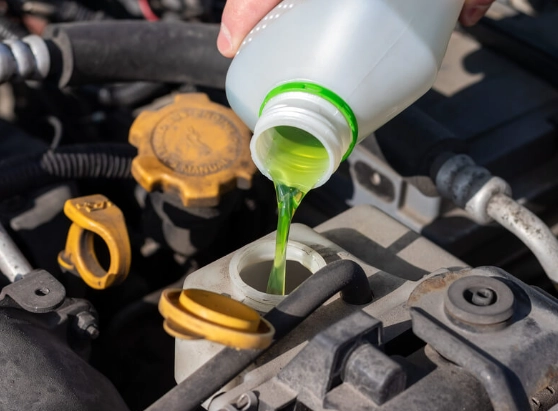
How to Choose the Right Coolant for Your Car
So you're standing in the auto parts aisle, staring at a wall of jugs. Here's your decision tree.
Step 1: Consult the Bible (Your Owner's Manual). Find the fluids section. It will list a specification. Write it down. If you lost the manual, a quick online search for "[Your Car Year, Make, Model] coolant specification" usually works. Reputable sites like the National Automotive Parts Association (NAPA) or AutoZone have fit guides.
Step 2: Pre-Mixed vs. Concentrate. This is simple. Pre-mixed (usually a 50/50 blend with deionized water) is foolproof and ready to use. Concentrate is cheaper per gallon but must be mixed with distilled water (not tap, not spring, distilled). Tap water minerals will scale and corrode your system. I always recommend pre-mixed for DIYers—it eliminates a critical error point.
Step 3: The "Universal" Coolant Gamble.
They claim to work in any car, any color. Technically, many modern "universal" formulas are HOAT-based and are safe to use in most systems as a fill or top-up. SAE International standards help ensure some baseline compatibility. But here's my non-consensus take: Using a universal coolant for a complete fill on a car designed for a specific OAT or HOAT is a compromise. You might lose a few percentage points of the tailored protection your engine's metallurgy was designed for. For a top-off in a pinch? Fine. For a full system flush? I'd still seek out the exact spec.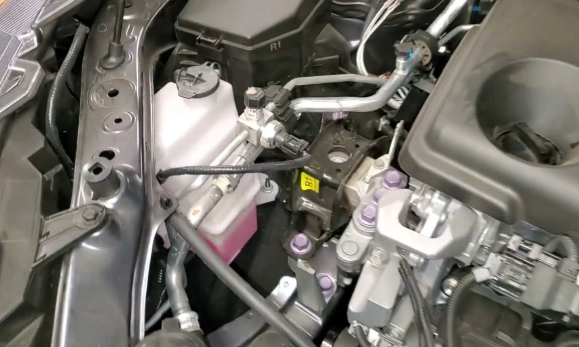
Coolant Maintenance & The Truth About Flushes
Coolant doesn't last forever. The inhibitors wear out, the pH turns acidic, and it starts eating your engine from the inside. Here’s what maintenance really looks like.
Checking the Level & Condition: Do this monthly when the engine is cold. The level should be between the "MIN" and "MAX" marks on the translucent reservoir. Look at the fluid. It should be clear and brightly colored. If it's murky, rusty, or has oily streaks (indicating a possible head gasket issue), it's time for service.
The Coolant Flush: Service vs. Scam. The term "flush" is overused. There's a big difference between a drain-and-refill and a power flush.
- Drain-and-Refill: You open the radiator drain petcock, let old coolant out, close it, and refill. Simple, but it only replaces about 40-60% of the old fluid. The rest remains in the engine block and heater core.
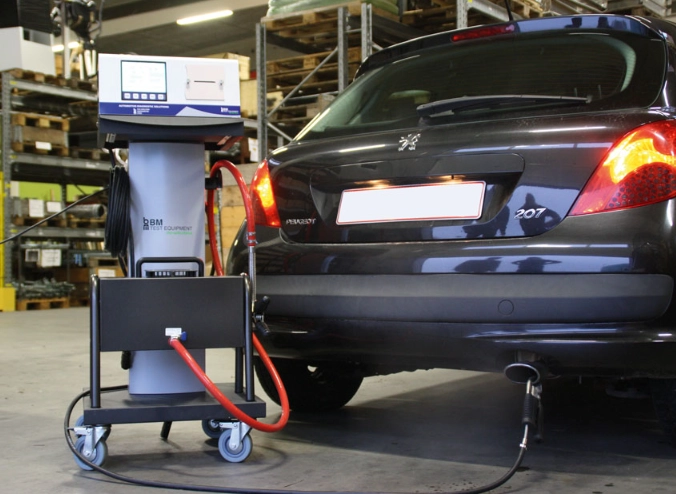
- Machine Power Flush: A professional tool connects to the cooling system, uses air and water pulses to agitate debris, and forces virtually all the old coolant out. This is what you need if the system is contaminated (like from mixing wrong types) or severely degraded.
For a routine change on a well-maintained car, a thorough drain-and-refill (sometimes involving removing a block drain plug) is often sufficient. If you're changing coolant types or fixing overheating, a machine flush is worth the extra $50-$80 at a shop.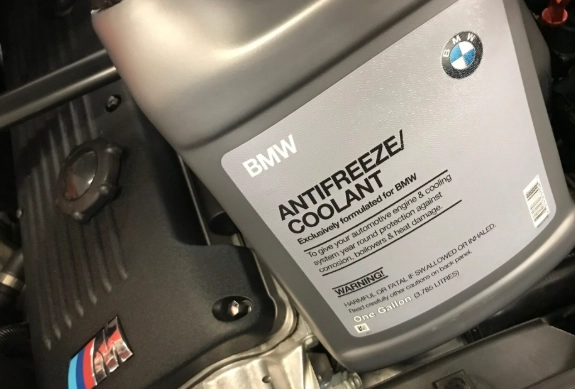
Troubleshooting: Reading the Signs Before Overheating
The temperature gauge spiking is a last-ditch scream for help. Your cooling system gives quieter warnings first.
The Sweet Smell. Coolant (ethylene glycol) has a distinct, faintly sweet smell. If you catch this scent inside the car with the heat on, your heater core is likely leaking. If you smell it outside, check for puddles under the car—a leak from a hose, radiator, or water pump.
Heater Performance. Your car's heater is a mini-radiator. If it starts blowing lukewarm air, it's often the first sign of low coolant level or an air pocket in the system (often after a sloppy top-off).
Discolored Coolant. We talked about this. Brown, murky coolant is dead coolant, or worse, a chemical reaction from mixing.
If the gauge does start to rise, don't panic. Turn off the A/C, crank the heater to full blast (it dumps engine heat into the cabin), and find a safe place to pull over. Let the engine cool completely—I mean for over an hour—before even thinking about opening the radiator cap. A burst of scalding steam and coolant can cause severe burns.
Your Coolant Questions, Answered
Treating your engine coolant with respect is one of the highest-return investments in car care. It's not glamorous, but getting it right prevents some of the most catastrophic and wallet-draining failures your car can face. Start with your owner's manual, ignore the color hype, and don't let a $20 fluid decision turn into a four-figure repair.