Let's talk about BYD. You've seen the headlines: they outsold Tesla globally in Q4 2023. Warren Buffett invested early. They make their own batteries and semiconductors. It's impressive, but what does it mean for you, standing in a showroom or browsing configurators? Is a BYD electric car a smart, practical choice, or just the latest hype train? I've spent years tracking the EV market shift, and BYD's rise from battery maker to auto giant is the most significant story in the industry. This isn't a spec sheet regurgitation. We're going to look at what owning one is actually like, where the real value lies, and the questions most reviewers gloss over.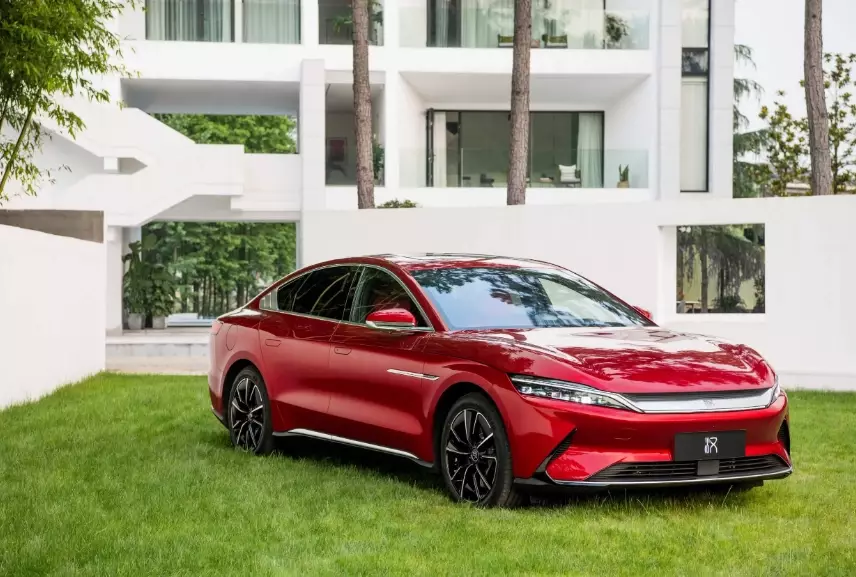
What's Inside This Guide
The BYD Electric Car Lineup Decoded
BYD's global lineup is consolidating around a few core models. Forget the dozens of China-market variants; for most international buyers, the choice boils down to three key vehicles, each with clear positioning.
| Model | Type | Key Battery & Drive | Starting Price (Est. USD/GBP/EUR) | Best For |
|---|---|---|---|---|
| BYD Dolphin | Compact Hatchback | 44.9 kWh Blade Battery, FWD | ~$35,000 / £30,000 / €32,000 | City commuters, first-time EV buyers, small families. |
| BYD Atto 3 | Compact SUV | 60.5 kWh Blade Battery, FWD | ~$38,000 / £33,000 / €35,000 | The mainstream choice. Balances space, range, and price perfectly. |
| BYD Seal | Midsize Sedan | RWD or AWD, 82.5 kWh battery | ~$45,000 / £40,000 / €42,000 | Drivers wanting performance & style, Tesla Model 3 rivals. |
The Dolphin is your entry ticket. It feels surprisingly spacious inside for its footprint. The interior uses quirky, gym-inspired materials (cable-like door pulls) that you'll either love or find gimmicky. I lean towards the latter, but you can't argue with the functionality.
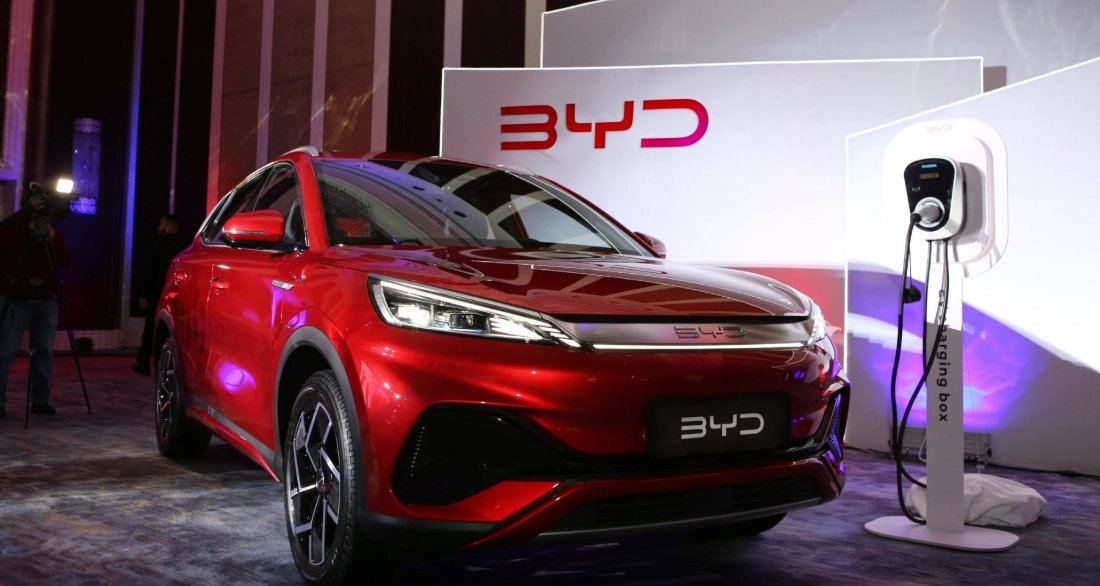
The Atto 3 is their global workhorse. It's the one you see everywhere from Bangkok to Brisbane. The ride is comfortable, the infotainment rotates between portrait and landscape (a party trick with actual utility for navigation vs. video), and it just makes sense. If you're unsure, start here.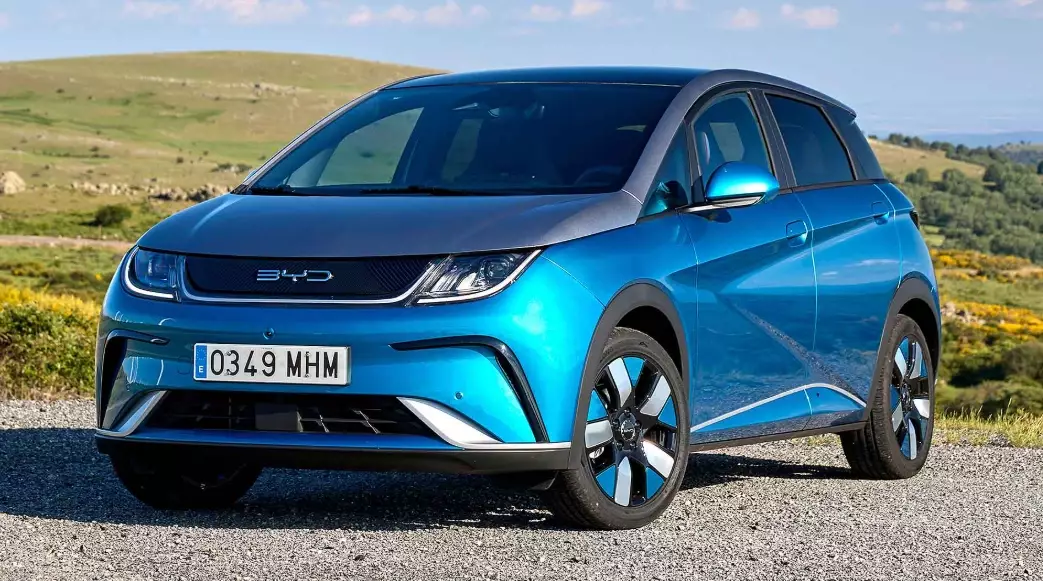
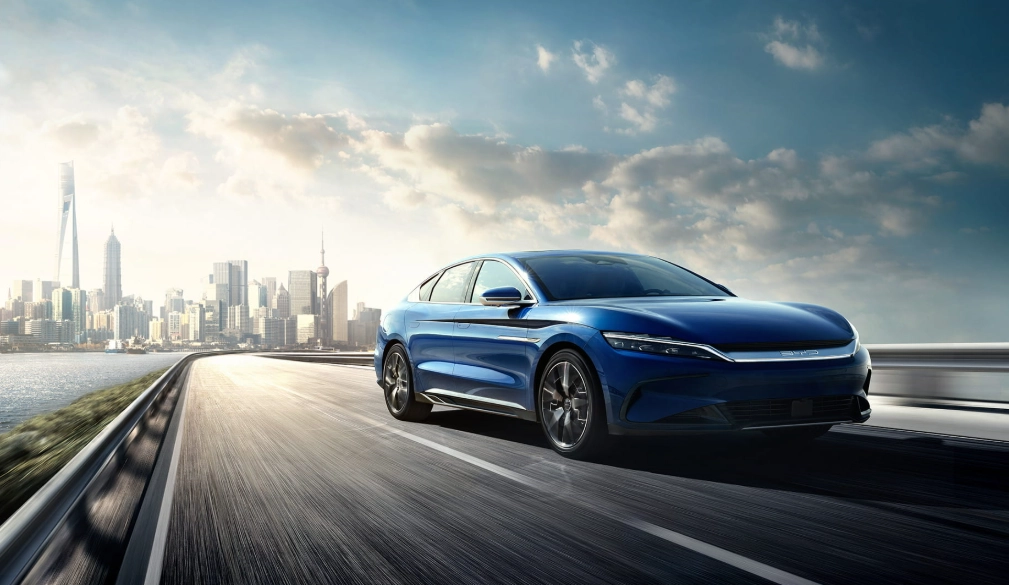
The Seal is the statement piece. The design is sleek, the performance in Dual-Motor AWD form is seriously quick (0-60 mph in 3.8 seconds), and it introduces BYD's CTB (Cell-to-Body) technology, where the battery pack is a structural part of the chassis. This supposedly improves rigidity and safety. On the road, it feels the most "premium" of the trio.
One thing most reviews miss: BYD's model naming is chaotic historically, but they're standardizing. The 'Atto' and 'Seal' names are for global markets. In some regions, you might still see the 'Yuan Plus' (which is the Atto 3) or 'Han' (a larger sedan). Always confirm the exact model name and specs for your country.
How Far Can a BYD Electric Car Really Go?
Official WLTP range figures are a starting point, not a promise. Here’s the translation for real-world conditions, based on aggregated data from owner forums and independent tests like those from Bjørn Nyland on YouTube.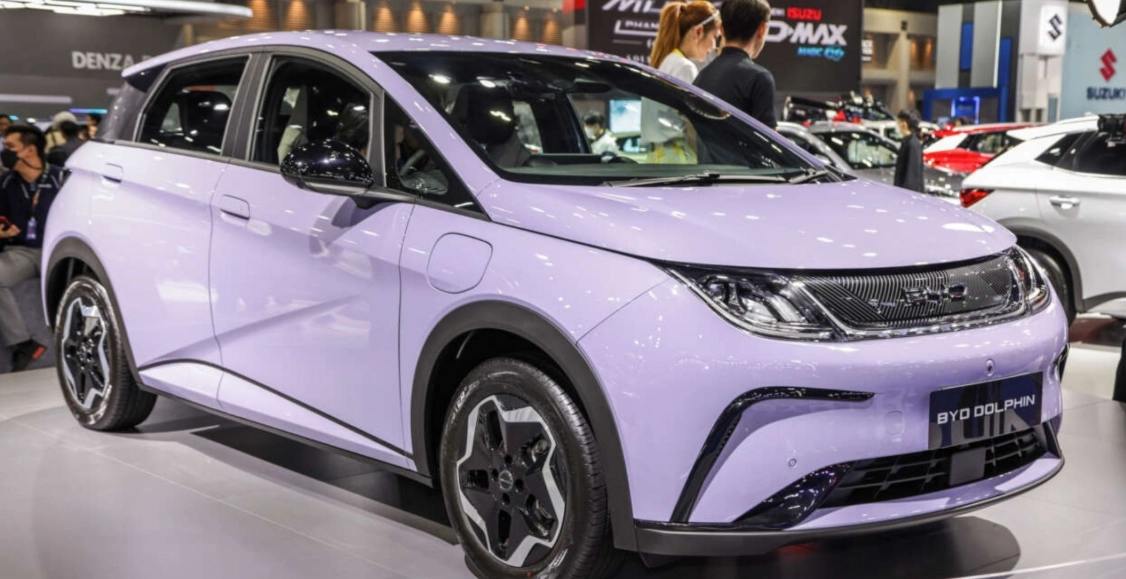
City & Mixed Driving: You can often meet or even slightly exceed the WLTP rating in mild weather with careful driving. The efficiency of the Blade Battery (LFP chemistry) and BYD's powertrains is genuinely good. The Atto 3's 260-mile (420 km) WLTP is achievable.
Highway Driving (70 mph / 110 kmh): This is where range drops. Aerodynamics take over. Expect a 15-25% reduction. That Seal with a 354-mile (570 km) WLTP rating? Plan for 265-300 miles on a long motorway stint. This is normal for any EV, but first-time buyers are rarely prepared for the gap.
Winter Impact (20°F / -7°C): Battery chemical reactions slow down. You're using the heat pump (standard on most models, thankfully). Range can drop 30-40%. Pre-conditioning the cabin while plugged in is not a luxury—it's a necessity for preserving range.
The Blade Battery: Safety vs. Cold Weather Trade-off
BYD's Blade Battery uses Lithium Iron Phosphate (LFP). Its big advantages are safety (high resistance to thermal runaway) and longevity (can handle more charge cycles). The trade-off? It's slightly more sensitive to cold weather performance compared to some NMC batteries. The latest BYD systems with integrated heat pumps mitigate this well, but it's a characteristic to be aware of if you live in a consistently cold climate.
The True Cost Breakdown: Purchase, Charging, Maintenance
BYD's core value proposition is price. They achieve this through vertical integration. Let's break down the costs.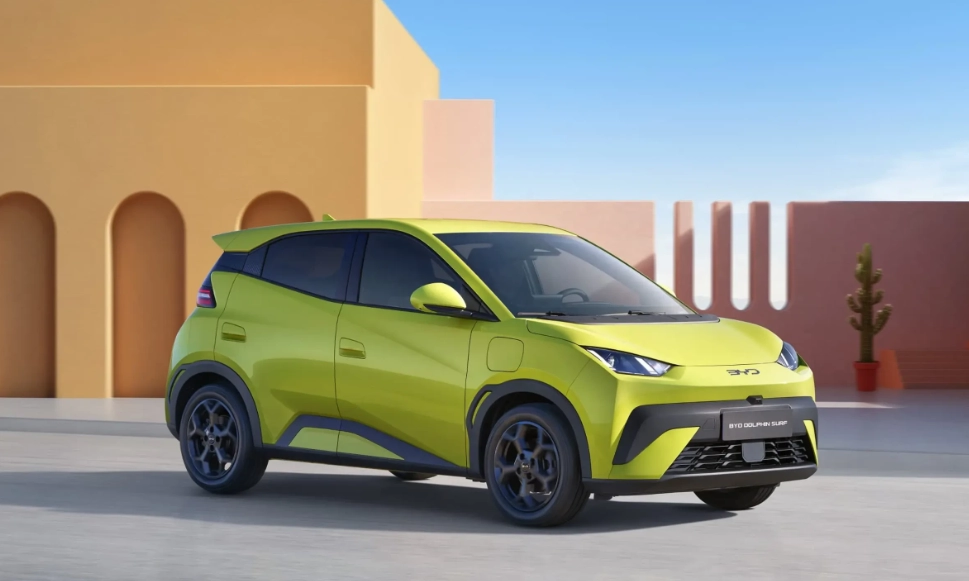
Purchase Price: Typically undercuts equivalent Tesla, Hyundai, or VW models by 10-20%. This is the main draw.
Home Charging Cost: This is where you save massively vs. gasoline. Using average EU electricity rates (~€0.25/kWh), filling a 60.5 kWh Atto 3 costs about €15.15. That gets you ~250 miles. Compare that to a petrol SUV getting 35 mpg with fuel at €1.70/litre—the same distance costs roughly €55. The math is compelling.
Maintenance: Simpler than an ICE car. No oil changes, fewer moving parts. Schedule includes tire rotations, cabin air filter changes, and brake fluid checks. Brake pads last longer due to regen braking. Annual cost should be minimal, but check the warranty booklet. Some markets require annual check-ups at a BYD dealer to keep the battery warranty valid—a potential hidden cost of ownership.
Depreciation: The big unknown. As a new brand in many markets, residual values are unproven. Early data in countries like Norway suggests they are holding value reasonably well, but not as strongly as Tesla. This is a risk factor.
Charging Reality: From Home Wallbox to Road Trips
Charging is the daily ritual. Here’s how BYD handles it.
Home Charging (AC): All models come with a standard Mode 2 portable charger (a "granny cable") for a regular outlet—painfully slow (2-3 kW). For daily use, you need a wallbox. BYD cars typically support up to 7 kW AC charging. A 7 kW wallbox will fully recharge an Atto 3 from empty in about 8.5 hours overnight. Get quotes from local installers; government grants often offset this cost.
Public Fast Charging (DC): This is crucial for road trips. Most BYD models have a max DC charging rate of 80-150 kW, depending on the variant and battery size.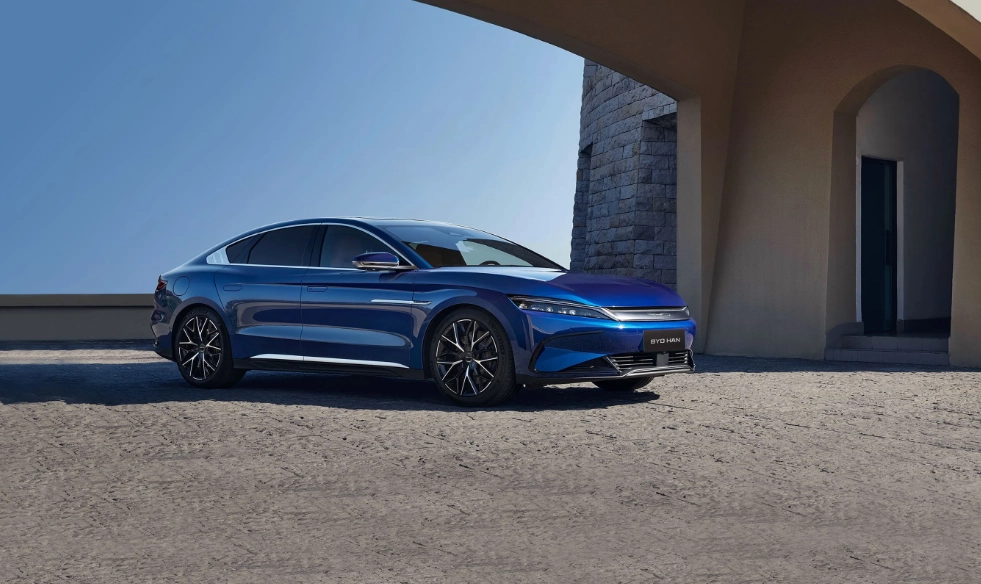
- A 150 kW charger can take a Seal from 10% to 80% in about 25-30 minutes.
- That's competitive but not class-leading (some Hyundais/Kias charge at 235+ kW).
The charging curve matters. Some tests show BYD's curve is fairly good, maintaining decent speeds up to 80%. Always use a reliable app like PlugShare to plan routes around reliable >100 kW chargers.
Behind the Wheel: Tech, Comfort & Driving Feel
Driving a BYD feels different from a European or American EV. The priorities are clear.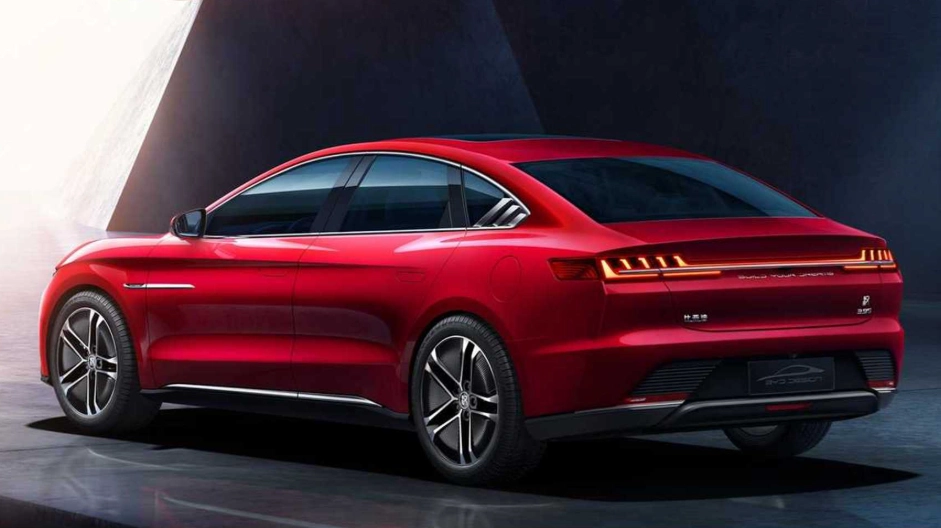
Technology & Infotainment: The screens are large and responsive. The rotating screen is fun. The software, however, can feel a bit cluttered and the voice command for English isn't as polished as Google Assistant or Siri. Apple CarPlay and Android Auto are now standard or being rolled out—a must-have for many.
Ride Comfort: This is a BYD strength. The suspension is tuned for comfort, soaking up bumps well. The Atto 3 and Seal are genuinely relaxing on long journeys. If you prioritize a plush ride over sporty handling, you'll be happy.
Driving Dynamics: Don't expect a BMW. The steering is light and a bit numb. Body roll is present in the SUVs. The Seal is the most athletic, especially in AWD form, but it's still more of a comfortable cruiser than a back-road weapon. The acceleration is smooth and linear, not violently instant like some performance EVs.
Interior Quality: A mixed bag. There are nice soft-touch materials and interesting design themes (the Atto 3's guitar-string door pockets). But you'll also find some harder, scratchier plastics in lower areas. It's well-built but doesn't have the minimalist, premium feel of a Tesla or the solidity of a Volkswagen.
The Final Verdict: Who Should (and Shouldn't) Buy a BYD EV
After all this, is a BYD electric car for you?
You should seriously consider a BYD if:
- Value is your top priority. You want the most range and features for your money.
- You prioritize a comfortable, quiet ride and practical interior space.
- You do most of your charging at home and occasional, planned road trips.
- You like the idea of a proven, safe battery technology (Blade Battery) with long life.
You might want to look elsewhere if:
- You need the absolute fastest public charging speeds for frequent long-distance travel.
- You live in a very cold climate and are anxious about winter range, without easy home charging.
- Brand prestige, cutting-edge autonomous driving, or sporty handling are critical to you.
- Your nearest BYD service center is over an hour away. Proximity matters for warranty work.
 BYD isn't a mysterious newcomer. They're a vertically integrated giant delivering competent, well-priced electric cars that excel at the basics: range, comfort, and cost of ownership. They make the electric transition feel normal and affordable, not futuristic and expensive. For a huge segment of buyers, that's exactly what's needed.