Quick Navigation
- What Exactly Is Key Fob Programming?
- DIY vs. Professional Service: Which Road Should You Take?
- The DIY Key Fob Programming Journey: What You Need to Know
- When You Absolutely Need a Professional
- Breaking Down the Real Cost of Key Fob Replacement Programming
- Your Step-by-Step Action Plan
- Frequently Asked Questions (FAQs)
Let’s be honest. That moment you realize your car key fob is lost, broken, or just decides to stop working is incredibly frustrating. You’re left staring at your car, a perfectly functional machine, rendered useless by a tiny piece of plastic and electronics. It feels almost personal. And then comes the next dreaded thought: how much is this going to cost, and can I figure it out myself?
You’re not alone in searching for answers about key fob replacement programming. It’s one of those modern car headaches that sits somewhere between a simple battery change and a major mechanical repair. The process can seem shrouded in mystery, with quotes from dealers that make you wince and online tutorials that range from brilliantly simple to hopelessly confusing.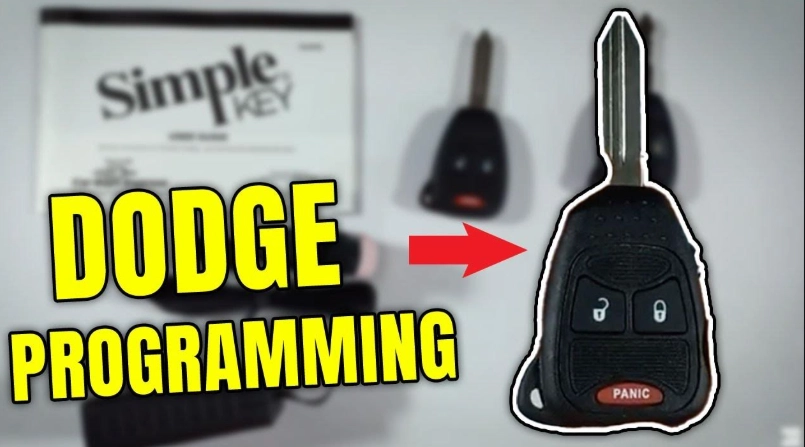
This guide is here to cut through the noise. We’re going to walk through everything you need to know about getting a new key fob programmed to your car, from the DIY methods that might save you hundreds to the times when calling a professional is the only smart move.
What Exactly Is Key Fob Programming?
Before we dive into the how-to, let's clear up the what. A key fob isn't just a fancy keychain. It's a short-range radio transmitter with a unique digital identity code. Key fob programming is the process of syncing that unique code with your car's immobilizer system and central locking computer.
Think of it like introducing two devices to each other and saying, "You two are now trusted partners." The car learns to recognize the fob's specific signal, and the fob learns how to talk to your specific car. Without this handshake, the car won't disarm the immobilizer (so the engine won't start) and won't respond to the lock/unlock commands.
This is different from just cutting a mechanical key blade. That's a purely physical process. Programming a replacement key fob is all about digital communication. The complexity of this process depends almost entirely on your car's make, model, and year.
DIY vs. Professional Service: Which Road Should You Take?
This is the big decision. Trying to program a key fob yourself can save you a significant amount of money. Handing it to a pro can save you a massive headache. There's no one-size-fits-all answer, but your car's age and technology are the biggest deciding factors.
I learned this the hard way a few years back with an old sedan. I watched a YouTube video, followed the steps (turn ignition on/off five times, press the lock button, etc.), and it worked like a charm. Felt like a genius. Then I tried the same confident approach with my wife's newer SUV. Two hours and a near-dead battery later, I was on the phone with a locksmith. The systems were just too different.
Here’s a quick breakdown to help you decide:
| Factor | DIY Programming | Professional Programming |
|---|---|---|
| Best For | Older vehicles (roughly pre-2010), many domestic brands, adding a spare fob when you have at least one working one. | Newer vehicles (especially post-2015), European luxury brands, all-key-lost situations, proximity/keyless start fobs. |
| Typical Cost | $50 - $150 (for the fob itself). Programming is "free" if you do it. | $150 - $600+ (includes fob and labor). Dealers are at the top end, locksmiths often in the middle. |
| Tools Needed | Sometimes just the existing key and the new fob. Sometimes a basic OBD-II scanner. | Advanced diagnostic software, proprietary programming interfaces, access to manufacturer databases. |
| Time Required | 10 minutes to an hour (if it works). | 30 minutes to 2 hours (usually guaranteed to work). |
| Risk Factor | Moderate to High. Can fail, potentially leaving you with a non-working fob and a need to call a pro anyway. | Very Low. Professionals guarantee their work. |
My rule of thumb?
If your car has a physical ignition switch you turn with a key (even if it's detachable from the fob), you've got a shot at DIY. If you start your car with a push button, just call a professional. The technology involved with those proximity systems is almost always beyond home mechanics.
The DIY Key Fob Programming Journey: What You Need to Know
So, you've decided to give it a go. Good for you. Let's set you up for success. First, you need the right replacement fob. This isn't always straightforward.
You can't just buy any "Ford Key Fob" on the internet. You need the exact part number for your specific model year. Sometimes this is printed on the back of your old, broken fob. If it's lost, you'll need to search by your Vehicle Identification Number (VIN). Sites that sell fobs usually have a vehicle lookup tool. Be precise. A fob for a 2015 Ford F-150 might be different from one for a 2017 F-150.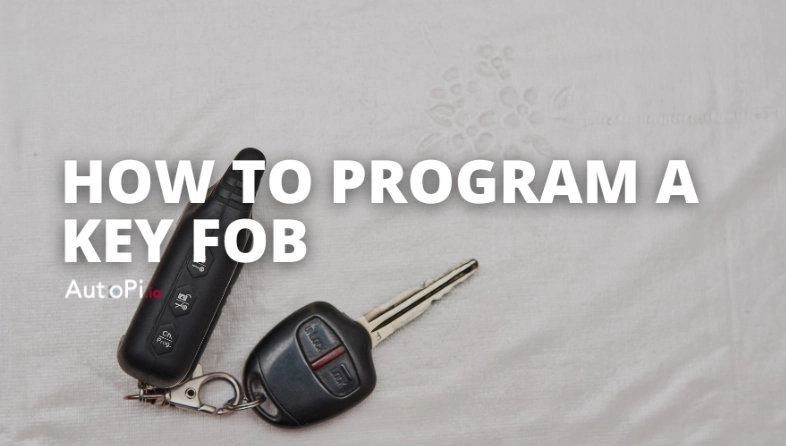
A huge tip: Buy a fob that is specifically advertised as "programmable" or "for self-programming." Some aftermarket fobs are pre-cloned and can't be reprogrammed to a new vehicle. That's a dead end before you even start.
Now, let's talk about the actual key fob programming procedures. They generally fall into a few categories. Remember, these are GENERAL concepts. You must, must, must find the exact procedure for your make, model, and year.
Common DIY Programming Method Types
The On-Board Programming Method: This is the classic "sit in the driver's seat and perform a secret handshake" method. It uses the car's own computer interface. You'll see instructions like:
"With the driver's door open and all other doors closed, insert and remove the mechanical key from the ignition six times within ten seconds..."
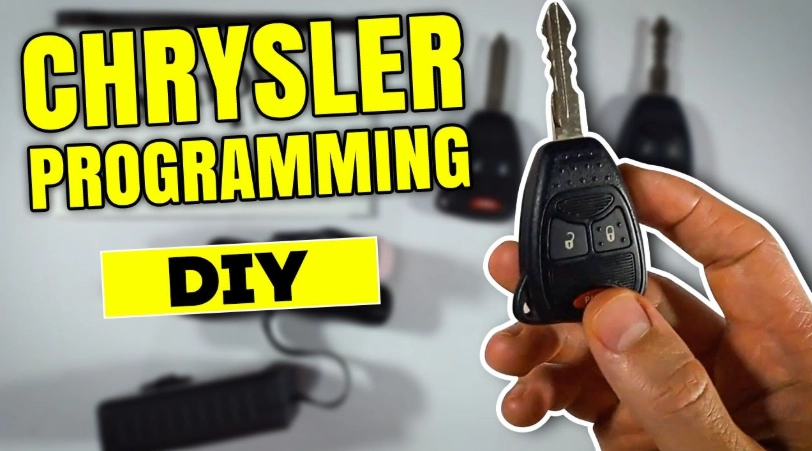
These procedures are free and require no tools. They work for many GM, Ford, Chrysler, Toyota, and Honda models from the 1990s through the late 2000s. The challenge is getting the timing and sequence exactly right. One missed beat and you start over.
The OBD-II Scanner Method: This is where you need some gear. You use a diagnostic scanner that plugs into your car's OBD-II port (under the dash near your knees). Some mid-range scanners, like certain Autel or Launch models, have "key programming" functions. The scanner guides you through the process, communicating directly with the car's modules. It's more reliable than the on-board method but requires a scanner that costs $100-$400. It's great if you're a car enthusiast who'll use it for other diagnostics.
The Clone/Method: This is only for getting a spare when you have a working original. You use a special device to copy the code from your old fob to the new one. It's simple but has a downside: if you lose the original, the clone is useless too, as you can't make a copy of a copy. It also doesn't teach the car a new code; it just duplicates an existing one.
When You Absolutely Need a Professional
Let's talk about the other side of the coin. There are times when opening your wallet is the correct first step, not the last resort.
The biggest scenario is the "all keys lost" situation. If you have zero working programmed keys for the car, the car's computer often goes into a high-security mode. It requires proof of ownership and specialized software to access the programming mode. This almost always means a trip to the dealer or a highly equipped automotive locksmith.
Newer cars with encrypted security systems (think most BMW, Mercedes, Audi, and any car with a push-button start after about 2010) also fall into this category. The replacement key fob programming for these vehicles requires accessing the manufacturer's secure server online to get a seed code. This is to prevent theft. Only authorized dealers and locksmiths with the right software subscriptions can do this. No amount of YouTube tutorials will bypass this.
Who should you call? You have two main options:
- The Dealership: They have the absolute latest software and direct access to manufacturer systems. They will get it right. They are also almost always the most expensive option. Their parts (the fob itself) are OEM and carry a premium price. I find dealer quotes are best used as a benchmark for the maximum you might pay.
- A Certified Automotive Locksmith: This is often the sweet spot. A reputable locksmith will have mobile service (they come to you), use quality aftermarket or OEM fobs, and have the necessary software for most brands. Their labor rates are lower than the dealer's. The key is finding a reputable one. Look for companies that are members of professional associations like the Associated Locksmiths of America (ALOA), which promotes standards and training. Always get a firm, all-inclusive quote over the phone before they dispatch.
Breaking Down the Real Cost of Key Fob Replacement Programming
Cost is the elephant in the room. Why does such a small thing cost so much? Let's dissect it.
The cost isn't just for the plastic shell. You're paying for:
1. The Hardware: The circuit board, the radio chip, the battery, and the key blade (if it has one). For proximity fobs, add in the expensive RFID coil and more complex electronics.
2. The Intellectual Property: The security algorithms licensed from companies like Texas Instruments or Philips.
3. The Programming Labor & Tools: The technician's expertise, their $2000+ diagnostic computer, and their annual software subscription fees that can run thousands more.
A note on insurance:
Comprehensive auto insurance sometimes covers lost key fob replacement. It's worth a call to your agent, but remember you'll have to pay your deductible, which is often higher than the cost of a single fob.
Your Step-by-Step Action Plan
Okay, you're armed with knowledge. Let's make a practical plan for tackling your key fob replacement programming project.
- Diagnose: Is it truly dead? Try the spare if you have one. Replace the battery (CR2032 is most common). Check your owner's manual for a backup method to start the car (often a physical key hidden in the fob, or holding the fob against the steering column).
- Identify: Find your exact key fob part number. Use the old fob or your VIN. Know your car's year, make, model, and trim level precisely.
- Research: Search online for "[Your Year Make Model] key fob programming procedure." Look for sources like owner forums (e.g., Ford-Trucks.com, BimmerFest), reputable DIY sites, or even the official NHTSA website for recalls or technical service bulletins that might mention key issues. Does the procedure seem like something you can follow? Is it an on-board method, or will it require a special tool?
- Source the Part: Buy the correct blank fob from a reputable online retailer, local auto parts store, or decide to get it from the professional you'll be using.
- Execute or Delegate:
- If DIY: Clear an hour of time, follow the instructions to the letter, and have a backup plan (like a locksmith's number handy) if it fails.
- If Professional: Call a dealership and 2-3 certified mobile automotive locksmiths. Get detailed, all-inclusive quotes. Ask if there are any additional fees (service call, emergency programming, etc.). - Test Thoroughly: Once programmed, test every function: lock, unlock, panic, trunk release, and remote start if applicable. Test it from different distances. Make sure it starts the car reliably several times.
Frequently Asked Questions (FAQs)
Let's tackle some of the specific questions buzzing in your head right now.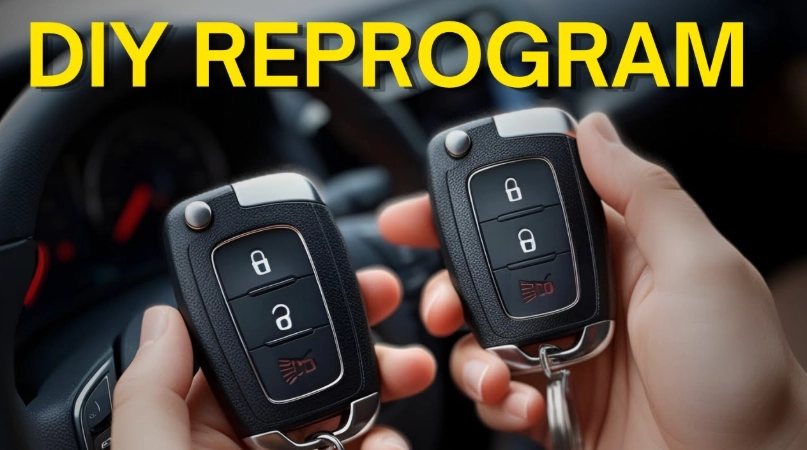
Look, dealing with a broken or lost key fob is a pain. There's no sugar-coating it. But it doesn't have to be a financial disaster or an unsolvable mystery. For older cars, a bit of research and patience might save you a bundle. For newer tech-packed vehicles, knowing when to call in a certified expert is the real wisdom, saving you time and potential costly errors.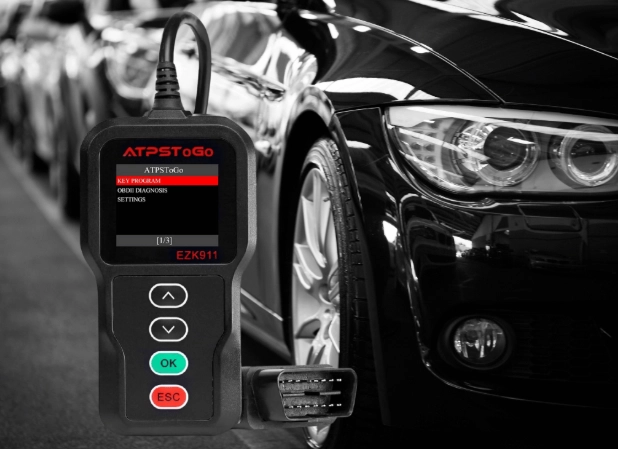
The goal of key fob replacement programming is simple: get you back on the road, securely and reliably. Whether you do it yourself with a well-researched plan or hire a pro with the right credentials, understanding the process puts you in control. You can now make an informed decision, ask the right questions, and avoid getting taken for a ride on the price.
Go dig out that owner's manual and start with your VIN. You've got this.