Let's cut to the chase. You're here because you got a quote for an oil change, tire rotation, or maybe a brake job, and the number made you wince. Is that normal? Are you getting ripped off? Figuring out how much you should pay for car maintenance feels like trying to read a map in a foreign language. The short answer is: it depends wildly. But the useful answer, the one that helps you budget and avoid getting fleeced, is what we're diving into today.
What's Inside
The Real Cost of Common Car Maintenance Services
Forget the vague "a few hundred a year" advice. You need concrete numbers. Here's a breakdown of what common services actually cost at different types of shops, based on aggregated data from repair platforms and industry reports. These are national averages; your local market may vary.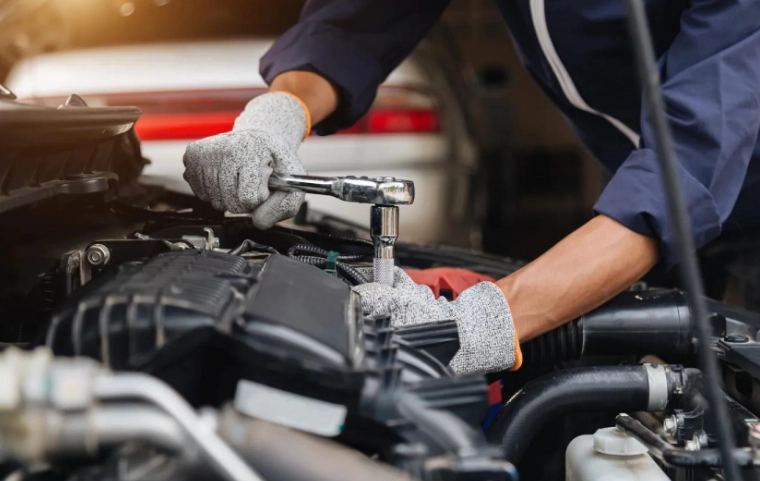
| Service | Independent Shop (Avg. Cost) | Dealership (Avg. Cost) | Quick-Lube Chain (Avg. Cost) | Notes & What You're Paying For |
|---|---|---|---|---|
| Conventional Oil Change | $40 - $70 | $60 - $100 | $35 - $60 | Oil, filter, labor. The baseline. Synthetic will add $30-$50. |
| Full Synthetic Oil Change | $70 - $120 | $90 - $150 | $65 - $110 | Higher-quality oil, better for modern engines and longer intervals. |
| Tire Rotation & Balance | $40 - $80 | $60 - $120 | $30 - $60 (rotation only) | Labor-intensive. Balancing ensures a smooth ride and even wear. |
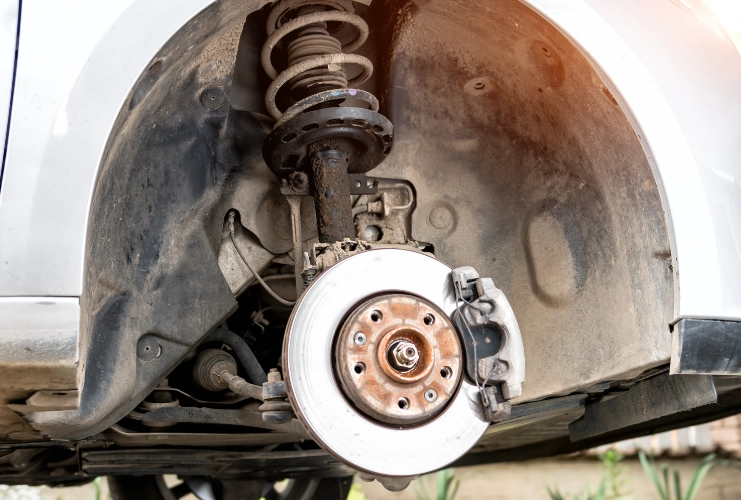
| Brake Pad Replacement (Per Axle) | $150 - $300 | $250 - $450 | Often not offered | Pads, labor, possible hardware/caliper service. Rotor replacement doubles cost. |
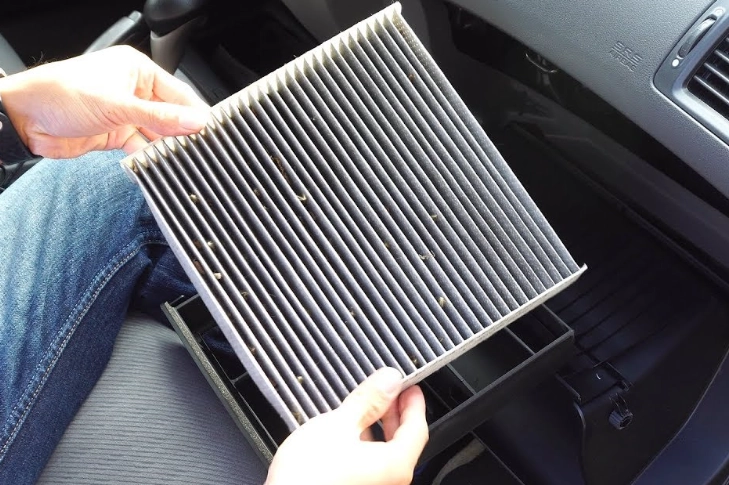
| Cabin Air Filter Replacement | $50 - $80 | $80 - $120 | $40 - $70 | A classic upsell. The part costs $15-$30; it's 5 minutes of labor if you know where it is. |
| Engine Air Filter Replacement | $30 - $60 | $50 - $90 | $25 - $50 | Similar to cabin filter. Very high DIY potential for massive savings. |
| Major Service (60k/90k mi) | $400 - $800 | $600 - $1200+ | Not offered | Fluid flushes (transmission, coolant), spark plugs, extensive inspections. Price varies hugely by car. |
Look at that cabin air filter line. That's your first lesson. The markup on simple parts with easy access is astronomical. I once paid $85 at a dealership for a filter I later found online for $18. The mechanic's time was valuable, sure, but that stung.
The Annual Reality Check
So, what's the yearly damage? According to the American Automobile Association (AAA), the average annual cost to maintain and repair a vehicle is around $792 to $1,182, depending on the vehicle type and age. That's for everything—oil changes, tires, unexpected repairs. For a new car under warranty, you might only pay for basics, maybe $500 a year. For a 10-year-old sedan, budgeting $1,200-$1,500 is smarter. It's not a monthly bill, but when it hits, it hits hard.
What Drives Your Car Maintenance Bill Up or Down?
Your neighbor's Honda Civic costs pennies. Your German luxury sedan eats hundred-dollar bills for breakfast. Why?
1. Your Car's Make, Model, and Age
This is the biggest factor. A Toyota Corolla or Honda Civic is famously cheap to maintain. Parts are plentiful and mechanics know them inside out. A BMW, Audi, or Mercedes-Benz? The parts are more expensive, often require specialty tools, and labor times can be longer. A study by YourMechanic showed that over a decade, a BMW 328i can cost nearly double the maintenance of a Honda Accord. Older cars generally cost more as components wear out, but simpler, pre-2010 models can be cheaper to fix than newer cars packed with sensors.
2. Where You Get the Work Done
The dealership isn't always the villain, and the independent shop isn't always the hero.
- Dealership: Highest labor rates. They use OEM (Original Equipment Manufacturer) parts and have brand-specific expertise. Crucial for complex warranty or recall work. Often overkill for an oil change.
- Independent Mechanic: Usually 20-40% cheaper on labor. Can use quality aftermarket parts. Relationship matters here—a good one is worth their weight in gold.
- National Chains (Firestone, Pep Boys): Competitive on standard services like tires and oil. Convenience is key. Upselling can be aggressive.
- DIY: Cost of parts only. The ultimate savings, but requires time, tools, and a tolerance for getting dirty.
3. The Type of Parts Used
OEM parts come from the car's maker. Aftermarket parts are made by a third party. There's a spectrum of quality in aftermarket parts, from junk that fails quickly to parts that meet or exceed OEM standards. A trusted mechanic will know the difference. For critical safety items like brakes, I lean towards premium aftermarket or OEM. For a cabin air filter, the $15 one is fine.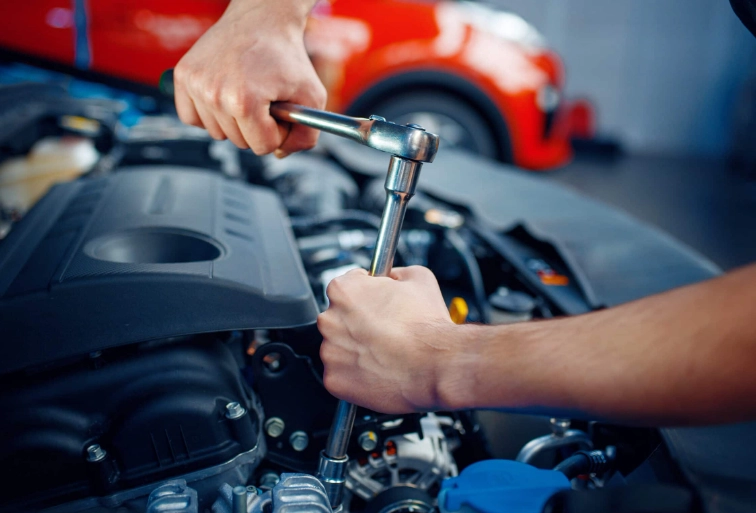
Proven Ways to Slash Your Maintenance Expenses
You don't have to just accept the bill. Here's how to fight back, from easy wins to strategic moves.
Become a Smarter Consumer
Never walk into a shop cold. Use resources like RepairPal or the National Institute for Automotive Service Excellence (ASE) website to find certified shops and get fair price estimates for your specific car and zip code. Get at least two quotes. When they hand you the estimate, ask questions. "Can you show me the worn part?" "Is this repair urgent, or can it wait a month?" "Do you offer a warranty on parts and labor?" A good shop will explain, not pressure.
Master the Preventative Mindset
This is the non-consensus gold. Most people think maintenance is just following the manual's schedule. It's more. It's listening to your car. A slight new vibration, a faint squeak when braking, a coolant level that's slowly dropping—catching these early stops a $200 fix from becoming a $2,000 catastrophe. Check your tire pressure monthly. Look at your engine oil color and level. Glance at the coolant reservoir. This takes 5 minutes and saves thousands.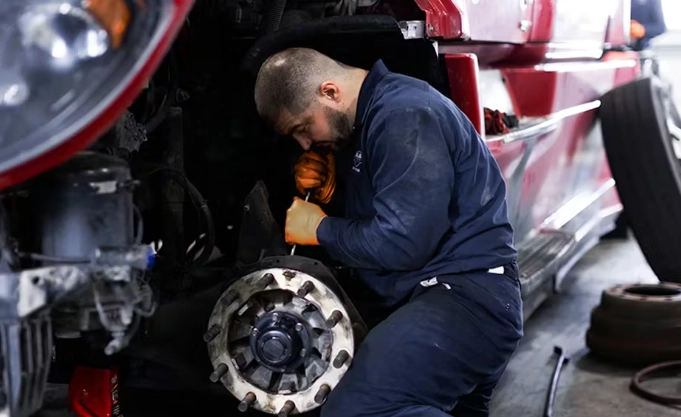
Choose Your DIY Battles
You don't need to rebuild an engine. Start with the high-markup, low-skill items. Replacing cabin and engine air filters is easier than assembling IKEA furniture. Changing wiper blades? A 30-second job. Topping up windshield washer fluid? Please don't pay someone for that. For oil changes, it's more about disposal hassle than difficulty. Each of these saves you $50-$100 in labor for minutes of work.
Consider a Maintenance Plan or Extended Warranty (Carefully)
For new cars, a prepaid maintenance plan can lock in today's prices for oil changes and tire rotations. Do the math—if you plan to keep the car long-term and drive a lot, it might break even. Extended warranties are trickier and often not worth it for reliable brands. For an older European car you love, a reputable third-party warranty from a company like CARCHEX might provide peace of mind, but read the fine print like your financial future depends on it.
Your Car Maintenance Cost Questions, Answered
Figuring out car maintenance costs isn't about finding one magic number. It's about understanding the landscape—what services cost, what influences those prices, and how you can navigate them intelligently. Build a relationship with a good local mechanic, do the simple stuff yourself, and save proactively for the bigger hits. Your wallet (and your car) will thank you for miles to come.