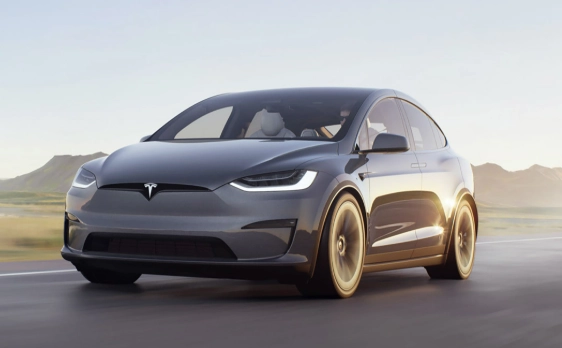
Let's cut to the chase. Tesla's Model S and Model X refresh (or "Palladium" as some insiders called it) wasn't just a new coat of paint. It was a fundamental rethink of Tesla's flagship sedan and SUV. If you're standing between these two, your choice boils down to one thing: are you a speed-obsessed driver who wants the ultimate performance machine, or do you need a tech-laden family hauler that doesn't compromise on thrills? The Model S leans hard into the former, the Model X masters the latter. I've spent considerable time with both, and the differences go much deeper than doors and seating.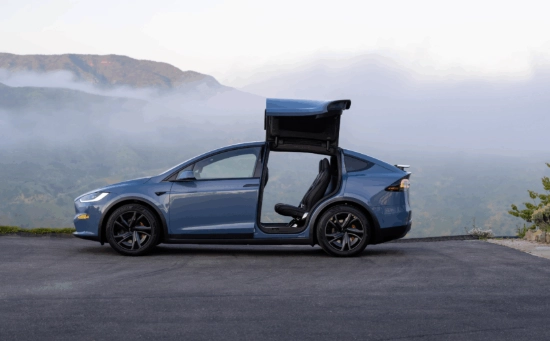
What You'll Find Inside
Exterior Design: Subtle But Significant
At a glance, both cars look like their pre-refresh selves. Look closer. The bumpers are cleaner, the trim is blacked out for a more uniform look, and new wheel designs (like the fantastic Arachnids on the S) reduce drag. The Model X's signature Falcon Wing doors remain, a party trick that's surprisingly useful in tight parking spots with kids, but adds complexity.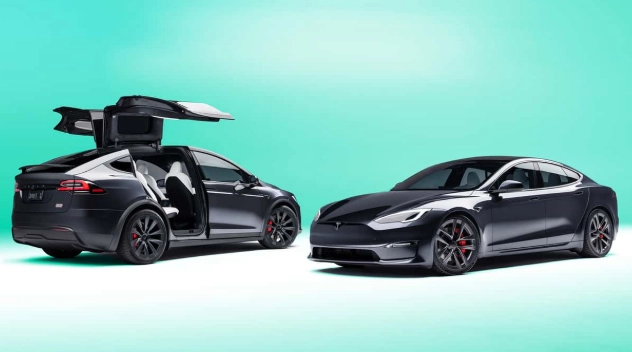
The Model S has a lower, sleeker profile. It whispers "performance." The Model X is taller, more commanding. Its higher roofline isn't just for show—it's the key to that airy cabin and optional third row. A detail most miss: the door handles. The Model S retains its sleek, flush handles. The Model X, due to its larger doors, has more traditional (but still electrically presenting) handles. It's a small nod to the X's more utilitarian role.
The Interior Revolution: Yoke, Screen, & Build
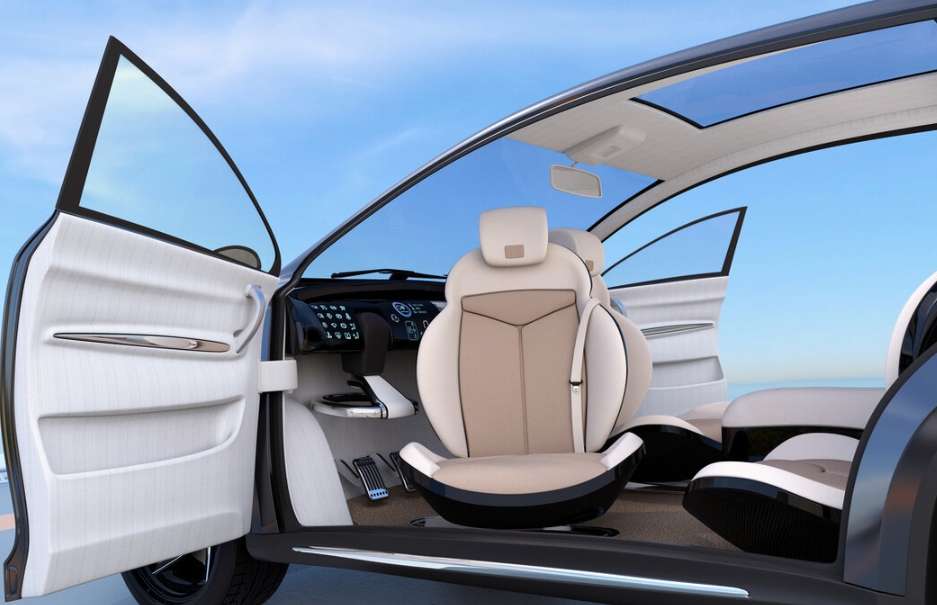
This is where the refresh truly happened. Gone is the vertical screen. In its place is a 17-inch, landscape-oriented, ultra-responsive touchscreen that rotates left and right for driver or passenger access. It's brilliant. The graphics are sharp, the processing power (thanks to gaming-level hardware) is insane, and it centralizes almost every control.
The Yoke Controversy: Let's talk about the elephant in the room. The optional yoke steering wheel. It looks futuristic. In practice, it's a mixed bag. On the highway and during spirited driving, it's fantastic—unobstructed views of the instrument cluster. For tight parking maneuvers, three-point turns, or any low-speed situation requiring hand-over-hand steering, it's awkward. You adapt, but it's never as intuitive as a wheel. Tesla now offers a round steering wheel option, which I recommend for most people unless you're committed to the futuristic aesthetic and are a very confident driver.
Build quality took a noticeable step up. Materials feel more premium, with better leather alternatives, more aluminum trim, and tighter panel gaps. The Model X's panoramic windshield is still a showstopper, offering a view that makes every drive feel more open. However, that giant glass roof can make the cabin hot in direct summer sun, despite the tint.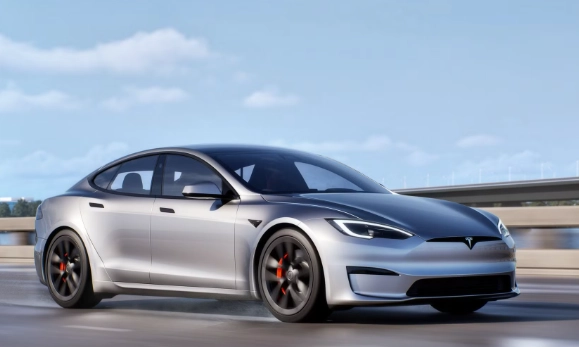
Performance & Range: Plaid Power vs. Practical Miles
Here's the raw data. The Plaid variants are in a different universe of speed.
| Model & Trim | 0-60 mph | Top Speed | EPA Range (Est.) | Key Note |
|---|---|---|---|---|
| Tesla Model S Long Range | 3.1s | 155 mph | 405 mi | The sweet spot for most. Blistering speed, max range. |
| Tesla Model S Plaid | 1.99s* | 200 mph | 396 mi | Mind-altering acceleration. Not just for tracks. |
| Tesla Model X Long Range | 3.8s | 155 mph | 348 mi | Shockingly quick for a 3-row SUV. |
| Tesla Model X Plaid | 2.5s | 163 mph | 333 mi | The fastest production SUV ever. A physics defier. |
*With rollout subtracted. It feels violent.
The Model S Plaid's acceleration isn't just fast; it's a physical event. Your vision tunnels. It's addictive but almost unusable on public roads. The Model X Plaid feels even more surreal because of its mass. The range figures are crucial. The Model S consistently achieves its EPA estimates or exceeds them with careful driving. The Model X, being heavier and less aerodynamic, often comes in slightly under its EPA rating, especially with larger wheels or in cold weather. If max range between charges is a top priority, the Model S Long Range is the undisputed champion.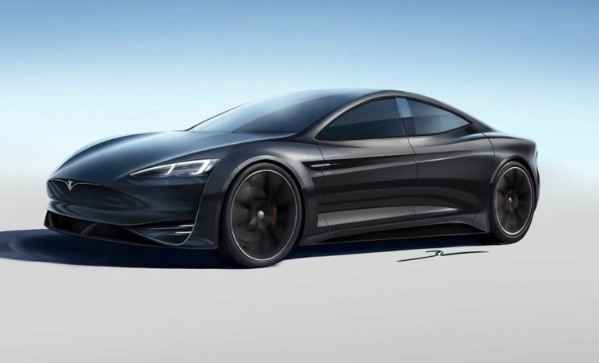
Handling and Drive Dynamics
The Model S is a scalpel. Lower center of gravity, sharper steering response (even with the yoke), and a planted feel through corners. It's a proper grand tourer that can embarrass supercars. The Model X handles remarkably well for its size, but you're always aware it's a tall, heavy vehicle. The air suspension does a great job minimizing body roll, but it can't defy physics. For a daily driver on twisty roads, the S is more engaging.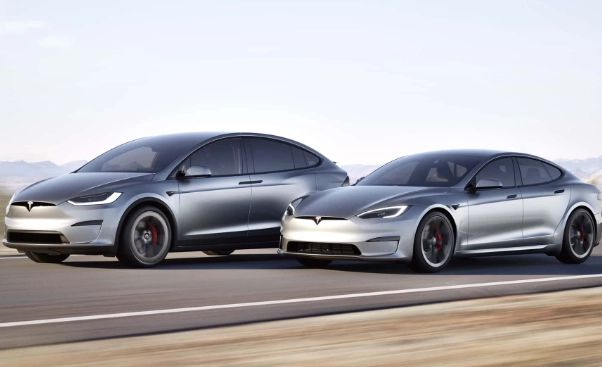
Practicality for Daily Life
This is the deciding factor for 80% of buyers.
Cargo Space: The Model X wins, hands down. With the third row folded (or if you opt for the 5-seater), you have a cavernous, square-shaped rear cargo area, plus the deep front trunk (frunk). The Falcon Wing doors make loading bulky items in the second row easier. The Model S has a large trunk (hatchback style) and a decent frunk, but it's shaped for luggage and groceries, not furniture.
Passenger Space: Model X, again. The six-seat configuration with center console is the most popular and feels the most luxurious. The third row is usable by adults for short trips and perfect for kids. Access to the third row is easy with the Falcon Wings and sliding second-row seats. The Model S is a comfortable five-seater with excellent rear legroom, but that's it. No third-row option.
Daily Usability Quirks: The Model X's doors require overhead clearance. They won't open in a low garage. The Model S is simpler, more conventional. The X's higher ride height is easier for entry and exit, especially for older passengers. The S's lower stance is sportier but requires more of a "drop in" motion.
Pricing & Configuration: Where the Real Decision Lies
As of this writing, there's a significant price gap. The Model X commands a premium of roughly $15,000-$20,000 over the equivalent Model S trim. You're paying for the larger battery, more complex door system, air suspension as standard, and the extra sheet metal.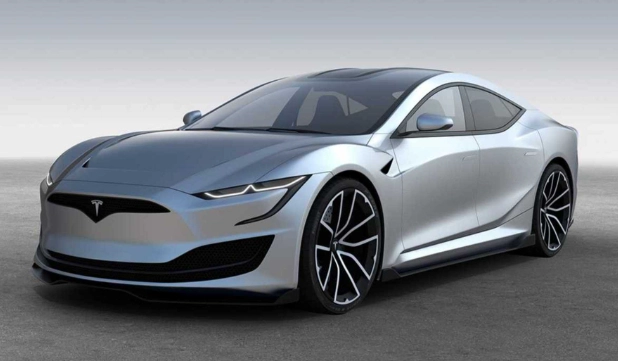
My configuration advice? Avoid ticking every box. The larger wheels look great but hit range. The yoke is a $1,000 style choice with functional trade-offs. For the Model X, the six-seat layout is worth the premium for most families. For the Model S, the Long Range model offers 95% of the Plaid's thrill for real-world driving at a much lower price, and with more range.
Consider your charging setup. Both charge at the same blistering 250kW+ peak on a V3 Supercharger, adding about 200 miles in 15 minutes. At home, a 48-amp Wall Connector will fill either overnight.
Your Questions, Answered