Quick Navigation
- Why This Matters: More Than Just Getting Moving
- The Universal Diagnostic Flowchart: What to Check First
- The Usual Suspects: Top Reasons Your Car Won't Start
- A Methodical Approach: How to Diagnose Your No-Start Car
- Fixes & Solutions: What Can You Actually Do Yourself?
- Prevention: How to Avoid the "Car Won't Start" Nightmare
- Your Questions, Answered (The FAQ)
- Wrapping It Up: Your Action Plan
That moment. You turn the key, or push the button, and... nothing. Maybe it's a sad click. Maybe it's a slow, labored crank that just gives up. Or maybe it's complete silence. Your stomach sinks. A car that won't start is more than an inconvenience; it's a day-ruiner, a schedule-wrecker, and a source of genuine stress. I've been there more times than I care to admit, from my first beater car to more modern vehicles that decided to be moody.
Let's be real. Most of us aren't master mechanics. The goal here isn't to turn you into one overnight. It's to give you a clear, logical, and safe process to understand why your car won't start and what your realistic options are. This guide will walk you through diagnosing the problem like a pro, even if you've never popped the hood before. We'll move from the simplest, most common fixes to the more complex issues, so you can tackle what you're comfortable with and know when it's time to call for backup.
Why This Matters: More Than Just Getting Moving
Figuring out why your car is not starting isn't just about getting to work on time. It's about safety, saving money, and avoiding getting ripped off. If you can tell a tow truck driver or mechanic "I think it's the starter because it just clicks," you're already in a much better position. You sound informed. You're less likely to be sold unnecessary repairs.
Knowing the basics can also prevent you from causing further damage. Trying to jump-start a car with a completely dead cell in the battery can be risky. Cranking a flooded engine endlessly just kills the battery. A little knowledge is a powerful (and cost-saving) thing.
The Universal Diagnostic Flowchart: What to Check First
Before we dive into the nitty-gritty of each system, let's look at the big picture. Your car needs three things to start and run: Spark, Fuel, and Compression. For the initial "crank/no-crank" dilemma, we focus on the systems that provide the power to turn the engine over. I find this table incredibly helpful to match your car's specific symptoms to the likely culprit.
| What Happens When You Try to Start? | Most Likely Culprits (In Order) | Quick Check |
|---|---|---|
| Nothing. No lights, no dash, no sound. | 1. Dead Battery (Terminals/Connection) 2. Blown Main Fuse 3. Ignition Switch Failure |
Turn on headlights. If they don't work, it's a severe power issue. |
| A rapid clicking sound, but engine doesn't turn. | 1. Weak/Dead Battery 2. Poor Battery Connections |
This is the classic "dead battery" sound. Jump-start is first attempt. |
| One solid "CLUNK" or single click, then nothing. | 1. Starter Motor/Solenoid 2. Engine Seized (rare) |
Listen near the engine bay for the click. If lights dim, starter is trying but failing. |
| Engine cranks slowly and labored, but won't fire. | 1. Weak Battery 2. Poor Ground Connection 3. Starter Dragging |
"Rrrr... rrrr... rrrr" sound. Often battery-related even if lights seem okay. |
| Engine cranks at normal speed, but never starts. | 1. Fuel Delivery (Pump, Filter) 2. Ignition (Spark Plugs, Coils) 3. Security/Immobilizer Issue |
This is the "it spins but won't catch" scenario. We've moved past battery/starter issues. |
See where your situation fits? Good. Now let's unpack each of these major problem areas in detail.
The Usual Suspects: Top Reasons Your Car Won't Start
1. Battery Problems (The #1 Cause)
It's almost always the battery. Seriously. Batteries die for so many reasons: age (they last 3-5 years), leaving a light on, extreme cold, or just a slow internal failure. A modern car's battery isn't just for starting; it powers a dozen computers that never fully sleep. A weak battery might still power your dashboard lights but fail when asked for the massive current needed by the starter motor.
Don't just look at the battery. Check the terminals. Are they covered in a blue-green, crusty corrosion? That stuff is an insulator. It prevents good electrical contact. I once spent an hour trying to jump-start a car only to find the negative terminal was so corroded it wasn't making contact. A quick scrub with a wire brush (baking soda and water helps neutralize acid) fixed it instantly. Clean, tight connections are crucial.
For deeper technical info on battery technology and maintenance, the U.S. Department of Energy's resource on vehicle batteries provides excellent background on how they work and evolve.
2. Starter Motor Failure
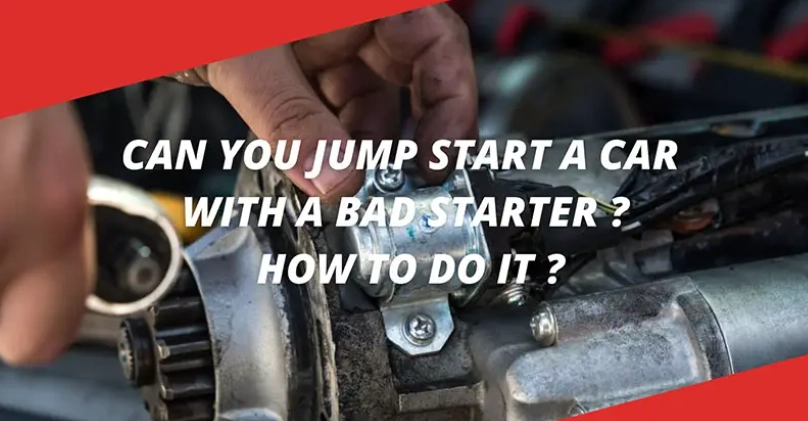
If your battery is strong and connections are clean, but you get that single, sad "clunk" or click when you turn the key, the starter motor is suspect. The starter is a high-torque electric motor that physically engages and spins the engine. Its solenoid (the part that goes "click") can fail, or the motor itself can wear out.
A classic test? Have a helper turn the key while you listen near the starter (usually low on the engine, near where it meets the transmission). If you hear a distinct click from that area but no cranking, the solenoid is likely engaging but the motor isn't spinning. Sometimes, giving the starter body a few firm taps with a hammer or metal tool can jostle a stuck brush or armature free long enough to start once—a sure sign it needs replacing. It's a temporary, get-you-to-the-shop fix, not a solution.
3. Alternator Issues (The Sneaky Culprit)
The alternator doesn't usually cause a car not to start directly. Its job is to charge the battery while the engine is running. A failing alternator is the reason your car won't start the next time. It slowly drains the battery as you drive, leaving you with enough juice to get home but not enough to start again later. If you jump-start, drive for 20 minutes, turn the car off, and it immediately won't start again, the alternator is prime suspect #1. Your battery light on the dash is the main clue while driving.
4. Fuel Delivery Problems
This is for cars that crank perfectly fine but refuse to fire up. The engine is spinning, but it's not getting fuel. The most common offender is the fuel pump. When you first turn the key to "ON" (before cranking), you should hear a faint humming or whirring sound from the rear of the car (where the fuel tank is) for 2-3 seconds. That's the fuel pump priming the system. No sound? Could be a dead pump, a blown fuse, or a bad relay.
Fuel filters get clogged over time, especially in older cars. A clogged filter starves the engine. A bad fuel pressure regulator can also cause issues. Diagnosing these requires more tools, like a fuel pressure gauge, which many DIYers don't have.
5. Ignition System Failures
Again, for cars that crank but don't start. No spark = no combustion. In older cars with distributors, a failed ignition coil or control module was common. In modern cars, individual coil packs or a crank position sensor failure can leave you stranded. Spark plugs themselves rarely fail catastrophically to cause a no-start, but if they're 100,000 miles overdue, it's possible.
6. The Dreaded Security/Immobilizer Issue
This one drives people nuts because everything seems fine. The car cranks healthily but acts like it's getting no fuel or spark. Often, a little security light on the dash will flash rapidly. The car's computer doesn't recognize your key. Maybe the key fob battery is dead (in keyless systems), the transponder chip in the key is damaged, or the antenna around the ignition barrel is faulty. Try your spare key if you have one. It's a simple fix that gets overlooked in the panic.
A Methodical Approach: How to Diagnose Your No-Start Car
Okay, enough theory. Let's get our hands dirty (metaphorically, at first). Here’s a layered approach. Start with Layer 1. If that doesn't reveal the issue, move to Layer 2.
Layer 1: The 60-Second Safety & Sense Check
- Is it in Park? (Or Neutral) Sounds dumb, but automatics need to be in Park or Neutral with the brake pressed. Manuals need the clutch depressed. Safety interlocks can fail, but check the obvious first.
- Listen and Look: Turn the key to "ON" (not start). Do all dashboard lights illuminate normally? Now try to start. What is the exact sound? Match it to the table above.
- Battery Connection Visual Check: Pop the hood. Look at the battery terminals. Are they tight and free of major corrosion?
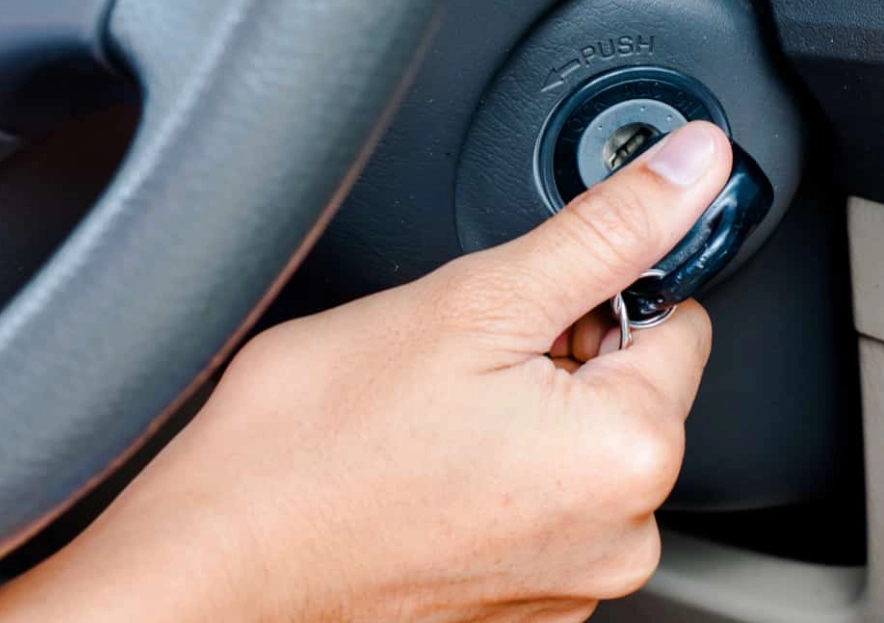
Layer 2: The "I Have Jumper Cables" Test
If you have cables and a willing donor vehicle (or a portable jump starter), this is your next step for any slow-crank or click scenario.
- Connect positive (RED) to the dead battery's positive terminal.
- Connect the other positive to the donor battery's positive.
- Connect negative (BLACK) to the donor battery's negative.
- Important: Connect the final negative clamp to a bare, unpainted metal surface on the dead car's engine block or frame, not the negative terminal. This avoids sparks near the battery.
- Start the donor car, let it run for a few minutes.
- Try to start the dead car.
Result A: It starts immediately. Your battery was dead. Drive for at least 30 minutes to recharge it. If it dies again soon, your alternator is likely bad.
Result B: It still just clicks or cranks slowly. This points to a bad starter or horrific battery connections (even jumping can't overcome them).
Result C: It cranks fast and healthy but still won't fire. You've now eliminated the battery/starter as the problem. The issue is fuel, spark, or security.
Layer 3: The "Let's Get Technical" Checks (For Cranks-But-No-Start)
If your car cranks fine but won't start, we need to check for spark and fuel. This requires a bit more confidence.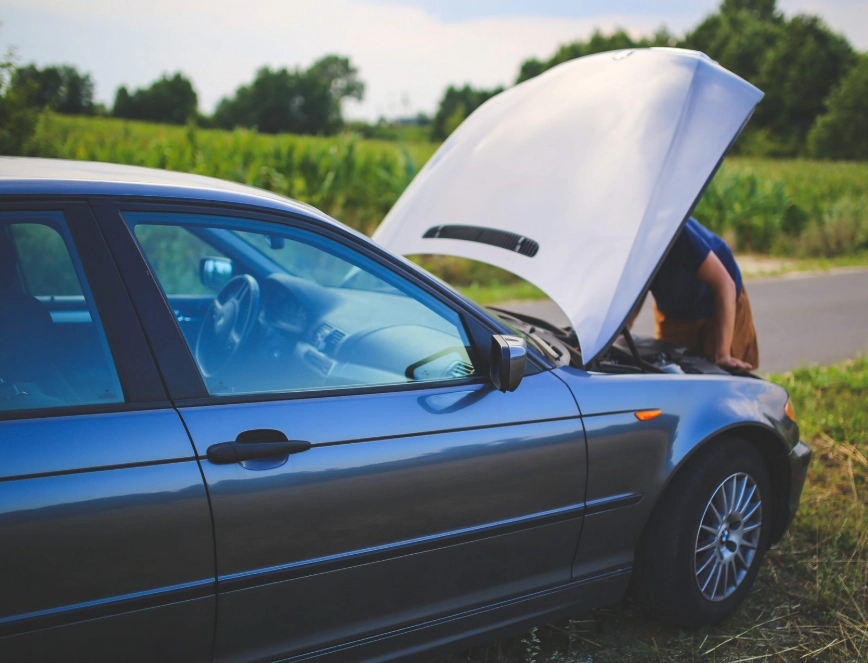
Checking for Spark (Carefully!): Remove one spark plug wire (or ignition coil). Insert an old spark plug or a dedicated spark tester into the boot/coil. Have a helper crank the engine while you hold the tester against a metal engine part (to ground it). You should see a bright blue spark jump the gap. No spark? Problem is in the ignition system (coil, module, sensor).
Checking for Fuel (The Smell Test): After trying to start, remove the air intake tube near the throttle body. Have a look inside while a helper briefly cranks. You should smell a strong gasoline odor and possibly see a fine mist. Be cautious. No smell? Fuel delivery issue.
You can also listen for the fuel pump prime when you turn the key to ON, as mentioned earlier.
Fixes & Solutions: What Can You Actually Do Yourself?
Let's be honest. Not everyone wants to or should replace a starter motor in a parking lot. Here’s a realistic breakdown.
DIY-Friendly Fixes:
- Jump-Starting: As outlined above. A core skill.
- Cleaning Battery Terminals: Wire brush, some baking soda/water mix, and wrench to loosen/tighten.
- Replacing a Battery: Straightforward. Remember: Negative off first, on last. Match the group size and CCA (Cold Cranking Amps) rating.
- Replacing Fuses & Relays: Locate your fuse box(es). The cover usually has a diagram. Swap the fuel pump or ignition relay with an identical one from another system (like the horn) to test. Fuses are cheap and easy to check visually.
- Replacing a Key Fob Battery: Sometimes it's that simple.
Call-a-Pro Situations:
- Starter Motor Replacement: Often buried and requires getting under the car. Can be tough.
- Fuel Pump Replacement: Involves dropping the fuel tank or accessing it under the rear seat. Fuel lines are involved. Best left to pros.
- Alternator Replacement: Usually accessible but involves drive belts and precise tensioning.
- Any electrical diagnosis that requires a scan tool or multimeter beyond basic checks.
For official safety recalls or technical service bulletins related to starting problems on specific models, checking the National Highway Traffic Safety Administration (NHTSA) recalls website is a wise move. You might find a known issue with your vehicle.
Prevention: How to Avoid the "Car Won't Start" Nightmare
An ounce of prevention, right?
- Test Your Battery: Most auto parts stores test batteries and charging systems for free. Do it once a year, especially before winter.
- Keep Terminals Clean: A little dab of petroleum jelly on clean terminals prevents corrosion.
- Address Small Problems: If you notice a slight hesitation before starting, get it checked. It's a warning sign.
- Use Your Car: Short trips don't allow the battery to fully recharge. Take a longer drive weekly.
- Invest in a Battery Tender/Maintainer: If you don't drive often, this $30 device keeps the battery perfectly charged.
- Know Your Car's Service Intervals: Replace fuel filters, spark plugs, and other wear items as recommended. The Society of Automotive Engineers (SAE) (SAE International) sets many of the standards manufacturers follow for these intervals.
Your Questions, Answered (The FAQ)
Wrapping It Up: Your Action Plan
So your car won't start. Take a breath. Don't spiral into thinking you need a new engine.
First, listen. Match the sound to our chart.
Second, check the simple stuff. Battery connections, fuses, make sure it's in Park.
Third, try a jump-start. This rules in or out the battery/charging system for most issues.
Fourth, based on the results, decide if it's a DIY fix (battery, terminals, relay) or a job for a tow truck and a professional (starter, fuel pump, complex electrical).
The feeling of diagnosing and fixing a simple cause for your car not starting is incredibly satisfying. And even if you end up needing a mechanic, walking in with a solid idea of the problem puts you in control and can save you a bundle. Stay calm, be methodical, and remember—it's almost never as bad as it seems in that first moment of panic.
Drive safe (once you get started, that is).