That dreaded feeling when your car won't shift, makes a horrible grinding noise, or just refuses to move. You know it's the transmission. And you know it's expensive. The immediate question that hits you, usually while waiting for the tow truck, is a simple one with a very complicated answer: is it worth fixing a broken transmission?
The short, unsatisfying answer is: it depends. It's not just about the repair bill versus your car's value. It's a financial, practical, and sometimes emotional calculation that involves your car's history, your future plans, and the current state of the used car market. Getting this decision wrong can cost you thousands. I've seen it happen. A friend poured $4,500 into rebuilding the transmission on his 14-year-old SUV, only to have the engine give out six months later. He was back to square one, but $4,500 poorer.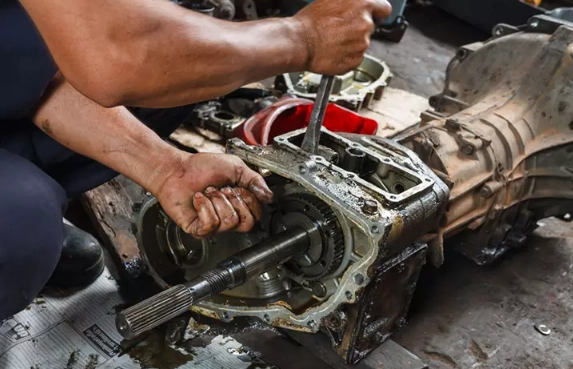
Let's cut through the panic and the generic advice. We're going to break down exactly how to make this call, step by step.
What's in This Guide?
- What Exactly Does a Transmission Do? (And Why It Fails)
- How Much Does Transmission Repair Cost? The Real Numbers
- The 5 Key Factors That Decide "Fix It or Ditch It"
- What Are the Alternatives to Repairing a Transmission?
- The Shop Talk: Insider Tips You Won't Get from a Google Search
- Your Transmission Repair Questions, Answered
What Exactly Does a Transmission Do? (And Why It Fails)
Think of the transmission as the middleman between your engine and your wheels. The engine spins fast, but your wheels need different amounts of power for different speeds. The transmission's job is to manage that power delivery through a series of gears. An automatic transmission does this with a complex dance of hydraulic pressure, clutches, bands, and a torque converter. A manual uses a clutch and a gear stick you operate.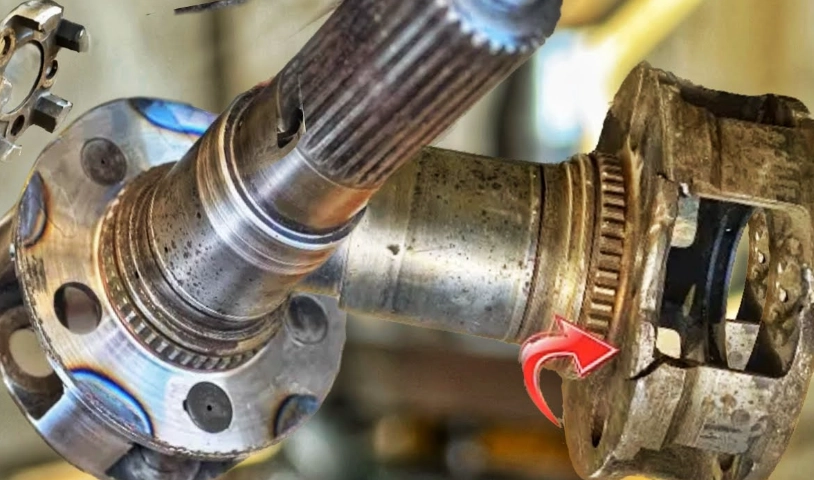
They fail for predictable reasons. Lack of maintenance is the big one. That transmission fluid isn't just lubricant; it's the hydraulic lifeblood of an automatic. When it breaks down over time (usually past 60,000-100,000 miles if never changed), it can't protect the delicate internal parts. Heat is the enemy. Towing heavy loads, aggressive driving, and stop-and-go traffic all generate excess heat that cooks the fluid. For manuals, it's often the clutch wearing out or synchronizers failing, which is usually a more straightforward (and cheaper) fix than an automatic overhaul.
The symptoms are hard to ignore: slipping gears, delayed engagement (you hit the gas and there's a pause before it moves), grinding or whining noises, leaking red fluid, or the check engine light coming on with transmission-related codes.
How Much Does Transmission Repair Cost? The Real Numbers
Talking averages is useless. A repair on a common Honda Civic is a world apart from one on a European luxury SUV. Let's get specific. These are ballpark figures for parts and labor at an independent shop, not a dealership. Dealerships can be 30-50% higher.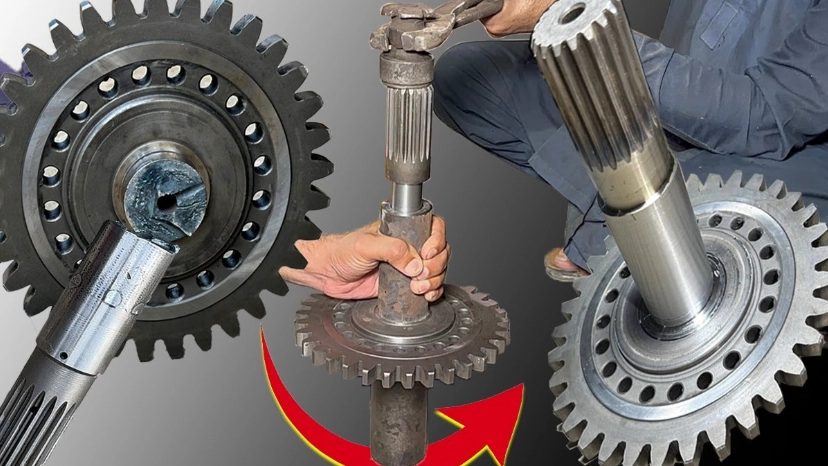
| Repair Type | Typical Cost Range | What It Means & Good For |
|---|---|---|
| Minor Fix (e.g., Solenoid, Sensor, Seal) | $500 - $1,500 | You got lucky. This is often an electronic or external component failure. If diagnosed correctly, this is almost always worth doing. |
| Rebuild (Overhaul) | $2,500 - $4,500 | The most common "big" repair. The transmission is removed, disassembled, worn parts replaced (clutches, seals, bands), and reassembled. Quality varies wildly based on the shop's warranty and parts used. |
| Replacement (Remanufactured Unit) | $3,000 - $6,000+ | A unit rebuilt to higher standards by a specialist company (like Jasper or AAMCO), often with a better nationwide warranty (3 years/100k miles is common). Less labor risk for the shop. |
| Replacement (Used/Junkyard Unit) | $1,500 - $3,500 | A gamble. You're installing a transmission with unknown history. Labor costs are similar to a rebuild. Only consider if the car is low-value and you plan to sell it soon. |
Here's the non-consensus part everyone misses: the diagnostic fee. A good shop will charge $150-$250 for a proper diagnosis. They should test drive it, check for codes, and likely perform a pressure test. A shop that gives you a "ballpark" over the phone without seeing the car is a red flag. Pay the diagnostic fee. It's the best money you'll spend, even if you decide not to repair, because it tells you exactly what you're dealing with.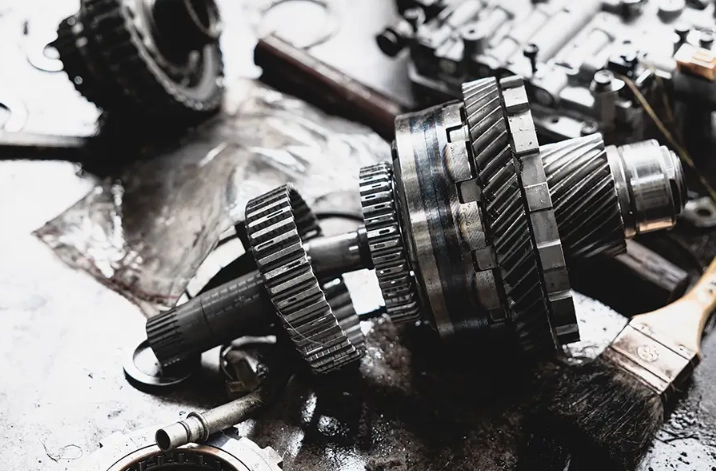
The 5 Key Factors That Decide "Fix It or Ditch It"
Forget the 50% rule as a hard line. It's a starting point. You need to weigh these five things.
1. The Car's Overall Health and Your History With It
Is this a well-maintained, rust-free car you've owned for years? You know its service history. The engine is strong, the suspension is decent, the interior is holding up. A transmission repair might give it another 5-7 years of reliable service. That's a great return on a $4,000 investment compared to a new car payment.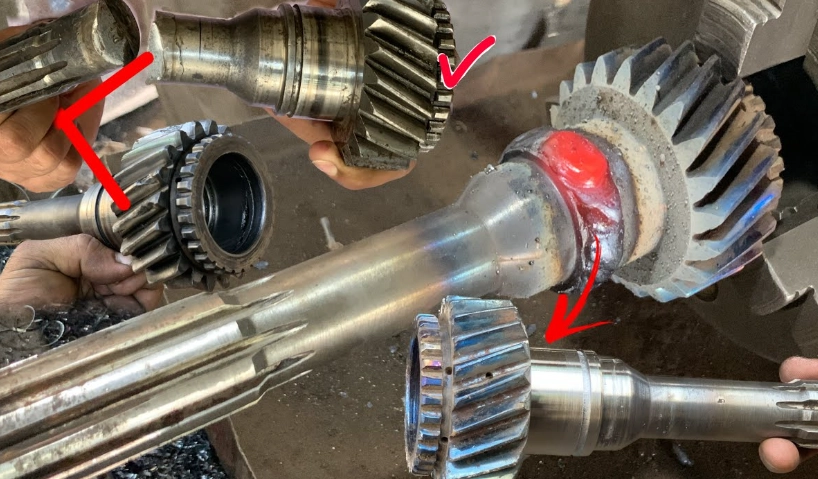
Conversely, if it's burning oil, the check engine light is always on for other reasons, and the undercarriage looks like Swiss cheese, you're fixing the crown jewel on a sinking ship. Walk away.
2. The Current Nightmare of the Used Car Market
This is the biggest factor today that old guides ignore. As of now, used car prices, while down from peak COVID insanity, are still historically high. According to data from sources like Consumer Reports and iSeeCars.com, a 3-5 year old used car still commands a significant premium. This changes the math. Spending $4,000 to keep a paid-off car you know might suddenly look brilliant compared to taking on a $25,000 loan for a comparable used vehicle with its own unknown history.
3. The Specific Failure and Warranty
A rebuilt transmission from a reputable shop should come with a solid warranty, often 2-3 years/unlimited miles. That's huge peace of mind. A used transmission might have 90 days. If the failure is a known, common issue for your model (some Nissan CVTs, older Ford Focus DCTs), research if there's a class-action lawsuit or extended warranty program. Sometimes the manufacturer will offer goodwill assistance, especially if you're near the mileage limit of a technical service bulletin.
4. Your Financial Reality and Mobility Needs
Can you afford the repair in cash, or would you need to finance it? Can you be without the car for 3-5 days? Do you have a backup vehicle? The stress and logistics of being without transportation have a real cost. Sometimes, fixing the devil you know is less disruptive than shopping for, financing, and insuring a new devil you don't.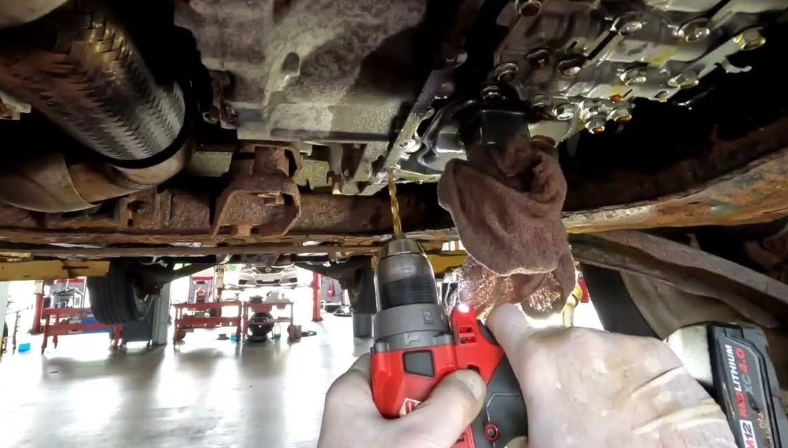
5. Emotional Attachment and Future Plans
Be honest about it. Is this your grandpa's old truck? Your first new car you've driven for 15 years? That has value. If you plan to drive the car for many more years, repair often wins. If you were already thinking of upgrading in the next year, a major repair is a terrible investment. Use this crisis as the push you needed.
What Are the Alternatives to Repairing a Transmission?
Fixing it isn't the only path. You have options, each with pros and cons.
Selling the Car As-Is: You can sell it to a junkyard, on Craigslist, or to a service like Peddle or Carvana's non-running vehicle program. You'll get scrap value (maybe $500-$1,500). It's quick and ends the headache, but it's the lowest financial return.
Trading It In: A dealership will take it in non-running condition, but they'll deduct the full cost of the repair (and then some) from your trade-in value. It can simplify the process of getting into another car, but you're not getting a good deal. Negotiate the price of the new car first, then mention the trade-in.
Donating It: You get a tax deduction. The logistics are handled for you. This only makes sense if you itemize deductions and the deduction is worth more than the scrap value.
The Shop Talk: Insider Tips You Won't Get from a Google Search
After talking to mechanics for years, here's what they wish customers knew.
Get a second opinion, but be smart about it. Don't just go to another chain shop. Find a highly-rated, independent transmission specialty shop. Their diagnosis and quote are often more accurate than a general mechanic's.
The warranty is everything. A 12-month/12,000-mile warranty is standard. A 3-year/100,000-mile warranty is excellent and shows the shop stands behind their work. Read the fine print: is it parts and labor? Is it transferable if you sell the car?
Ask about the "core". Your old transmission has value as a rebuildable core. A reputable rebuilder will often refund you a core charge ($300-$500) when they get your old unit. Make sure this is reflected in the quote.
Beware the "too good to be true" quote. A quote thousands below everyone else's means they're using the cheapest possible parts (often from overseas) or planning a "quick fix" that won't last. You get what you pay for.
Your Transmission Repair Questions, Answered
So, is it worth fixing a broken transmission? There's no universal answer, but now you have the framework to find yours. Ignore the simple formulas. Weigh the real costs against the tangible value of a known, paid-off vehicle in today's market. Get a precise diagnosis, scrutinize the warranty, and be brutally honest about your car's overall condition and your own plans. Sometimes, the most economical path forward is to invest in the repair. Other times, it's to cut your losses. The right choice is the one that brings you the most financial and practical peace of mind.