That little orange engine light just popped on. Or maybe you hear a new rattle, a squeak, or the car just feels… off. Your first thought? "How much is this going to cost?" followed closely by, "Is there a way to figure this out myself before I get a huge bill?" The good news is, yes, you absolutely can diagnose many car problems for free. I've been fixing my own cars for over a decade, and the single biggest money-saver wasn't a fancy tool, but learning how to systematically identify issues before panic sets in. This guide will walk you through every legitimate free method, from simple five-minute checks to leveraging technology and store services that most people don't fully utilize.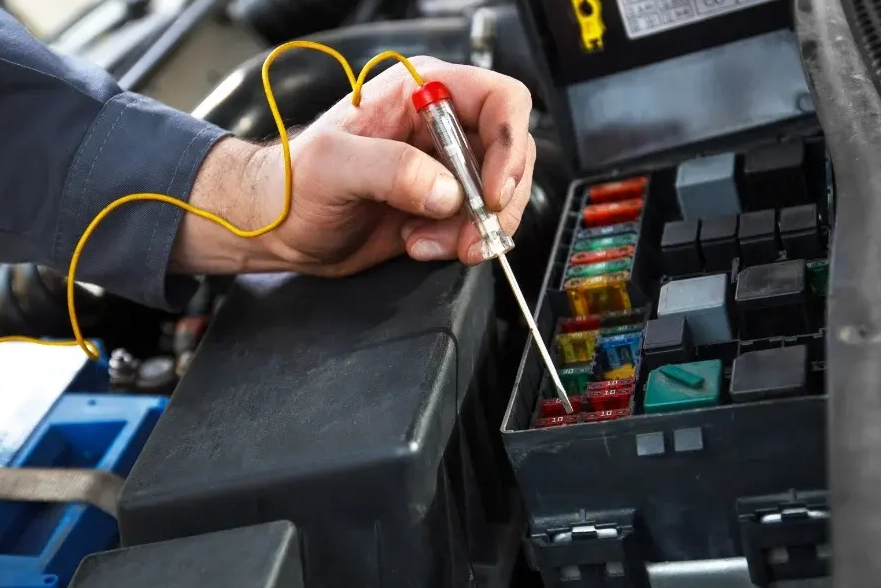
What's Inside This Guide
The 4 Proven Free Car Diagnosis Methods
Forget the shady online "diagnostic tools" that ask for your credit card. Real free diagnosis falls into four clear categories, each with its own strengths and limits.
| Method | What It's Best For | Cost | Skill Level Needed | Key Limitation |
|---|---|---|---|---|
| Basic Visual & Sensory Inspection | Obvious leaks, worn tires/belts, low fluids, strange noises/smells. | Free | Beginner | Can't read internal computer codes. |
| OBD2 Scanner via Loaner Tool / Library | Reading Check Engine Light codes (P0xxx, P1xxx). Understanding emission-related faults. | Free (deposit often required) | Beginner to Intermediate | Code is just a clue, not a definitive repair instruction. |
| Smartphone OBD2 Apps with Bluetooth Adapter | Live data reading, graphing sensor values, clearing codes. More advanced than basic code readers. | Adapter cost ($20-$50), many apps have free tiers. | Intermediate | Requires a small upfront investment for the Bluetooth adapter. |
| Auto Parts Store Free Scan Service | Getting a printout of trouble codes if you have no tools. Quick second opinion. | Free | Beginner | Employee knowledge varies. They cannot (and should not) give complex repair advice. |
The biggest mistake I see? People jump straight to Method 4 (the auto parts store) without trying Method 1. You'd be shocked how many "mystery problems" are solved by a glance under the hood or a listen at the wheels.
How to Diagnose Your Car for Free: A Step-by-Step Guide
Follow this sequence. It's the same logical flow a good mechanic uses, but without the labor rate clock ticking.
Step 1: The Pre-Check: Gather Information
Before you touch anything, be a detective. When does the problem happen? Only when cold? Only when turning? Write down the exact symptoms. "Check Engine Light on, car feels fine" is different from "Check Engine Light flashing, car shaking badly." A flashing Check Engine Light means an active misfire that can damage the catalytic converter—pull over safely if you can. This context is crucial for any free diagnosis.
Step 2: The Thorough Visual & Sensory Inspection
Park on a flat, clean surface (like your driveway). Let the engine cool if it was just running.
Under the Hood:
- Fluids: Check engine oil (level and color – is it milky?), coolant (level in the overflow tank), brake fluid, power steering fluid. Look for puddles or wet spots underneath the car and on engine components. A green puddle is coolant. A red puddle might be transmission or power steering fluid. Dark brown/black is usually oil.
- Belts and Hoses: Look for cracks, fraying, or excessive glazing on the serpentine belt. Squeeze the larger coolant hoses – they should be firm, not mushy or rock-hard.
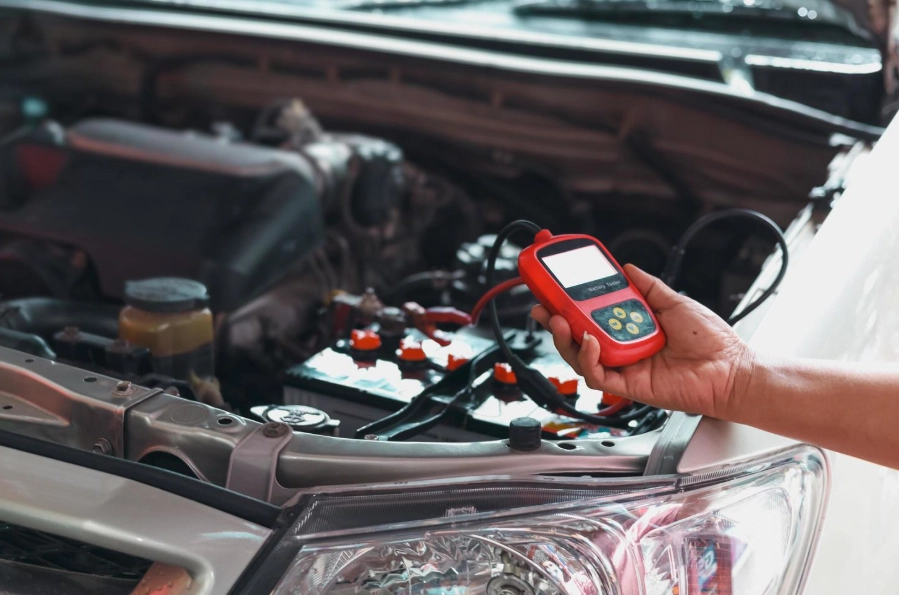
- Battery: Check for corrosion (white/green crust) on the terminals. A bloated battery case is a bad sign.
Around the Car:
- Tires: Uneven wear on the edges suggests alignment issues. Bulges or deep cuts are safety hazards. Check tire pressure with a gauge (many gas stations have free air, and the gauge is often built-in).
- Lights: Have someone help you check brake lights, turn signals, and headlights. A surprising number of warning lights on the dash can be triggered by a simple blown brake light bulb.
Use Your Ears and Nose:
A high-pitched squeal when starting the car often points to a worn serpentine belt. A rhythmic clunking from a wheel could be a bad CV joint. A rotten egg smell usually means a failing catalytic converter. Burning oil smells acrid and sharp. Write this stuff down.
Step 3: Accessing the Computer's Brain: The OBD2 Port
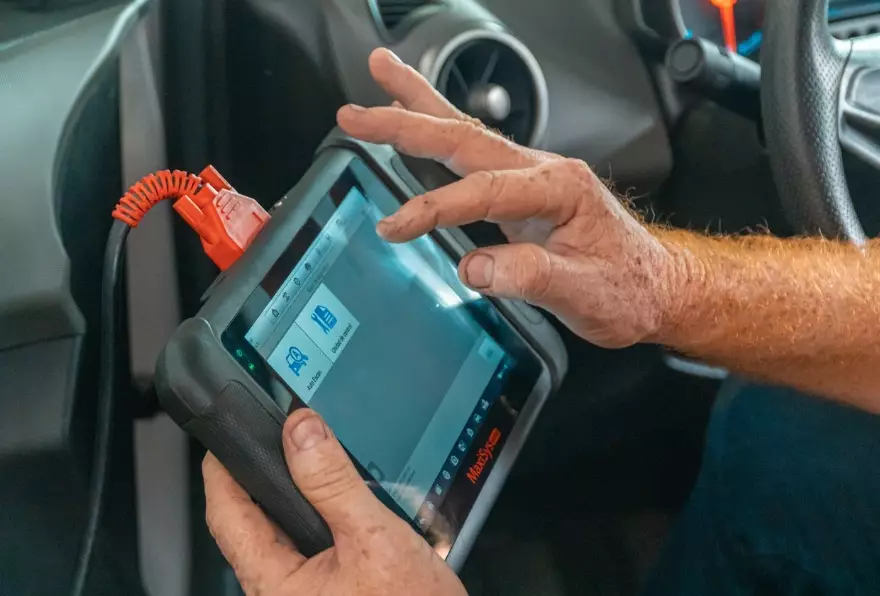
If the Check Engine Light is on, you need to talk to the car's computer. Every car made since 1996 has a standardized On-Board Diagnostics II (OBD2) port. It's usually under the dashboard near the driver's knees. This is your gateway to free diagnostic trouble codes (DTCs).
Using OBD2 Scanners & Smartphone Apps for Free Codes
You don't need to buy a $500 professional scanner. Here are the truly free and low-cost paths.
The Library/Store Loaner Route: Many public libraries now loan out basic OBD2 code readers, just like books. Call yours. Auto parts stores like AutoZone, Advance Auto Parts, and O'Reilly Auto Parts have a "loan-a-tool" program. You pay a fully refundable deposit (e.g., $150), borrow their scanner, use it in the parking lot, and get your deposit back when you return it. They'll usually print the codes for you.
The Smartphone App Path (My Personal Go-To): This is where you get more power for almost no money. Buy a basic ELM327 Bluetooth OBD2 adapter on Amazon (around $20-$30). Plug it into your car's port. Pair it with your phone. Then use a free app like Torque Lite (Android) or a similar free OBD2 app for iOS. These apps do more than just read codes—they show you live data.
This is huge. You can see if your oxygen sensors are cycling properly, watch the engine coolant temperature rise, check the calculated engine load, and monitor fuel trim. A code might say "System Too Lean (Bank 1)." Live data can show you a fuel trim stuck at +25%, pointing to a vacuum leak or dirty fuel injector. The free version of these apps is often all a DIYer needs.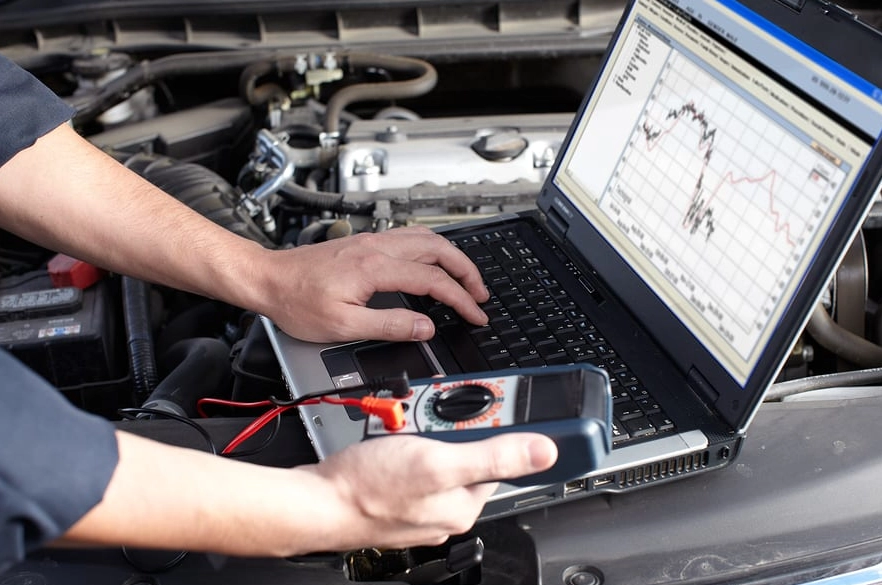
Navigating Free Diagnostic Services at Auto Parts Stores
Stores like AutoZone offer a free scan service. It's useful, but you need to manage your expectations.
How it works: You drive in. An employee comes out with a handheld scanner. They plug it in, read the codes, and give you a printout. They might offer a generic explanation like "P0420 – Catalyst System Efficiency Below Threshold."
The crucial advice most guides won't give you: The employee is not a mechanic. They are a parts salesperson. Their primary goal is to sell you the part associated with the code (in the P0420 example, a catalytic converter). However, P0420 could also be caused by a bad oxygen sensor, an exhaust leak, or even a misfiring engine. Accept the code printout gratefully, but do not immediately buy the part they suggest. Thank them, go home, and research that specific code alongside your visual inspection notes. The U.S. Environmental Protection Agency's website has resources on OBD2, and forums specific to your car model are gold mines for diagnosis.
Free Diagnosis for Common Car Problem Scenarios
Let's apply this to real-world sounds and warnings.
Scenario: "My car is shaking at idle." First, visual check: are the engine mounts visibly broken or collapsed? Open the hood, have someone start the car while in park. Does the engine jump excessively? Next, use your OBD2 scanner/app. Are there any misfire codes (P0300-P0308)? If yes, which cylinder? A simple test: with the engine running, carefully (use insulated pliers) disconnect one spark plug wire at a time (or one coil pack connector on newer cars). If the shaking gets worse when you disconnect a particular cylinder, that cylinder was working. If the shaking doesn't change, you've found the dead cylinder. Free diagnosis points to ignition (spark plug, coil) or fuel (injector) on that specific cylinder.
Scenario: "My battery light is on." Visual check first: Corroded terminals? Loose belt? Start the car, listen for that whining noise from the alternator area. If you have a smartphone OBD2 app, you can check live data for "charging voltage." It should be 13.8V – 14.4V with the engine running. If it's 12.6V or below, your alternator isn't charging. Free diagnosis complete.
Scenario: "My brakes are squealing." This is almost entirely visual. Look at the brake pads through the spokes of your wheel. Most pads have a small metal tab called a wear indicator. When the pad material gets low, this tab contacts the rotor, causing a high-pitched squeal. If you see lots of pad material left, the squeal might just be dust or glazing. No scanner needed.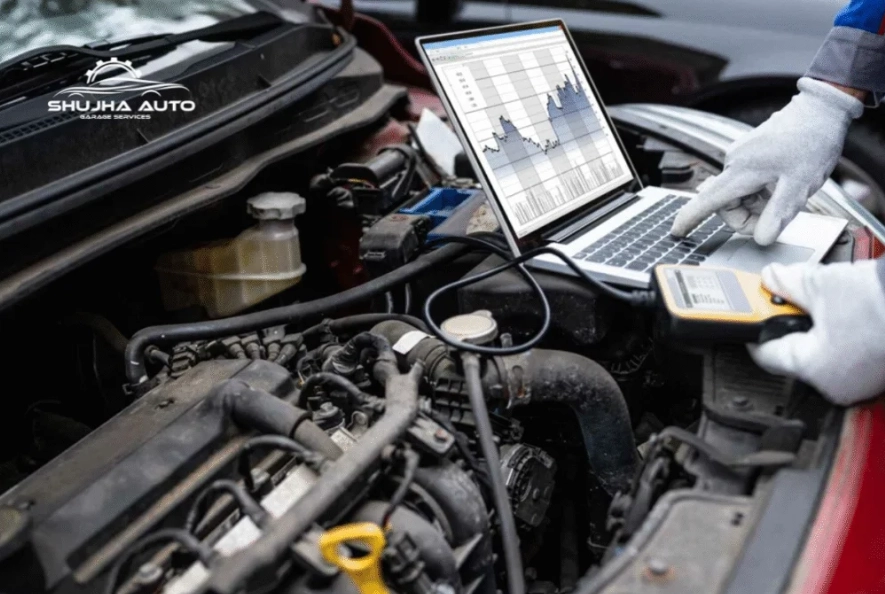
Your Free Car Diagnosis Questions Answered
My check engine light is on but the car drives perfectly. Should I still try to diagnose it for free?
Absolutely. A steady light for a non-critical fault (like an evaporative emissions leak from a loose gas cap) won't affect drivability but will cause you to fail an emissions test. A free scan can tell you if it's a $10 gas cap fix versus something more serious. Ignoring it can sometimes let a small problem cascade.
I used a free scanner at the auto parts store and got a code for a bad oxygen sensor. Should I just replace it?
Pump the brakes. An oxygen sensor code rarely means the sensor itself is the root cause. The sensor is reporting a problem in the air/fuel mixture. It could be a dirty air filter, a vacuum leak, a failing fuel injector, or even a bad catalytic converter. The sensor is the messenger. Use your free diagnosis as a starting point to investigate why the sensor is reading out of range. Replacing it first is the most common DIY money-waster I see.
Are there any reliable websites to interpret the codes I get for free?
Yes, but be strategic. The website of the Society of Automotive Engineers (SAE), which standardized the OBD2 system, is a good technical resource. For practical, car-specific advice, go to forums dedicated to your make (e.g., Toyota Nation, Ford Truck Enthusiasts). Search your exact code and symptoms. You'll find threads where people have already done the diagnostic legwork. YouTube can also be excellent—search "[Your Car Model] [Code] diagnosis" and you might find a step-by-step video.
 The free scan says "multiple codes" or "communication error." What does that mean?
Multiple codes often have one root cause. Look for the most fundamental code (e.g., a misfire code often causes downstream oxygen sensor and catalyst codes). Clear the codes with your scanner (a free function on most), drive the car for a few days, and see which one comes back first. A "communication error" with the scanner often points to a blown fuse for the OBD2 port or, less commonly, a major computer issue. Check your car's fuse box diagram—that's a free visual check.
How accurate is the free diagnosis from my phone app compared to a mechanic's $5,000 scanner?
For reading generic OBD2 codes and live data, it's 100% accurate—it's reading the same digital signals. The difference is in manufacturer-specific codes and advanced bi-directional controls. A professional scanner can actuate specific components (like running a fuel pump test). For 95% of DIY diagnosis, the free or low-cost method gets you the critical information. The mechanic's expertise is in interpreting that data in context, which you're now learning to do.
 Free car diagnosis isn't about becoming a master mechanic overnight. It's about empowerment and avoiding unnecessary expenses. By combining simple observation, freely available tools, and smart research, you can move from a state of panic to a place of understanding. You'll be able to have an informed conversation with a mechanic, or better yet, fix the simple stuff yourself. Start with the visual check. You might solve it before you even need to plug in a scanner.