Quick Navigation
- The First Signs: What You'll Notice When Coolant is Low
- Why It's a Big Deal: The Domino Effect of Low Coolant
- Common Reasons Your Coolant is Low
- What to Do RIGHT NOW If You Have Low Coolant
- Long-Term Risks & The Cost of Ignoring It
- Prevention: How to Keep Your Coolant at the Right Level
- Your Questions Answered (FAQ)
- Final Thoughts: Listen to Your Car
Let's cut to the chase. You pop the hood, check that plastic reservoir tank, and see the coolant level is way below the "MIN" or "FULL COLD" line. A little voice in your head asks, what happens if the engine coolant is low? Is it okay to drive to the shop tomorrow, or is this a pull-over-right-now kind of emergency?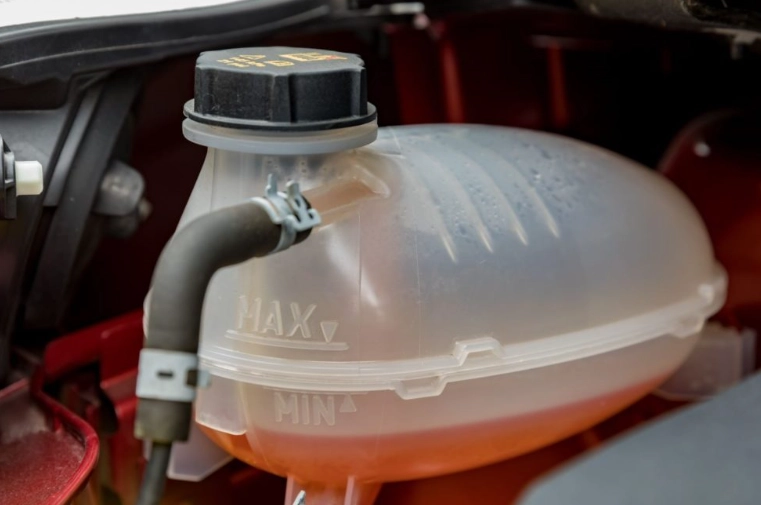
I've been there. I once ignored a slowly dropping coolant level in an old sedan, chalking it up to evaporation. Big mistake. That decision led to a repair bill that still stings to think about. So, let's talk about this without the scary technical jargon. I'll walk you through exactly what's going on in your engine, what you'll notice, and most importantly, what you should do about it.
Coolant isn't just fancy colored water. It's the lifeblood of your car's cooling system, a carefully formulated mix (usually ethylene or propylene glycol) that absorbs insane amounts of heat from the engine and carries it to the radiator to be blown away. When there's not enough of it, the whole delicate balance falls apart.
Bottom Line Up Front: Driving with low coolant is a gamble. At best, you're stressing your engine. At worst, you're on a fast track to a seized engine and a repair costing thousands. It's never a problem that fixes itself.
The First Signs: What You'll Notice When Coolant is Low
Your car is pretty good at telling you when something's wrong. The symptoms of low coolant often start subtle but can escalate quickly. Here’s what to watch (and listen) for.
The Temperature Gauge Creeps Up
This is your dashboard's most direct message. The needle, usually sitting happily in the middle, will start climbing toward the "H" or the red zone. Sometimes it might spike suddenly after a long climb, other times it might just hover higher than normal. Don't ignore a rising temperature gauge. It's the clearest early warning you get.
Modern cars might not have a gauge, just a blue "cold" light that goes off and hopefully never comes back. If a red temperature warning light illuminates, that's a major alert. That's your car screaming for help.
Heater Stops Blowing Hot Air
Here's a weird one that catches people off guard. You turn on the heater in winter and get lukewarm or cold air. How's that connected? Your car's heater core is essentially a small radiator inside your dashboard. Hot coolant flows through it, and the fan blows air over it to warm the cabin. No coolant flow, no heat.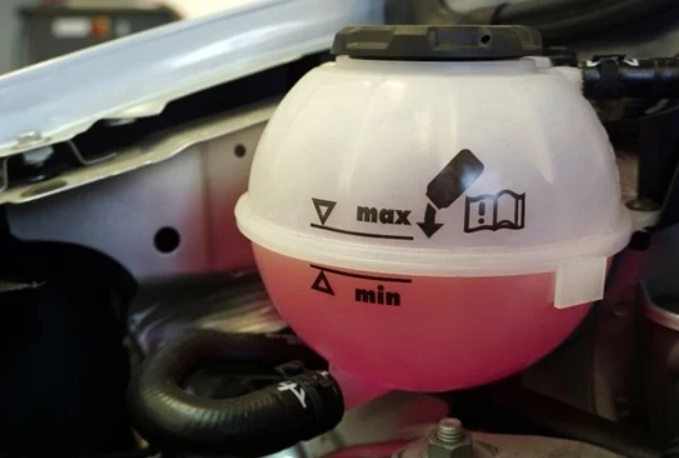
So if your heater suddenly becomes ineffective, it's a classic sign of a cooling system problem, often due to low coolant levels. It's one of the first comfort features to go.
Sweet, Odd Smells from the Hood or Vents
Coolant has a distinct, slightly sweet smell. If you smell this inside the car with the heat or vents on, it could mean coolant is leaking into the passenger compartment (often via the heater core). If you smell it outside, especially after parking, it's likely leaking onto hot engine parts and vaporizing. That smell is a dead giveaway of a leak, which is the most common reason for low coolant.
Visible Leaks or Low Reservoir Level
The most obvious sign. Check the coolant overflow reservoir (the plastic tank, usually translucent with level markings) when the engine is cold. The fluid should be between the MIN and MAX lines. If it's below MIN, you're running low. Also, look for puddles under the car—green, orange, pink, or yellow fluid. It might not always be directly under the engine; coolant can drip from hoses, the radiator, or the water pump and get blown backward while driving.
What happens if the engine coolant is low because of a slow leak? You might not see a puddle. The coolant could be burning off on a hot engine component, leaving a crusty, colored residue near the leak source.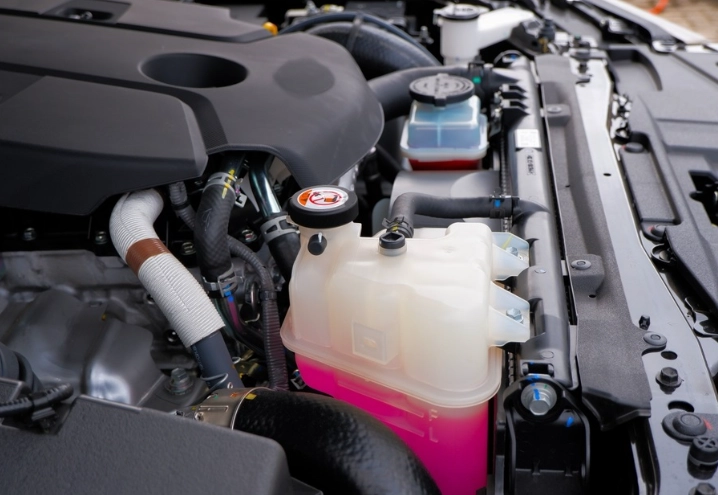
Why It's a Big Deal: The Domino Effect of Low Coolant
Okay, so the car feels a bit hotter and the heater's weak. Why is that such a crisis? Let's break down the chain reaction inside your engine.
The engine creates power through thousands of tiny, controlled explosions every minute. This generates immense heat—temperatures inside the combustion chamber can exceed 4,500°F. Metal parts like the cylinder head, engine block, and pistons would warp, melt, or weld themselves together without a way to shed that heat.
The cooling system is a pressurized, liquid-based heat exchange system. Coolant is pumped through passages in the engine block and head, absorbing heat. It then travels to the radiator, where air flowing through the fins cools it down, and the cycle repeats. It's a continuous loop.
Key Point: The system needs to be full to work. Air pockets (which form when coolant is low) are terrible at transferring heat. They create "hot spots" inside the engine where heat builds up uncontrollably.
When coolant is low, here's the domino effect:
- Air Enters the System: The water pump, designed to move liquid, starts churning air. It can't pump air effectively, so coolant circulation slows or stops in some areas.
- Hot Spots Develop: Areas of the engine, particularly the cylinder head around the exhaust valves, don't get cooled. Localized temperatures skyrocket.
- Metal Expands and Warps: Aluminum cylinder heads are especially vulnerable. They can warp (bend) from the uneven heat. A warped head no longer seals flat against the engine block.
- The Head Gasket Fails: This critical seal between the engine block and cylinder head blows out. Now, combustion gases leak into the cooling system (overpressurizing it), and coolant can leak into the oil or combustion chambers.
- Catastrophic Damage Follows: Coolant in the oil turns it into a milky, abrasive sludge that destroys bearings. Coolant in a cylinder can hydro-lock the engine (liquid doesn't compress), potentially bending connecting rods. Severe overheating can cause pistons to expand and seize in the cylinders, literally welding the engine solid.
That's the worst-case scenario. But it happens more often than you'd think from simply ignoring a low coolant level.
My Personal Costly Lesson: In my old car, the slow leak led to a warped cylinder head. The repair involved machining the head, a new head gasket, new bolts, and a ton of labor. The bill was over $1,800. All for a $10 coolant leak fix I kept putting off.
Common Reasons Your Coolant is Low
Coolant doesn't just disappear. If the level is dropping, it's going somewhere. Understanding the "why" is crucial for the fix.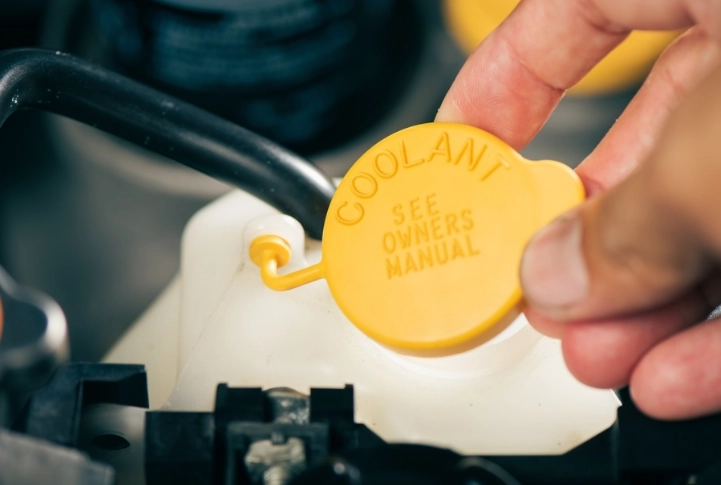
| Cause | Description | Typical Signs |
|---|---|---|
| External Leaks | The most common cause. Coolant escapes from a cracked hose, a failing radiator (often at the plastic side tanks), a leaky water pump (look for a "weep hole"), a bad heater core, or loose hose clamps. | Puddles under the car, crusty coolant residue on components, sweet smell, steady coolant loss. |
| Internal Leaks | Coolant leaks inside the engine. The classic culprit is a blown head gasket. Coolant can leak into the oil passages or combustion chambers. | Milky, frothy oil on the dipstick (mayo-like), white smoke from the exhaust (sweet smelling), coolant loss with no visible external leak, overheating. |
| Faulty Pressure Cap | The radiator cap is designed to hold pressure (usually 15-18 PSI). A weak cap releases pressure and coolant too early, letting coolant boil off and escape through the overflow tube. | Coolant loss from the overflow tube, overheating under load, no visible leak. |
| Evaporation (Minor) | A tiny amount of water in the coolant mix can evaporate over many months, especially in older systems. This should be very slow. | Minimal level drop over 6-12 months. Topping up once a year might be normal for an older car. |
You see? A simple leak is the best-case scenario. An internal leak like a head gasket failure is the expensive nightmare. Figuring out which one you have is step one.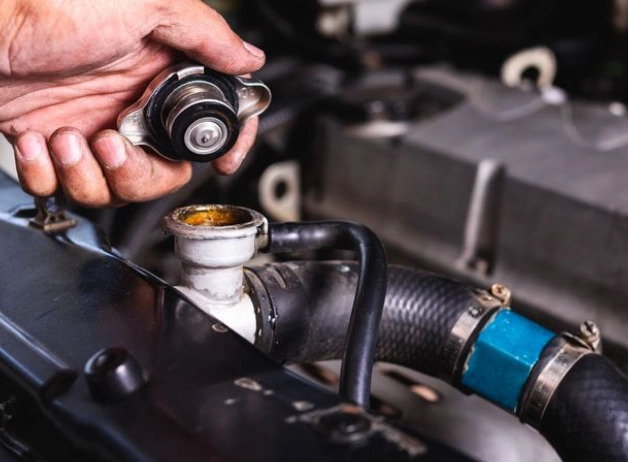
What to Do RIGHT NOW If You Have Low Coolant
Don't panic. But do act. Here's a step-by-step guide based on the situation.
If the Engine is Hot or Overheating (Red Light On)
- Pull Over Safely Immediately. Turn off the engine. Do not, I repeat, DO NOT open the radiator cap. It's under extreme pressure and will erupt with scalding coolant.
- Let the Engine Cool Completely. This can take an hour or more. Turn on your hazard lights.
- Once Cold, Check Levels. Carefully check the coolant reservoir. If it's empty, you can slowly and carefully open the radiator cap (place a thick cloth over it, turn counter-clockwise to the first stop to release pressure, then fully open). Look inside.
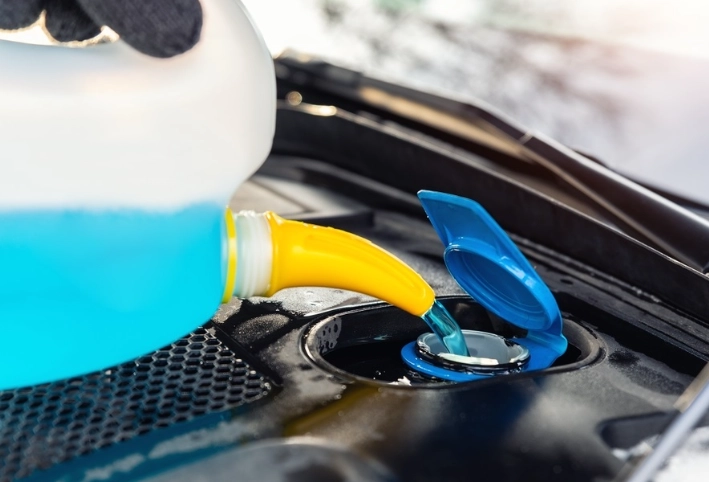
- Add Coolant If You Have It. If you carry coolant or can get some, add a 50/50 mix to the reservoir or radiator until full. Use distilled water in a pinch, but only to get you to a shop.
- Identify the Leak If Possible. Look for obvious signs before starting the engine again.
- Drive Directly to a Repair Shop. If you've added coolant and the leak isn't massive, drive carefully with the heater on full blast (it helps dump engine heat). Monitor the temperature gauge like a hawk. The second it starts climbing again, pull over.
Pro Tip: Keep a gallon of the correct pre-mixed coolant in your trunk. It's cheap insurance. Also, a pair of gloves and safety glasses in the glove box isn't a bad idea for handling coolant.
If You Notice a Low Level on a Routine Check (Engine Cold)
This is the best time to catch it. The engine is cold and safe to work on.
- Top Up the Reservoir. Use the correct type of coolant for your car. Mixing the wrong types can cause gelation and clog the system. Check your owner's manual. Add to the "FULL COLD" line.
- Investigate the Cause. Look for leaks. Check the cap. Is the oil on the dipstick clean? Monitor the level closely over the next few days.
- Schedule a Professional Inspection. If you can't find an obvious leak (like a loose hose clamp you can tighten), or if the level drops again quickly, have a mechanic pressure-test the cooling system. They'll pump it up with air and find the leak. This is a relatively inexpensive diagnostic.
What happens if the engine coolant is low and you just keep topping it off without fixing the leak? You're just delaying the inevitable and risking a much bigger failure on the road.
Long-Term Risks & The Cost of Ignoring It
Let's talk money and metal. Ignoring low coolant is one of the most financially destructive things you can do to a car.
Short-Term Risk: A roadside tow, which is inconvenient and costs $100-$200.
Medium-Term Risk: Fixing the original leak (e.g., a radiator hose) plus any damage caused by the overheating episode (like a new thermostat). Cost: $200 - $600.
Long-Term/Catastrophic Risk: This is where it gets ugly. If severe overheating occurs, you're looking at:
- Head Gasket Replacement: A major labor-intensive job. $1,500 - $2,500+ depending on the car.
- Cylinder Head Repair/Replacement: If the head warped or cracked. Add machining or a new head. $2,000 - $3,500+.
- Engine Seizure/Replacement: The ultimate failure. A used engine swap starts around $3,000 and goes way up. A new engine often totals the car.
It's a steep, completely avoidable staircase of expenses. The initial fix—a leaky hose or water pump—is almost always trivial compared to the engine damage that follows.
Prevention: How to Keep Your Coolant at the Right Level
An ounce of prevention, right? Here's a simple maintenance routine.
- Monthly Visual Check: When you check your oil, give the translucent coolant reservoir a glance. Make it a habit. It takes 10 seconds.
- Follow the Service Interval: Your owner's manual specifies a coolant change interval (e.g., every 5 years or 60,000 miles). Old coolant loses its anti-corrosion properties and can become acidic, eating away at hoses and seals from the inside, causing leaks. Stick to the schedule.
- Use the Right Stuff: Don't just dump in whatever is on sale. Use the coolant type specified by your manufacturer (e.g., Honda Type 2, Toyota Red, GM Dexcool). The SAE International has standards for these fluids, and manufacturers design their systems around specific chemistries.
- Pressure Test During Service: When you get major service done, ask them to pressure test the cooling system. It's a quick check that can find weak spots before they leave you stranded.
- Inspect Hoses and Belts: Look for coolant hoses that are cracked, bulging, or feel mushy. The serpentine belt often drives the water pump; if it's cracked and breaks, the water pump (and thus coolant flow) stops instantly.
I set a calendar reminder on my phone for the first Sunday of every month: "Check tires, oil, coolant." It's saved me more than once.
Your Questions Answered (FAQ)
In a dire emergency, yes, to get you to a shop. But water freezes in winter, boils at a lower temperature, and causes rust and scale inside the engine. It's a terrible long-term solution. Use it only as a last-resort limp-mode fluid, and have the system flushed and filled with proper coolant ASAP.
Ideally, never between scheduled changes. A modern, sealed cooling system should not consume coolant. If you're adding any more than a tiny bit once a year, you have a leak that needs fixing.
No. The low coolant warning light (often a symbol of a thermometer in liquid) means the level is critically low. Driving risks immediate overheating. Stop, let it cool, check, and add fluid. Find out why it's low.
Technically, antifreeze is the concentrated ethylene/propylene glycol product. Coolant is usually a pre-mixed 50/50 blend of antifreeze and distilled water, ready to use. In everyday talk, we use them interchangeably, but check the bottle—you don't want to pour straight concentrate into your car.
Yes, but often indirectly. Severe overheating can trigger sensors (like the knock sensor) and set codes. A more direct link is if the low coolant causes the engine to run hot consistently, the engine computer (ECU) may set a code for engine temperature. However, don't rely on the check engine light as your warning for low coolant—by the time it comes on, damage may already be happening.
Final Thoughts: Listen to Your Car
So, what happens if the engine coolant is low? Hopefully, now you have a crystal-clear picture. It starts with a warning—a gauge, a light, a cold heater—and can end with the heartbreaking sound of a piston seizing solid.
The cooling system isn't glamorous, but it's absolutely critical. Treat it with respect. Check it regularly. Address leaks immediately, even small ones. The cost of a hose clamp or a new radiator hose is nothing compared to the alternative.
Your car's engine is a masterpiece of engineering that operates in a furnace-like environment. The only thing keeping it from melting down is that often-ignored stream of colored liquid. Keep it full, keep it clean, and your engine will thank you with years of reliable service.
And if you take one thing from this article, let it be this: if you see that temperature needle climbing, don't hope it'll go back down. Find out why. Your wallet will thank you later.