In This Guide
- What Does That Ribbed Belt Even Do? (Spoiler: A Lot)
- The Sounds and Signs of a Belt Going Bad
- The Real-World Risks: What Actually Happens if You Drive?
- The Action Plan: What to Do RIGHT NOW
- Replacement: What to Expect at the Shop
- Your Questions, Answered (The Stuff You're Really Wondering)
- Final Word: It's a Cheap Fix vs. a Catastrophic Bill
You're probably here because you heard a weird squeal from under the hood, or maybe your battery light just popped on. You've got places to be. The thought crosses your mind: Can I drive my car with a bad serpentine belt just a little further? Maybe to work tomorrow? Maybe just home from the grocery store?
I get it. I've been there. Years ago, with an old sedan of mine, I ignored a chirping sound for a few too many days, convincing myself it was "just a belt thing" and not urgent. Big mistake. Let's not do that.
The short, no-nonsense answer is this: Driving with a genuinely bad serpentine belt is a terrible, often dangerous, idea. It's like playing Russian roulette with your engine's health and your own safety on the road. But the real world isn't always black and white, is it? Sometimes, "bad" means a small crack. Sometimes, it means the belt is moments from snapping.
This guide isn't going to just shout "NO!" at you. We're going to dig into what "bad" really means, the very real consequences of ignoring it, and give you a practical, step-by-step plan for what to do right now. We'll cover everything from the faint squeak to the catastrophic snap.
Heads up: If your belt has already snapped, or if your temperature gauge is in the red, or your power steering is completely gone – stop driving immediately. Call for a tow. This article will explain why, but your first action is to get the car to a safe stop.
What Does That Ribbed Belt Even Do? (Spoiler: A Lot)
Before we talk about it failing, let's appreciate what it does. That single, long, ribbed belt – the serpentine belt – is your engine's workhorse. It's driven by the crankshaft pulley and snakes around to spin multiple critical components. Think of it as the main drive belt for almost all your engine's accessories.
According to the NAPA Auto Parts know-how section, a typical serpentine belt drives:
- The Alternator: This is a big one. No belt spin, no battery charging. Your car will run on battery power alone until it dies.
- The Power Steering Pump: Lose this, and steering becomes extremely heavy, especially at low speeds. It's not just inconvenient; it's a safety hazard during maneuvers or parking.
- The Water Pump: This is arguably the most critical. The water pump circulates coolant to keep your engine from melting itself. No circulation = rapid overheating = potential engine destruction.
- The Air Conditioning Compressor: No cool air. A comfort issue, not a safety one, but still.
- Sometimes, the Cooling Fan: In some setups, it also spins the radiator fan.
One belt. Five jobs. When you ask, "Can I drive my car with a bad serpentine belt?" you're really asking if you can drive without one or more of these systems functioning properly. The answer becomes clearer when you see it that way.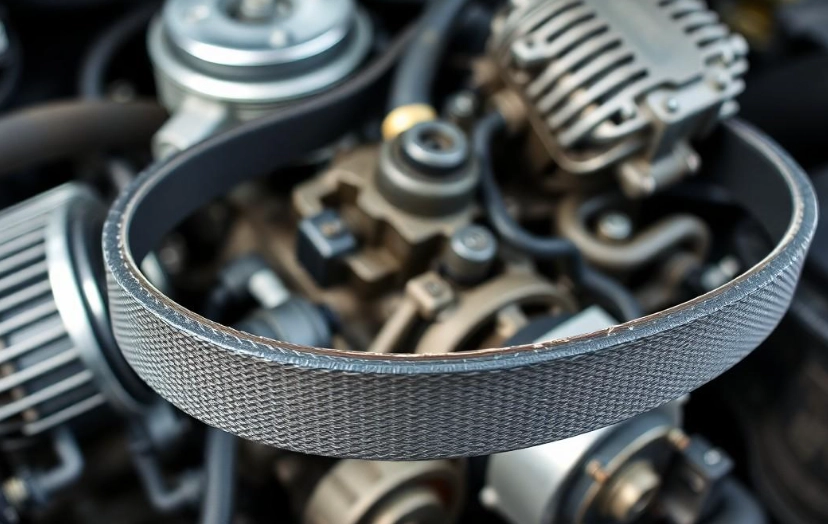
The Sounds and Signs of a Belt Going Bad
Belts don't usually fail without warning. They send signals. Some are whispers; some are screams. Ignoring the whispers leads to the screams.
Listen Up: The Audio Clues
- The Squeal or Chirp (High-pitched): This is the classic sign. It's often loudest on startup or when you turn the steering wheel. This usually means the belt is loose or glazed (shiny and slippery). The material is hardening and can't grip the pulleys properly. It's a warning, but not an immediate breakdown.
- The Squeal (Constant under load): If it squeals constantly when you accelerate, that's a louder cry for help. The belt is seriously struggling.
- The Slapping or Flapping Sound: This sounds like a piece of rubber slapping against metal. It often means a chunk of the belt is missing (a rib is gone) or the belt is extremely loose and jumping around. This is a more advanced failure state.
- The Loud Bang or Snap: The final act. This is the sound of the belt breaking. It's often followed by a sudden loss of power steering and a series of warning lights on your dash.
Beyond sounds, use your eyes. Pop the hood (when the engine is cool and off!). Look at the belt.
- Cracks: Small, perpendicular cracks on the ribs (the grooves) are normal with age. But if you see deep cracks, cracks across the belt's width, or sections where chunks are missing, that belt is on borrowed time.
- Glazing: The ribs should look matte, almost like new rubber. If they look shiny and smooth, that's glazing. It reduces grip.
- Fraying or Separation: Can you see cords or fabric sticking out from the sides? Is the belt starting to peel apart in layers? This is a red alert. It could snap at any moment.
I remember looking at my old belt after the tow. It had a section where three ribs were just... gone. Completely sheared off. No wonder it gave up.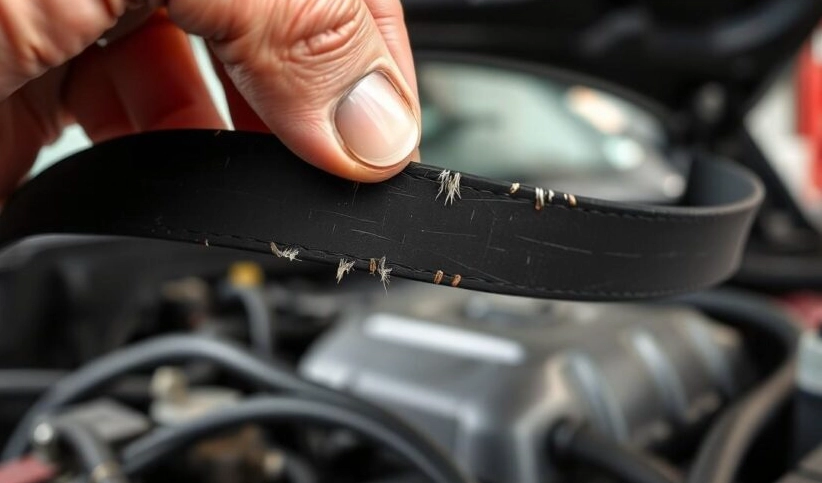
The Real-World Risks: What Actually Happens if You Drive?
Okay, so you have a suspect belt. Let's break down the risks of driving, because it's not just one thing. It's a cascading failure.
Let's say you decide to risk it and drive with a bad serpentine belt. Here’s the likely sequence of events, depending on how "bad" it is.
| Belt Condition | Immediate Symptoms You'll Feel/See | Primary Risks & Potential Damage | "Can I drive...?" Verdict |
|---|---|---|---|
| Loose/Glazed (Squealing) | Annoying squeal, battery light may flicker, slight steering heaviness. | Stranding (dead battery), accelerated wear on the belt itself. Low risk of immediate catastrophic damage. | Not Recommended. Get it tightened/replaced soon. Short, slow drive to a shop *might* be okay, but it's a gamble. |
| Cracked/Frayed (Visibly damaged) | Squealing, possible flapping sound, visible damage on inspection. | High risk of sudden snap while driving, leading to all the risks in the next row. | Very Risky. The belt is structurally compromised. Driving is inviting a sudden failure. |
| Snapped/Broken | Sudden loss of power steering, battery/charging warning light on, temperature gauge rising FAST, A/C stops. | 1. Engine Overheating: This is the big one. Within minutes, you can overheat the engine, leading to warped cylinder heads, blown head gaskets, or even seized pistons. Repair bills jump from ~$150 for a belt to $2,000+ for engine work. 2. Loss of Control: Heavy steering can be dangerous in emergencies. 3. Complete Electrical Failure: The car will run until the battery dies, then stall, potentially in traffic. | ABSOLUTELY NOT. Stop driving immediately. This is a roadside emergency. |
The Consumer Reports guide on serpentine belts puts it bluntly: a broken belt can leave you stranded and cause "expensive engine damage." They're not exaggerating. Overheating is silent and fast. By the time your gauge hits the red, damage may already be happening.
That's the core of it. The risk isn't just a tow truck bill. It's a mortgage-payment-sized repair bill for an engine you might have killed.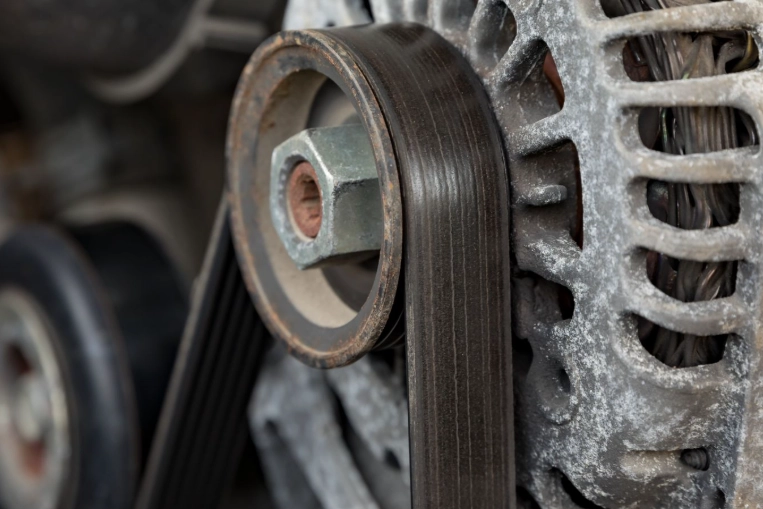
The Action Plan: What to Do RIGHT NOW
Let's get practical. Based on what you're seeing and hearing, here's your decision tree.
If the belt is squealing but intact (no major cracks/snaps):
- Check the tension. Sometimes it's just loose. If you're handy, you might find the tensioner pulley and see if it has slack. But if you're not sure, don't guess.
- Plan for immediate service. This is a priority repair. Call your mechanic or a mobile mechanic for the next available slot.
- If you MUST drive it (e.g., directly to the shop a few miles away), minimize risk. Drive slowly, avoid heavy steering inputs (like parallel parking), turn off ALL unnecessary electrical loads (radio, A/C, blower fan). Listen intently. If the squeal stops, that's often worse—it might mean the belt has stopped gripping entirely and is about to fail.
If the belt is visibly damaged (cracked, frayed, chunk missing) OR HAS SNAPPED:
- Stop driving. Full stop. Find a safe place to pull over and turn off the engine.
- Do not restart the engine. Without the water pump, even idling for a minute can cause overheating.
- Call for a tow. This is non-negotiable. Have it towed to your repair shop of choice. Trying to drive any distance, even a few blocks, is essentially gambling with your engine's life.
I know towing is expensive and a hassle. Believe me, I paid for that tow with my old sedan. But I also know that the $100 tow saved me from a $2,500 engine repair. It's the cheaper and smarter choice every single time.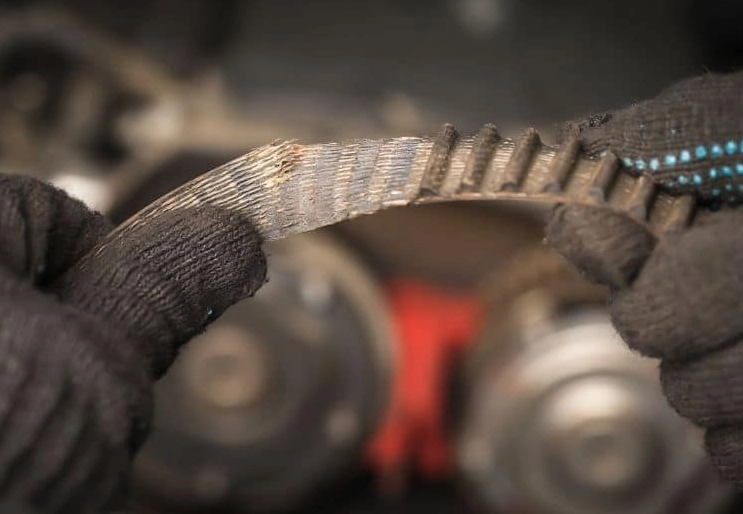
Replacement: What to Expect at the Shop
So, you've done the right thing and gotten the car to a mechanic. What now?
Replacing a serpentine belt is generally considered routine maintenance. It's not a crazy expensive job on most cars, which is another reason why risking it is so silly. The RepairPal estimator can give you a rough idea, but it's often between $120 and $200 for parts and labor for the belt itself.
But here's the pro tip that many quick-lube places won't tell you: Always ask about the tensioner and idler pulleys.
These are the parts that keep the belt tight and guide it. They have bearings that wear out over time. A worn tensioner can cause a new belt to squeal or fail prematurely. When my mechanic did my last belt change, he showed me the old tensioner. It had a slight wobble you could only feel when spinning it by hand. Not obvious, but enough to cause issues down the line.
Many experts recommend replacing the tensioner and idler pulleys when you do the belt, especially if you're over 80,000 miles or so. It adds to the cost (maybe another $100-$150), but it's a package deal for peace of mind. You're already paying for labor to access the belt—adding the pulleys makes sense.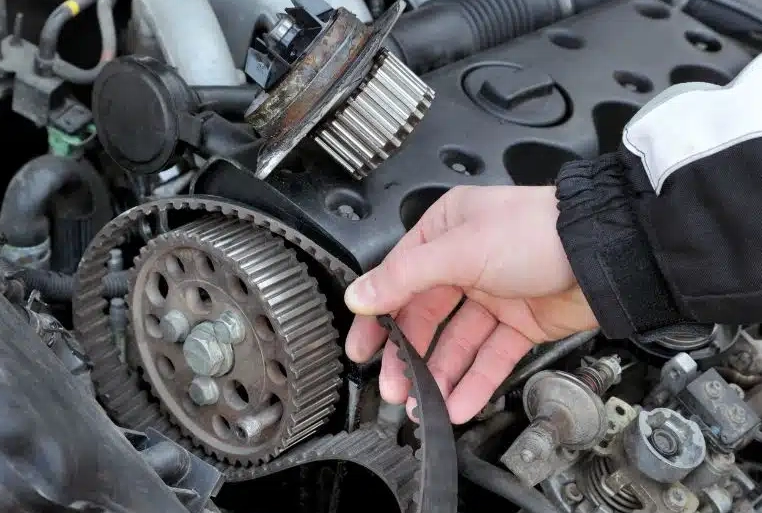
Your Questions, Answered (The Stuff You're Really Wondering)
Let's tackle some specific scenarios that pop up all the time in forums and searches.
Can I drive with a bad serpentine belt if I just need to get home?
This is the most common desperate thought. The answer depends entirely on how bad and how far. If it's a mild squeal and home is 2 miles of slow streets, you might physically make it. But you are accepting all the risks we outlined. If it's anything more than a squeal—visible damage, flapping—the only safe way home is on a flatbed. Is getting home tonight worth potentially destroying your engine? Probably not.
How long can I drive with a squealing serpentine belt?
There's no magic number. It could be 500 miles, it could be 5. The squeal is a symptom of a problem (looseness, glazing). That problem accelerates wear. Every mile you drive weakens it further and increases the chance of a sudden transition from "squealing" to "snapped." Think of it as a countdown timer with no display.
My belt broke. Can I drive without a serpentine belt at all?
No. Absolutely not. You have no water pump. Your engine will begin to overheat in minutes, likely before you could even get off your street. You also have no power steering and your battery is not charging. This is a definitive, 100% no-go situation. This is the core reason why the answer to "Can I drive my car with a bad serpentine belt?" is so often a hard no.
Will a bad serpentine belt drain my battery?
Indirectly, yes. If the belt is slipping, it's not spinning the alternator properly. The alternator can't charge the battery at full capacity. Your car will start drawing power from the battery to run the ignition, fuel pump, and computers. Eventually, the battery will drain and your car will stall. So, a bad belt can definitely leave you with a dead battery.
What's the difference between a serpentine belt and a timing belt?
Great question, and a common point of confusion. The serpentine belt is outside the engine, driving accessories. The timing belt (or chain) is inside the engine, synchronizing the crankshaft and camshaft(s). If a timing belt breaks, the engine usually suffers severe, immediate internal damage (valves hitting pistons). A serpentine belt break is bad, but a timing belt break is often catastrophic. Know which one your car has!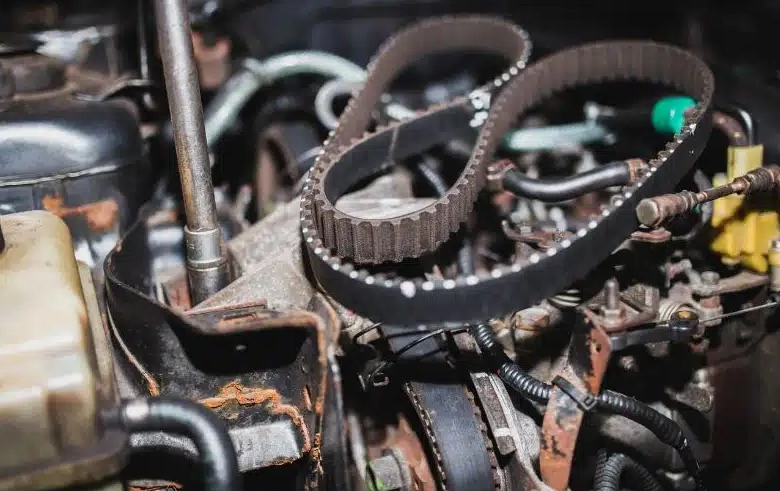
Final Word: It's a Cheap Fix vs. a Catastrophic Bill
Look, I'm not a mechanic, just someone who's learned from expensive mistakes and a lot of research. The logic here is pretty simple.
A new serpentine belt, maybe with a tensioner, is a planned, manageable maintenance cost. It's a few hundred dollars at most. You schedule it, you get it done, you forget about it for another 60,000-100,000 miles.
Driving with a bad serpentine belt and causing an overheat turns it into an unplanned, catastrophic repair cost. We're talking thousands. The math just doesn't work in favor of risking it.
So, the next time you hear that squeal or see a crack, don't just wonder, "Can I drive my car with a bad serpentine belt?" and hope for the best. You now know what's at stake. Get it inspected. Get it fixed. The peace of mind—and the safety of your engine—is worth infinitely more than the gamble of trying to squeeze out a few more miles.
Your car will thank you. And your wallet definitely will.