You fill up with premium gas, change the oil on time, but your car still feels…off. It hesitates when you press the gas, your fuel economy has dipped, and that smooth idle is now a shaky rumble. Before you panic about a major repair, there's a good chance the culprit is something simpler: dirty fuel injectors. I've been tinkering with engines for over a decade, and I've seen more money wasted on unnecessary injector cleaning than almost any other service. But I've also seen it bring a dying engine back to life. Let's cut through the shop upsells and internet myths. This guide will show you exactly when you need fuel injector cleaning, how to do it right (or if you should at all), and what results you can realistically expect.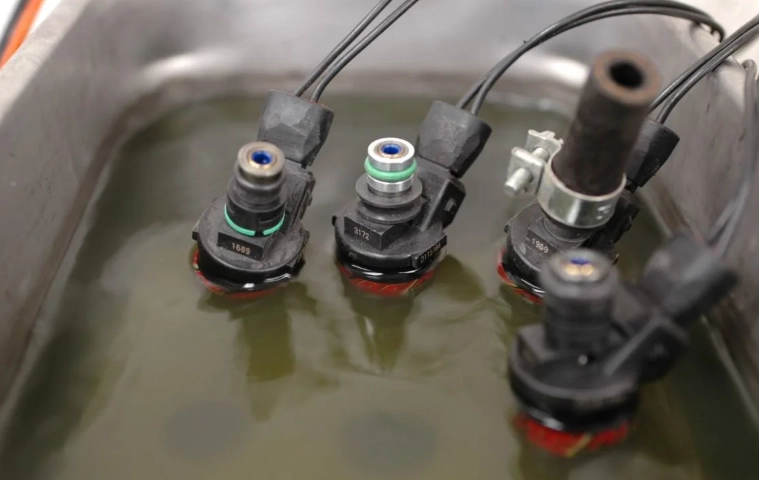
What You'll Learn in This Guide
Is It Really the Injectors? Spotting the Symptoms
Not every engine stumble means you need to clean your fuel injectors. Throwing parts (or chemicals) at a problem is expensive. Here are the specific symptoms that point directly to clogged or dirty injectors, and not something else like bad spark plugs or a weak fuel pump.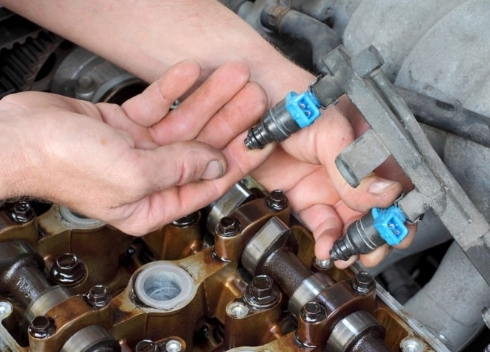
Rough Idle and Stalling: This is a classic. At a stoplight, the engine feels lumpy and uneven. It might even dip so low in RPMs that it stalls. Dirty injectors can't deliver a consistent, fine mist of fuel, causing cylinders to misfire at low engine speeds.
Hesitation and Lack of Power Under Load: You step on the gas to merge onto the highway, and there's a dead spot—a brief moment where nothing happens before the power kicks in. That's often a clogged injector struggling to supply the sudden surge of fuel needed.
Noticeably Worse Fuel Economy: We're not talking about a 1 MPG drop from using the A/C. I mean a consistent, unexplained drop of 2-3 MPG or more. If an injector is clogged, the engine computer might try to compensate by holding the injector open longer, wasting fuel, or other cylinders have to work harder.
Failed Emissions Test: This is a big one. Clogged injectors lead to an inefficient burn, which increases hydrocarbon (HC) and carbon monoxide (CO) emissions. If you fail a smog check and your check engine light isn't on for a specific sensor, dirty injectors are a prime suspect.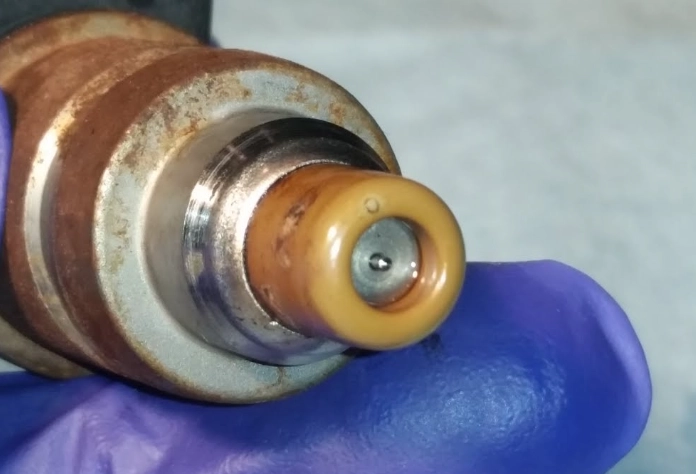
Engine Misfire Codes (Sometimes): You might see a P0300 (random misfire) or a specific cylinder misfire code like P0304. While these codes have many causes, they often lead mechanics to check the injector on that cylinder.
How to Clean Fuel Injectors: The Three Main Methods
So you've got the symptoms. How do you actually clean these things? You have three main paths, each with a different level of effort, cost, and effectiveness.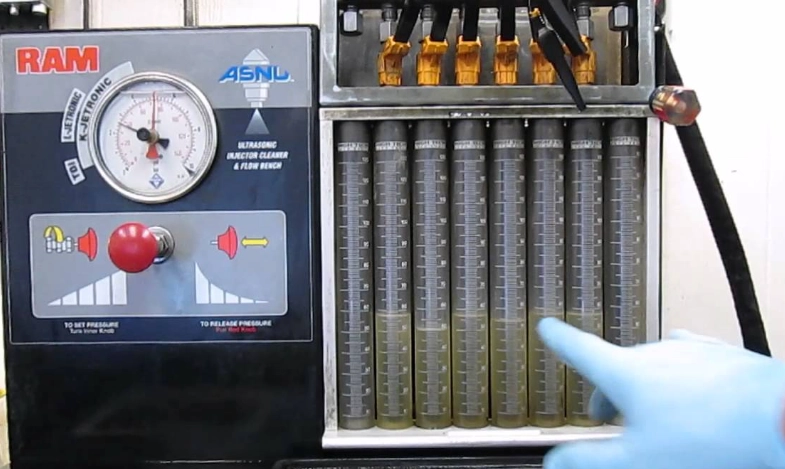
1. Fuel Additives (The "Pour-In" Method)
This is everyone's first stop. You buy a bottle of cleaner, pour it into your gas tank, and drive. Brands like Chevron Techron, Red Line, and Royal Purple are popular. Do they work? For light maintenance and prevention, yes. They contain detergents that can dissolve some of the varnish and carbon deposits as the fuel passes through the injector.
But here's the catch most people miss: the concentration is low. It's diluted in 10-15 gallons of gasoline. It's great for keeping clean injectors clean, but it's often too weak to bust through serious, performance-robbing clogs. Think of it like using a light soap instead of a heavy-duty degreaser.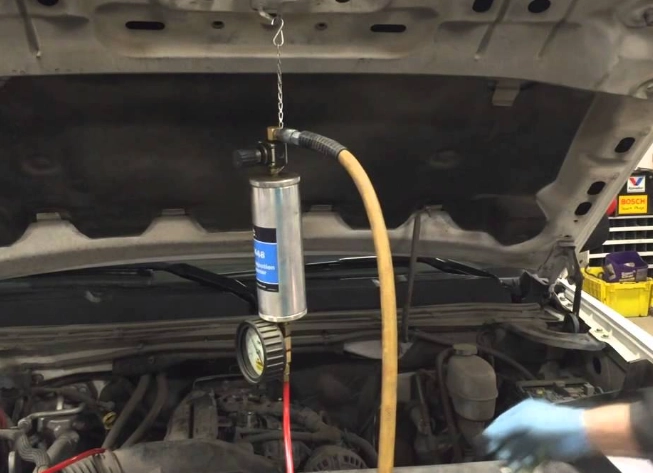
2. DIY Off-Car Cleaning with a Kit
This is for the hands-on person. You remove the fuel injectors from the engine rail and use a specialized kit. The kit typically includes a can of pressurized cleaning solvent, hoses, and adapters that let you connect the injector directly to the cleaner. You apply 12 volts to make the injector click open and closed while the solvent blasts through it.
What you'll need: Basic socket set, fuel line disconnect tools, safety glasses, gloves, and the cleaning kit (about $40-$80).
The reality: It's messy. You're dealing with fuel and chemicals. The results can be excellent, but it's time-consuming. You also need to replace the injector seals when you reinstall them. This method is effective because it uses a much stronger, undiluted cleaner under pressure.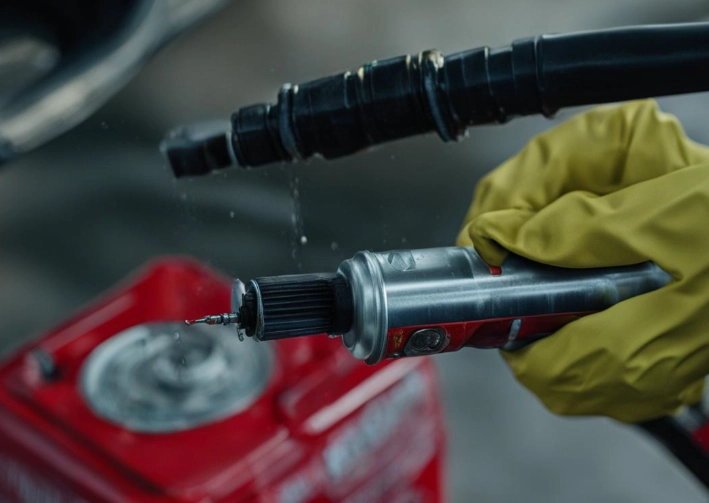
3. Professional Fuel System Cleaning Service
This is what shops offer, usually for between $100 and $150. They don't remove the injectors. Instead, they disconnect your car's fuel line and connect their cleaning machine directly to the fuel rail. The machine pumps a powerful cleaning solution through the entire fuel system—injectors, intake valves, combustion chambers—at high pressure while the engine runs.
This is the most thorough method short of removal. The cleaner is concentrated, the pressure is high, and it cleans parts additives can't reach, like intake valves (a huge problem on direct injection engines). The downside? The cost. But for a car with severe symptoms, it's often the most effective first strike.
DIY vs. Professional: Breaking Down the Choice
Let's make this decision easy. Here’s a direct comparison to help you choose.
| Factor | Fuel Additive (DIY) | Professional Service |
|---|---|---|
| Cost | $10 - $25 per bottle | $100 - $150+ |
| Effectiveness | Low to Moderate. Good for prevention & light deposits. | High. Can clear moderate to severe clogs. |
| Time/Effort | Minimal. Pour and drive. | 1-2 hours at a shop. No effort for you. |
| Cleaning Scope | Fuel injectors only (and lightly). | Entire fuel system: injectors, valves, chambers. |
| Best For | Routine maintenance, slight MPG drop, newer cars. | Clear performance symptoms, older/high-mileage cars, pre-inspection. |
| Risk | Very low. Use a reputable brand. | Low, but depends on the shop's equipment & skill. |
My personal rule? If the car is running mostly okay but I just want to keep it that way, I use a bottle of Chevron Techron with every other oil change. If I'm experiencing the symptoms we talked about—real hesitation, rough idle—I skip the additive and go straight to the professional service. It's more cost-effective than trying three bottles of additive that might not work.
How Often Should You Clean Fuel Injectors?
Forget the old "every 30,000 miles" mantra. It depends entirely on how you drive and what fuel you use.
Short-Trip Drivers: If your daily commute is less than 20 minutes, your engine rarely gets fully hot enough to burn off deposits. You're a prime candidate for more frequent cleaning—consider a professional service every 30,000 miles or a quality additive every 5,000.
Top-Tier Gas Users: Gasoline brands that meet "Top Tier" standards (like Shell, Costco, Exxon) have more detergents. The EPA sets a minimum, but Top Tier fuel has up to 5x more. Using this consistently can dramatically extend the time between cleanings.
High-Mileage or Performance Cars: Past 100,000 miles, deposits are more baked on. More frequent cleaning (every 20,000-30,000 miles) can help maintain performance and efficiency.
Listen to the car. A slight, gradual loss in fuel economy or throttle response is your signal.
Common Mistakes and Misconceptions
Let's clear up some confusion I see all the time.
Myth 1: "A bottle of injector cleaner will fix my check engine light." Maybe, but only if the light is specifically for a lean condition or misfire caused by a clogged injector. It won't fix an oxygen sensor or catalytic converter code. Don't use it as a magic potion.
Myth 2: "Cleaning can damage my injectors." Not if done correctly. Modern injectors are robust. The risk from using a reputable cleaner is far lower than the risk of damage from running with severely clogged injectors, which can cause lean conditions and overheating.
Mistake: Using the cheapest gas station cleaner. Some are just light solvents in a fancy bottle. Stick with brands that have a reputation and are used by OEMs. SAE International has published studies on fuel detergent efficacy—the big brands invest in the research.
The Big One: Ignoring Direct Injection Engines. This is critical. Most newer turbocharged engines (and many non-turbo) are Gasoline Direct Injection (GDI). The fuel sprays directly into the cylinder, bypassing the intake valves. This means fuel additives do absolutely nothing to clean carbon off the intake valves. Those valves get filthy, causing major problems. For GDI engines, the only way to clean the intake valves is through a professional service that uses a media blaster (like walnut shell blasting) or a specialized chemical soak. A standard fuel system cleaning won't touch them.
Fuel injector cleaning isn't a miracle cure, but it's a vital piece of maintenance that's often overlooked until problems arise. By understanding the real symptoms, choosing the right method for your situation, and avoiding the common pitfalls, you can keep your engine running smoothly, efficiently, and powerfully for years to come. Start with the simple stuff—try a top-tier fuel for a few tanks. If that doesn't help, you now have a clear roadmap on what to do next.