Let's cut to the chase. Shopping for a family car isn't about finding the shiniest or fastest thing on the lot. It's a logistics puzzle. It's about finding the metal box that will reliably, safely, and somewhat sanely contain your most precious cargo—your family—through years of road trips, school runs, and grocery hauls. The goal isn't perfection; it's the best possible compromise between safety, space, budget, and your sanity.
In This Guide: Navigating Your Family Car Journey
What Makes a Car Truly "Family-Friendly"?
Forget marketing brochures. A true family car checks boxes you might not have considered before kids. Here’s the real checklist.
Safety is Non-Negotiable. This goes beyond airbags. You need to look at crash test ratings from the Insurance Institute for Highway Safety (IIHS) and the National Highway Traffic Safety Administration (NHTSA). Aim for a TOP SAFETY PICK+ rating from IIHS. That "+" means it has good-rated headlights and superior crash prevention tech—crucial for those late-night drives.
Advanced driver-assistance systems (ADAS) like automatic emergency braking, blind-spot monitoring, and rear cross-traffic alert are lifesavers, literally. Lane-keep assist can save you when you're exhausted.
Space: It's Not Just About Seats. Can you fit a double stroller in the trunk and a week's worth of groceries? Is the third row a joke only accessible by a contortionist? My rule of thumb: if you can't load a full-size stroller without folding down a seat, keep looking.
Convenience Features You'll Actually Use. These are the unsung heroes:
- Sliding Doors: A minivan exclusive. They prevent door dings in parking lots and let kids get in and out safely without whacking the car next to them.
- Tri-Zone Climate Control: The person in the third row shouldn't have to suffer because the driver is cold.
- Easy-Clean Interiors: Leather or high-quality vinyl (like Tesla's or in many minivans) wipes clean. Cloth seats become a museum of milk spills and cracker dust.
- Abundant Cupholders and USB Ports: You think you have enough. You don't.
Reliability and Running Costs. Check reliability surveys from Consumer Reports and J.D. Power. A cheap purchase price means nothing if you're at the mechanic every other month. Also, calculate fuel economy realistically. The EPA's fueleconomy.gov site lets you compare real-world costs.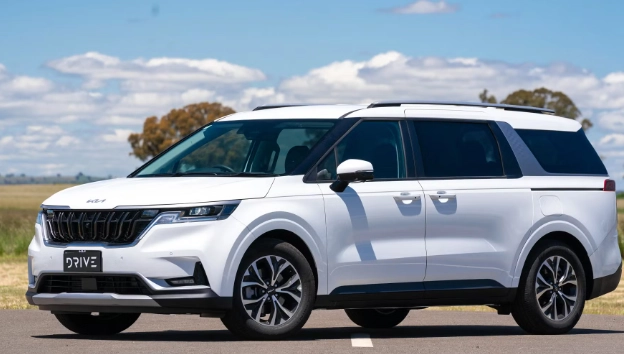
SUV vs. Minivan vs. Wagon: The Real-World Showdown
Everyone defaults to an SUV. But is it right for you? Let's break down the three main family hauler categories without the bias.
| Vehicle Type | Best For... | Biggest Compromise | Real-World Fuel Economy |
|---|---|---|---|
| 3-Row Midsize SUV (e.g., Honda Pilot, Toyota Highlander) | Families of 4-5 who occasionally need extra seats; those who want a more "rugged" image; light towing. | Cargo space vanishes when using the 3rd row. Access to the 3rd row is often awkward. | 22-26 MPG combined. Hybrid versions (Highlander Hybrid) can hit 35+ MPG. |
| Minivan (e.g., Toyota Sienna, Honda Odyssey) | Families of 5+ as a daily driver; maximizing people & cargo space; road trips. | The "soccer mom" stigma (which is nonsense, by the way). Limited off-road/towing capability. | 22-28 MPG. The Toyota Sienna hybrid gets an impressive 36 MPG combined. |
| Station Wagon/Large Hatchback (e.g., Subaru Outback, Volkswagen Golf SportWagen) | Small families (1-2 kids) who prioritize driving feel and fuel economy over a high seating position. | Limited to 5 seats. Can feel cramped with rear-facing car seats. | Often the best: 28-32 MPG combined. Efficient and fun to drive. |
Here's a non-consensus view from someone who's owned all three: most people who buy a 3-row SUV would be happier with a minivan. The minivan does the core family job better—more space, easier access, better fuel economy for the size. The SUV often wins on perception alone. Be honest about your needs, not your aspirations.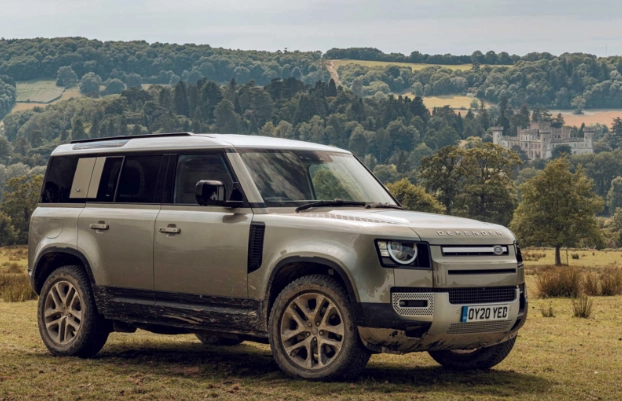
Your Step-by-Step Guide to Finding 'The One'
Feeling overwhelmed? Follow this process. It takes the emotion out and focuses on logic.
Step 1: Define Your Non-Negotiables
Grab a notepad. Answer these questions with your partner/co-pilot:
- Budget: What's your total out-the-door price? Include tax, title, fees. Don't forget monthly payment if financing.
- Seating: How many people regularly need to ride? Buy for your daily needs, not the once-a-year road trip with grandparents.
- Cargo: List your largest regular items (stroller, hockey bags, dog crate).
- Must-Have Features: AWD? Hybrid? Specific safety tech? Ventilated seats (a godsend in summer)?
Step 2: Research & Shortlist
Use the criteria above to build a list of 3-5 models. Go deep on reviews. Don't just read the glowing press articles. Seek out long-term ownership reviews on forums like Reddit (r/whatcarshouldIbuy) or dedicated owner forums. You'll learn about squeaky brakes at 20,000 miles or infotainment glitches—the stuff magazines don't cover.
Step 3: The Critical Test Drive
This isn't a joyride. Schedule it for when you can bring the whole crew and your gear.
- Install all car seats. Can you reach the buckles easily?
- Load the stroller into the trunk. Then add a few grocery bags. Is there room?
- Have an adult sit in every seat, especially the third row. For how long would they be comfortable?
- Test the infotainment system while parked. Is it intuitive, or will it frustrate you daily?
- Drive on a rough road. Listen for rattles. Feel how it handles bumps when fully loaded.
I once crossed a perfectly good SUV off our list because my wife couldn't comfortably reach the rear-facing infant seat latch from the passenger seat. Tiny detail, daily annoyance.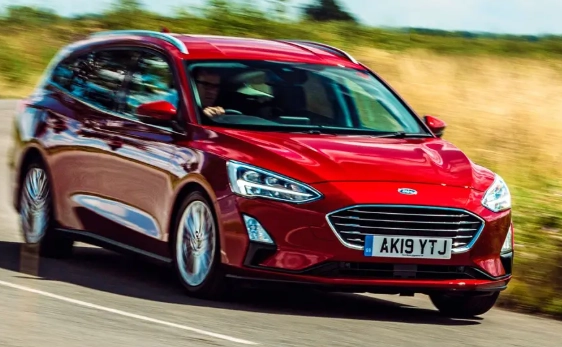
Step 4: Run the Numbers & Negotiate
Get quotes from at least 3 dealers, preferably via email. Be upfront: "I'm deciding between X and Y, please give me your best out-the-door price." Use tools like TrueCar or Edmunds TMV for a fair price target. Don't just focus on monthly payment—look at the total cost, interest rate, and loan term.
Family Car Showcase: Top Picks Across Categories
These aren't just the best sellers; they're models that consistently excel in the family-focused metrics we've discussed. Remember, "best" is what's best for your family.
The All-Around Champion (Minivan): Toyota Sienna Hybrid. It's only sold as a hybrid, so you get a stunning 36 MPG in a vehicle that can swallow eight people and their luggage. Standard AWD is available. The interior is smart, durable, and packed with storage. It's the single most practical vehicle you can buy for a family, full stop.
The Sensible SUV Choice: Honda Pilot. The Pilot feels massive inside, with a wide cabin that can actually fit three car seats across the second row in a pinch. The third row is one of the more usable in its class. It's not flashy, but it's incredibly competent, reliable, and thoughtfully designed for family life.
The Safety & Value Leader: Subaru Outback. For smaller families, the Outback is hard to beat. It offers fantastic standard all-wheel drive, some of the best crash test scores, and incredible cargo space for its footprint. The ride is comfortable, and the fuel economy is good. It's the anti-SUV that does everything an SUV does, but better and more efficiently.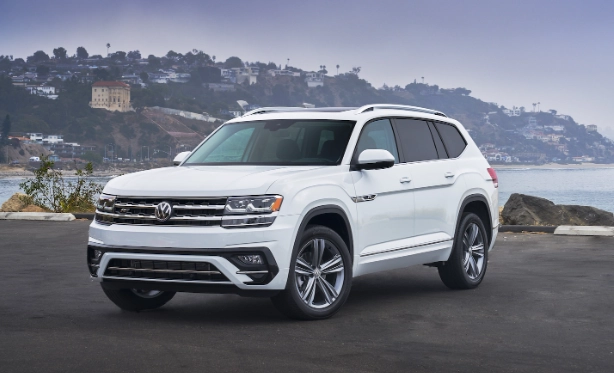
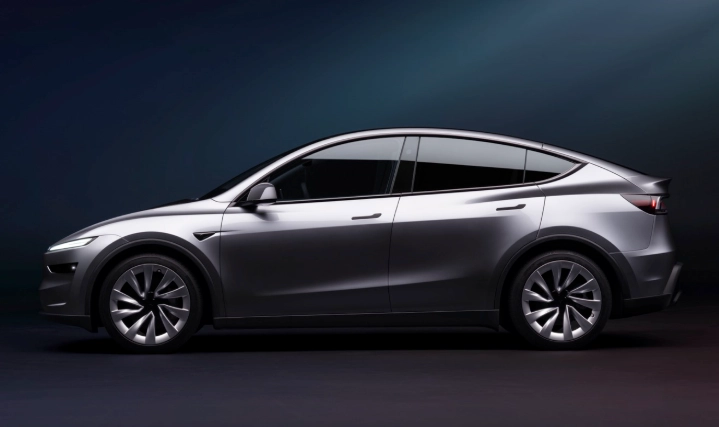
The Electric Frontier: Tesla Model Y. If your lifestyle supports charging (mainly at home), it's a revelation. The low center of gravity makes it safe and fun to drive. The front and rear trunks offer tons of storage. The minimalist interior is easy to clean. And the cost per mile is a fraction of a gas car. Just be sure your daily drives and occasional road trip routes align with the Supercharger network.
The Hidden Costs of Family Car Ownership
Sticker shock is one thing. The real budget killer is the five-year cost.
Depreciation: This is your biggest expense. Some brands (Toyota, Honda, Subaru) hold their value dramatically better than others. Check sites like Kelley Blue Book for 5-year cost to own projections.
Insurance: Get quotes before you buy. A luxury brand or a high-performance trim can double your premium.
Fuel: That 3-row V6 SUV might cost $1,500 more per year in gas than a hybrid minivan. Over 5 years, that's a big vacation.
Tires: Family vehicles are heavy. Quality tires are expensive, and you'll go through them faster than on a small car.
Maintenance: Follow the manufacturer's severe service schedule if you do lots of short trips (school runs). It's more frequent but prevents costly repairs.
Your Family Car Questions, Answered
Is a 3-row SUV always better than a minivan for a big family?
Not necessarily. While 3-row SUVs are popular, minivans often offer more usable interior space, easier third-row access, and better fuel economy for the price. The sliding doors are a game-changer in tight parking lots. An SUV might be the right call if you need serious towing or off-road capability, but for pure people and cargo hauling, don't write off the minivan.
How many car seats can I realistically fit in a midsize SUV?
Most midsize SUVs advertise seating for seven or eight, but with car seats, it's a different story. You can typically fit two car seats comfortably in the second row. Accessing the third row with those seats installed is often nearly impossible. If you need to regularly transport three children in car seats, you're looking at a minivan, a full-size SUV with captain's chairs, or a very wide midsize SUV where you can squeeze three across the second row.
What's the most overlooked feature when buying a family car?
The 'second-row console test.' Many buyers check trunk space but forget about the daily battlefield of the back seat. Can you reach a dropped pacifier from the driver's seat? Is there a place for drinks and tablets that won't get kicked over? Are the air vents powerful enough for the back? Features like second-row captain's chairs with removable consoles, large underseat storage bins, and dedicated rear climate controls dramatically improve daily life.
Should my next family car be electric?
It's a compelling option, but run the numbers for your life. EVs offer massive savings on fuel and maintenance, instant torque for merging, and are often very safe. The deal-breaker is charging. If you have a home where you can install a charger, an EV like a Tesla Model Y or Hyundai Ioniq 5 can be brilliant. If you rely on public charging or regularly take 300+ mile road trips, the logistics add stress. A plug-in hybrid might be a smarter transitional step.
Choosing a family car is a big decision, but it doesn't have to be a stressful one. Focus on the practicalities that will matter every single day. Ignore the noise, do your homework, and trust the process. The right vehicle is out there, ready to become the backdrop for a million memories—some chaotic, most wonderful.