Quick Navigation
Let's be honest, most of us don't think about our car's rear lights until a friendly driver honks and points frantically at the back of our car, or worse, we get pulled over. Then comes the frantic search online: "Is my tail light out or my brake light?" "Are they the same bulb?" I've been there myself, standing in an auto parts store, holding two bulbs that look suspiciously similar, feeling completely lost. The whole tail light bulb vs brake light bulb debate is a classic source of confusion, but it's simpler than you think once you break it down.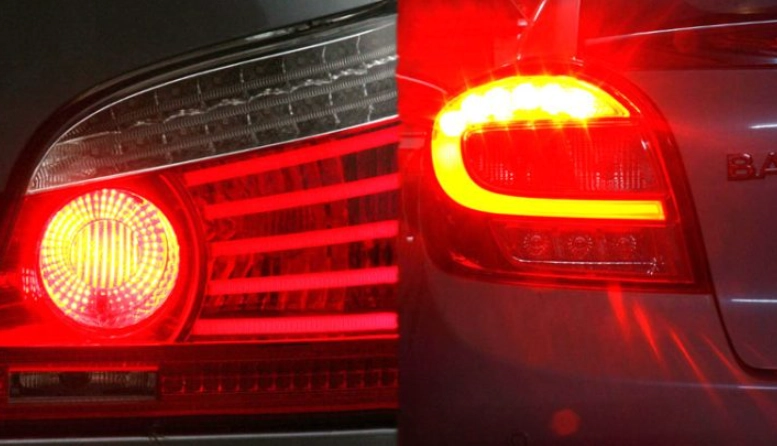
This isn't just about replacing a bulb. It's about safety, legality, and avoiding a ticket. Getting it wrong means your car is less visible at night, or your braking intentions aren't clear to the driver behind you. That's a risk nobody should take.
The Core Idea: In most modern cars, the tail light and the brake light use the same physical bulb housing but are two separate functions of that bulb. The tail light is the dim, always-on red light when your headlights are on. The brake light is the bright, blazing red light that activates when you press the brake pedal. They're like a two-in-one appliance.
What They Do: Function is Everything
You can't talk about the difference between a tail light and a brake light without starting with their jobs. They're on the same team but have very different plays.
The Tail Light: Your Car's Constant Red Glow
The tail light's job is pure visibility. When you turn on your headlights (or put the car in "auto" and it gets dark), the tail lights illuminate. They're not meant to be blinding. They're a steady, subdued red glow that tells other drivers, "Hey, I'm here. This is the size and position of my vehicle." It's crucial for nighttime driving, fog, and heavy rain. Driving without tail lights is like being a shadow on the highway—incredibly dangerous. The National Highway Traffic Safety Administration (NHTSA) has specific regulations on tail light intensity and color for this exact reason.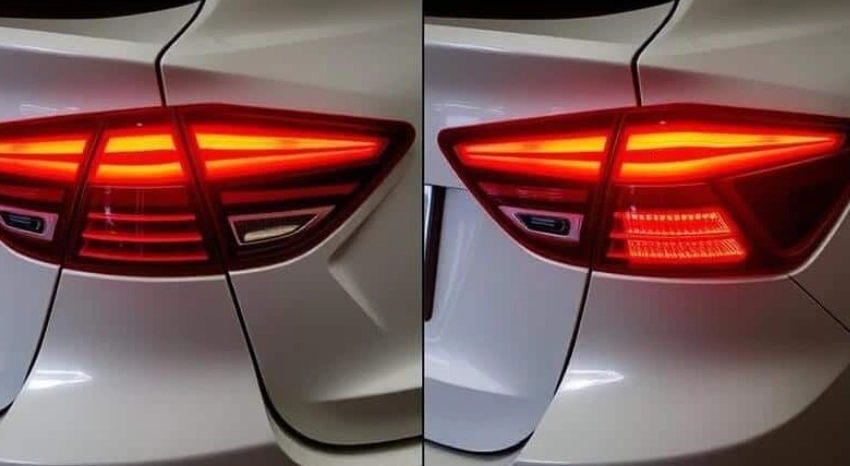
I remember helping a friend who said his "brake lights" weren't working. We turned on the headlights, and the rear red lights were on. He was confused. "See, they work!" He was mixing up the tail light function with the brake light function. A common mistake.
The Brake Light: Your Urgent Stop Signal
This is the emergency broadcast system of your car. The moment your foot touches the brake pedal, the brake light function kicks in, dramatically increasing the brightness of that same red bulb (or lighting up a separate section). Its purpose is to communicate one thing instantly and unambiguously: "I AM SLOWING DOWN OR STOPPING."
The intensity is regulated but must be significantly brighter than the tail light. This brightness differential is the key to the whole tail light bulb versus brake light bulb puzzle. It's why a single bulb can serve two purposes—it receives two different levels of electrical power.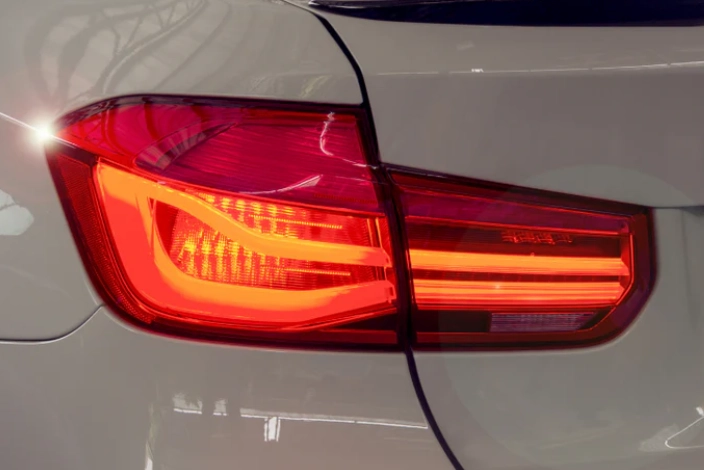
A failed brake light is a major safety hazard. The driver behind you might not realize you're stopping until it's too late. It's also a surefire way to get a traffic citation. Checking your brake lights should be part of your monthly car check, like checking tire pressure.
The Physical Bulb: Single vs. Dual Filament (The Real "vs.")
This is where the rubber meets the road. The physical bulb itself is where the tail light vs brake light bulb comparison gets technical. Here’s the breakdown that auto parts stores rarely explain clearly.
Most vehicles use a single bulb for both functions. This bulb isn't a simple one-trick pony; it's a dual-filament bulb. Think of it like an old-school incandescent light bulb with two separate, tiny wires (filaments) inside the same glass globe.
- Filament 1 (Tail Light): This is the thinner, lower-wattage filament. It glows when you send it a lower amount of power (when headlights are on).
- Filament 2 (Brake Light): This is the thicker, higher-wattage filament. It gets a full surge of power when you hit the brakes, burning much brighter.
The bulb has a base with two contacts (often on opposite sides) to power these two filaments independently. The most common type you'll encounter is the 1157 bulb for North American cars. Its cousin, the 1156, is a single-filament bulb used for things like turn signals or reverse lights where only one function is needed.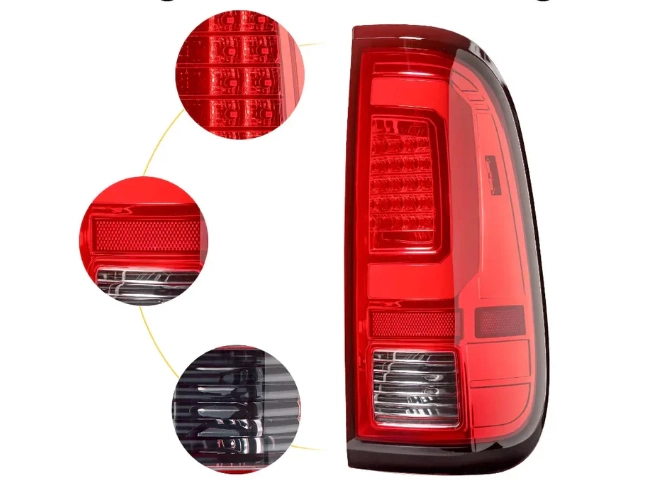
Some higher-end or modern cars use entirely separate LED modules or bulbs for tail and brake functions. You might see a strip of LEDs that glow dimly for tail lights and then a brighter inner cluster or the entire strip intensifying for brakes. In this case, you're not replacing a "bulb" but often an entire assembly, which is a different (and more expensive) ballgame.
| Feature | Tail Light Function | Brake Light Function |
|---|---|---|
| Primary Purpose | Vehicle visibility (position) | Signal deceleration/stopping |
| When It's On | With headlights/parking lights | Only when brake pedal is pressed |
| Light Intensity | Lower, constant glow | High, intense flash |
| Typical Bulb Type | Lower-wattage filament of a dual-filament bulb (e.g., 1157) | Higher-wattage filament of a dual-filament bulb (e.g., 1157) |
| Color (US/Canada) | Red | Red |
| Common Failure Symptom | No red glow at night with lights on | No bright light when brakes applied (but tail light may still work) |
How to Diagnose Which One is Out
Figuring out if you have a tail light bulb issue vs a brake light bulb problem is step one. Here's a foolproof method.
- Test the Tail Lights: Turn your vehicle's ignition to "ON" (or start it). Turn on your headlight switch. Walk to the back of the car. You should see a steady red glow from both sides. If one side is dark, that tail light function (the low-wattage filament) is dead.
- Test the Brake Lights: This is a two-person job, or you can use a clever trick. Have a friend press the brake pedal firmly while you look. Or, back your car up close to a reflective surface like a garage door, wall, or store window at night. Press the brake and look in your rearview mirror. You should see two bright red reflections. If one is missing or dim, that brake light filament is out.
- The Telltale Sign of a Dual-Filament Failure: Sometimes, but not always, when you press the brakes, the tail light on that side might get slightly brighter instead of properly illuminating. This can happen if the brake light filament breaks and sags onto the tail light filament, giving it extra current. It's a weird, half-bright failure that confirms the bulb needs replacing.
My own "aha" moment came with an old pickup truck. The left brake light was out. I replaced the bulb, but it still didn't work for brakes, only tail lights. Turns out, I had accidentally bought a single-filament 1156 bulb instead of the required 1157. The shapes were almost identical, but the contact points were different. The socket couldn't power the missing second filament. Felt silly, but it's a super common error.
The Step-by-Step Replacement Guide (It's Easier Than You Think)
Replacing a dual-filament bulb is a 10-minute job for most cars. You'll need a replacement bulb (check your owner's manual or the old bulb's number), and maybe a Phillips screwdriver or a trim removal tool.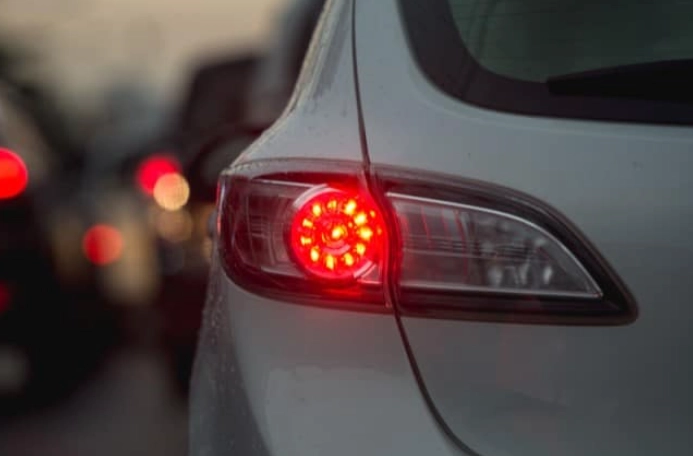
Getting to the Bulb
Access varies wildly. In many sedans, you open the trunk and peel back a fabric liner to reveal the back of the tail light assembly. In SUVs and trucks, you often access it from inside the cargo area behind a panel. Some cars require you to actually remove a few screws from the exterior to pop the whole light assembly out. A quick search for "[Your Car Make Model Year] tail light bulb replacement" on YouTube will show you the exact method.
The Swap
Once you see the back of the assembly, you'll find a large plastic socket (usually with wires coming out). Give it a quarter-turn counterclockwise and pull it straight out. The bulb is pressed into this socket. Push it in gently, give a slight turn, and it pops out. Critical tip: Do not touch the glass of the new halogen bulb with your bare fingers. The oils from your skin can create hot spots on the glass when it heats up, causing it to fail prematurely. Use a clean cloth or the plastic packaging to handle it. Insert the new bulb, reinsert the socket into the assembly (it will only go in one way), turn it to lock, and you're done.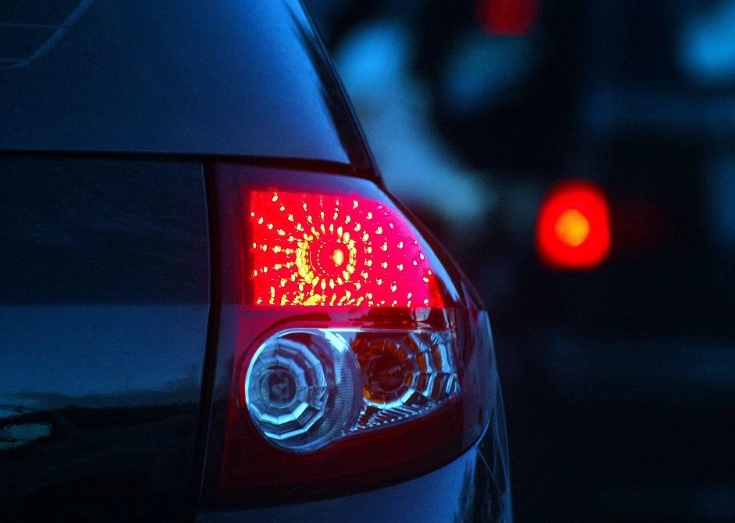
Pro Move: Always replace bulbs in pairs. If one tail/brake bulb filament has burned out, the other on the opposite side is likely the same age and nearing its end. Replacing both ensures balanced brightness and saves you from doing the job again in two weeks.
LED Bulbs: The Modern Twist on the Tail Light vs Brake Light Question
Here's where things get interesting for the DIY upgrader. You can buy LED replacement bulbs that fit the same 1157 sockets. They have clusters of tiny LEDs that mimic the dual filaments.
The Pros: They're much brighter, have a faster "on" time (which can marginally improve reaction time for drivers behind you), last vastly longer (like 30,000 hours vs 1,000 for halogen), and draw less power. I made the switch on my daily driver and the difference in clarity, especially in bright daylight braking, is noticeable.
The Cons and Cautions: Not all LED bulbs are created equal. Cheap ones can have terrible light patterns, blinding other drivers or not illuminating the lens correctly. The big issue is hyper-flashing or error messages. Your car's computer expects a certain electrical resistance from a halogen bulb. LEDs have almost none, so the car thinks the bulb is out and causes your turn signal (if it's a combo bulb) to flash rapidly, or triggers a dashboard warning. You often need to add load resistors (little heat-sinking devices wired in) to trick the computer. It adds complexity. The Society of Automotive Engineers (SAE) sets standards for lighting, and not all aftermarket LEDs meet them.
Also, check your local laws. Some regions have strict regulations about aftermarket LED replacements in stock housings. The reflector and lens were designed for the light pattern of a halogen filament. An LED can scatter light poorly.
Your Top Questions on Tail Light Bulbs vs Brake Light Bulbs, Answered
Can one bulb be out for tail lights but work for brake lights (or vice versa)?
Absolutely, and this is the most common failure mode for dual-filament bulbs. It proves they are separate circuits. The tail light filament (low power) can burn out while the brake light filament (high power) remains intact, and vice-versa. That's why testing both functions separately is key.
Why are my brake lights staying on all the time?
This has nothing to do with the bulb itself. The culprit is almost always a faulty brake light switch mounted near the top of your brake pedal arm. This switch gets pressed in when you release the pedal. If it breaks or gets misaligned, the car thinks you're always braking. It's a common and usually inexpensive fix.
The third, high-mounted brake light (the one on the rear deck or spoiler) is out. Is that the same bulb?
Often, yes. Many center high-mounted stop lamps (CHMSL) use a standard dual-filament or single-filament bulb, though increasingly they are long-life LEDs. Check your manual. The replacement process is similar but access can be tricky, sometimes requiring you to remove interior trim.
My brake lights work, but they seem dim. What's wrong?
Over time, the inside of a plastic tail light lens can fog or turn yellow from UV exposure, drastically reducing output. The reflector behind the bulb can also corrode. Try cleaning the inside of the lens (if accessible) or polishing the outside with a dedicated headlight restoration kit. If the housing is sealed, you might need a new assembly.
See? It's not so mysterious after all.
Safety, Legalities, and Why This All Matters
This isn't just car nerd trivia. Functional tail and brake lights are a legal requirement in every jurisdiction. According to the Car Care Council, lighting system failures are among the top reasons vehicles fail safety inspections. A ticket for a non-functioning brake light can cost you $100 or more, not to mention the potential for causing a rear-end collision where you could be found at least partially liable for having non-operational safety equipment.
Think of it this way: your brake lights are one of your primary means of communication with other drivers on the road. Keeping them in top shape is as important as checking your mirrors.
Final Reality Check: If you're ever unsure, or the job looks too complex (some German cars are notorious for requiring bumper removal), there's no shame in taking it to a professional mechanic. A quick bulb replacement at a shop is inexpensive and guarantees it's done right. Your safety is worth more than the $20 you might save.
So, the next time you wonder about the difference between a tail light bulb and a brake light bulb, remember: they're usually two personalities of the same physical component. One is your quiet, constant presence on the road. The other is your loud, urgent shout to stop. Understanding this simple duality empowers you to diagnose issues, make smart repairs, and most importantly, drive safer. Now go do that two-minute brake light test. I'll wait.