Quick Guide
- What's a Differential and Why Does Its Fluid Matter?
- When Should You Actually Do a Differential Fluid Replacement?
- Choosing the Right Fluid: It's Not One-Size-Fits-All
- The DIY Differential Fluid Replacement: A Step-by-Step Walkthrough
- What If You Don't Want to DIY? Understanding Shop Costs
- Your Differential Fluid Questions, Answered
- The Bottom Line: Why This Simple Service Matters
Let's talk about something most people forget until it's too late. Your car's differential. It's that hunk of metal sitting between your rear wheels (or sometimes up front) that nobody thinks about. But when it fails, your wallet cries. The secret to keeping it happy? It's all about the oil inside it. That's what a differential fluid replacement is for.
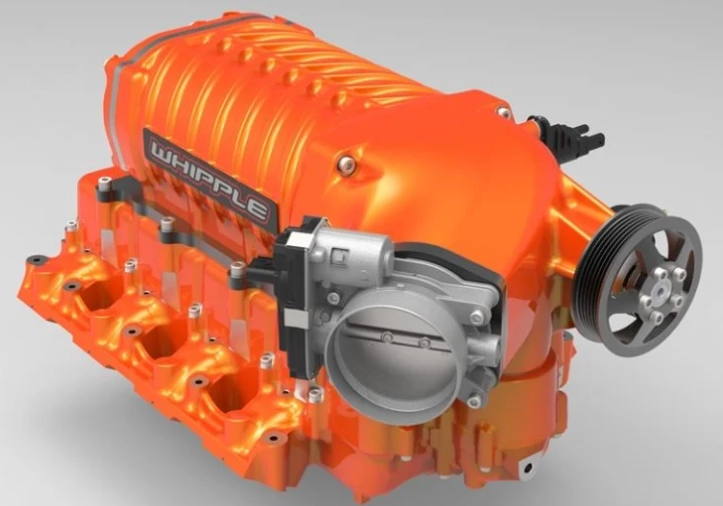
I remember the first time I heard a whining noise from the back of my old truck. It sounded like a supercharger, but not the cool kind. More like a tired, angry bee trapped in a tin can. Turns out, the previous owner had treated differential fluid replacement as a "lifetime" service. Spoiler: nothing in a car is truly lifetime. That repair bill taught me a lesson I'm about to share with you.
What's a Differential and Why Does Its Fluid Matter?
Okay, quick physics lesson without the boring textbook talk. When you turn a corner, your outside wheel has to travel farther than the inside wheel. The differential lets them spin at different speeds. Without it, your tires would scrub and hop every time you turned. Inside this gearbox, metal gears are constantly meshing, grinding, and generating heat and friction.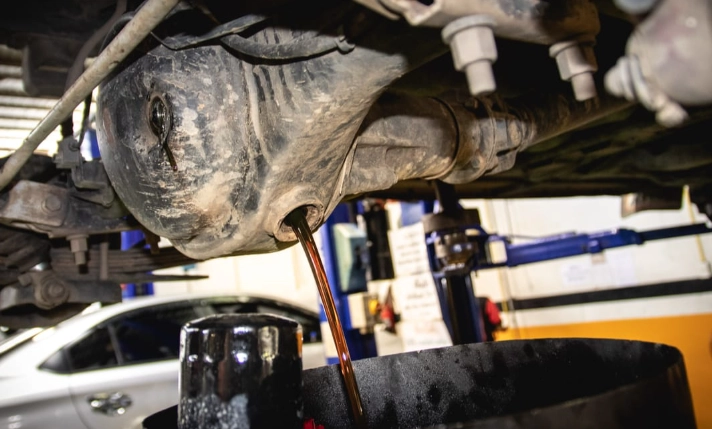
The fluid is the lifeblood. It's not just oil. It's a heavy-duty lubricant packed with extreme pressure (EP) additives. It cools the gears, prevents metal-on-metal contact, and protects against wear and corrosion. Over time, this fluid breaks down. It gets contaminated with tiny metal shavings (normal wear), moisture can seep in, and the additives get used up. That's when trouble starts.
So, what happens if you skip this service? The gears start to wear prematurely. You'll hear noises first – whining, howling, or chattering. Then, you might feel vibration. Eventually, the differential can seize up or the gears can literally break teeth. At that point, you're not talking about a simple differential fluid change; you're looking at a rebuild or a full unit replacement costing thousands.
When Should You Actually Do a Differential Fluid Replacement?
This is where everyone gets confused. The manual says one thing, forums say another, your buddy says "never touch it." Let's clear it up.
Manufacturers often suggest intervals between 30,000 to 60,000 miles. Some modern cars might say 100,000 miles or even "lifetime fill." I'm deeply skeptical of that last one. "Lifetime" often means the lifetime of the warranty, not the car.
Forget the mileage for a second. Your driving habits are the real deciding factor. Here’s a quick list of conditions that murder differential fluid:
- Towing or Hauling Heavy Loads: Constant strain creates immense heat.
- Off-Roading or Frequent Water Exposure: Water contamination is a killer. Submersing an axle is a surefire way to need an immediate fluid change.
- Aggressive Driving or Track Use: High RPMs and forces push the fluid to its limits.
- Short Trips: The fluid never gets hot enough to boil off condensation, leading to water buildup.
The Signs You've Waited Too Long
Your car will tell you it needs a differential fluid replacement. You just have to listen and feel.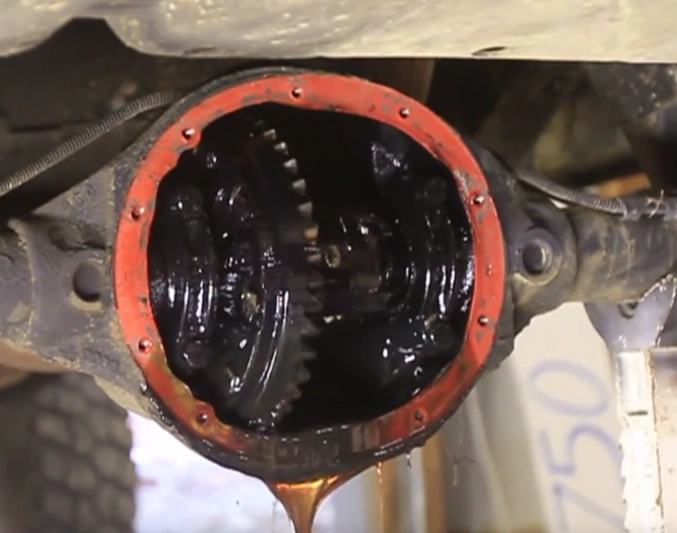
- The Whine: A humming or whining noise that changes with speed. It's most noticeable on light throttle, and might fade when you let off the gas. Coming from the rear (or front) of the car.
- The Leak: See dark, thick oil leaking from the center of your axle or around the axle seals. That's your fluid making a break for it.
- Burning Smell: Overheated gear oil has a distinct, acrid, burnt smell. If you catch a whiff after a hard drive, investigate.
If you're hearing a loud clunking or banging on acceleration, you're past the warning stage. The damage is likely done.
Choosing the Right Fluid: It's Not One-Size-Fits-All
This is the most common DIY mistake. Grabbing any bottle labeled "gear oil" is a recipe for disaster. Using the wrong type can lead to rapid wear or even immediate failure. The specifications matter.
The two main specs you'll see are API GL rating and viscosity (like 75W-90).
| Fluid Type (Common Specs) | Best For... | Key Characteristics & Notes |
|---|---|---|
| Conventional Gear Oil (e.g., API GL-5) | Most standard open differentials in trucks, SUVs, older cars. | Excellent extreme pressure protection. CAUTION: Often harmful to "limited-slip" or "posi" differentials as it lacks friction modifiers. |
| Limited-Slip Differential Fluid (e.g., API GL-5 with friction modifiers) | Differentials with clutch packs (LSDs) found in performance cars, trucks, some SUVs. | Contains special additives to allow clutch plates to engage smoothly without chattering. Using standard GL-5 here will cause a shudder on turns. |
| Full Synthetic Gear Oil (e.g., 75W-90 Full Syn) | All applications, especially high-performance, towing, or extreme temperatures. | Flows better when cold, resists thermal breakdown when hot. Simply better in every way. Worth the extra few dollars. |
| Factory-Specific Fluids | Some modern cars (Honda, Toyota, specific German models). | These can have unique additive packages. Always check the owner's manual first. Deviating can void warranties or cause issues. |
How do you know what you need?
First, crack open your owner's manual. It's the final authority. Second, identify your differential type. Is it open? Limited-slip? A Torsen? A quick search of your car's model and year plus "differential type" will usually tell you. If you have a limited-slip, you must use fluid labeled for LSDs.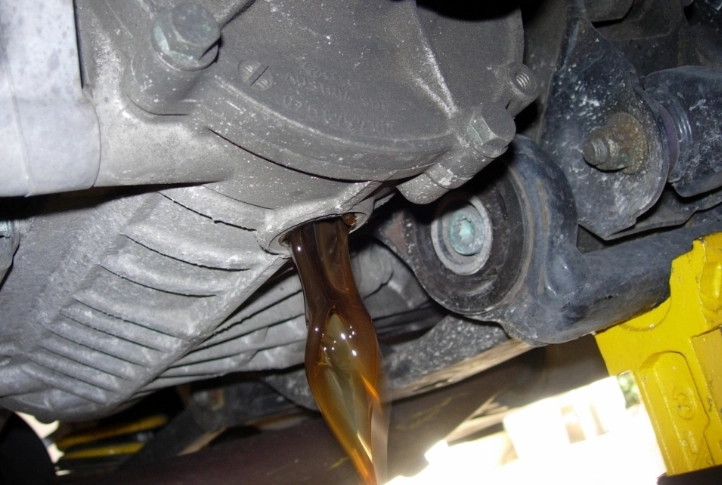
I made the mistake once of putting standard GL-5 in a limited-slip unit. The chatter on slow turns was embarrassing and terrible for the clutches. Had to drain it and do the job again. Not fun.
The DIY Differential Fluid Replacement: A Step-by-Step Walkthrough
If you're moderately handy, this is a very doable job. It's messy, but not complex. It often requires no jacking up the car if you have room to slide underneath. Safety first, though. Always use jack stands on solid ground.
Tools and Parts You'll Need
- Correct gear oil (usually 2-3 quarts).
- New gasket or RTV silicone gasket maker (check your cover type).
- Socket set, ratchet, and extensions.
- Fluid transfer pump (the hand-operated kind is cheap and essential).
- Drain pan.
- Torque wrench (crucial for re-tightening bolts properly).
- Gloves and safety glasses (this stuff stinks and stains).
- Brake cleaner and rags.
The Process, Plain and Simple
1. Prep and Drain: Drive the car for a short bit to warm the fluid slightly (makes it drain easier). Park on level ground. Place your drain pan underneath the differential housing. Most units have a fill plug and a drain plug, or a single cover plate. Loosen the fill plug first! This is critical. If you drain it and then find the fill plug seized, you're stranded. Once the fill plug is loose, remove the drain plug or all the bolts from the cover plate (oil will gush out, so be ready). Let it drain completely.
2. Clean and Inspect: This is the most valuable step. While the cover is off, use brake cleaner and rags to clean the inside of the cover and the exposed gears. Look for large metal chunks or excessive silvery sludge. A little fine metallic paste on the magnetic drain plug is normal. Big chunks are bad news. Inspect the gear teeth for pitting, scoring, or broken edges.
3. Re-seal and Refill: Clean the mating surfaces perfectly. Apply a new gasket or a thin, continuous bead of RTV silicone. Reinstall the cover and tighten the bolts in a criss-cross pattern to the specified torque (look this up!). Don't just crank them down – you can warp the cover. Once sealed, it's time for the differential fluid replacement fill. Insert your pump tube into the fill hole and pump in fresh fluid until it just starts to seep out of the hole. That's the correct level. Reinstall the fill plug.
4. Final Check: Clean up any spills, lower the car, and take it for a gentle test drive. Listen for changes. Check for leaks after the first drive and again the next day.
What If You Don't Want to DIY? Understanding Shop Costs
Not everyone wants to crawl under a car. That's fine. A professional differential fluid replacement is a relatively inexpensive service compared to most repairs.
You're typically looking at 0.5 to 1.5 hours of labor, plus fluid and supplies. For a standard car or truck, the total cost often ranges from $150 to $300 at an independent shop. Dealerships will be higher. The price can jump if you have a special fluid requirement (some synthetic or factory fluids are pricey) or if the fill/drain plugs are badly rusted and need extra work.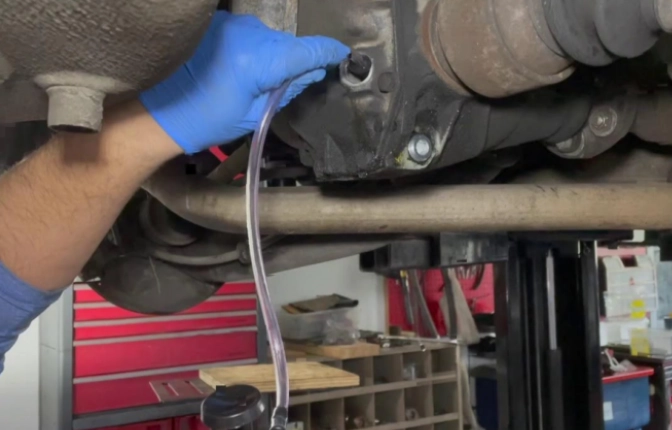
When getting a quote, ask exactly what fluid they'll use. Specify if you want a full synthetic. A good shop will be transparent about this.
Your Differential Fluid Questions, Answered
The Bottom Line: Why This Simple Service Matters
Look, in the grand scheme of car maintenance, a differential fluid replacement is cheap insurance. It costs a fraction of what a new differential costs. It's a proactive, preventative measure that speaks to taking real care of your vehicle.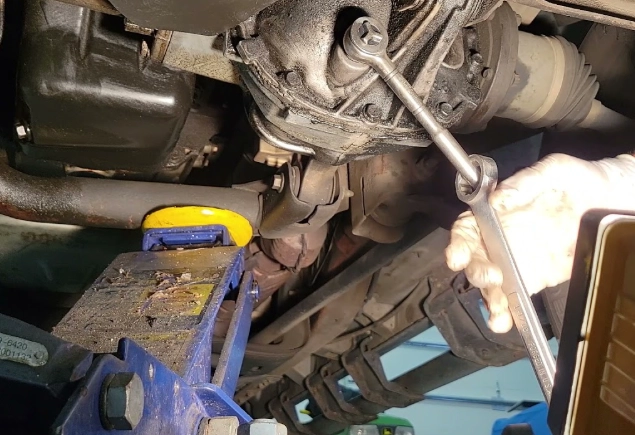
Whether you do it yourself in an afternoon or have a trusted mechanic handle it, just make sure it gets done. Follow your manual's severe service schedule if your driving matches it, use the exact fluid specified, and don't ignore the early warning signs.
That quiet hum from the rear end? It's not your car singing. It's begging for a fresh drink. Give it one, and it'll keep turning those wheels smoothly for another 50,000 miles, no complaints.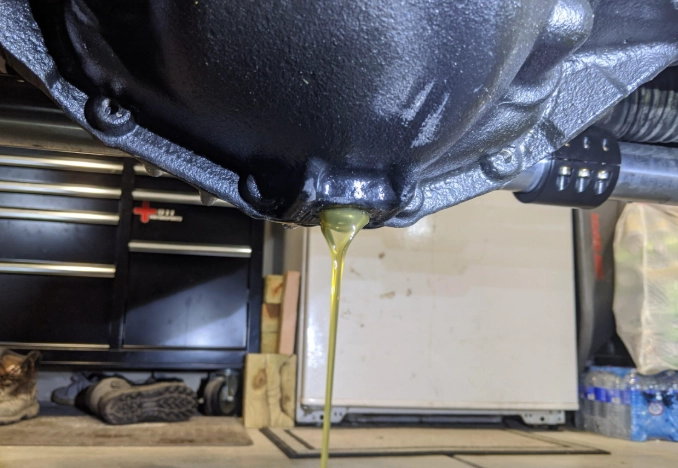
So, what's your next move? Check the manual, note the mileage, and maybe slide under the car this weekend. Your differential will thank you.