You glance at the gas pump total, wince, and wonder for the hundredth time: why is my car drinking so much fuel? It's a universal pinch point for drivers. The good news? Improving your car's fuel efficiency isn't about magic or buying a new hybrid. It's about understanding a handful of controllable factors and making small adjustments that add up to serious savings. I learned this the hard way after years of assuming my MPG was just a fixed number on the window sticker.
What You'll Learn in This Guide
The Big Three: Where Your Fuel Actually Goes
Before we fix it, let's see where the gas goes. Roughly speaking, your engine's energy gets divided three ways. Most guides get this wrong by oversimplifying.
The real breakdown looks more like this: About 60-70% of the energy in gasoline is lost as heat in the engine and exhaust system. That's physics, and we can't change it much. Of the remaining useful energy, here's where it's allocated under normal driving:
| Energy Consumer | Approximate Share | What It Powers | Your Control Level |
|---|---|---|---|
| Overcoming Rolling Resistance | ~4-7% | Fighting tire deformation and friction with the road. | High. Tire choice and pressure are huge. |
| Overcoming Aerodynamic Drag | ~2-3% at city speeds, ~8-12% at highway speeds | Pushing air out of the way. Increases exponentially with speed. | Medium. Speed and roof racks matter. |
| Powering Accessories | ~2-5% | Air conditioning, headlights, infotainment, seat heaters. | Medium. You choose when to use them. |
| Drivetrain Losses | ~5-6% | Friction in transmission, differential, bearings. | Low. Maintain proper fluid levels. |
See the opportunity? The "Overcoming" categories are where you have direct leverage. A 10% reduction in rolling or aerodynamic resistance translates almost directly to a fuel saving. That's why tire pressure isn't just a safety thing—it's a wallet thing.
Your Right Foot: How Driving Habits Matter Most
You can have a perfectly tuned car and still get terrible mileage if you drive aggressively. This is the single biggest factor under your control, and it's free.
I used to think getting up to speed quickly was efficient. It's not. Jackrabbit starts are like pouring a cup of gas on the pavement. The most efficient acceleration is smooth and moderate. Aim to reach your cruising speed in about 15-20 seconds, not 5.
Anticipate and Coast
This is the pro move most people ignore. Look ahead two or three cars, or to the next traffic light. If you see brake lights or a red light, take your foot off the accelerator immediately and coast. You're converting kinetic energy into distance for free, instead of burning fuel to get there and then wasting that energy as heat through your brakes.
A common misconception: Many believe shifting to neutral while coasting ("coasting in neutral") saves more fuel. For modern fuel-injected cars, this is false and can be less safe. When you're in gear and coasting with your foot off the gas, most engines will cut fuel injection completely (fuel cut-off). In neutral, the engine must idle and burn fuel to keep running. Stay in gear to coast.
Speed is a Thief
Aerodynamic drag isn't linear. Driving at 75 mph instead of 65 mph can increase fuel consumption by 15-20%. On a long trip, the time you save is often minimal compared to the extra cost. Try setting your cruise control at the speed limit or just below. You'll be more relaxed and richer.
The Non-Negotiable Car Care Checklist
Neglecting maintenance is like trying to run a marathon with the flu. Your car struggles, and you pay for it. This isn't about complex mechanics; it's about a few key items.
Tire Pressure: This is the lowest-hanging fruit. Under-inflated tires increase rolling resistance dramatically. Check them monthly when they're cold (before driving). Don't just go by the max pressure on the tire sidewall. Use the recommended pressure listed on the sticker inside your driver's door jamb or in the owner's manual. I was running mine 5 PSI low for months and wondered why my MPG had dipped.
Engine Air Filter: A clogged filter chokes the engine, making it work harder. Check it at every oil change. Hold it up to a bright light. If you can't see light through it, replace it. It's a $15 part and a 5-minute job on most cars.
Motor Oil: Using the wrong viscosity oil can create more internal friction. Stick to the weight (like 0W-20 or 5W-30) recommended in your manual. Some studies, like those referenced by the U.S. Department of Energy, suggest using the manufacturer's recommended grade of motor oil can improve gas mileage by 1-2%. That adds up.
Spark Plugs & Ignition System: Worn plugs cause misfires—fuel gets into the cylinder but doesn't burn completely. That's pure waste. Replace them at the interval specified in your maintenance schedule.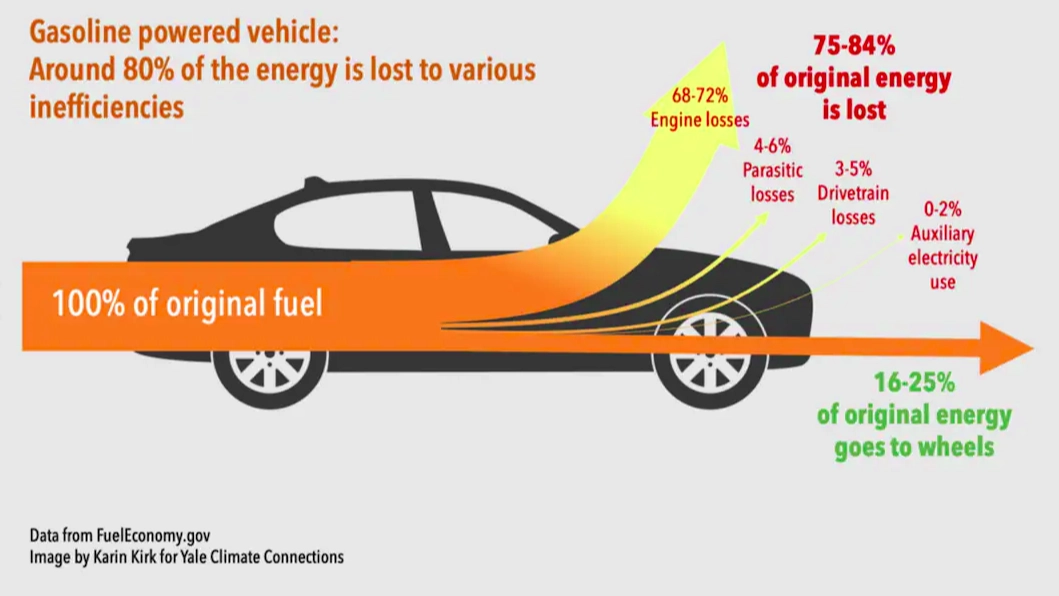
Beyond Basics: Smart Tech and Upgrades
Once the fundamentals are solid, you can consider these. Don't start here, though. Fix your driving and maintenance first.
- Low Rolling Resistance Tires: When it's time for new tires, look for the UTQG rating and choose models marketed for fuel efficiency. They trade a tiny bit of ultimate grip for less rolling resistance. The difference can be 1-3 MPG.
- Weight Reduction: Are you hauling around a trunk full of sports equipment, tools, or junk? Every 100 pounds reduces MPG by about 1%. Clean out your car.
- Aero Modifications: For highway drivers, removing a roof rack or cargo box when not in use is a no-brainer. An empty roof rack can still cost you 2-5% in fuel economy due to drag.
- Fuel System Cleaners: I'm skeptical of most miracle additives. However, a bottle of a reputable fuel injector cleaner (like Techron) once every 10,000 miles or so can help clean deposits in older cars and restore a bit of efficiency. It's not a magic potion, but it can help.
The Truth Serum: How to Track Your Real MPG
Your car's trip computer is an estimate, often an optimistic one. To know your true fuel efficiency, you need to do a manual calculation. It's simple.
Here's my method: At your next fill-up, reset your trip odometer to zero. Drive normally until you need fuel again. On that next fill-up, note the number of gallons it takes to fill the tank (from the pump) and the miles you drove (from your trip odometer). Then do the math: Miles Driven ÷ Gallons Used = Your Real MPG.
Do this over three or four tanks to get a reliable average. This number is your baseline. After you implement changes—like checking tire pressure or smoothing your driving—track it again. Seeing the number go up is the best motivation.
Your Fuel Efficiency Questions, Answered
 I've heard about "hypermiling" techniques. Are they safe or practical?