Navigate This Guide
- Why the Correct Tail Light Bulb Size Actually Matters
- How to Find Your Car's Tail Light Bulb Size (No Manual? No Problem!)
- The Most Common Tail Light Bulb Sizes Decoded
- The LED Question: Can You Just Swap Any LED for Your Bulb Size?
- A Step-by-Step Guide to Replacing Your Tail Light Bulb
- Common Questions About Tail Light Bulb Sizes (Answered)
Let's be honest for a second. How many of us have stood in the auto parts aisle, holding a burnt-out tail light bulb in one hand and staring at a wall of confusing plastic packages in the other, feeling completely lost? I know I have. More than once. You see numbers and letters like 1157, 7443, 3157, P21/5W... it looks less like a bulb size and more like a secret code you need to crack.
And getting it wrong isn't just annoying. It's a waste of time and money. You drive all the way home, pop open the tail light assembly (which can be a fight in itself on some cars), only to find the new bulb's pins are in the wrong place, or it's too tall, or it just... won't click in. Back to the store you go.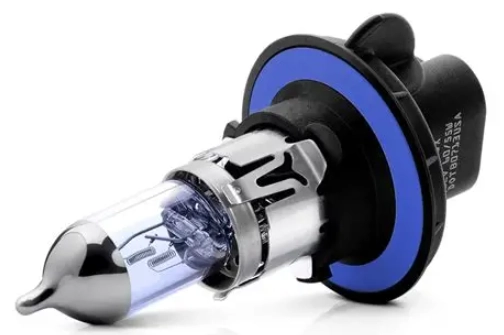
This guide is here to end that confusion. We're going to break down exactly what those codes mean, show you the foolproof ways to find the right one for your specific car, and walk through everything you need to know to get the job done right the first time. No more guesswork.
Why the Correct Tail Light Bulb Size Actually Matters
It's easy to think "a bulb is a bulb," but that's where trouble starts. The right tail light bulb size isn't just about making it fit in the hole.
First and foremost, it's a safety thing. Your tail lights are how drivers behind you know you're braking or turning. A bulb that's too dim, lights up the wrong part of the lens, or has the wrong filament configuration can send confusing signals. That's a hazard. Organizations like the National Highway Traffic Safety Administration (NHTSA) have specific regulations about lighting for this very reason.
Then there's the fit. An incorrect bulb might seem to go in, but it could sit at a wrong angle, not seal properly (letting moisture in — a sure way to ruin the whole assembly), or have poor electrical contact. Poor contact means flickering, intermittent operation, or just complete failure down the road.
Finally, it's about performance and legality. Many modern cars have complex electrical systems and bulb-out warning sensors. The wrong bulb type can confuse these systems, giving you false warnings on your dash. And in some places, using non-standard bulb colors or types can actually get you a ticket.
So yeah, taking a few minutes to get the correct tail light bulb size is worth it.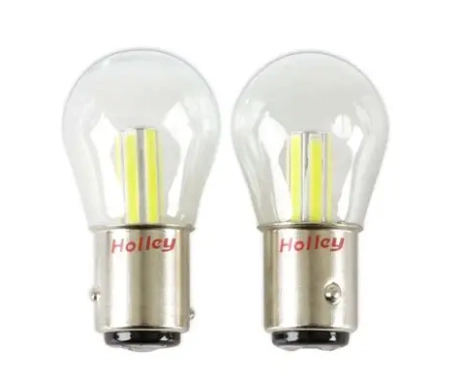
How to Find Your Car's Tail Light Bulb Size (No Manual? No Problem!)
Okay, let's get practical. You need to find the magic number for your vehicle. Here are the best ways, starting with the easiest.
Method 1: Check Your Owner's Manual
This should always be your first stop. Flip to the index or the maintenance section — there's almost always a page dedicated to bulb specifications. It'll list everything: headlights, interior bulbs, and yes, your tail light bulb size. It might list it by a standard number (like 3157K) or sometimes by wattage. Write it down or take a picture with your phone.
Method 2: Read the Old Bulb
This is the most reliable method if you already have the old bulb in hand. The size is almost always stamped or molded right into the metal base or the glass itself. You might need to wipe off some grime or hold it under a good light, but look carefully. You're searching for a combination of numbers and letters.
Sometimes you'll see two numbers, like 1157. Other times it might look more complex, like P21/5W. That's okay. Just get the exact code. If you see multiple codes, the most prominent one is usually the industry standard size.
Method 3: Use Online Bulb Finders
Every major auto parts retailer website has a "vehicle bulb finder" tool. Sites like Sylvania's Vehicle Light Replacement Guide are fantastic resources. You simply enter your car's year, make, model, and sometimes trim level. It will generate a complete list of every bulb on your car. This is incredibly helpful and often includes diagrams.
The caveat? Make sure you double-check. I've seen these tools be wrong for very specific model years or trim packages, especially on imported cars. It's a great starting point, but if you can combine it with Method 2, you'll be golden.
Method 4: Look Inside the Housing or Trunk Lid
On some older cars or certain European models, you might find a sticker inside the trunk lid, near the spare tire well, or even on the inside of the tail light housing itself that lists bulb types. It's less common now, but worth a quick peek.
The Most Common Tail Light Bulb Sizes Decoded
Let's crack that code. Here's a rundown of the tail light bulb sizes you'll encounter most often. Think of these as the "usual suspects."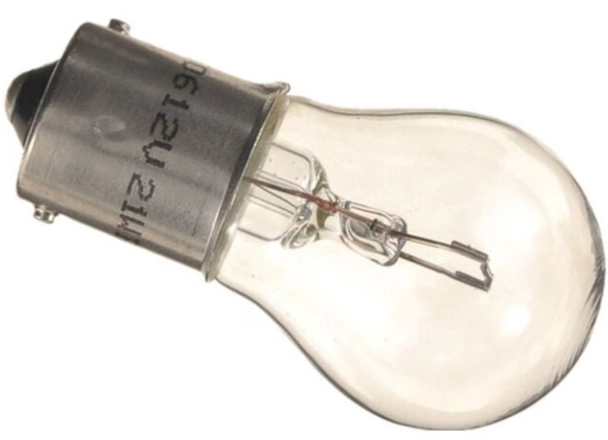
| Bulb Size (Standard) | Also Known As | Filaments | Common Use | Notes |
|---|---|---|---|---|
| 1157 | BAY15D, P21/5W, 7528 | 2 | Classic American cars, older trucks, many trailers. Used for combined tail & brake light. | The grandfather. Offset pins prevent wrong insertion. 5W for tail, 21W for brake. |
| 3157 | PY21W, 4057, 4157 | 2 | The modern king. Used in probably 70% of cars from the late 90s onward for tail/brake. | Looks like 1157 but with straight pins. Brighter and longer-lasting. The go-to size. |
| 7443 | P21/4W | 2 | Similar to 3157, common in many Asian imports (Toyota, Honda, Nissan). | Often interchangeable with 3157, but the wattage can differ slightly. Check your manual. |
| 1156 | BA15S, P21W, 7506 | 1 | Single-function lights: reverse lights, turn signals (in some cars), side markers. | Single filament version of the 1157. Offset pins. |
| 3156 | P21W | 1 | Single-function lights on modern cars: reverse, turn signal. | Single filament version of the 3157. Straight pins. |
| W21W | 7440, 2825 | 1 (Often Wedge Base) | Clear turn signals, side markers. Very common wedge-base bulb. | This is a "wedge" base bulb—it pushes in, no twisting. The "W" often stands for Wedge. |
| W16W | 194, 168 | 1 (Wedge Base) | Small side marker lights, license plate lights, some interior lights. | Tiny low-wattage wedge bulb. Often used for subtle lighting functions. |
See the pattern? The numbers ending in "7" (1157, 3157, 7443) are usually dual-filament for combined brake/tail lights. Numbers ending in "6" (1156, 3156) are usually single-filament for things like reverse lights or turn signals. The "W" prefix usually means a wedge base.
But here's a crucial point: A bulb can have multiple names. A 3157 might also be called a 4057, 4157, or PY21W depending on who's selling it. The Society of Automotive Engineers (SAE) sets standards, but manufacturers and retailers use their own codes too. Focus on the primary industry number you found on your old bulb or in your manual.
The LED Question: Can You Just Swap Any LED for Your Bulb Size?
This is the big trend, and for good reason. LEDs are brighter, last way longer, and use less power. So, can you just grab an "LED 3157" and pop it in? Well... maybe, but it's not always simple.
First, the good. If you find an LED bulb designed as a direct replacement for your specific tail light bulb size (e.g., "3157 LED Red" for a brake light), and it's from a reputable brand, it often works great. The light output is instant and crisp.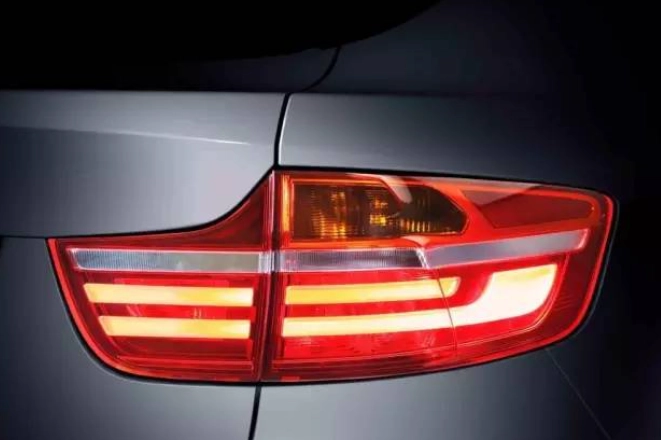
Now, the potential headaches.
- Hyperflashing: Your car's turn signal circuit is designed to sense a certain electrical load (the resistance of the old filament bulb). LEDs draw almost no power. The car thinks the bulb is burnt out and makes the turn signal blink super fast as a warning. To fix this, you often need "CAN-BUS" or "load resistor" compatible LEDs, or you have to install external resistors. It's extra work and parts.
- Wrong Light Pattern: Filament bulbs throw light in all directions. LEDs are directional. A poorly designed LED replacement might only shine light forward, not out to the sides of the housing, making your tail light look dim or patchy from certain angles. Look for LEDs with 360-degree or multi-directional chips.
- Bulb Out Warnings: Similar to hyperflashing, the car's computer might see the low draw of an LED and trigger a "Bulb Out" warning on your dashboard, even though the light works fine.
- Heat & Fit: Good LEDs need heat sinks. Sometimes these heat sinks are bulky and can make the bulb too long or wide to fit back into the enclosed tail light housing. Always check the dimensions before buying.
A Step-by-Step Guide to Replacing Your Tail Light Bulb
You've got the right bulb. Now let's get it in there. The process varies a ton by car, but the general flow is similar. SAFETY FIRST: Park on a level surface, set the parking brake, and turn the lights and ignition OFF.
Step 1: Access the Bulb Housing
This is usually the trickiest part. On most modern cars, you access the tail light bulbs from inside the trunk or the rear interior panel. You'll need to peel back or unsnap a fabric or plastic cover. On some older cars, trucks, and SUVs, you access them directly from the outside by removing a few screws on the lens assembly itself. If you're unsure, a quick YouTube search for "[Your Car Year Make Model] tail light bulb replacement" will show you exactly how.
Step 2: Remove the Old Bulb
Once you see the back of the tail light assembly, you'll see a plastic socket with wires going into it. There are typically two types of sockets:
- Twist-and-Lock: Most common. Push the socket in slightly and turn it counter-clockwise (usually about 1/8th of a turn). It should then pull straight out.
- Push-and-Turn (Bayonet): Found on older bulbs like the 1156/1157. Push the bulb in slightly and turn counter-clockwise to unlock it, then pull it out.
Gently pull the bulb straight out of the socket. Don't yank on the wires.
Step 3: Install the New Bulb
CRITICAL: Do NOT touch the glass of a new halogen bulb with your bare fingers. The oils from your skin create hot spots on the glass when the bulb heats up, which can drastically shorten its life. If you do touch it, wipe it clean with rubbing alcohol on a cloth. This isn't an issue with LED bulbs.
Align the new bulb exactly as the old one came out. Match the pins or tabs. It should slide in smoothly and lock with a gentle twist or click. If you have to force it, STOP. You probably have the wrong tail light bulb size or it's not aligned correctly.
Step 4: Test Before You Reassemble Everything
This step has saved me so much time. Before you put the socket back into the housing or screw anything back together, turn on your car's ignition (but don't start the engine). Turn on your headlights—the tail lights should glow. Then have a friend step on the brake pedal, or use a heavy object to hold the pedal down while you check that the brake lights work. Turn on your left and right turn signals. Check the reverse lights (you may need to put the car in reverse with the brake firmly held).
If everything works, turn everything off and proceed to reassemble. If not, the bulb might not be seated fully, or you might have the wrong type.
Common Questions About Tail Light Bulb Sizes (Answered)
Let's tackle some of the specific things people wonder about when they're searching for this info.
Finding the right tail light bulb size doesn't have to be a mystery or a chore. It boils down to this: find the code (from the manual or the old bulb), understand what it means (dual or single filament, pin type), and buy a quality replacement from a brand you trust. Take your time with the installation, test it before buttoning everything up, and you're done.
Forget the guesswork in the auto parts aisle. Armed with this info, you can walk in knowing exactly what you need. Your car will be safer, you'll save yourself potential headaches, and you'll get that little satisfaction that comes from fixing something yourself.
Got a weird bulb size story or a tip I missed? Feel free to look it up—there are great forums for almost every car model out there where people share their specific experiences. That's often the best resource of all.