If you've ever searched for "air filter replacement how often," you've probably seen the same generic answer everywhere: every 12,000 to 15,000 miles, or once a year. I'm here to tell you that advice is often useless, and sometimes even harmful. Following a rigid mileage interval is like watering your plants on a strict schedule regardless of the weather—it might work sometimes, but it'll fail when conditions change.
My name's Tom, and I've been a mechanic for over a decade. I've seen engines choked by filters that looked clean at a glance but were clogged with fine desert dust. I've also seen people waste money replacing perfectly good filters because a sticker on their windshield told them to. The real answer to how often you should change your engine air filter isn't on a calendar; it's in your driving habits and environment.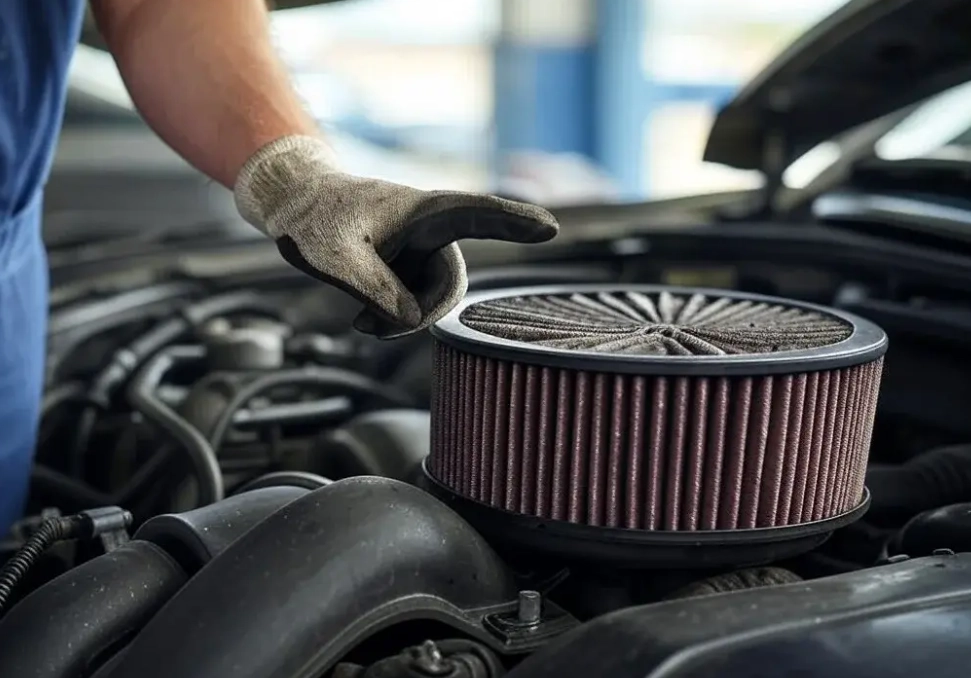
What You'll Learn in This Guide
The Problem with the "Every 12,000 Miles" Rule
Car manufacturers and quick-lube shops love simple rules. They're easy to remember and sell. The Environmental Protection Agency (EPA) even notes that a clean air filter can improve acceleration by 6-11% on older vehicles. But they don't specify a universal interval because there isn't one.
Think about it. Does a car driven daily on dusty, unpaved ranch roads in Arizona have the same air filter needs as one driven only on clean, paved highways in Seattle? Of course not. The Arizona car's filter might be done in 5,000 miles, while the Seattle car's could last 30,000. Sticking to 12,000 miles would ruin one engine and waste the other owner's money.
What Actually Determines Your Air Filter Change Schedule
Forget the mileage for a second. To figure out your car's needs, you need to audit your driving life. Here are the five big factors.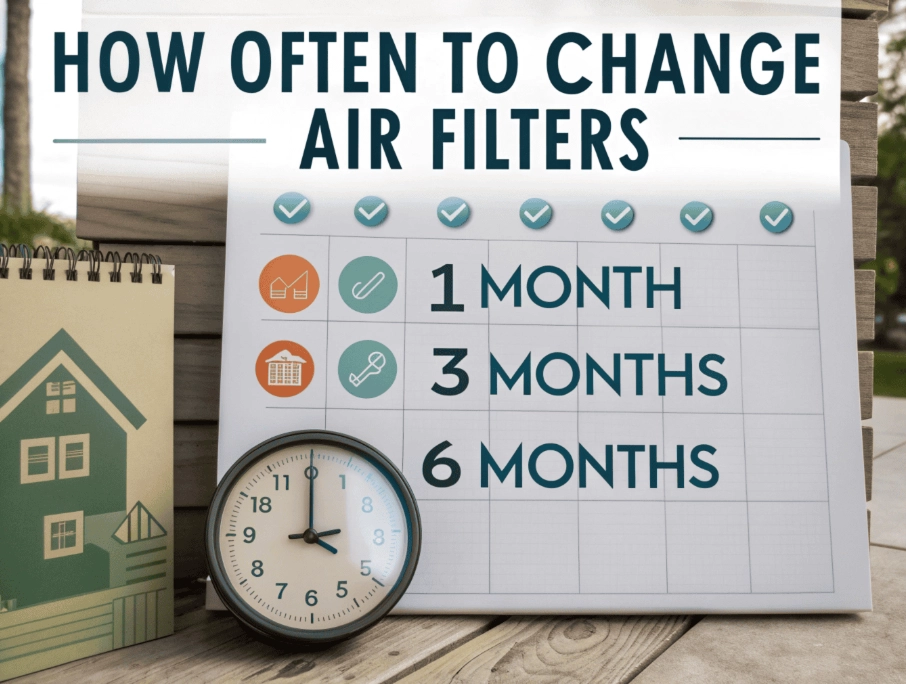
1. Your Driving Environment (The Biggest Culprit)
This is the make-or-break factor. Air quality isn't the same everywhere.
- High-Dust & Off-Road Areas: Living near construction sites, farms, deserts, or driving on gravel/dirt roads regularly. This is the #1 filter killer. Fine particulate matter is the enemy.
- Heavy Traffic & City Driving: Not just dust, but brake dust, rubber particles, and general urban grime. Stop-and-go traffic means your engine is sucking in more of this low-altitude muck.
- Seasonal Factors: Pollen season can coat a filter in a yellowish layer surprisingly fast. Areas with frequent wildfires also see a dramatic drop in air quality that directly impacts your filter.
2. The Type of Air Filter You Use
Not all filters are created equal. The cheap paper one from the discount store and the high-performance cotton gauze filter have different lifespans and trapping capabilities.
| Filter Type | Typical Lifespan | Pros & Cons | Best For |
|---|---|---|---|
| Standard Paper | 15,000 - 30,000 miles | Cheap, effective for most. Disposable when dirty. | Everyday drivers on paved roads. |
| Oiled Cotton Gauze (Performance) | Can be cleaned & re-oiled | Better airflow, reusable. Requires maintenance. | Enthusiasts, modified cars, very dusty environments. |
| High-Capacity Paper | Up to 50,000+ miles (claims) | More pleats, more surface area. More expensive. | Long-distance highway drivers, those wanting longer intervals. |
I generally recommend a quality standard or high-capacity paper filter for 95% of drivers. The reusable ones are great but add a layer of complexity—if you don't clean and oil them correctly, you can do more harm than good.
3. Your Vehicle's Usage Patterns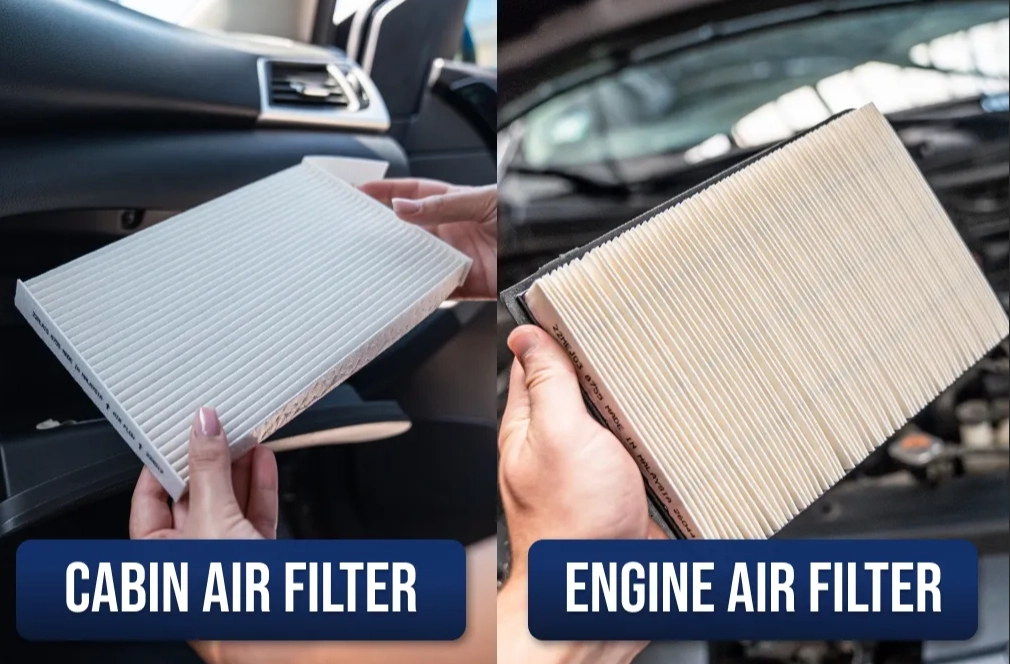
How you use the car matters as much as where you drive it.
- The Short-Trip Commuter: Multiple short trips don't allow the engine to fully warm up and burn off condensation. This slightly damp environment can make dirt and debris stick to the filter media more aggressively.
- The Highway Cruiser: Long, steady drives on interstates are arguably the easiest life for an air filter. The air intake is more consistent, and there's often less heavy particulate matter at highway speeds away from immediate road surfaces.
- Towing or Heavy Loads: When your engine works harder, it breathes more deeply and rapidly. It pulls more air—and more dirt—through the filter in a given amount of time.
4. Visual & Performance Checks (The Ultimate Decider)
This is where you take control. You need to look at it. The recommended intervals in your owner's manual are a safe maximum under ideal conditions. Your conditions are probably not ideal.
5. Cabin Air Filter vs. Engine Air Filter
A quick but crucial distinction. People often confuse these.
- Engine Air Filter: Protects your engine. Discussed here.
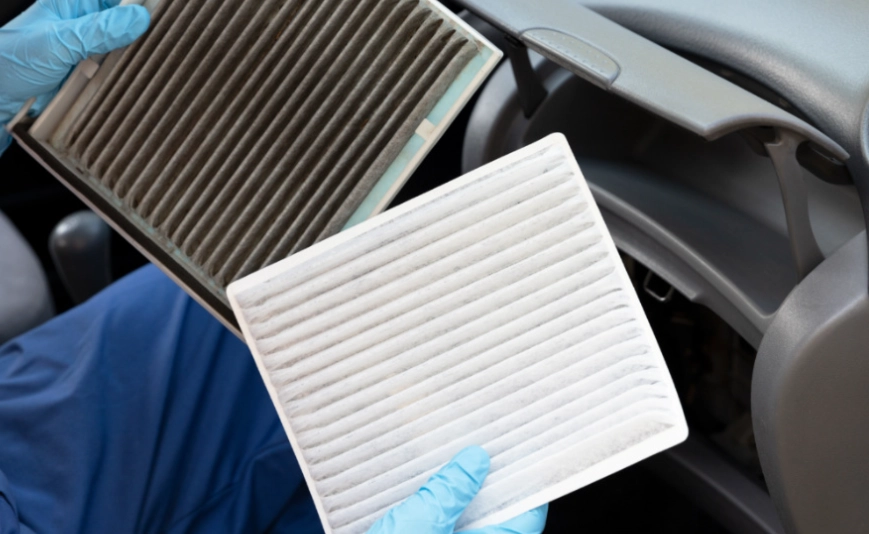
- Cabin Air Filter: Cleans air for you and your passengers. Usually needs changing more often (every 12-15k miles or annually), especially if you have allergies or drive in polluted areas. A clogged cabin filter can reduce A/C and heater efficiency.
Check your manual for both locations. Changing both at the same time is a common practice, but their needs are different.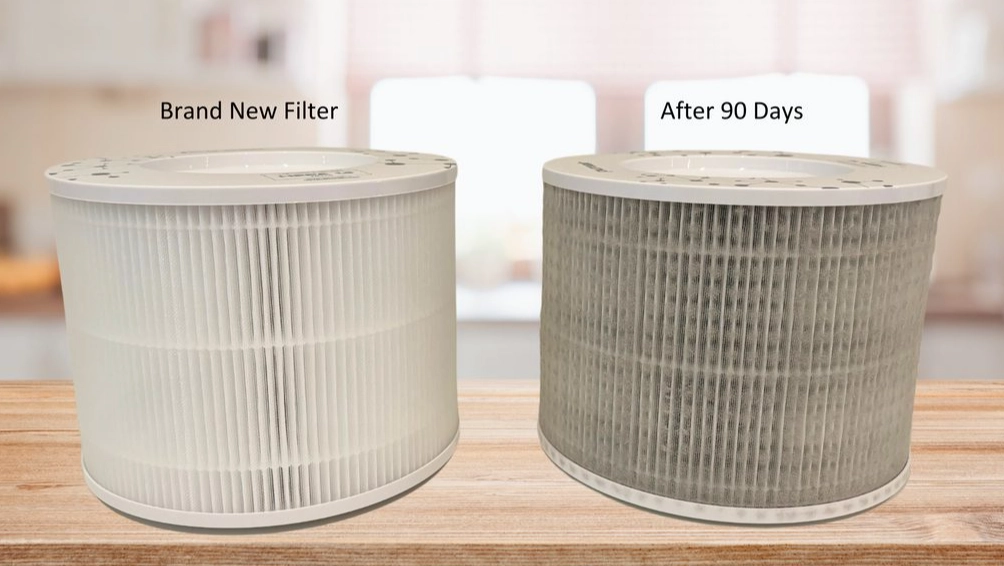
How to Check Your Air Filter: A 5-Minute DIY Guide
This is the most valuable skill you can learn. Do this every time you change your oil, or at least every other time.
- Find the Airbox. It's usually a large black plastic box on top of or to the side of the engine, with a large hose coming out of it. Consult your manual if unsure.
- Open the Airbox. This usually involves undoing a few metal clips, wing nuts, or screws. No tools are often needed. Be gentle—don't break the clips.
- Remove the Filter. Lift it straight out. Note how it's oriented (there's usually an "UP" or airflow arrow).
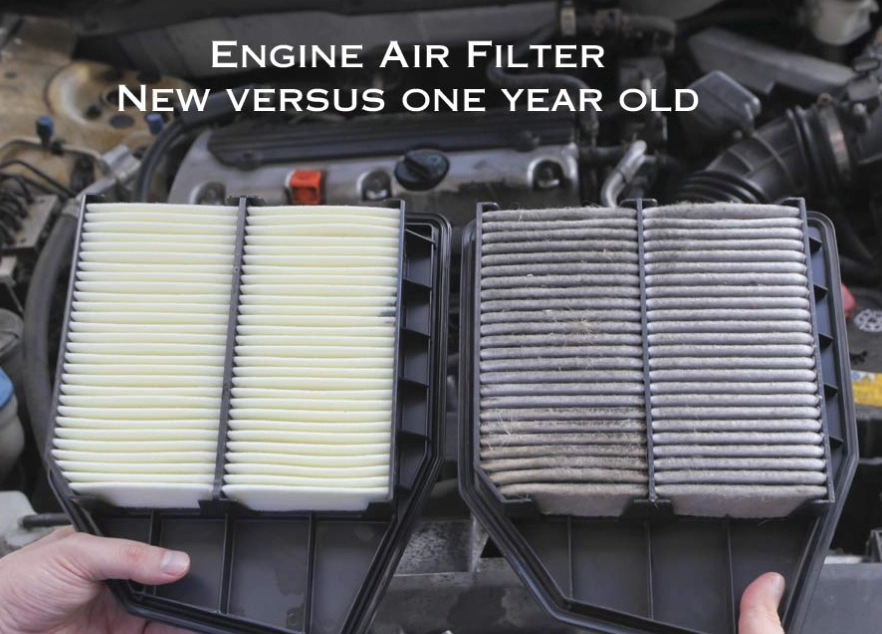
- The Inspection (The Important Part). Hold it up to a bright light source—a bare bulb, the sun, or a flashlight. Don't just look at the surface. You're checking how much light passes through the pleats.
- Pass: You can see a good amount of light through most of the filter material. The pleats are not packed with debris.
- Fail: Light is significantly blocked. You see a thick, uniform layer of dirt, or the pleats are visibly caked with material. If it's oily (from a PCV system issue), it needs replacement regardless.
- Tap it Out & Reinstall. Gently tap it on a hard surface to dislodge loose debris. Do not blow it out with compressed air. This can force dirt deeper into the media or tear it. If it passed the light test, put it back in the same orientation and close the box securely.
What Happens if You Ignore a Dirty Air Filter?
It's not just about "bad gas mileage." The effects cascade.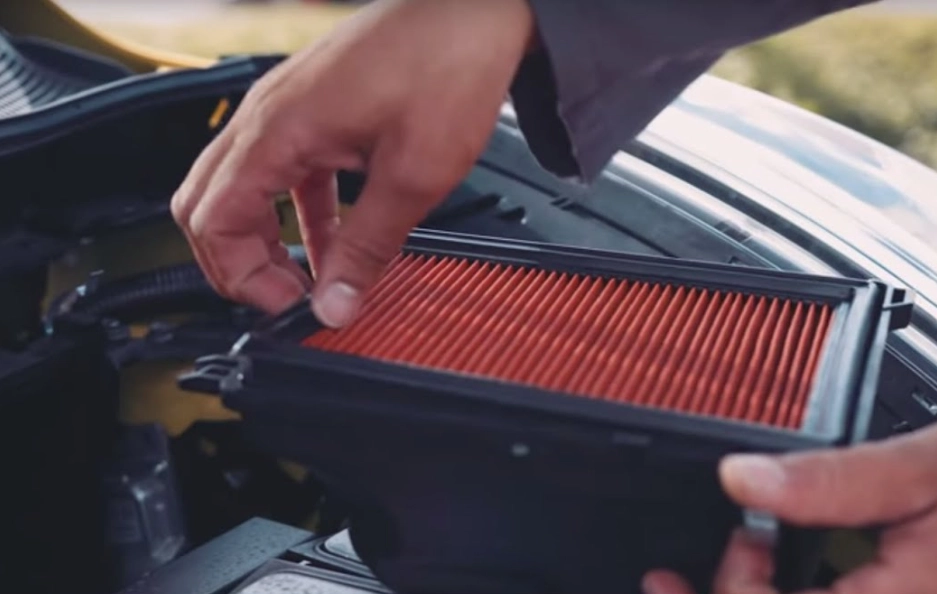
First, performance suffers. Your engine is gasping. You'll feel sluggish acceleration, especially when trying to merge or pass. The engine might hesitate or stumble.
Then, fuel economy drops. The engine computer tries to maintain the right air-fuel mixture. With less air coming in, it injects less fuel, but the engine has to work harder to pull air through the restriction. You lose power and efficiency. We're talking a 10% drop in MPG isn't uncommon in severe cases.
Finally, long-term damage. If it gets bad enough, unfiltered air can bypass the clogged filter, carrying abrasive dirt into your engine cylinders. This causes wear on piston rings, cylinder walls, and valves. That's a several-thousand-dollar repair versus a $20-$50 filter.
The cost-benefit analysis is a no-brainer.
Your Air Filter Questions, Answered
 Let's wrap this up. The question "air filter replacement how often" doesn't have a Google-able number. It has a process. Start with your owner's manual's recommendation as a maximum guide. Then, adjust that interval down based on your personal driving environment audit—dust, traffic, trips. Finally, and most importantly, make visual inspection a habit. A five-minute check during an oil change is all it takes to save money on gas, protect your engine from expensive wear, and keep your car running strong for the long haul. Ditch the rigid schedule. Trust your eyes.