Let's cut to the chase. The cost for transmission maintenance isn't a single number. It's a range, and where you land in that range depends on a dozen factors. On the very low end, you might spend around $80 for a simple fluid top-up if you do it yourself. On the high end, a full transmission flush at a dealership for a luxury SUV can easily cross $400. The sweet spot for a standard automatic transmission fluid and filter change at an independent shop? Most folks pay between $150 and $300. But that's just the headline. The real story is in the details—what you're actually paying for, what can send the price soaring, and how to avoid getting ripped off.
I've seen too many people panic at the first sign of a rough shift and jump straight to fearing a $3,000 rebuild. More often than not, it's a maintenance issue that's been ignored. This guide will walk you through every dollar.
What’s Inside This Guide
How Much Does Transmission Maintenance Typically Cost?
First, clarify what "maintenance" means here. We're talking about preventive services, not fixing something that's already broken. The big three are fluid changes, flushes, and filter replacements. Their costs vary wildly.
| Service Type | Average Cost Range (Parts & Labor) | What You're Getting | Good For |
|---|---|---|---|
| Automatic Transmission Fluid (ATF) Change & Filter | $150 - $300 | Dropping the transmission pan, replacing the internal filter (if accessible), and refilling with new fluid. Replaces about 40-50% of the old fluid. | Most common scheduled maintenance. Recommended every 60k-100k miles for most cars. |
| Transmission Flush | $250 - $400+ | Using a machine to push out nearly 100% of the old fluid and replace it with new. Often includes a new external filter if applicable. | Cars with severe contamination or very old, neglected fluid. Controversial—some mechanics swear by it, others say it can dislodge debris. |
| Manual Transmission Fluid Change | $100 - $200 | Draining and refilling gear oil. Simpler, no filter to replace usually. | Manual transmissions, typically less frequent than ATF changes. |
| CVT Fluid Change | $200 - $350 | Specialized fluid for Continuously Variable Transmissions. Often requires specific procedures and pricier fluid. | CVT-equipped vehicles (many Hondas, Nissans, Subarus). Critical for longevity. |
That fluid change price is where people get confused. Why the spread? The labor is usually 1-2 hours. The big variable is the fluid itself. Conventional ATF might be $8 a quart. But many modern cars require synthetic or manufacturer-specific fluids that can cost $15 to $25 per quart. Your 8-quart capacity German sedan suddenly has $160 in fluid costs before the mechanic even lifts a finger.
Here's a mistake I see constantly: owners of high-mileage cars that have never had a fluid change suddenly deciding to get a flush. If the fluid is black and burnt, a sudden, complete change can sometimes cause slippage. A seasoned mechanic might recommend a drain-and-fill first, then another in 10,000 miles, to gently refresh the system. That's a nuance you won't get from a quick-service chain.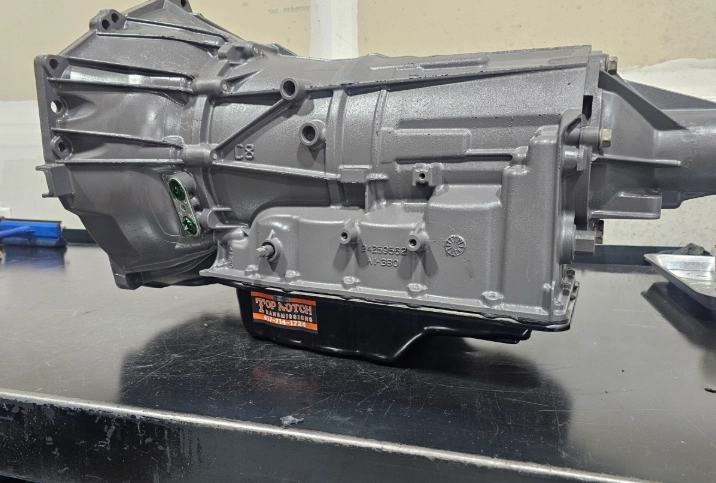
The Hidden Cost of "Lifetime" Fluids
Many newer cars tout "lifetime transmission fluid." This is a marketing term, not a mechanical reality. In the industry, "lifetime" often means the expected life of the warranty. I've opened up transmissions with "lifetime" fluid at 120,000 miles, and the fluid was degraded. Changing it at 80,000-100,000 miles is cheap insurance. Ignoring it because of the "lifetime" label is a gamble that can lead to a $4,000 replacement down the line.
What Really Drives Your Transmission Maintenance Cost Up or Down
Your final bill isn't random. It's a formula. Let's break down the variables.
1. Your Vehicle: This is the biggest factor. A common Toyota Camry uses widely available fluid and has an accessible drain pan. A late-model Audi with a DSG transmission requires a specific fluid (often branded under the carmaker's name) and might need a computer calibration after the service. The Audi job will easily double the Camry's cost.
2. Type of Shop:
• Dealership: Highest labor rates, OEM parts/fluids. You're paying for specialized knowledge. For complex or newer cars, this can be worth it.
• Independent Mechanic: Usually the best value. Lower rates, can often source quality aftermarket or OEM-equivalent fluids.
• Quick Lube Chain: Might offer a low advertised price, but be wary. Do they use the correct fluid spec for your car? Do they just do a flush when a change is better? Their expertise is often in oil changes, not complex transmissions.
3. Your Location: Labor rates in San Francisco or New York City are simply higher than in rural Kansas. A $200 job in one town can be $300 in another.
4. The Fluid Itself: As mentioned, fluid cost is huge. Always ask for the quote to specify the brand and type of fluid they'll use. If they can't tell you, walk away.
Pro Tip: When you call for a quote, don't just ask "How much for a transmission service?" Give them your car's exact year, make, model, and engine. Say, "I'm looking for a transmission fluid and filter change on my 2017 Honda CR-V with the 2.4L engine. Can you give me an estimate with parts and labor?" This gets you a real number.
How Can I Save Money on Transmission Maintenance?
You don't have to pay top dollar. Smart strategies can keep your costs reasonable.
Consider a DIY Fluid Change (If You're Handy): For many rear-wheel-drive cars and some front-wheel-drive models, a fluid change is similar to an oil change—find the drain plug, drain, refill. The catch? Getting the fluid level exactly right often requires the engine to be at a specific temperature, and the car must be level. Overfilling is as bad as underfilling. For a DIYer, a simple drain-and-refill (not a full capacity change) with the correct fluid can cost $50-$100 in parts. Watch several videos for your specific car before attempting.
Buy Your Own Fluid and Filter: If you're not DIY-ing, you can still save. Purchase the exact transmission fluid and filter (if needed) from an auto parts store or online. Bring them to your trusted independent mechanic. You'll pay for labor only, avoiding their parts markup. Most shops are okay with this if you provide the correct, sealed products.
Stick to the Schedule, But Be Smart: Don't wait for problems. Following your owner's manual interval (or a sensible 60k-100k mile interval if it says "lifetime") prevents sludge and wear. This is the single best way to avoid a catastrophic repair bill. However, if you mostly do severe driving (lots of towing, stop-and-go traffic, extreme heat), consider halving that interval.
Get Multiple Quotes: Call three shops: a dealership, a well-reviewed independent, and a transmission specialist. Compare not just price, but what's included. The cheapest quote might use inferior fluid.
Transmission Maintenance vs. Repair: A Critical Financial Distinction
This is the heart of the matter. Maintenance is a planned, relatively low cost. Repair is an unplanned, high cost resulting from failed maintenance or parts.
Let's talk numbers from real-world repair shops. A transmission rebuild typically starts around $2,500 and can exceed $5,000 for complex all-wheel-drive units. A replacement with a remanufactured unit often runs $3,000 to $7,000 installed. The American Automobile Association (AAA) cites transmission repair as one of the most expensive common car repairs.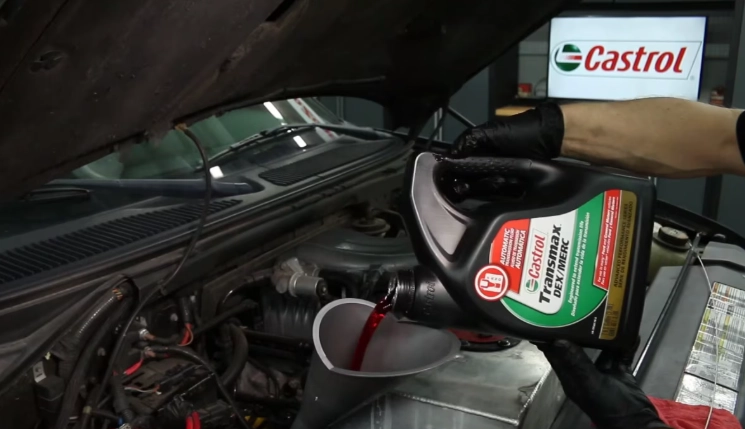
The link is direct. Old, broken-down fluid loses its lubricating and cooling properties. It allows metal parts to wear, creates sludge that clogs small passages, and leads to overheating. That $300 service you postponed becomes the $3000 repair you can't avoid.
Listen to your car. A slight hesitation when shifting from Park to Drive? A tiny shudder when the torque converter locks up on the highway? These are whispers asking for maintenance. Ignore them, and they become shouts—hard slams, slipping gears, refusal to go into gear. That's the repair bill talking.
Your Transmission Maintenance Questions, Answered
The bottom line on transmission maintenance cost is perspective. That $250 service feels expensive until you compare it to the alternative. It's the least sexy, most important service you can do for your car's longevity. Find a mechanic you trust, use the right fluids, and don't fall for the "lifetime" trap. Your wallet—and your car—will thank you for another 100,000 miles.