Let's cut to the chase. The cost to replace an air filter in your car isn't a single number. It's a range, and a surprisingly wide one at that. You could pay as little as $20 if you do it yourself, or over $150 at a dealership for the same basic part and 10 minutes of work. That gap is what frustrates most car owners. I've been fixing cars for over a decade, and I still see people shocked by the bill for this simple service. This guide isn't just about listing prices. It's about understanding why costs vary so wildly, how to avoid overpaying, and deciding if you should roll up your sleeves and do it yourself. We'll cover both your engine air filter (crucial for performance) and your cabin air filter (crucial for your lungs).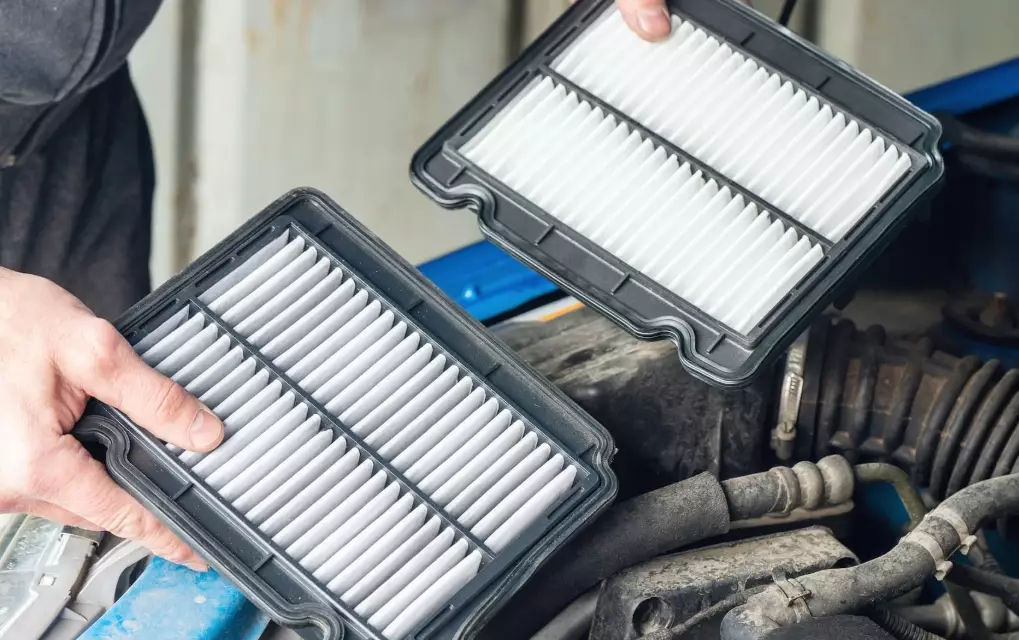
What's in this guide?
How Much Does an Air Filter Replacement Cost?
The total air filter replacement cost has two parts: the part itself and the labor to install it. Most people only look at the part price and get a nasty surprise when they see the shop's final invoice.
Here’s a realistic breakdown for a typical sedan or SUV, not a luxury or performance vehicle. Those are a different story.
| Service Type | Part Cost (Approx.) | Labor Cost (Approx.) | Total Estimated Cost |
|---|---|---|---|
| Engine Air Filter (DIY) | $15 – $40 | $0 | $15 – $40 |
| Engine Air Filter (Shop) | $20 – $50 | $20 – $40 | $40 – $90 |
| Cabin Air Filter (DIY) | $15 – $50 | $0 | $15 – $50 |
| Cabin Air Filter (Shop) | $25 – $60 | $30 – $60 | $55 – $120+ |
Notice something? The cabin air filter often costs more to replace at a shop than the engine filter. Why? Location. On many modern cars, the cabin filter is tucked behind the glove box or under the dashboard, requiring a bit more time and contortion to access. Shops charge for that time.
Dealerships will typically be at the highest end of these ranges. They use OEM (Original Equipment Manufacturer) parts and have higher labor rates. An independent mechanic or a quick-lube shop (like Jiffy Lube or Valvoline) will usually be cheaper.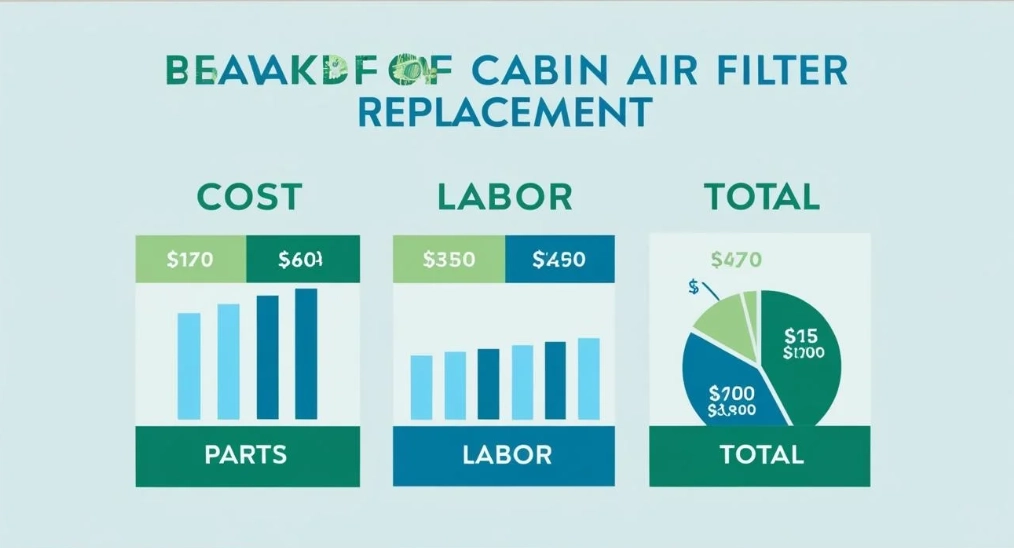
A real-world example from last week: A customer came in with a 2018 Honda CR-V. The dealership quoted her $89 for a cabin air filter replacement. We sourced a high-quality aftermarket filter for $32 and charged $25 for labor. Total: $57. She saved $32 in 15 minutes. That's the kind of difference we're talking about.
What Drives the Price Up or Down?
If you're looking at a quote and wondering if it's fair, check these five factors.
1. Your Vehicle's Make and Model
This is the biggest variable. A common filter for a Toyota Camry is mass-produced and cheap. A specialized filter for a European luxury car or a performance vehicle with a high-flow requirement can easily cost $80-$120 for the part alone. Always check your owner's manual for the specific part number.
2. Type and Quality of the Filter
Not all filters are created equal. You generally get three tiers:
Basic Paper/Composite: The standard. Catches larger particles. Cheap ($10-$25). Does the job for most daily drivers.
Premium (Activated Carbon/HEPA-style): For cabin filters, these add a layer of activated charcoal to absorb odors and fumes. They cost more ($25-$50) but make a huge difference if you drive in traffic or have allergies.
High-Performance (Oiled Gauze/Cotton): Mostly for engine filters in modified or performance cars. They allow more airflow but require cleaning and re-oiling. Initial cost is high ($50+), and they're overkill for a regular car.
3. Where You Buy the Service
Dealerships have the highest markup. Independent shops are your best bet for a balance of quality and value. Big-box auto parts stores (AutoZone, O'Reilly) are great for part prices if you're DIY-ing. Avoid the upsell at quick-lube places—they might try to sell you a "premium" filter at a premium price when the basic one is fine.
4. Your Geographic Location
Labor rates in San Francisco or New York City are simply higher than in a small Midwest town. This can add $10-$30 to the labor portion of your bill.
5. The "Convenience" Tax
Some mobile mechanics or services that come to you will charge a premium for the convenience. It might be worth it if you're pressed for time, but know you're paying extra for it.
Pro Tips to Save on Your Next Replacement
You don't have to pay top dollar. Here’s how I keep my own costs down and advise my customers.
Learn to DIY the easy ones. For 80% of cars on the road, replacing the engine air filter is a 5-minute job requiring zero tools. The cabin filter might take 10-15 minutes and a screwdriver. We'll cover the steps below.
Buy the filter online in advance. Websites like RockAuto have staggering inventories at wholesale prices. I bought a cabin filter for my truck for $12 online. The same brand was $28 at the local store. Plan ahead.
Ask for the "bring your own parts" policy. Many independent shops will install a part you purchased, charging labor only. Call ahead first. Dealerships almost never allow this.
Check for coupons and promotions. Auto parts chains and some repair shops regularly run "$10 off" or "free installation" promotions on filters. A quick web search before you go can pay off.
Don't replace it too often. Follow your manufacturer's interval, but use your judgment. If you drive mostly on clean highways, your filter might last longer than the manual says. Visually inspect it. If it's visibly dirty and gray, change it. If it still looks light, you can probably wait. The Environmental Protection Agency (EPA) notes that a clean filter can improve gas mileage, but a slightly used one isn't hurting anything.
How to Replace an Air Filter Yourself (Step-by-Step)
Let's demystify this. I'll walk you through the most common scenarios. Always consult your vehicle's owner's manual first—it has the exact location and any special instructions.
Replacing the Engine Air Filter
This is usually the easiest.
1. Pop the hood and locate the air filter box. It's a large black plastic box near the front or side of the engine, with a large hose (the intake tube) connected to it. 2. Open the box. Most have metal clips on the side. Push the clips outward or down to release them. Some may have screws or wing nuts. 3. Lift the top off. You'll see the old filter sitting inside. 4. Remove the old filter. Take a photo of how it's oriented before you pull it out. Note which side faces up. 5. Clean the box. Use a rag or a vacuum to wipe out any leaves, dirt, or debris from inside the airbox. This is a step everyone forgets, and it matters. 6. Drop in the new filter. Make sure it's seated exactly like the old one. The rubber sealing edge should be flush all around. 7. Close the box and secure the clips. Ensure the lid is fully sealed. You're done.
Replacing the Cabin Air Filter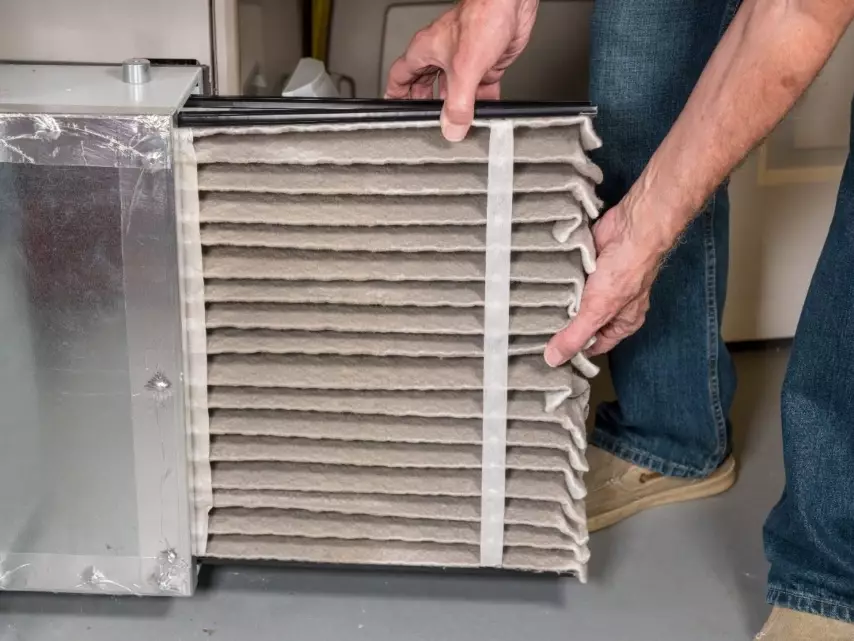
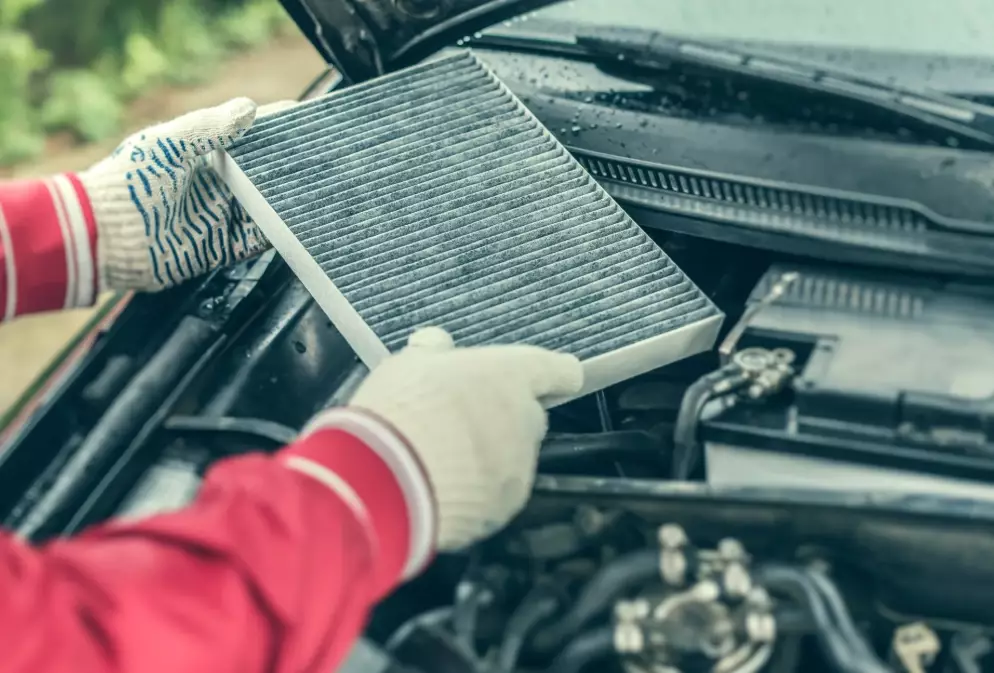
This varies more by car. Common locations: behind the glove box, under the dashboard on the passenger side, or under the hood near the windshield.
1. Find the access panel. For behind-the-glove-box types, open the glove box, squeeze the sides to let it drop down further, or remove a few screws. 2. Open the filter housing. There's usually a small rectangular cover with clips or screws. 3. Note the airflow direction. This is critical. There will be an arrow on the edge of the old filter showing airflow direction (e.g., AIR FLOW →). The new filter must go in the same way. If it's backward, it won't work properly. 4. Swap the filters. Pull the old one out, slide the new one in, arrow pointing the correct way. 5. Reassemble. Put the cover back, close the glove box. That's it.
The first time might take you 20 minutes. The second time, you'll do it in 5. You've just saved yourself $60-$80.
Your Air Filter Cost Questions Answered
 My mechanic says I need a new engine air filter every 15,000 miles, but my manual says 30,000. Who's right?