You're driving in a drizzle, and your wipers are leaving streaks, chattering, or just plain missing spots. It's annoying, and more importantly, it's unsafe. So you decide it's time for new ones. You head to the auto parts store or go online, and suddenly you're hit with a wall of numbers, letters, and connector types. It feels like you need a decoder ring just to buy a simple pair of wiper blades.
I've been there. I once bought a set that "should have fit" my car based on a quick online search. They didn't. The connector was wrong, and I spent an hour in a parking lot trying to force it on before giving up. That frustration is exactly why I'm writing this. Figuring out what windshield wipers you need isn't about guesswork. It's a straightforward process once you know the three key pieces of the puzzle: the correct size, the right attachment type, and the best blade design for your needs and budget.
What You'll Learn in This Guide
How to Measure Your Windshield Wipers Correctly
Forget the "one-size-fits-most" approach. Your driver's side and passenger side wipers are almost always different lengths. Using the wrong size can cause them to hit each other, miss a huge portion of the glass, or put too much strain on the wiper motor.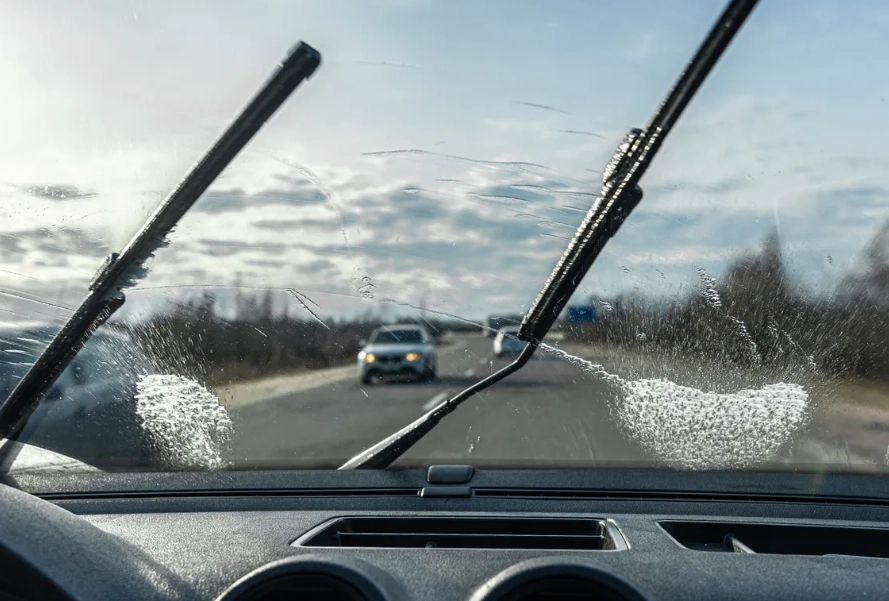
The gold standard method is to measure your old blades. Don't trust your memory or a friend's recommendation for a similar car. Pop the wiper arm up away from the windshield (do this when the glass is dry to avoid scratches). Use a tape measure or a ruler and measure the rubber insert from one end to the other. Don't include the metal frame or plastic connectors—just the rubber part. Write down the measurement in inches for each blade.
No old blades to measure? Maybe they flew off, or you're buying for the first time. Here are your backup plans:
- Check your vehicle's owner's manual. It often lists the exact sizes in the specifications or maintenance section.
- Use an in-store guide. Most auto parts stores (like AutoZone, O'Reilly, or Advance Auto Parts) have a physical book or a digital kiosk. You input your car's year, make, and model, and it spits out the sizes. These are generally reliable.
- Consult an online fit guide. Websites for major brands like Bosch, Rain-X, or Michelin have excellent fit guides. The Automotive Parts Manufacturers' Association (APMA) also provides standardized fitment information through its members.
Identifying Your Wiper Blade Connector Type
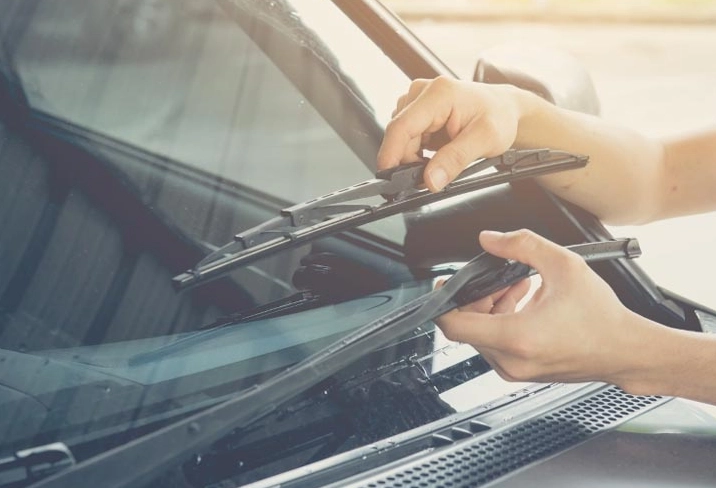
This is where most DIYers get stuck. You have the right size, but it won't click onto the wiper arm. That's a connector mismatch. Wiper arms have a small hook, pin, or tab at the end. The new blade must have a connector that locks securely onto this.
There are dozens of proprietary connectors, but they fall into a few main families. Look at the end of your car's wiper arm (the part that moves). Here’s a cheat sheet:
| Connector Type | What It Looks Like | Common In | Key Feature |
|---|---|---|---|
| J-Hook (Universal Hook) | A simple, flat J-shaped metal hook. | Most American, Asian, and European cars from the 1990s onward (Toyota, Honda, Ford, GM, BMW, etc.). | Extremely common. Most aftermarket blades come with an adapter for this. |
| Side Pin (Bayonet) | The arm has a small button or pin sticking out the side. | Many older GM vehicles, some Fords, and various European models. | The blade connector has a hole or slot that slides over this pin. |
| Straight End (Push Button) | The arm ends in a straight, flat piece with a release button. | Many newer vehicles (post-2010), especially from European manufacturers and newer Fords. | You press a button on the blade to release it from the arm. |
| Pinch Tab | A narrow arm with a small tab you pinch to release. | Some Chrysler, Dodge, Jeep models. | Less common, but requires a specific adapter. |
Here's my practical advice: when you buy new wipers, get ones that come with a multi-adapter pack. Brands like Bosch Icon, Rain-X Latitude, and Michelin Stealth come with a little plastic bag of 4-6 different adapters. You match the one that fits your arm, snap it onto the new blade, and you're done. It eliminates the connector guesswork entirely.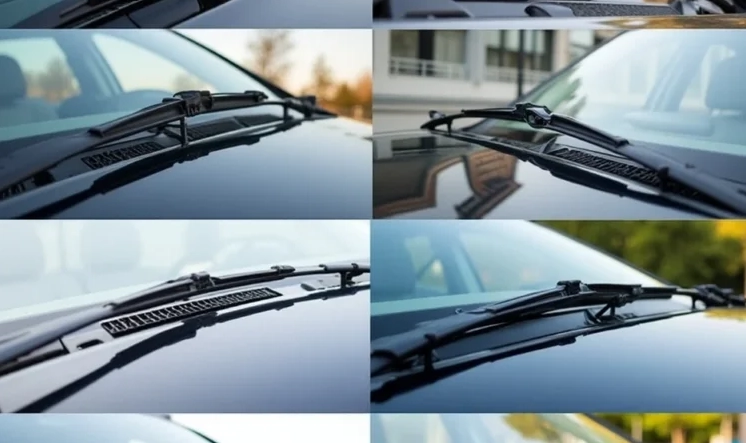
Choosing the Best Wiper Blade Type for You
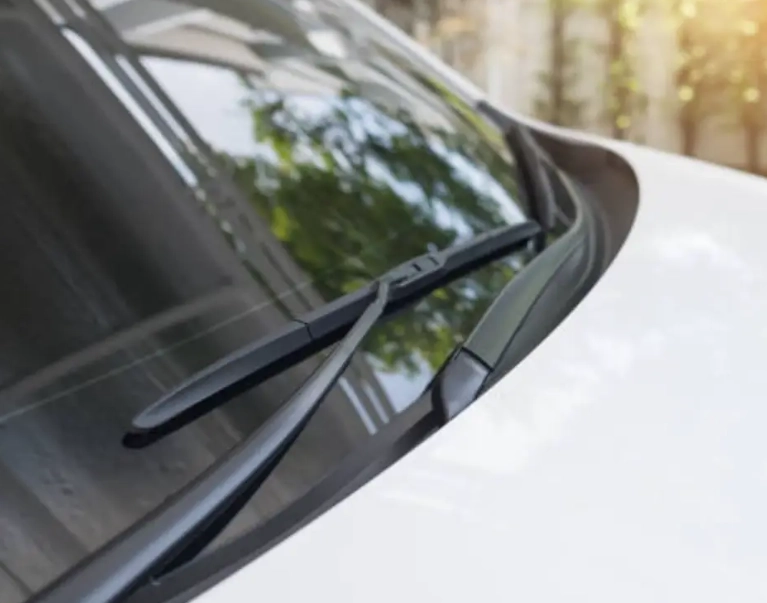
Once size and connector are sorted, you get to choose the technology. This mainly affects performance, longevity, and price. The biggest evolution has been the move from traditional frame blades to beam blades.
Traditional Frame (Bracket) Blades
These are the classic designs with a metal frame holding the rubber blade in multiple pressure points. They're usually the most affordable.
The catch? The exposed metal frame can collect ice, snow, and road grime. In winter, they can freeze to the windshield or get jammed with ice. The multiple hinge points can also lead to uneven pressure and streaking as they age.
Beam Blades (Flat Blades)
These have a sleek, one-piece design with no external metal frame. The pressure is distributed evenly along the entire blade by a spring steel backbone inside a rubber casing. They're the standard on most new cars today.
Why they're better: The aerodynamic shape reduces wind lift at high speeds (no more wipers lifting off the glass on the highway). They handle ice and snow buildup much better because there's no frame for it to cling to. They also tend to provide a cleaner, more consistent wipe. Brands market these as "premium" or "hybrid" blades.
My personal take? For most people in most climates, a good set of beam-style blades is worth the extra $10-$15 per blade. The performance difference is noticeable, especially in heavy rain. I switched years ago and won't go back.
What About Rubber Compound?
This is the secret sauce. Premium blades use higher-grade, synthetic rubber that's treated to resist ozone, UV rays, and oil. This is what prevents the cracking, hardening, and chattering that happens after 6-12 months with cheap blades. A brand like Bosch uses a rubber infused with graphite for a smoother glide. You're not just paying for a shape; you're paying for longer-lasting, better-performing material.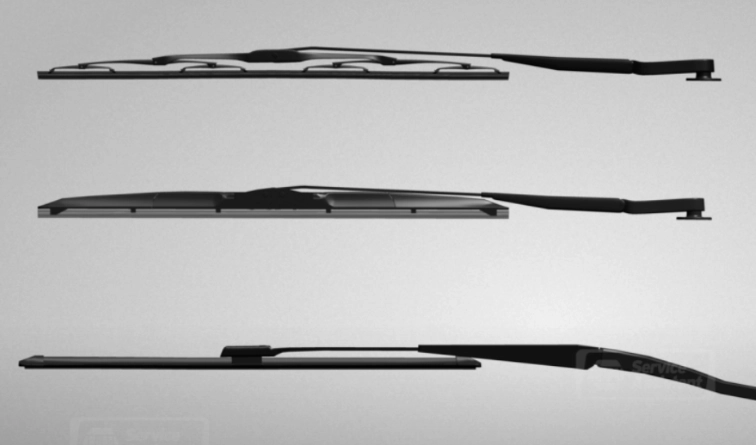
Pro Tips for Installation and Maintenance
You've bought the right ones. Now, don't mess up the install.
First, lift the wiper arm carefully. Many arms have a "service position" you can activate by turning the ignition on and off and hitting the wiper stalk—check your manual. If not, pull the arm gently away from the glass until it locks in an upright position. Always put a towel or your hand between the arm and the glass before you let it go. A sprung metal arm hitting bare glass can cause a costly crack.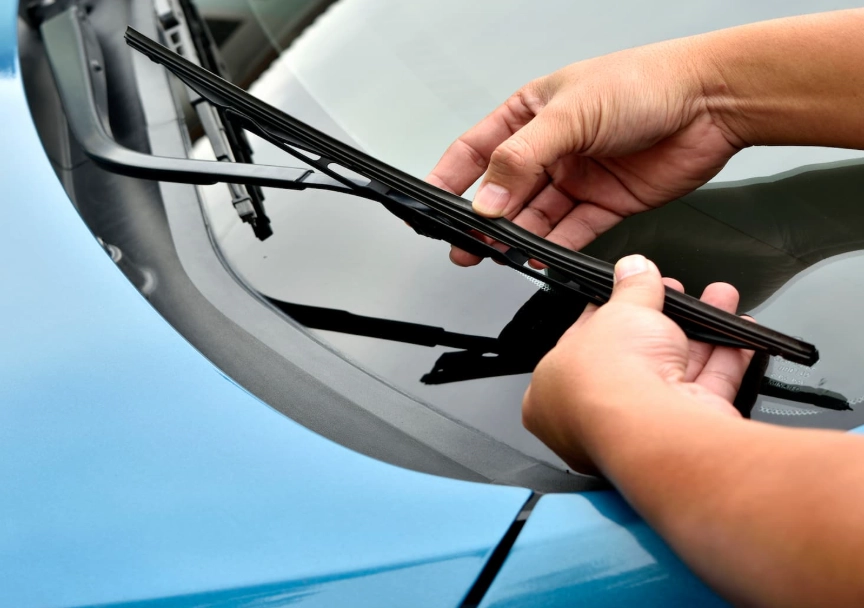
Second, pay attention to how the old connector comes off. Look for a small tab, button, or latch. Press or lift it, and the blade should slide off the J-hook or pin. This shows you exactly how the new one will go on.
Third, after installing, gently lower the arm back onto the glass. Don't just let it snap back. Turn on your wipers with the windshield washer fluid to wet the glass and check the wipe pattern. It should be clean, silent, and cover the entire area.
For maintenance, it's simple. Clean your blades every few months. Run a paper towel soaked in rubbing alcohol along the rubber edge. This removes built-up road film, tree sap, and bugs that cause streaking. Don't use the wipers to clear frost or ice—scrape the windshield first. These two habits alone will double the life of your blades.