Quick Navigation
- The #1 Symptom: Weak or Reduced Airflow From Vents
- The #2 Symptom: Unpleasant, Lingering Odors
- The #3 Symptom: Windows Fog Up Easily and Poor Defroster Performance
- How Often Should You Really Change It?
- Can You Change a Cabin Air Filter Yourself?
- Common Questions People Ask (That Other Guides Skip)
- Let's Wrap This Up: What You Need to Remember
Let's be honest, most of us don't think about our car's cabin air filter until something feels… off. You're driving along, maybe it's a hot day, and you crank the AC only to get a disappointing whisper of air. Or worse, you get a face full of musty, old-socks smell. Not great.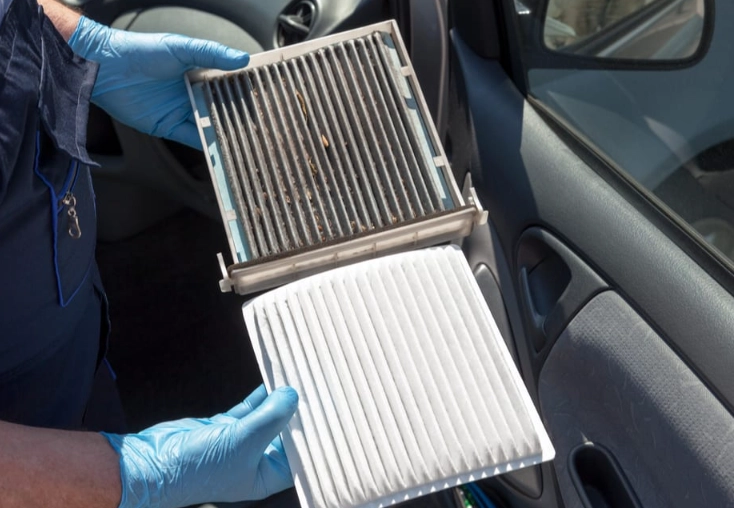
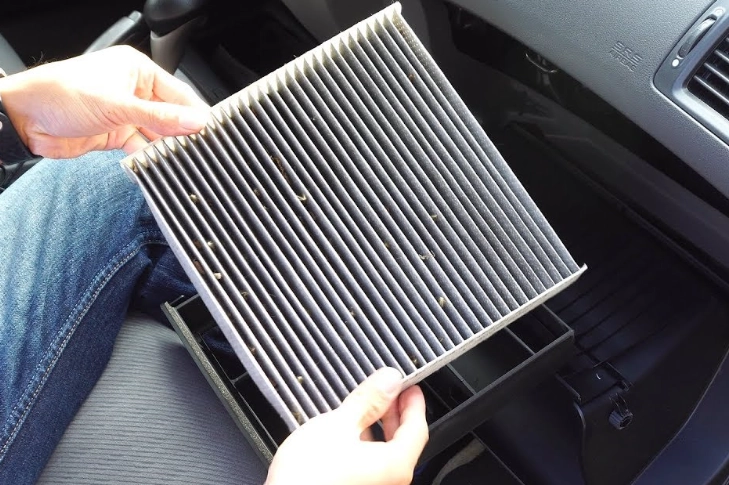
That little filter, usually tucked behind the glovebox or under the dashboard, is your first line of defense for the air you breathe inside your car. It traps dust, pollen, soot, and even tiny bugs before the air hits the vents. When it gets clogged—and it will—it doesn't just stop filtering well. It starts causing a chain reaction of problems you can feel and smell.
So, what are three symptoms of a clogged cabin air filter? If you're noticing weak airflow from your vents, strange and persistent odors, or excessive window fogging and maybe even more sneezing, you've got the classic trio. But there's more to it than just listing them. Let's dig into why each one happens, how to be sure it's the filter and not something more expensive, and what you should do about it.
Think of a clogged cabin air filter like trying to breathe through a thick wool scarf. Your car's HVAC system has to work much harder to pull air through the blockage. That strain shows up in these very specific ways.
The #1 Symptom: Weak or Reduced Airflow From Vents
This is usually the first thing people notice. You turn the fan to its highest setting, and instead of a robust blast of air, you get a lukewarm, anemic breeze. It feels like the system has lost its oomph. This happens because the filter is so packed with debris that it's creating a physical barrier.
The blower motor is working just as hard, maybe even harder, but the air simply can't pass through the dense mat of trapped particles. It's the most direct mechanical symptom.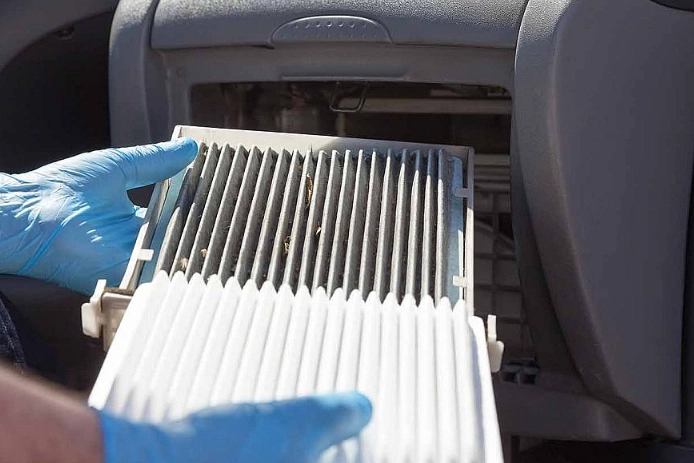
How to Confirm It's the Filter and Not the Blower Motor
This is a key question. A failing blower motor can also cause weak airflow. Here's a simple way to get a clue before you take anything apart. Pay attention to the sound.
- Clogged Filter Sound: The fan motor often sounds like it's straining or laboring. You might hear a high-pitched whine or a general sense that it's working very hard to push air. The sound is consistent but stressed.
- Failing Blower Motor Sound: This often comes with weird noises—grinding, squealing, or a clicking sound. The airflow might be weak and intermittent. Sometimes the motor just gives up on certain speeds.
If the fan sounds powerful but little air comes out, the filter is the prime suspect. I learned this the hard way on an old sedan of mine. I was convinced the blower was dying and was looking at a $300+ repair. A $20 filter fixed it in 10 minutes. I felt silly, but my wallet was happy.
Quick Check: Try switching between different air modes (face, feet, windshield). If the airflow is weak across all modes, it strongly points to a clogged filter or a central blower issue. If it's weak in just one mode (like only the defroster), the problem might be in the ductwork or a flap door.
The #2 Symptom: Unpleasant, Lingering Odors
This is the symptom that makes you go "ew." You turn on the AC or heat, and a musty, moldy, or generally dank smell fills the cabin. Sometimes it smells vaguely like wet leaves or old gym clothes. It's not just unpleasant; it can trigger headaches or allergies.
Here's the science behind the stink. A clogged filter is damp. It's soaked with moisture from the AC system's evaporator core (the part that cools the air). That dampness, combined with all the organic material it's caught—pollen, leaves, maybe even a crispy bug or two—creates a perfect breeding ground for mold, mildew, and bacteria. Every time you turn on the fan, you're aerosolizing that microbial party right into your face.
The smell often is strongest for the first 30-60 seconds after startup, then may fade as drier air flows through. But the spores and particles are still there.
Don't Just Mask the Smell
Those little clip-on air fresheners or sprays are a band-aid on a dirty wound. They cover up the symptom but do nothing for the source of the problem—the filthy, damp filter and the gunk potentially growing on the evaporator core behind it. Replacing the filter is the first and most critical step. In bad cases, after changing the filter, you might need to run an HVAC system cleaner through the intake to disinfect the evaporator. It's a foam you can usually apply yourself.
What are three symptoms of a clogged cabin air filter? Odors are the one that most clearly links cabin air quality to your personal comfort and health.
The #3 Symptom: Windows Fog Up Easily and Poor Defroster Performance
This one surprises a lot of folks. They don't connect a foggy windshield with a dirty filter. But it makes perfect sense when you think about what the filter's job is beyond just cleaning.
A clean cabin air filter also helps manage humidity inside the car. When it's clogged, the airflow across the evaporator core is restricted. This core's job is to dehumidify the air as it cools it. Reduced airflow means it can't pull moisture out of the cabin air as effectively. That excess moisture has nowhere to go but onto your cold windows, leading to persistent fogging on the inside.
You'll find yourself cranking the defroster to max, but it takes forever to clear the glass, or it doesn't clear it completely. The system is fighting a losing battle against the high humidity it can't remove.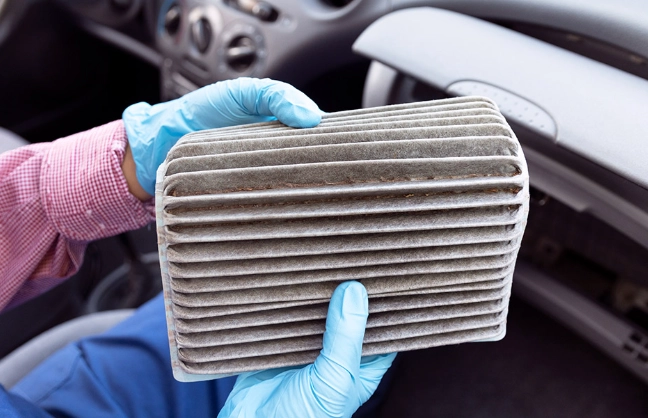
The National Highway Traffic Safety Administration (NHTSA) consistently highlights poor visibility as a major safety risk. A defroster that can't keep up because of a simple, neglected filter is an easily avoidable hazard.
The Allergy and Dust Connection (A Bonus Symptom)
While not always listed in the top three, this is a huge quality-of-life issue. If you or your passengers start sneezing more, get itchy eyes, or feel generally stuffy during car rides, a spent filter is a likely culprit.
When the filter is full, it can't trap new allergens. Worse, the fan can actually start to dislodge and blow the older, trapped pollen and dust back into the cabin. You're essentially driving in a bubble of recycled allergens. For anyone with hay fever, this turns a commute into misery.
So, if you're asking "what are three symptoms of a clogged cabin air filter?" consider adding a fourth for allergy sufferers: increased sneezing and respiratory irritation.
How Often Should You Really Change It?
The owner's manual will give you a standard interval, usually between 15,000 and 30,000 miles. But that's a generic guideline. Your actual need depends entirely on your driving environment. I'd argue the manual's number is often too optimistic.
| Your Driving Conditions | Recommended Check/Change Interval | Why It's Sooner |
|---|---|---|
| Heavy City Traffic / Dusty Roads | Every 10,000-12,000 miles or once a year | More particulates (brake dust, road dust, construction debris) are being pulled into the intake. |
| High-Pollen or Rural Areas | Every 12-15 months, especially before allergy season | The filter loads up with pollen, seeds, and plant matter incredibly fast. |
| Normal Mixed Driving | Every 15,000-20,000 miles or 2 years | Follows the standard guideline, but a visual check at 1 year is smart. |
| If You Notice ANY Symptom | Immediately | Don't wait for the mileage. If it smells bad or airflow is weak, it's time. |
My personal rule? I check mine once a year, usually in the spring. It takes 5 minutes to pop it out and hold it up to the light. If I can't see light shining clearly through the pleats, it's done. This visual check is the ultimate test.
Can You Change a Cabin Air Filter Yourself?
In probably 80% of cars on the road, yes, absolutely. It's one of the easiest and most satisfying DIY maintenance jobs. You typically need zero tools, or maybe just a screwdriver. The most common location is behind the glovebox.
- Open the glovebox and empty it.
- Look for stops or dampeners on the sides. You can usually squeeze them to let the glovebox swing down further or detach completely.
- You'll see a rectangular plastic cover. This is the filter housing. It has clips or tabs.
- Open the cover and note the direction of the airflow arrow on the old filter.
- Pull the old filter out (be prepared for dust and leaves to fall).
- Insert the new filter with the arrow pointing the same direction (usually toward the back of the car or down).
- Close the cover, snap the glovebox back in, and you're done.
Some cars hide it under the hood, near the windshield cowl, or under the dashboard on the driver's side. A quick search on YouTube for "[Your Car Make Model Year] cabin air filter replacement" will show you the exact method. The filter itself costs between $15 and $40. Compare that to a dealership charging $80-$120 for the same 5-minute job, and the DIY appeal is obvious.
Common Questions People Ask (That Other Guides Skip)
For authoritative information on the importance of indoor air quality (and your car is a small indoor space), the Environmental Protection Agency (EPA) has extensive resources. While focused on homes, the principles of moisture, mold, and filtration directly apply.
Let's Wrap This Up: What You Need to Remember
Ignoring a clogged cabin air filter isn't like ignoring an oil change. Your car won't seize up. But your driving experience will slowly degrade. You'll be hot because the AC seems weak. You'll be grossed out by bad smells. You'll be annoyed by a foggy windshield. And you might be sneezing.
So, what are three symptoms of a clogged cabin air filter? Weak airflow, funky odors, and excessive interior fogging. They're your car's way of saying, "Hey, I can't breathe in here, and neither can you."
The fix is cheap, simple, and has an instant payoff. You get back that strong blast of clean, fresh air. Your windows stay clear. The cabin smells neutral again. It's one of the highest reward-for-effort maintenance items you can do.
Don't wait for the mileage interval. Pay attention to how your car feels. And next time you get that musty smell on startup, don't just reach for an air freshener. Reach for a new filter. Your nose (and your passengers) will thank you.
For technical standards on vehicle filtration, organizations like SAE International develop the testing procedures that filter manufacturers use, which is why buying a filter from a reputable brand (even if it's not the dealer brand) usually means you're getting a product that meets industry specifications.