That needle creeping into the red, the steam billowing from under the hood – few things spike a driver's heart rate like an overheating engine. I've been there, stranded on a highway shoulder with a car that felt like a teakettle. The instinct is to panic, but that's the worst move. Overheating is a symptom, not a death sentence for your engine, if you act correctly and quickly. This guide cuts through the generic advice. We'll walk through exactly what to do in the moment, how to diagnose the real culprit (it's often not what you think), and the fixes that will get you back on the road without a four-figure repair bill.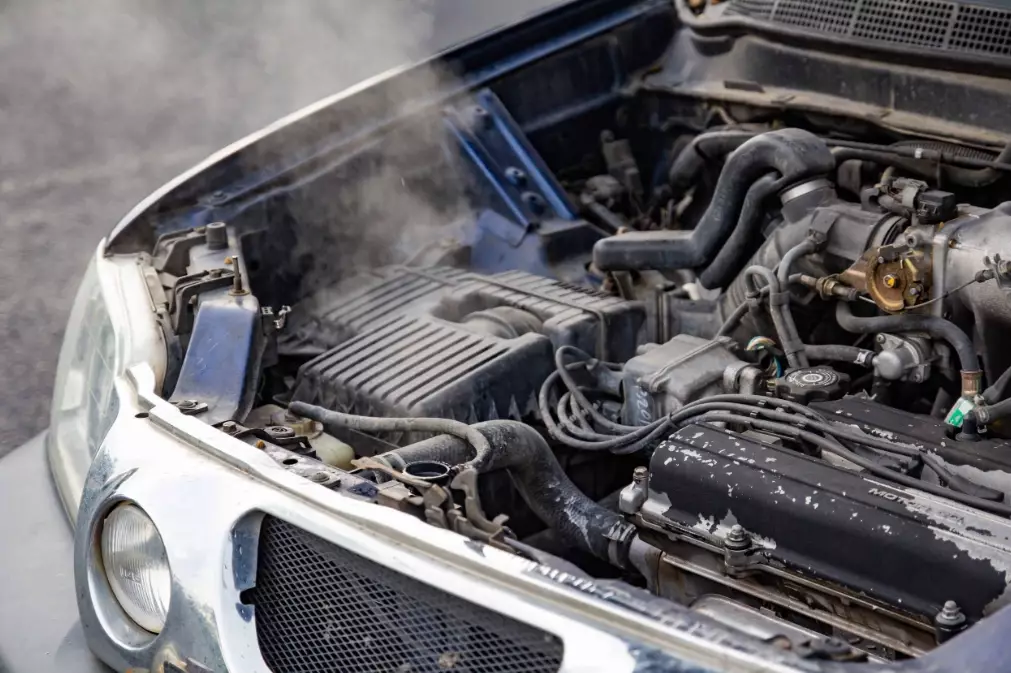
What's Inside This Guide
Emergency Steps When Your Engine Overheats
Your temperature gauge is pegged. Here’s your immediate action plan, in order.
1. Turn Off the A/C and Crank the Heat
It sounds counterintuitive, but flip the climate control to full heat and fan on high. This pulls heat away from the engine and into the cabin. It's a temporary measure, but it can buy you a few critical minutes to find a safe stopping place. Roll down the windows to cope.
2. Find a Safe Place to Pull Over
Don't push it. If you see steam or the temperature light is solid red, signal and get to the side of the road or into a parking lot immediately. Continuing to drive can warp the cylinder head or crack the engine block in minutes – a repair more expensive than many cars are worth.
3. Let the Engine Cool – Completely
Turn off the engine. Do not pop the hood right away. Wait at least 30-45 minutes. You should be able to comfortably rest your hand on the hood before you even think about touching anything. Use this time to call for roadside assistance if you have it.
4. Check Coolant Levels (After Cooling)
Once cool, carefully open the hood. Locate the coolant overflow reservoir (a translucent plastic tank). Check the level against the "MIN" and "MAX" marks. If it's empty or very low, that's your first clue. Do not open the radiator cap itself yet. If you must add coolant, use a 50/50 pre-mix. In a pinch, distilled water is better than nothing, but it lowers the boiling and freezing points of your coolant mix.
I once saw a guy in a parts store parking lot try to refill his radiator immediately after shutting off a steaming engine. The geyser of coolant that shot out missed his face by inches. Patience isn't just a virtue here; it's a safety requirement.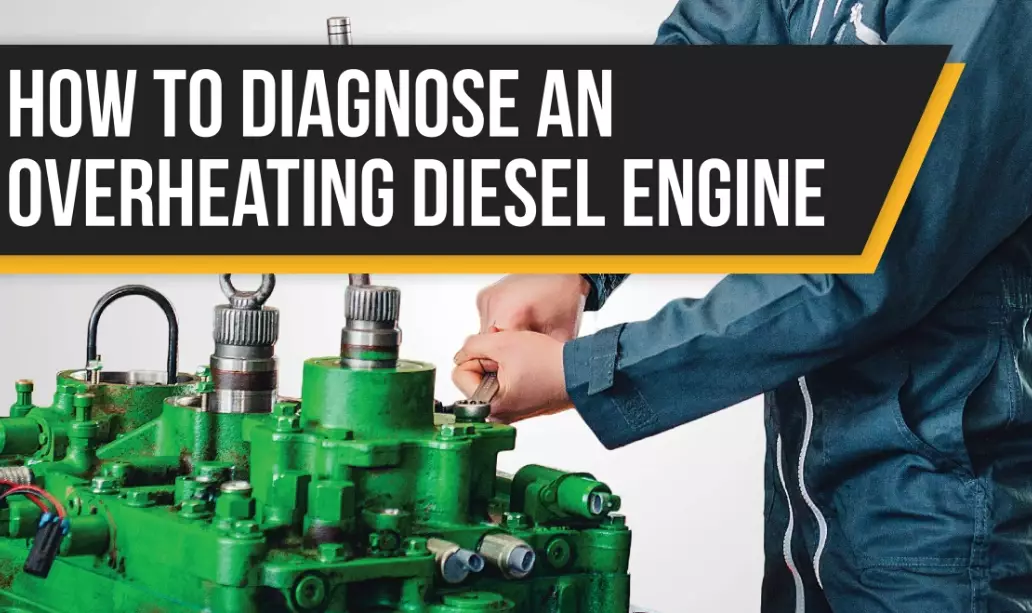
The 5 Most Common Causes of Engine Overheating
After the emergency is handled, you need to find the "why." Here are the usual suspects, ranked by how often I've seen them in the shop.
| Cause | Typical Symptoms | Approx. Repair Cost (Parts & Labor) | Urgency |
|---|---|---|---|
| Low Coolant / Leak | Puddle under car (green/orange/pink fluid), low reservoir, overheating at idle or in traffic. | $100 - $400 (depends on leak source: hose, radiator, water pump) | High – Can't run without coolant. |
| Faulty Thermostat | Engine warms up slowly, then overheats. Temperature gauge fluctuates wildly. | $150 - $300 | Medium-High – It's a cheap part that causes big problems. |
| Radiator Fan Failure | Overheats in traffic or at low speeds, but temp drops while driving fast. Fan doesn't turn on. | $200 - $600 (electric fan/motor vs. clutch fan) | High for city driving. |
| Water Pump Failure | Coolant leak from the pump's "weep hole," whining noise, overheating under all conditions. | $500 - $900 (labor-intensive) | Critical – Stops coolant circulation. |
| Clogged/Restricted Radiator | Overheats under load (going uphill, towing). Cabin heater may blow cold air. | $300 - $800 (flush vs. replacement) | Medium – Gets progressively worse. |
A subtle one many miss: a failing radiator cap. It's designed to hold pressure (usually 15-18 PSI), which raises the coolant's boiling point. A weak cap lets the system boil over prematurely, mimicking other issues. A $20 cap can save you a huge diagnostic headache.
How to Diagnose the Problem Yourself
You don't need to be a master mechanic to narrow this down. A visual inspection and a simple test can point you in the right direction.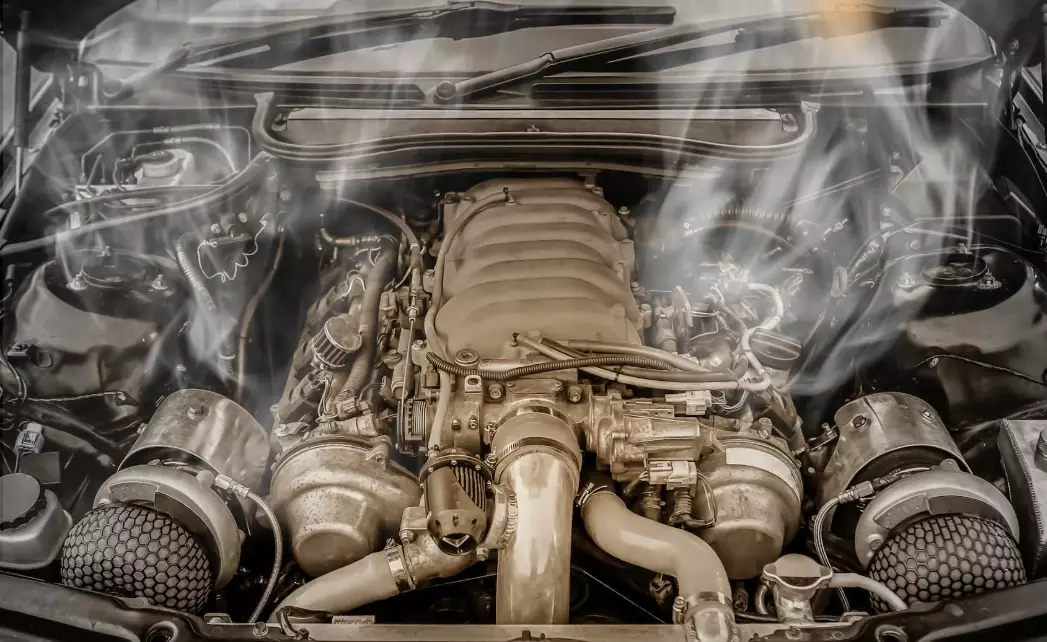
The Visual Check (Cold Engine Only):
- Coolant Level & Condition: Is it at the proper level? Is it clean, or rusty and murky? Bad coolant can't protect or transfer heat.
- Leaks: Look for crusty, colored deposits around hose connections, the radiator, the water pump (front of engine), and the thermostat housing. The water pump often has a small hole designed to leak when the seal fails – that's your sign.
- Belts and Hoses: Squeeze the upper radiator hose. It should be firm, not mushy or cracked. Check the serpentine belt that drives the water pump for cracks or glazing.
- Fan Operation: With the engine cold, start it and turn the A/C to max. Look to see if the electric radiator fan(s) engage within a minute or two. If not, you have an electrical issue (fuse, relay, motor).
The Thermostat Test: Start the cold engine with the radiator cap off (or overflow tank open). Watch the coolant. It should be still at first. As the engine warms, you should see a sudden surge of flow as the thermostat opens. If you see flow immediately when cold, the thermostat is stuck open. If the engine gets hot and you still see no flow, it's likely stuck closed. This is a classic, simple test.
Specific Fixes for Each Overheating Cause
Fixing Coolant Leaks
Identify the source. A leaking hose is straightforward: drain some coolant, replace the hose and clamp, refill, and properly dispose of the old coolant (it's toxic to pets and wildlife). A leaking radiator often means replacement, though stop-leak products can be a very temporary band-aid for pinhole leaks. For complex internal leaks (like a head gasket), professional diagnosis is needed.
Replacing a Thermostat
This is a common DIY job. It's usually housed where the upper radiator hose meets the engine. Drain a couple quarts of coolant, unbolt the housing, swap the thermostat (note the direction – the spring goes into the engine), replace the gasket, and reassemble. Refill with fresh 50/50 coolant. Use the type specified in your owner's manual (e.g., Dex-Cool, Honda Blue, etc.). Mixing types can cause gel formation.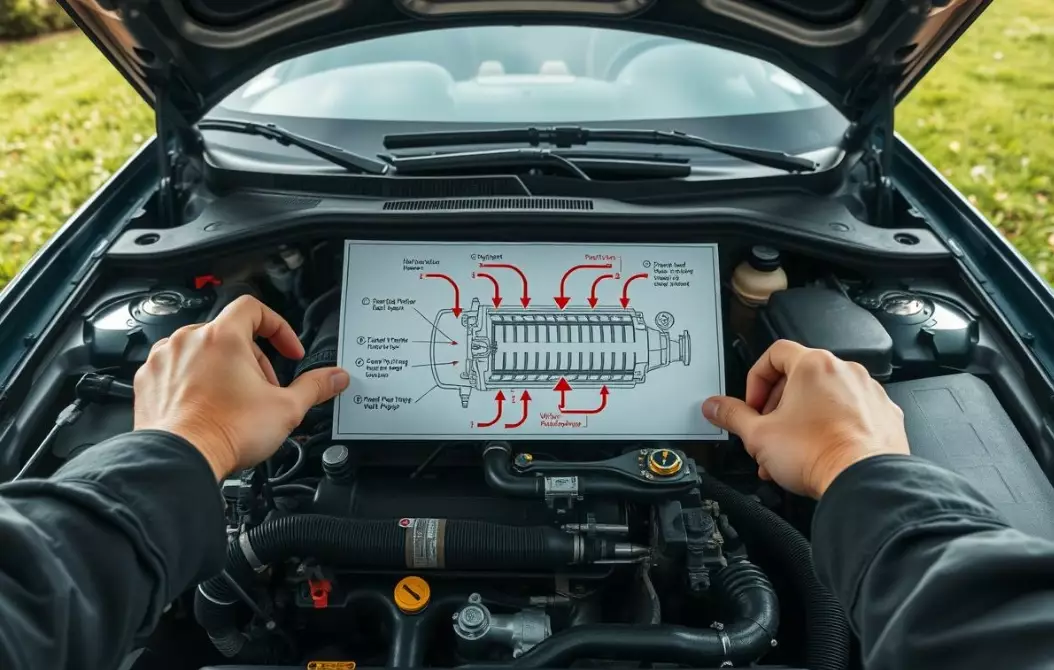
Addressing Fan Problems
If the fan doesn't run, first check the fuse and relay in the under-hood box. Swap the cooling fan relay with an identical one (like the horn relay) to test. If the fan works, you just needed a $15 relay. If not, the motor itself is likely dead. Replacing an electric fan assembly is usually plug-and-play.
Water Pump Replacement
This is a more involved job, often requiring removal of accessory belts and sometimes the timing belt/chain. If you're not mechanically confident, this is worth paying for. The labor guide from SAE International standards the time, but shops typically charge 3-5 hours of labor plus the pump and coolant.
Long-Term Prevention Tips
An ounce of prevention is worth a pound of cure, especially when the cure is a new engine.
- Flush Your Cooling System every 5 years or 60,000 miles, whichever comes first. Old coolant loses its anti-corrosion properties and turns acidic, eating away at seals and the radiator from the inside.
- Use the Correct Coolant. Don't just grab the green stuff. Check your manual. Modern coolants are formulated for specific engine materials.
- Inspect Hoses and Belts during every oil change. A cracked belt can snap and leave you without a water pump.
- Keep the Radiator Exterior Clean. Bugs, leaves, and road grime clog the fins, blocking airflow. Gently clean them with low-pressure water or compressed air from the back side.
I learned the flush lesson the hard way on an old truck. I kept topping up the coolant but never flushing. The rust buildup finally clog the heater core so badly it burst, and sediment took out the water pump bearing. A $150 flush would have saved $900 in repairs.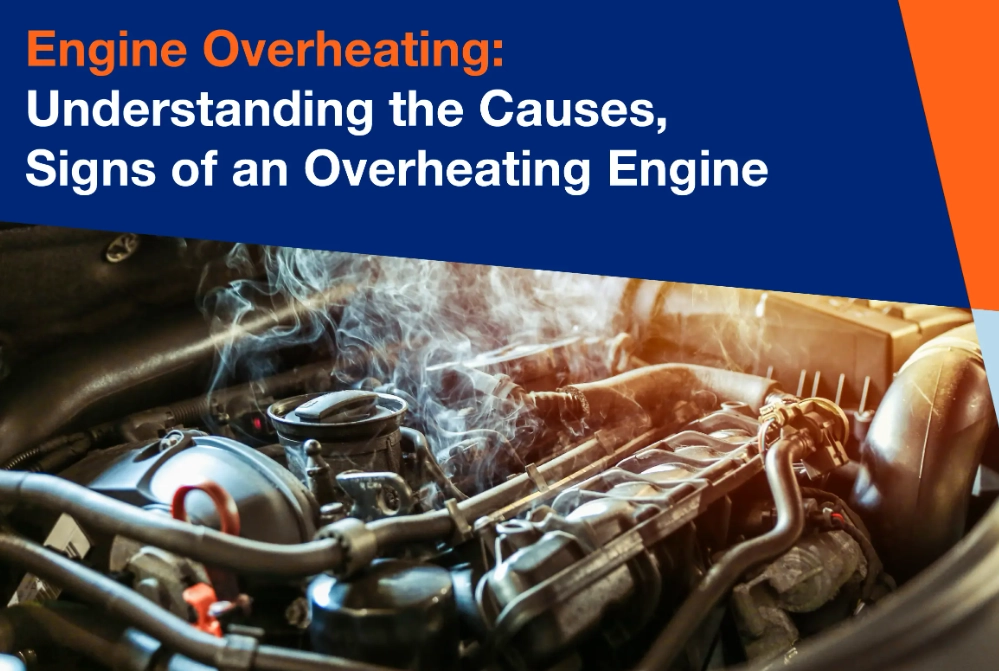
Your Overheating Questions Answered
Can I drive my car if it’s just slightly overheating (needle just above middle)?
No, you should never ignore even a slight overheat. The gauge shows coolant temperature, not metal temperature. By the time the gauge is consistently above normal, critical engine components like piston rings and cylinder walls are already experiencing excessive heat and expansion, accelerating wear dramatically. Pull over and investigate.
My car only overheats when the A/C is on or in stop-and-go traffic. Why?
This screams radiator fan failure. At highway speeds, airflow through the grill cools the radiator. At low speeds, the electric fan is essential. The A/C also puts extra heat load on the radiator, triggering the need for the fan. Test the fan as described in the diagnosis section. It's almost always the fan motor, relay, or a related fuse.
 I added coolant, but it overheated again a week later. No visible leaks?
You likely have a leak that only appears under pressure or when the engine is hot. The coolant is going somewhere: burning in the combustion chamber (blown head gasket), leaking into the transmission cooler (inside the radiator), or seeping from a seam only under pressure. A pressure test is your next step. A blown head gasket will often show other signs: white exhaust smoke, coolant in the oil (looks like a chocolate milkshake on the dipstick), or bubbles in the overflow tank while the engine runs.
Is "stop leak" additive a good permanent fix for a leaking radiator?
Absolutely not. Think of it as emergency duct tape. It can clog a small leak temporarily, but it also gums up the narrow passages in your radiator, heater core, and potentially the thermostat. It can turn a $400 radiator replacement into a $1,200 job to replace the radiator, heater core, and flush the entire block. Use it only to limp to a repair shop.
How long can an engine run hot before damage occurs?
Severe damage can happen in under 5 minutes of running in the red. Aluminum cylinder heads are particularly vulnerable and can warp quickly, leading to a blown head gasket. Even a few overheat cycles can cause cumulative damage that weakens head gaskets and seals. The moment you see the warning, your drive time is measured in seconds, not minutes.