That sinking feeling when your car makes a weird noise or just refuses to start is universal. Before you panic or call an expensive tow truck, know that many common car problems can be diagnosed and sometimes even fixed by you. This guide isn't about turning you into a master mechanic overnight. It's about giving you a clear, systematic method to figure out "what's wrong"—the crucial first step in any repair.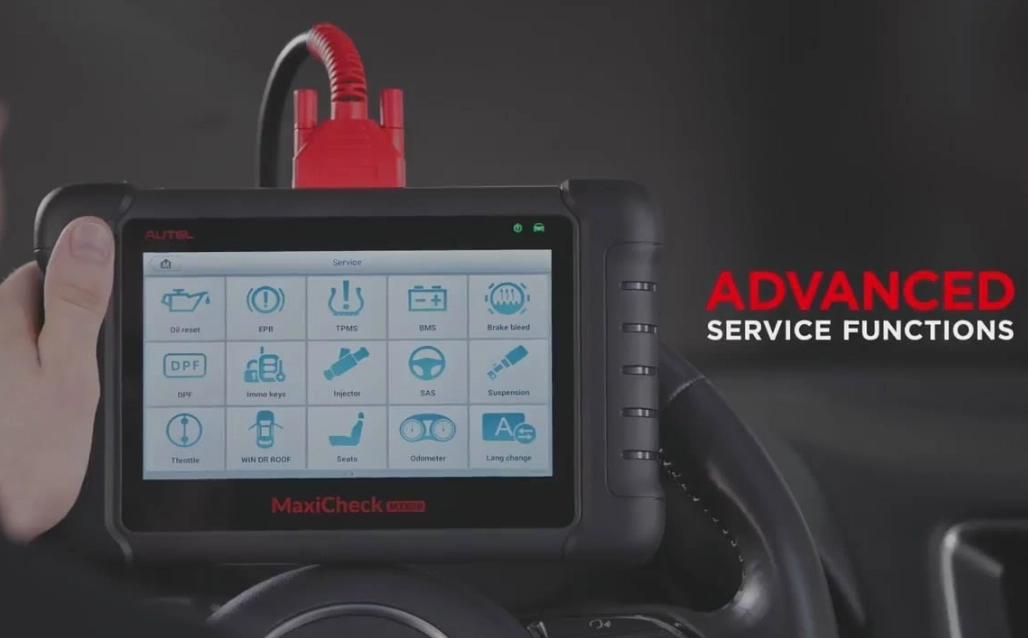
What You'll Learn in This Guide
- The Golden Rule of Car Troubleshooting: Safety First
- Your Systematic Troubleshooting Process
- How to Troubleshoot a Car That Won't Start
- How to Troubleshoot Strange Noises and Vibrations
- Your Car's Warning Lights: What They Mean and How to Respond
- The Essential DIY Troubleshooting Toolkit
- Knowing When to Stop and Call a Pro
The Golden Rule of Car Troubleshooting: Safety First
I've seen too many people rush under a car supported only by a flimsy jack. Don't be that person. Your safety is more important than fixing the car today.
A mistake I made early on? Not checking for fluid leaks properly. If you see a puddle, don't just touch it. Coolant can be sweet and attractive to pets but is toxic. Brake fluid feels oily. Transmission fluid is red and slick. Identify it safely with a paper towel.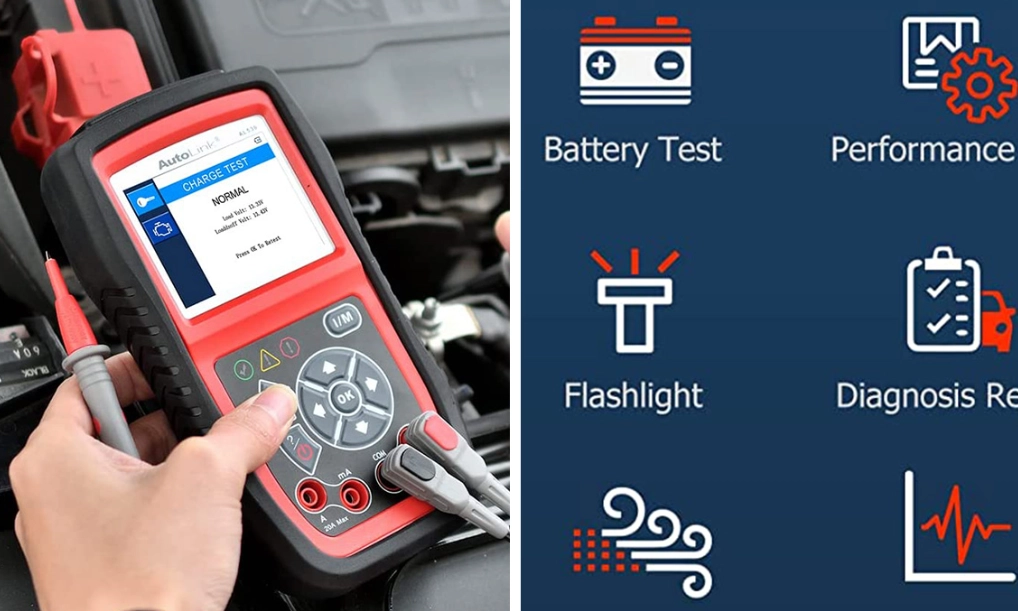
Your Systematic Troubleshooting Process
Think like a doctor. You observe symptoms, check the most common causes first, and narrow it down. The biggest error beginners make is jumping to conclusions. "It's the alternator!" they cry, when 80% of the time a no-start issue is just a dead battery or bad connection.
The Diagnostic Mindset: Start with the simplest, cheapest possibilities. Is there gas in the tank? (You'd be surprised). Are the battery terminals clean and tight? Is a tire visibly flat? This process saves you money and time.
How to Troubleshoot a Car That Won't Start
This is the most common panic moment. The key here is to listen and observe carefully. What exactly happens when you turn the key or push the button?
No Sound at All (Dead Silence)
This almost always points to an electrical issue with the starter circuit.
- Check the Battery: Headlights are your first test. Turn them on. Are they bright or dim? Dim or no lights mean a dead or very weak battery. Next, check the battery terminals. Corrosion (a white, blue, or green crusty substance) is a silent killer. Clean them with a wire brush and baking soda/water mix.
- Check the Basics: Is the shifter fully in "Park"? Try shifting to "Neutral" and starting. Some cars have a safety switch that fails. Is the key fob battery dead (for push-button starts)? Try holding the fob right against the start button.
Clicking Sound But No Crank
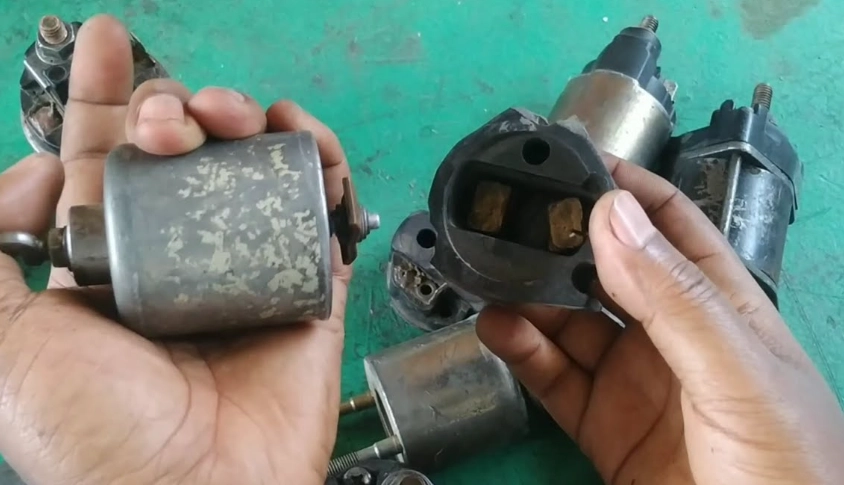
A rapid clicking usually means the battery has enough juice to power the solenoid (the click) but not enough to turn the starter motor. A single, solid *CLUNK* might indicate a stuck starter motor or a mechanical issue.
Action: This is a classic sign of a weak battery. Try a jump start. If jump-starting works, your battery is likely the culprit, but the cause could be an aging battery or a parasitic drain. If jump-starting doesn't work, the starter itself or its main cable connection could be bad.
Engine Cranks Slowly But Won't Fire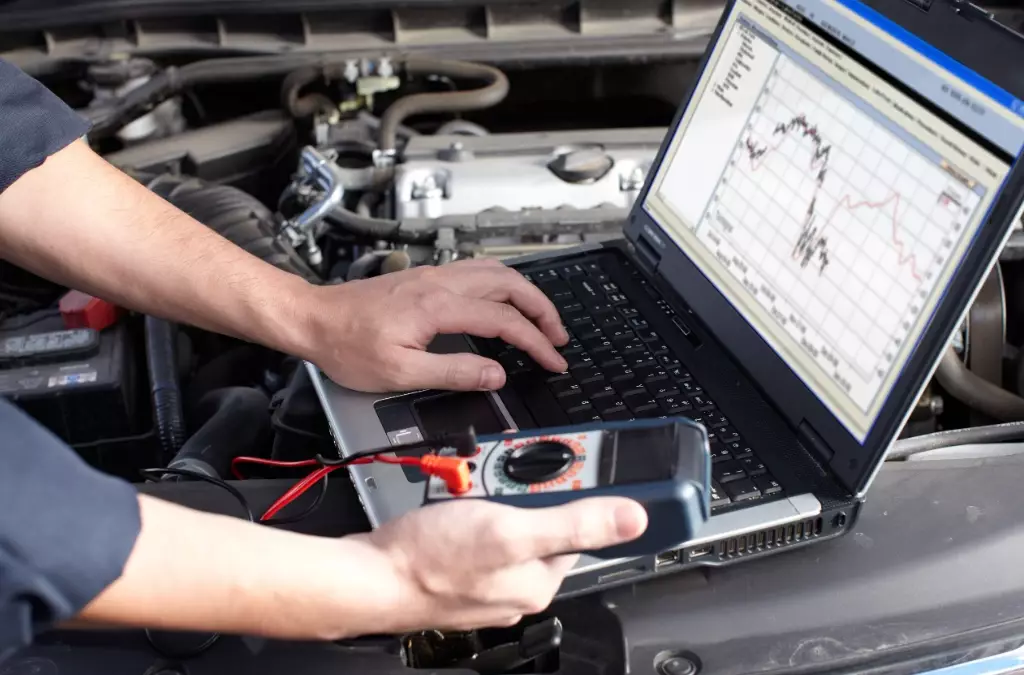
The engine turns over sluggishly. This is often still battery-related, but less severe. It could also be poor ground connections.
Engine Cranks Normally But Won't Start
Now we're getting into fuel, spark, or air issues. The engine is turning but not "catching."
- Fuel: Can you hear a brief humming from the rear when you first turn the key to "ON"? That's the fuel pump priming. No sound might mean a dead fuel pump or fuse. Do you smell gas? You might be flooded.
- Spark/Ignition: Harder to test without tools. If you've recently driven through deep water, moisture in distributor caps or coil packs can be a problem.
- Security System: Is there a flashing red light on the dashboard shaped like a key or car? The immobilizer might not recognize your key.
How to Troubleshoot Strange Noises and Vibrations
Noises are clues. Your job is to play detective and locate them. When does it happen? At idle, during acceleration, when turning, when braking?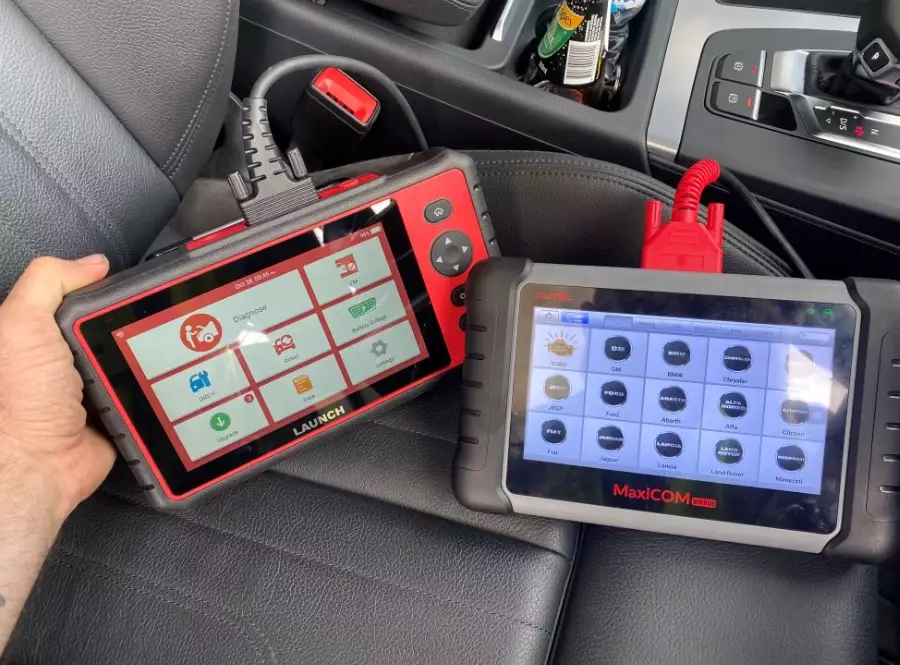
| Noise/Vibration | When It Happens | Likely Suspect | Quick Check |
|---|---|---|---|
| Squealing (high-pitched) | When starting the car or turning on A/C | Loose or worn serpentine belt | Open hood, look at belts for cracks/glazing. A little belt dressing spray can be a temporary test. |
| Grinding (metal-on-metal) | When applying brakes | Worn-out brake pads | Check brake pad thickness through wheel spokes. If pads are thin, rotors are likely damaged. |
| Clicking/Ticking | Speeds up with engine RPM | Low engine oil, valve train issue | Check oil level immediately with dipstick. Top up if low. |
| Rumbling/Roaring | Gets louder with speed | Wheel bearing failing or exhaust leak | Does noise change when turning left/right? A bad bearing gets louder when weight shifts off it. |
| Clunking/Thudding | Over bumps or when shifting gears | Worn suspension/steering components (ball joints, tie rods, sway bar links) | Try bouncing each corner of the car. Excessive bounce or noise points to worn shocks/struts. |
A pro tip most guides miss: Use a mechanic's stethoscope (or a long screwdriver with the handle to your ear) to pinpoint noises. Touch the metal end to different parts (like alternator, water pump) with the engine running CAREFULLY. You'll hear the internal noise amplified, helping you locate the source.
Your Car's Warning Lights: What They Mean and How to Respond
Dashboard lights are color-coded for a reason.
Yellow/Orange = Caution. Something needs your attention soon. Schedule a diagnosis. It's usually safe to drive, but not for extended periods.
Green/Blue = Information. These are just status indicators (like headlights or high beams are on).
The Check Engine Light (CEL) is the big one. A solid light means a problem logged. A flashing light means a severe misfire happening right now—you should reduce load and get it checked urgently to avoid catalytic converter damage.
While an OBD2 scanner can read the code (e.g., P0301 – Cylinder 1 Misfire), the code tells you the "what," not the "why." P0301 could be a bad spark plug, a faulty coil, a clogged fuel injector, or low compression. This is where your systematic troubleshooting begins.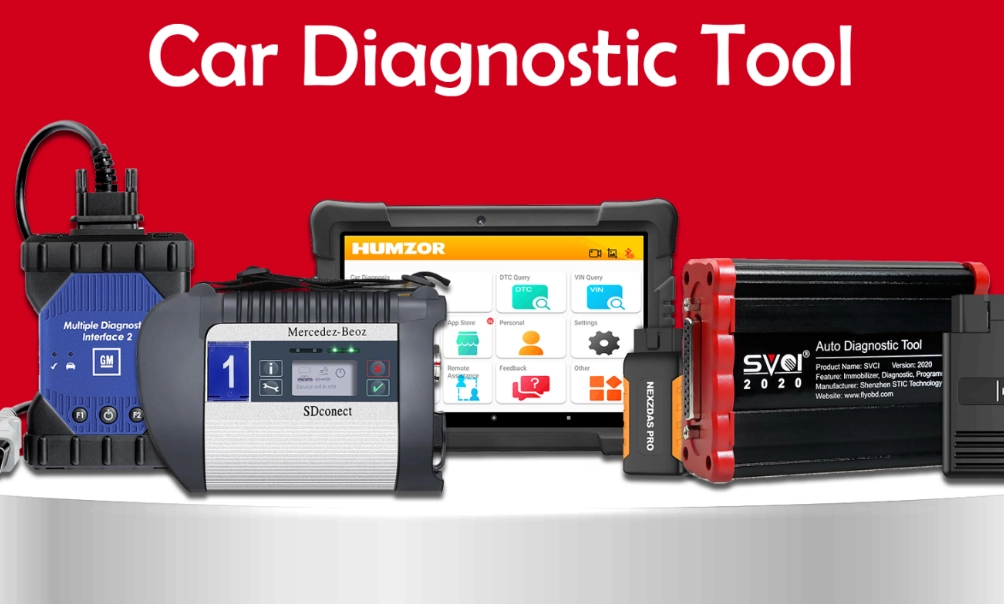
The Essential DIY Troubleshooting Toolkit
You don't need a full garage. Start with these:
- A Good Multimeter: For checking battery voltage (should be ~12.6V off, ~14V+ running), testing fuses, and checking for continuity. This is your most powerful diagnostic tool.
- Basic Socket and Wrench Set: Metric sizes, typically 8mm-19mm cover most things.
- Jack and Jack Stands: Never, ever skip the stands.
- OBD2 Code Reader: Even a basic $30 model can give you the crucial starting code.
- Flashlight and Mechanic's Mirror: For seeing into dark crevices.
- Spare Fuses and Electrical Tape.
Knowing When to Stop and Call a Pro
Part of being a good troubleshooter is knowing your limits. If you've followed the basics—checked battery, fuses, fluids, and obvious connections—and the problem persists, or if it involves:
- Internal engine noises (deep knocking)
- Major fluid leaks (especially steering or brake fluid)
- Airbag system warnings
- Complex electrical gremlins
...it's time to call a trusted mechanic. You've already done the valuable legwork. You can walk in and say, "The battery is new and terminals are clean, it cranks but won't start, and I have no fuel pump prime sound." That saves them diagnostic time and saves you money.
Frequently Asked Questions (From My Experience in the Shop)
My car makes a sharp squeal when I brake, but only sometimes. Is this an emergency?
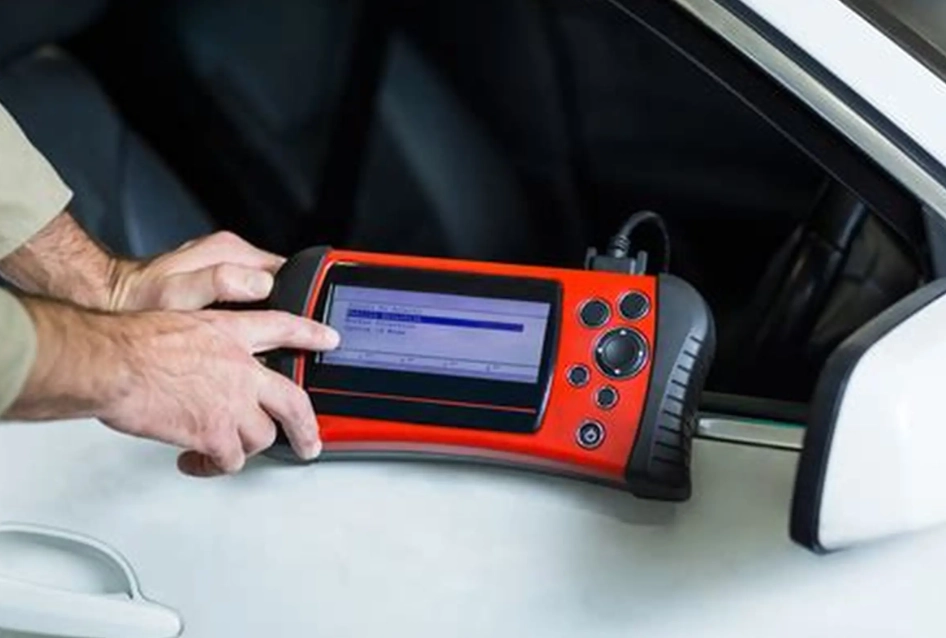
Can I use an OBD2 scanner to diagnose everything myself?
 My check engine light came on, but the car seems to run fine. Can I ignore it?
What's the one most overlooked basic check that solves a lot of problems?
I need to check my transmission fluid, but some dipsticks are impossible to read. What's the trick?