You're running late, you hop in the car, turn the key... and instead of the engine roaring to life, you're greeted by a rapid, frantic clicking sound. Nothing else. Your heart sinks. "My car won't start, it just clicks." It's one of the most frustrating and common car problems out there. The good news? That clicking sound is actually a useful clue. It tells you the electrical system is trying to work, but something critical is missing. In the next few minutes, I'll walk you through exactly what's happening, the five most likely culprits (ranked from most to least common), and the steps you can take—right now—to diagnose and potentially fix the problem yourself.
What's Inside: Your Quick Fix Guide
Listen First: What Your Clicking Sound Is Trying to Tell You
Before you even pop the hood, pay close attention to the click. This is your first diagnostic tool.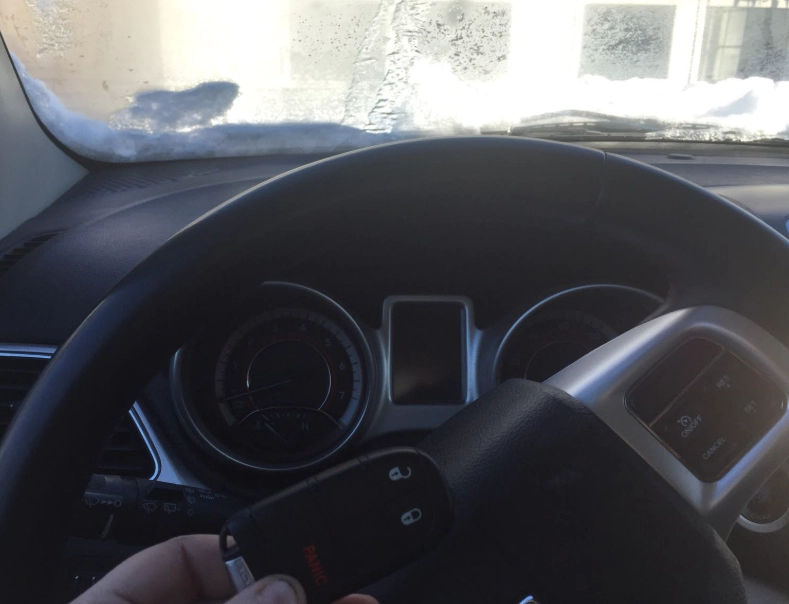
A single, solid "CLUNK" when you turn the key. This is usually a louder, more definitive sound. It often means the starter motor's solenoid (the little switch that engages the starter gear) is getting enough power to click into place, but the starter motor itself isn't spinning. Think of it as the starter saying, "I'm here!" but then having a heart attack.
A rapid, machine-gun-like "click-click-click-click." This is the classic sound most people describe. It's the sound of the solenoid rapidly trying and failing to engage because there isn't enough electrical oomph to hold it in place. This almost always points directly to a severe lack of power—your number one suspect.
I've seen people waste money replacing a starter when all they needed was a $150 battery. Listening first could save you that mistake.
Top 5 Reasons Your Car Won't Start and Just Clicks
Let's break down the usual suspects. I've ordered this list based on what I've seen in the shop over the last decade. The percentages are rough estimates from my experience and industry data like the annual AAA roadside assistance reports, which consistently show battery issues as the top cause of starting failures.
| Rank & Cause | Typical Click Sound | Quick Check | Approx. Fix Cost (Parts Only) |
|---|---|---|---|
| 1. Dead or Weak Battery | Rapid clicking | Dim headlights, weak horn | $100 - $250 |
| 2. Corroded or Loose Battery Terminals | Rapid or single click | Visible white/green crust on terminals | $5 (cleaning) - $30 |
| 3. Faulty Starter Motor | Single loud clunk | All lights bright, battery tested good | $150 - $450 |
| 4. Bad Ground Connection | Intermittent clicking/nothing | Check where battery cable connects to chassis/engine | $0 - $50 |
| 5. Faulty Ignition Switch | Click then everything dies | Wiggle key, check dash lights | $100 - $250 |
The Usual Suspect: Your Car Battery
This is the culprit about 70% of the time. A car battery doesn't just die completely; it often dies just enough. It has enough juice to power the dashboard lights and make the solenoid click, but not enough to deliver the massive, sudden burst of current (often 150-200 amps) needed to crank the engine. Cold weather is a killer here, as chemical reactions in the battery slow down, reducing its effective capacity. Did you leave a dome light on overnight? That's all it takes.
When It's the Starter Motor
If the battery checks out perfectly, the starter moves up the list. The starter motor is a powerful electric motor that physically turns the engine over. Inside it, there are brushes that wear down, armatures that can fail, and solenoids that stick. A common failure mode I see is a starter that works fine when cold but fails when the engine is hot ("heat soak"), leading to a confusing no-start situation after a short drive.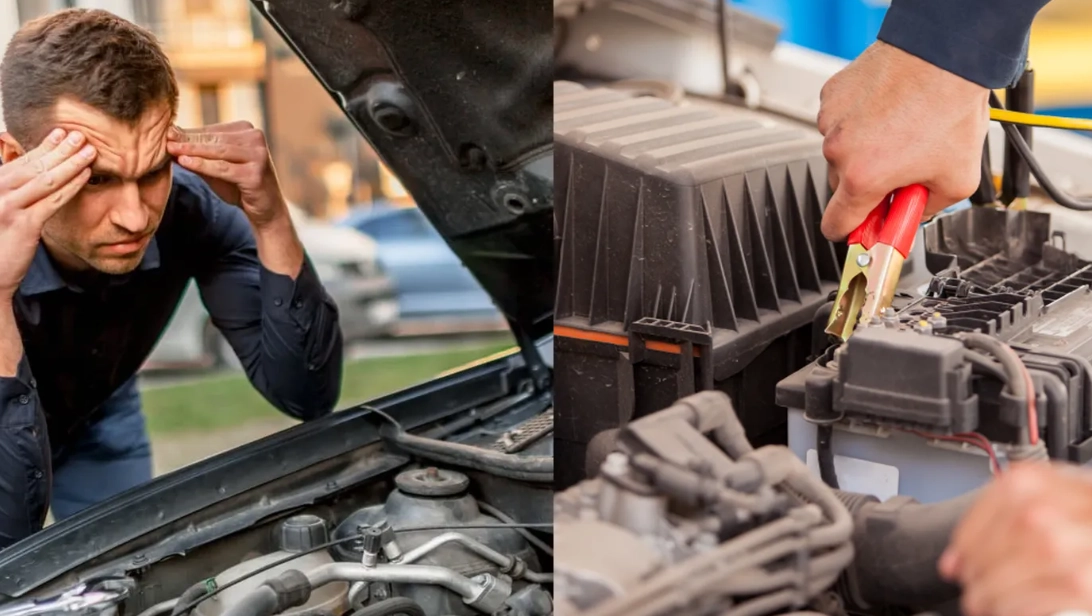
Here's a trick many don't know: If you hear a single, solid clunk, sometimes the starter motor is mechanically jammed. Before you call a tow truck, find a long wrench or piece of wood and give the starter motor casing a few firm (not savage) taps. This can jostle a stuck gear or brush just enough to get one more start out of it, allowing you to drive to a shop. It's a temporary fix, but it works more often than you'd think.
How to Diagnose the Click: A Step-by-Step Plan
Don't just throw parts at the problem. Follow this logical sequence. You'll need a friend for some steps.
Step 1: The Headlight Test. Turn on your headlights (not just parking lights). Then try to start the car. Watch the headlights closely. - If they go extremely dim or almost out when you turn the key, you have a severe power drain. This strongly points to a dead battery or horrible connections. - If they stay bright and don't dim much, the battery likely has surface charge, but the power isn't getting to the starter. This points to a bad connection (corrosion, loose cable) or the starter motor itself.
Step 2: Inspect the Battery Terminals. Pop the hood and look at the battery posts and cable clamps. Is there a white, blue, or green crusty buildup? That's corrosion, and it acts as an insulator. Even a thin layer can prevent hundreds of amps from flowing. Feel the cables where they connect to the clamps—are they loose? You should not be able to twist them by hand.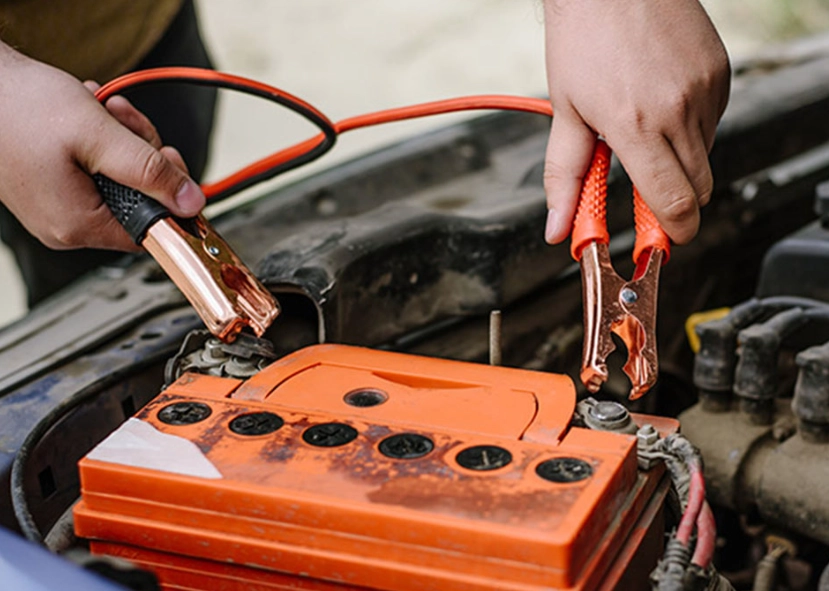
Step 3: The Tap Test (for a suspected bad starter). As mentioned, a few careful taps on the starter body with a tool can sometimes free a stuck component. Locate the starter (it's usually a cylindrical component bolted to the engine where it meets the transmission). Listen for a change in the clicking sound when you try to start it after tapping.
Step 4: Check Ground Connections. The negative battery cable doesn't just disappear. It's bolted to the car's metal chassis or the engine block. Find that connection point. Is it rusty? Loose? Clean and tight connections here are non-negotiable for completing the electrical circuit.
If you've done all this and you're still stuck, it's time for tools or professional help.
When to Stop DIY and Call a Mechanic
Be honest with yourself. If you're uncomfortable or the diagnosis gets fuzzy, calling a pro is cheaper than buying the wrong part.
Call a mechanic if: - You've cleaned the terminals, tried a jump start (correctly), and it still just clicks. - The diagnostic steps point to the starter, and it's in a terrible location (buried under intake manifolds, for example). Starter replacement labor can vary wildly based on accessibility. - You suspect the issue is the ignition switch or a more complex wiring fault. Chasing electrical gremlins without a wiring diagram is a recipe for frustration. - Your car is a modern hybrid or electric vehicle. The starting systems and high-voltage safety protocols are different.
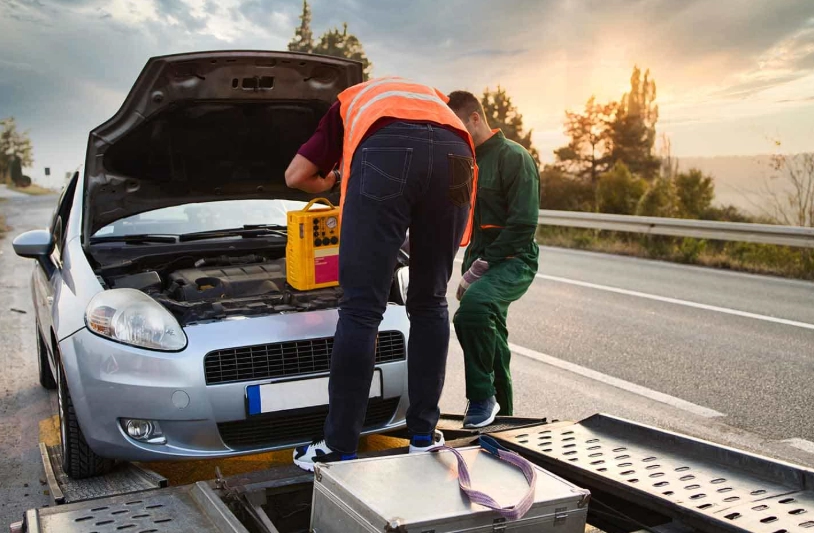
Roadside assistance or a mobile mechanic can often perform a definitive battery and charging system test on the spot, saving you a tow.
Your Clicking Car Questions Answered
That clicking sound doesn't have to mean a huge repair bill or a ruined day. Most of the time, it's a simple fix. Start by listening, then methodically check the power source and its connections. You'd be surprised how often a $5 wire brush and ten minutes of your time are all that stand between you and getting back on the road.