Key Takeaways
Let's be honest for a second. Most of us don't think about our transmission fluid until something feels... off. That little shudder when you shift, a whine that wasn't there before, or maybe the gears just seem to be hunting around more than usual. It's easy to ignore, right? Until it isn't. I learned this the hard way years ago with an old sedan I used to drive. I kept putting off checking the fluid, telling myself it was probably fine. Spoiler alert: it was not fine, and the repair bill was a painful lesson.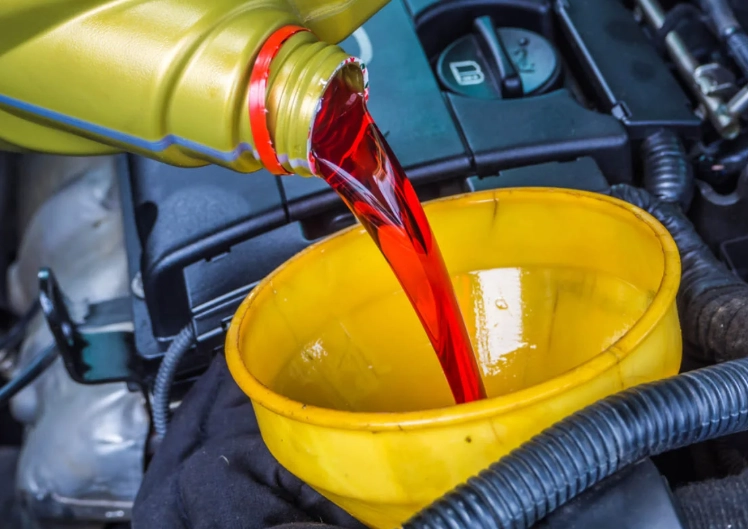
So, how do I know when I need transmission fluid? It's not always a flashing dashboard light (though sometimes it is). More often, it's a collection of subtle hints your car gives you. Ignoring them is like ignoring a toothache – it only gets more expensive.
This guide is here to translate those hints. We'll walk through the clear signs, the not-so-clear ones, how to actually check the stuff yourself (it's easier than you think), and what to do next. Consider this your one-stop shop for understanding transmission fluid health, without the mechanic jargon and scare tactics.
The 7 Most Common Signs You Need Transmission Fluid
Your transmission is a complex dance of hydraulic pressure, clutches, bands, and valves. The fluid is the lifeblood that makes it all work smoothly. When it's old, low, or burnt, the dance becomes a stumble. Here are the top performers in the "Something's Wrong" show.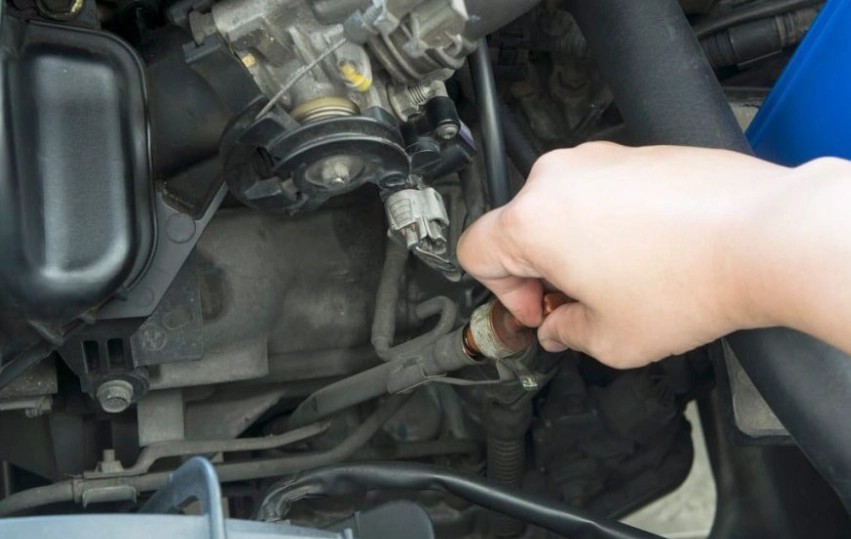
Gear Slipping or Hesitation
This is a big one. You're driving along, you press the accelerator, and the engine revs up but the car doesn't respond like it should. It feels like it's momentarily in neutral before slamming into gear. Or maybe it hesitates when shifting from park to drive or between gears while driving. This is often a classic sign of low fluid level. There isn't enough hydraulic pressure to keep the clutch packs and bands tightly engaged, so they slip. If you're wondering how do I know when I need transmission fluid, this feeling is a massive red flag waving right in your face.
It's a scary feeling, honestly. You lose confidence in the car.
Rough or Jerky Shifting
Shifts should be smooth, almost imperceptible in a modern car. When they become harsh, clunky, or feel like a firm kick in the back, the fluid is a prime suspect. Old, degraded fluid loses its friction-modifying properties and its ability to lubricate properly. The valves in the valve body that direct fluid flow can get sticky with varnish from old fluid, leading to delayed or abrupt shifts. It's not just annoying; it's putting extra wear on the entire transmission assembly.
Unusual Noises
Transmissions should be relatively quiet operators. Listen for these sounds:
- Whining or Humming: Often heard when in gear, especially at lower speeds. This can indicate the pump is sucking air because the fluid level is low, or the fluid itself is breaking down and not cushioning components properly.
- Clunking or Grinding: More serious noises, especially during a shift. This points to mechanical wear, but insufficient lubrication from bad fluid is frequently a contributing cause.
- Buzzing: Sometimes heard when idling in drive. Could be related to low fluid level affecting valve operation.
If your transmission starts sounding like a small appliance or a bag of tools, it's talking to you.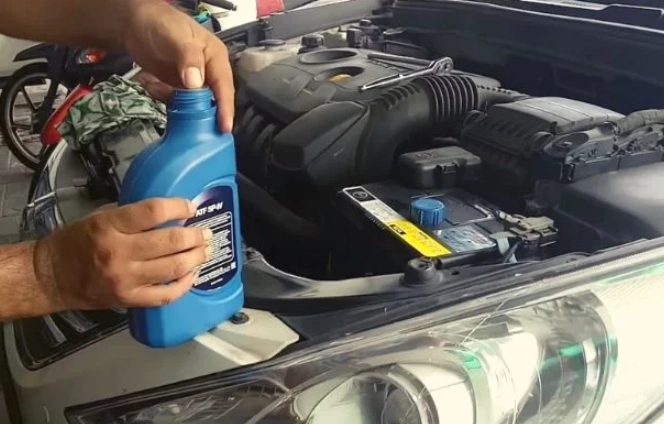
Transmission Overheating
You might see a warning light on your dash, or you might smell it. Transmission fluid has a distinct, acrid, burnt smell when it overheats. Modern fluids contain additives that break down under extreme heat. Once overheated, the fluid loses its ability to protect and perform. This creates a vicious cycle: bad fluid causes more friction and heat, which further degrades the fluid. The National Highway Traffic Safety Administration (NHTSA) lists overheating as a key factor in transmission longevity. If you tow, drive in mountains, or sit in lots of stop-and-go traffic, your fluid works harder and needs more attention.
Delayed Engagement
You shift from Park to Drive or Reverse, and there's a noticeable pause—sometimes a second or two—before you feel the transmission "thunk" into gear and the car starts to move. This delay is often a sign of low fluid pressure. The system needs time to build enough pressure with insufficient fluid to move the internal components. It's a common early warning.
Fluid Leaks
This seems obvious, but the color and location matter. Transmission fluid is typically red or pink when new, turning darker reddish-brown with age. If it's dark brown or black and smells burnt, it's well past its prime. If it's a milky pink, that's coolant mixing in—a very bad sign. Look for puddles under the center of your car. Common leak points are the pan gasket, cooler lines, axle seals, and the transmission input shaft seal. A leak is a direct answer to "how do I know when I need transmission fluid?" You're literally losing it.
Check your driveway. It's the simplest diagnostic tool you have.
Check Engine or Transmission Warning Light
Don't ignore the little lights. Modern cars have sophisticated sensors that monitor transmission operation, shift timing, and fluid temperature. A illuminated check engine light or a specific transmission warning light (often a gear icon with an exclamation point) can be triggered by issues related to fluid pressure or performance. A scan tool can read the specific code, which often points in the direction of fluid problems or related solenoid failures.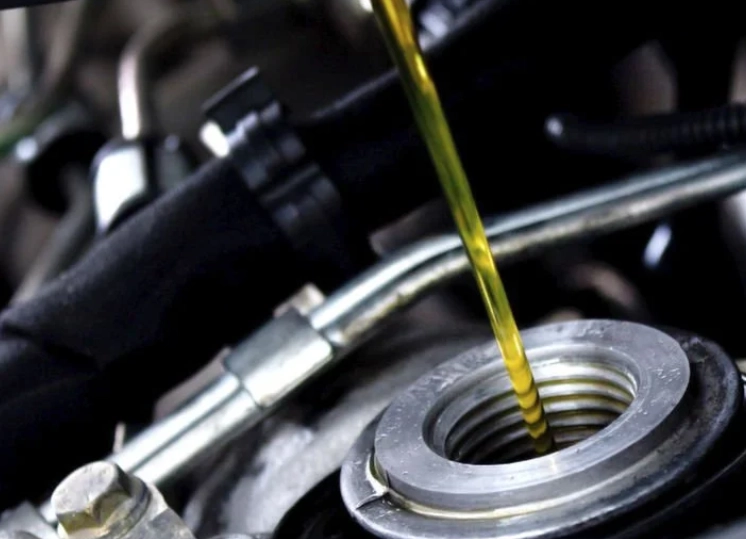
How to Actually Check Your Transmission Fluid (The Right Way)
This is where most guides fall short. They say "check the fluid" but don't explain the nuance. Doing it wrong gives you a false sense of security. Here's the step-by-step, with the gotchas.
First, a major caveat: Many modern cars (roughly from the mid-2000s onward) have sealed or "lifetime" transmissions with no dipstick. The manufacturer claims the fluid never needs changing. Most independent mechanics and transmission specialists heavily dispute this. For these cars, checking the fluid often requires a lift, special tools, and following a specific procedure (like checking at a precise temperature through a fill plug). If you have one of these, your best bet is to consult your owner's manual and consider having a professional check it as part of routine maintenance. The Automatic Transmission Rebuilders Association (ATRA), a leading industry group, provides resources that often challenge the "lifetime fluid" notion.
For cars with a dipstick, here's the real process:
- Park on a Level Surface: This is non-negotiable. A slanted driveway will give you an inaccurate reading.
- Run the Engine to Operating Temperature: The transmission needs to be warm. Drive for about 10-15 minutes. Most manufacturers require the check to be done with the fluid at a specific warm temperature for accuracy.
- Leave the Engine Running: Keep the car in Park (or Neutral if the manual specifies) with the parking brake firmly set. The engine needs to be running for the torque converter to be full and the fluid to circulate.
- Pull the Dipstick, Wipe It, Re-insert Fully, Then Pull Again: Find the transmission dipstick (usually toward the back of the engine bay, with a red or yellow handle). Pull it out, wipe it clean with a lint-free rag, push it all the way back in, wait a second, then pull it out again to get your true reading.
- Read the Level AND the Condition: Look at where the fluid lands between the "Hot" marks (usually two holes, or a cross-hatched area). Now, look at the fluid itself.
| Fluid Color & Smell | What It Means | Likely Action Needed |
|---|---|---|
| Bright Red or Pink, Clear Sweet or mild chemical smell |
Fresh, healthy fluid. | None, if level is correct. |
| Dark Reddish-Brown Burnt toast or acrid smell |
Fluid is old, oxidized, and breaking down. Friction modifiers are depleted. | Fluid and filter change recommended soon. |
| Very Dark Brown or Black Strong burnt odor |
Severely degraded. May have caused internal wear (clutch material in fluid). | Fluid change urgently needed. A flush may be risky; a drain-and-fill is safer. Transmission health check advised. |
| Milky Pink or Frothy | Coolant is mixing with transmission fluid. Usually a failed internal transmission cooler or radiator seal. | Major repair required immediately. Do not drive. |
| Metallic Particles visible in fluid | Significant internal metal-on-metal wear. | Transmission may be failing. Professional diagnosis critical. |
See? It's not just about the level. The condition tells the story. If you're looking at dark, smelly fluid, you've found a core part of the answer to how do I know when I need transmission fluid.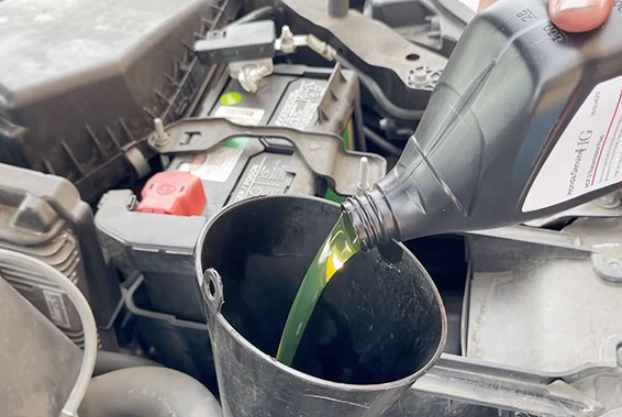
Transmission Fluid Maintenance: Not Just When It Breaks
Waiting for a symptom is a reactive strategy. A proactive one saves money and stress. So what's the real schedule?
Forget the "lifetime" marketing. For traditional automatic transmissions with a dipstick, the old standard of every 30,000 miles is still a decent maximum interval for severe use. But the world has changed. Modern synthetic fluids are better. My take? For normal driving, every 60,000 to 100,000 miles is a common range for a drain-and-fill service. But "normal" is key.
For CVTs (Continuously Variable Transmissions) and modern dual-clutch automatics, the fluid is even more critical and specialized. These units often have stricter intervals, sometimes as short as 30,000-60,000 miles. Always, always check your owner's manual for the manufacturer's recommendation for your specific model. It's the most authoritative source, even if you later decide to be more conservative.
The big debate: Drain-and-Fill vs. Flush.
- Drain-and-Fill: Drops the transmission pan, replaces the filter (if accessible), and refills with new fluid. This only replaces about 30-50% of the total fluid, as much remains in the torque converter and cooler lines. It's gentle, low-risk, and often recommended for higher-mileage vehicles that have never had service.
- Flush: Uses a machine to push out all the old fluid and replace it with new. Replaces close to 100%. Controversial because on a neglected transmission with worn clutches, the new detergent-heavy fluid can dislodge sludge and cause slippage or failure. Best for well-maintained transmissions or newer vehicles.
My personal stance? For a car with a known service history, a flush can be fine. For an older, high-mileage car with unknown history, a simple drain-and-fill is the safer bet. You can always do another in 10,000 miles to gradually refresh the fluid.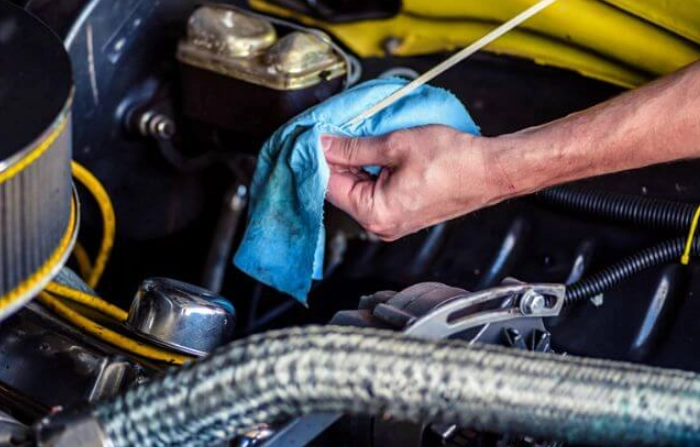
Common Questions You're Probably Asking
Putting It All Together: Your Action Plan
So you've read the signs, understood the check. What now? Here's a straightforward plan.
- Consult Your Owner's Manual: Find the recommended fluid type and service interval for your specific vehicle. Write it down.
- Perform a Visual Check: Look for leaks under the car. If you have a dipstick, do the proper warm check as outlined above. Note the color and smell.
- Listen and Feel: On your next few drives, pay active attention. Are shifts smooth? Any noises? Any hesitation?
- Make a Decision:
- If fluid is clean and level is good, and you're within mileage interval, note the date/mileage for your next check.
- If fluid is dark/burnt but car drives fine, plan a fluid change (drain-and-fill) in the near future. Consider a professional assessment.
- If fluid is low, find and repair the leak, then refill.
- If you have symptoms (slipping, harsh shifts) AND bad fluid, a fluid change might help, but be prepared that it might also reveal a need for repair. Get a professional diagnosis.
- Stick to a Schedule: Don't wait 150,000 miles. Whether it's every 60k, 80k, or 100k, put a reminder in your phone or maintenance log. Regular fluid changes are the single best thing you can do for transmission longevity.
Figuring out how do I know when I need transmission fluid isn't about being a mechanic. It's about being an observant car owner. Your transmission doesn't ask for much—just clean fluid at the right level. Give it that, and it'll likely take you hundreds of thousands of miles. Ignore it, and it will eventually make its needs known in the most expensive way possible.
The goal is to never have to ask that question in a panic. With the info here, you won't have to.