In This Guide
Let's be honest, most of us don't think about our headlights until one goes out. You're driving home at night, and suddenly the road ahead seems darker. You pull into an auto parts store or start searching online, and you're hit with a wall of acronyms and numbers: H11, 9005, LED, HID, halogen. It's enough to make anyone's head spin. I've been there myself, staring at a shelf full of boxes, wondering if the more expensive bulb is actually worth it.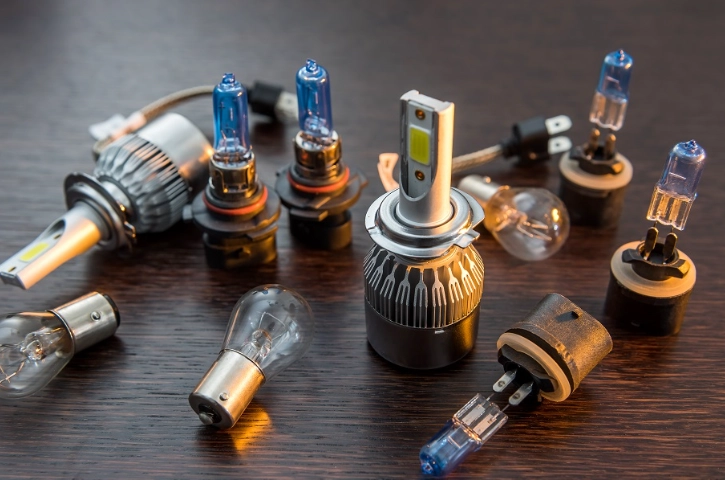
Choosing the right headlight bulb type isn't just about replacing a broken part. It's a safety upgrade, a style decision, and a practical choice that affects your wallet. Get it wrong, and you might end up with a bulb that doesn't fit, blinds other drivers, or burns out in six months. The goal here is to cut through the marketing jargon and give you the straight facts. By the end of this, you'll know exactly which headlight bulb type is the best match for your car and your needs.
We're going to break down the three main families of headlight bulbs: the old reliable halogen, the high-tech LED, and the powerful HID. We'll look at how they work, what they cost, and the pros and cons of each. I'll even walk you through how to figure out which bulb your car takes and share some tips if you're thinking about doing the swap yourself.
The Core Takeaway: There is no single "best" headlight bulb type for every car and driver. The right choice depends on your budget, your desire for brightness and color, how long you plan to keep the car, and whether you're willing to deal with potential installation hassles. Halogen is the standard, LED is the modern all-rounder, and HID offers peak performance for a price.
The Big Three: Halogen, LED, and HID Headlights
Think of these as three different generations of technology, all still available today. They produce light in fundamentally different ways, which leads to huge differences in their performance, lifespan, and cost.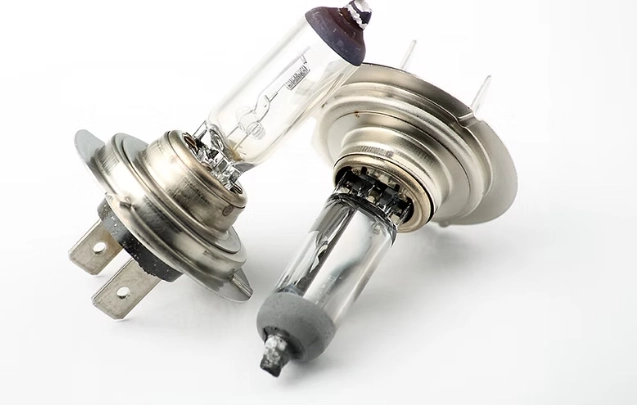
Halogen Bulbs: The Tried-and-True Workhorse
If your car is more than a few years old, it probably left the factory with halogen bulbs. They've been the standard for decades. Inside the glass bulb, there's a tungsten filament and a halogen gas (like iodine or bromine). When you turn on your lights, electricity heats that filament until it glows white-hot, producing light. The halogen gas has a neat trick—it redeposits evaporated tungsten back onto the filament, which lets it run hotter and last longer than an old-fashioned incandescent bulb.
Walking through the auto parts aisle, you'll see halogens are the most common and affordable headlight bulb types. A pair usually costs between $15 and $50.
But they have downsides. About 90% of the energy they use is wasted as heat, not light. They're not very efficient. The light output is a warm, yellowish-white (typically around 3200 Kelvin), which isn't as bright or as close to daylight as newer options. Their lifespan is the shortest of the bunch, usually rated for 450 to 1000 hours. That means if you do a lot of night driving, you might be replacing them every year or two.
I remember changing the halogens on my old sedan. It was cheap and easy, but I was never thrilled with the dim, yellow glow on unlit country roads.
A Quick Safety Note: Never touch the glass of a halogen bulb with your bare fingers during installation. The oils from your skin can create hot spots on the glass when the bulb is on, causing it to crack or fail prematurely. Always use a clean cloth or the bulb's packaging to handle it.
LED (Light Emitting Diode) Bulbs: The Modern Favorite
LED technology has taken over everything from your TV to your flashlight, and car headlights are no exception. Unlike a filament, an LED produces light when electrical current passes through a semiconductor microchip. It's a cold process—way more efficient. This is why LED headlight bulb types have become so popular for upgrades.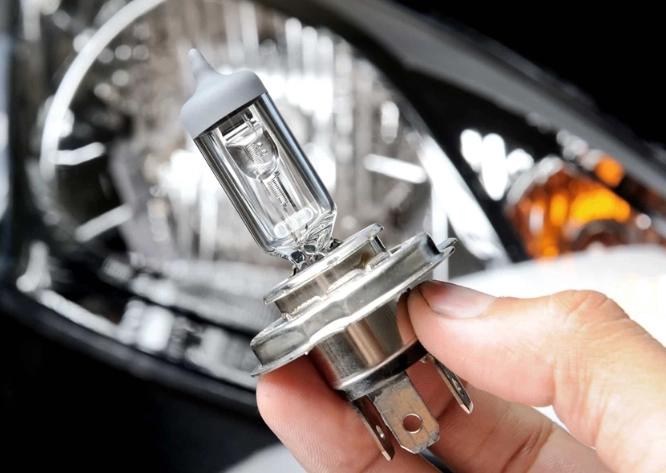
The benefits are substantial. First, they're incredibly energy-efficient, drawing much less power from your car's electrical system than halogens. Second, they last a long time. We're talking 30,000 to 50,000 hours of life. You'll likely sell the car before the bulbs burn out. Third, they produce a bright, crisp, white light (often 5000-6000K) that greatly improves visibility and gives the car a modern look.
So, are LED bulbs the perfect headlight bulb type? Not always. The main challenge is heat management. While the light-emitting part is cool, the chips generate heat at their base. Cheap LED bulbs often have poor heat sinks (those aluminum fins you see), which leads to overheating and early failure. A quality LED kit with a good fan or heatsink can cost anywhere from $50 to $200 per pair.
Another big question is compatibility. Can you just plug LED bulbs into a housing designed for halogens? Sometimes, but it's tricky. The light pattern from an LED chip is different from a halogen filament. A poorly designed "plug-and-play" LED bulb can throw light everywhere, creating glare for oncoming traffic and giving you poor illumination on the road. The best results often come from bulbs specifically designed to mimic the halogen filament's position or from complete LED headlight assemblies.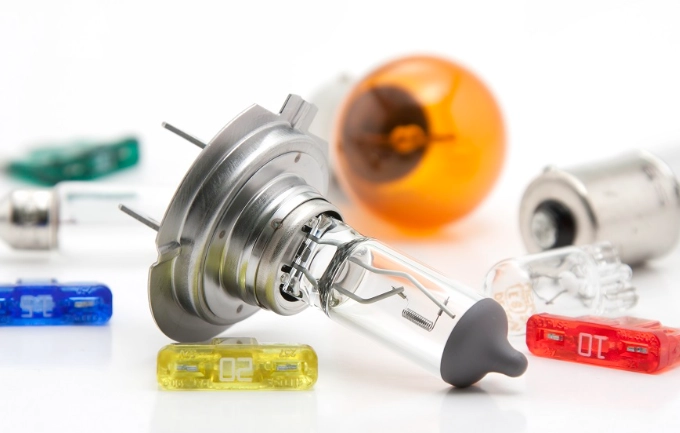
If you're upgrading to LEDs, look for bulbs that are "CANbus ready" or have built-in error code cancellers. Many modern cars have a system that checks if a bulb is working by sensing its power draw. Since LEDs use so little power, the car might think the bulb is burnt out and trigger a warning light on your dashboard. These special bulbs include a little resistor to trick the system.
HID (High-Intensity Discharge) / Xenon Bulbs: The Performance King
HID lights were the first major leap forward from halogen. You've seen them—that intense, bluish-white glow from high-end cars. They don't have a filament. Instead, they create light by passing a high-voltage arc through a chamber filled with xenon gas and metal salts. This process requires a special ballast (a power pack) to ignite the bulb and regulate the current.
When it comes to raw light output (lumens) on the road, a good HID system is often the brightest headlight bulb type you can get. They produce a very wide, even beam pattern that's excellent for visibility. They're also more efficient than halogens and have a decent lifespan of around 2,000 to 8,000 hours.
But here's the catch: complexity and cost. A proper HID conversion is not a simple bulb swap. You need the bulbs, the ballasts, and usually new projector-style housings to properly control the intense light and prevent blinding glare. A full, quality retrofit kit can easily run over $300. Also, HID bulbs can have a slight delay when first turned on, taking a few seconds to reach full brightness.
Honestly, for most people looking for an upgrade today, LED technology has surpassed HID in terms of practicality. HID kits can be finicky, and the ballasts are another component that can fail. Unless you're a true enthusiast seeking that specific look and peak performance, LEDs are often the smoother path.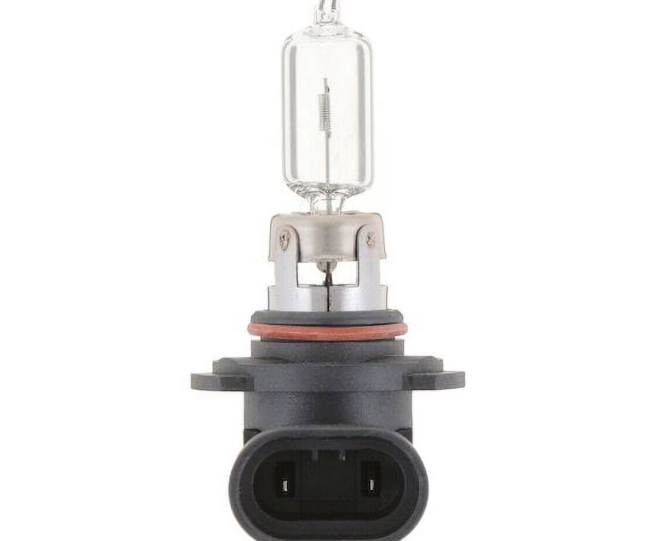
Head-to-Head Comparison: Which Headlight Bulb Type Wins?
Let's put all this info side-by-side. This table should help you see the clear trade-offs between the different headlight bulb types.
| Feature | Halogen | LED | HID / Xenon |
|---|---|---|---|
| How It Works | Heated filament in halogen gas | Electric current through semiconductor | Electrical arc in xenon gas |
| Brightness (Typical Lumens) | Lowest (~1,000-1,500 lm) | High (2,000-4,000+ lm) | Highest (3,000-5,000+ lm) |
| Light Color (Kelvin) | Warm White/Yellow (3200K) | Pure White/Blue-White (5000-6000K) | White/Blue-White (4000-6000K+) |
| Lifespan (Hours) | 450 - 1,000 hrs | 30,000 - 50,000 hrs | 2,000 - 8,000 hrs |
| Energy Use | High (55W typical) | Very Low (20-30W typical) | Medium (35W typical) |
| Cost Per Pair | $15 - $50 | $50 - $200+ | $100 - $500+ (for full kit) |
| Warm-up Time | Instant | Instant | Several seconds to full brightness |
| Installation Complexity | Easy (plug-and-play) | Easy to Moderate (may need error cancellers) | Complex (requires ballasts, often wiring) |
| Best For | Budget replacement, older vehicles, simplicity | Modern upgrade, long-term value, balance of performance & ease | Maximum performance, specific look, professional retrofits |
Looking at the table, it becomes pretty clear. Halogen is your basic, no-fuss option. LED is the sweet spot for most people wanting more light without major hassle. HID is for the project car or the person who wants the absolute brightest output and doesn't mind the complexity.
So, which one feels right for you already?
How to Choose the Right Headlight Bulb for YOUR Car
Okay, you understand the types. Now, how do you pick one? Don't just grab the shiniest box. Ask yourself these questions.
What's your budget? If you need to spend as little as possible, halogen is your only real choice. If you can invest $100-$150 for a set that will last for years, LED is a fantastic value. View it as a long-term upgrade, not just a replacement.
How important is brightness and visibility? If you do a ton of night driving, especially on poorly lit roads, the upgrade to LED or HID is a genuine safety investment. The wider, whiter beam lets you see more detail, earlier.
What color light do you prefer? Some people hate the cool blue-white of high-Kelvin bulbs, finding it harsh. Others can't stand the "old car" yellow of halogens. Most people find the 5000-6000K "daylight white" of good LEDs to be a perfect, comfortable middle ground.
Are you keeping the car long-term? If you plan to drive it for many more years, the long lifespan of LEDs makes more financial sense. If the car might be sold soon, a simple halogen replacement might be the more economical choice for the next owner.
Are you comfortable with a slightly more involved installation? Swapping halogens is usually straightforward. For LEDs, you might need to find space for a small driver or heatsink behind the headlight assembly. For HIDs, it's a multi-component job. Be honest with your skill level.
Finding Your Bulb Size: The Secret Code
This trips up so many people. Headlight bulb types come in specific sizes, not one-size-fits-all. The code (like H11, 9005, H4) refers to the bulb's shape, base, and filament position.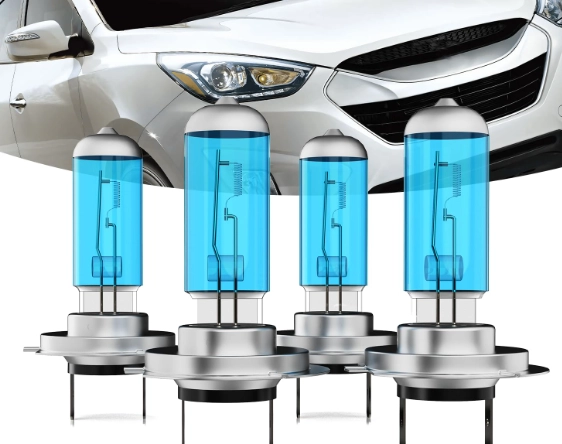
The absolute best way to find your size? Check your car's owner's manual. It's always listed there. Second best: look at the old bulb itself. The code is almost always stamped on the metal base or the glass. Third option: use a vehicle lookup tool on a reputable auto parts website like RockAuto or Sylvania's automotive site. Never just guess.
Many cars use different bulbs for low beam and high beam. You might see something like "Low Beam: H11, High Beam: 9005." Make sure you get the right ones for the right socket.
A Step-by-Step Guide to Replacing Your Headlight Bulbs
Thinking of doing it yourself? It's often easier than you think, but some cars are designed by sadists. Here's a general guide.
- Gather your tools: New bulbs, a clean cloth or gloves (for halogen), and usually just a screwdriver or socket set. Consult a site like YouTube for a specific video on your car model—it's a lifesaver.
- Access the bulb: Sometimes you can reach it from under the hood by removing a cover or the battery. Other times, you need to go through the wheel well liner or even remove the entire headlight assembly. The YouTube video will show you the way.
- Disconnect the old bulb: Unplug the wiring harness. It usually has a plastic clip or twist-lock connector. For halogen bulbs in a socket, you often release a wire clip or twist the bulb socket itself to unlock it.
- Remove the old bulb: Pull it straight out. Handle with care.
- Install the new bulb: WITHOUT touching the glass (if halogen), insert the new bulb into the socket. Reconnect the wiring harness. Make sure everything is seated firmly.
- Test before reassembling: Turn on your headlights before you put all the panels back. Make sure both low beams and high beams (if applicable) work. This avoids having to take everything apart again if there's an issue.
- Aim your headlights (Crucial Step!): Anytime you change a bulb, especially to a different headlight bulb type like LED or HID, you should check the aim. Park on level ground facing a wall about 25 feet away. Turn on your low beams. The brightest part of the beam should be slightly below the height of your headlights on the wall. If it's pointing at the sky or into oncoming driver's eyes, you need to adjust it. Most headlights have vertical and horizontal adjustment screws. The procedure is detailed in your owner's manual, or you can find guides from the National Highway Traffic Safety Administration (NHTSA).
Seriously, don't skip the aiming step. Properly aimed halogens are safer than badly aimed LEDs that blind everyone.
Frequently Asked Questions About Headlight Bulb Types
Let's tackle some of the specific questions that pop up when people are searching for headlight bulb info.
Wrapping It All Up
Navigating the world of headlight bulb types doesn't need to be a headache. Start with what your car currently has—chances are it's halogen. From there, decide what you want: the cheap and easy path (stick with halogen), the balanced modern upgrade (go with quality, well-researched LEDs), or the peak-performance project (venture into HID territory).
Remember the golden rules: know your bulb size, buy from reputable sources, never touch halogen glass, and always—always—check your headlight aim after any change. Your safety and the safety of other drivers depend on it.
I made the switch to LEDs on my daily driver a few years ago, and I'd never go back. The initial cost stung a little, but not having to think about my headlights for years and seeing the road so clearly at night made it worth every penny. Just do your homework first.
Hopefully, this guide has turned a confusing task into a clear choice. Now you can hit the road with confidence, knowing exactly what's lighting your way.