Your car runs fine on the highway, but the moment you hit a red light or get stuck in traffic, the temperature gauge starts creeping into the red. That's engine overheating at idle, and it's not just annoying—it's a warning sign of a cooling system problem that can leave you stranded or cause serious engine damage. Unlike overheating under load, an idle overheating issue points to specific components that rely on low engine RPMs or vehicle speed to function. Let's break down exactly why this happens and, more importantly, what you can do about it.
What's Inside This Guide
The Core Problem: Why Idle is the Weak Point
At idle, your engine is producing minimal power but still generating a lot of heat. The cooling system's job is to shed that heat. The main players are the water pump, driven by the engine, and the cooling fan(s), which pull air through the radiator. When you're moving, airflow from your car's speed does most of the cooling work. At a standstill, that airflow drops to zero. The entire cooling burden falls on the electric cooling fan and the water pump's efficiency at low RPMs. If either of these components—or the system that supports them—is weak, that's when the temperature needle climbs. It's a stress test your cooling system faces every day.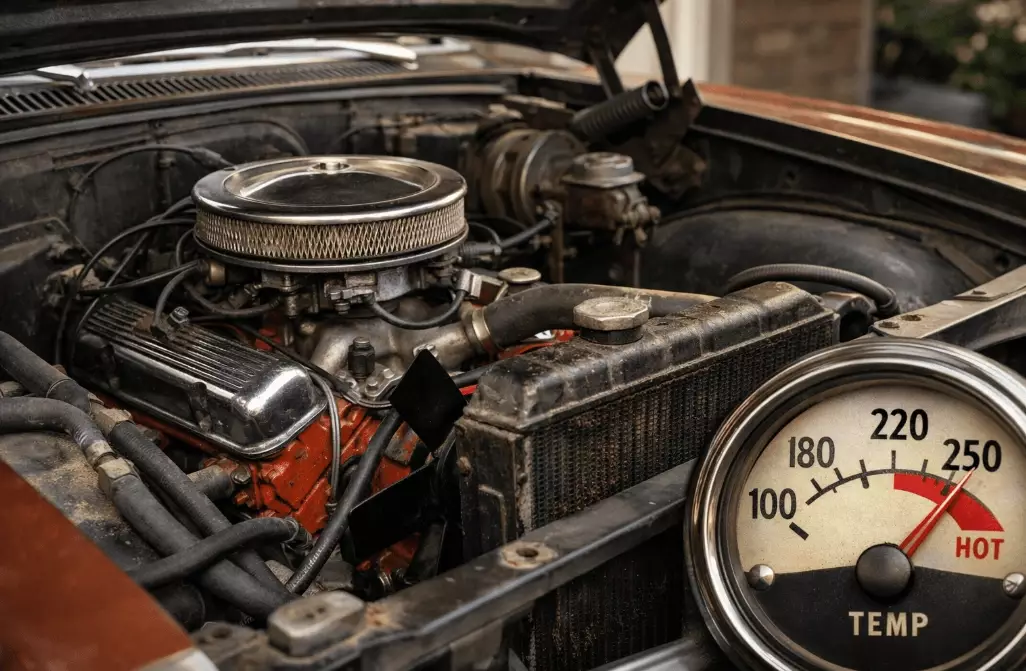
The 7 Most Common Causes of Overheating at Idle
Based on two decades of turning wrenches, I've found these to be the usual suspects, ranked from most to least frequent. Most mechanics will check the fan first, but the real culprit is sometimes hiding.
| Cause | What Happens | Typical Repair Cost | Urgency |
|---|---|---|---|
| Faulty Electric Cooling Fan | The fan doesn't turn on when the A/C is on or coolant reaches temp. No airflow at idle. | $150 - $600 (part & labor) | High - Can overheat quickly. |
| Stuck-Closed Thermostat | Prevents coolant from flowing to the radiator to be cooled, trapping heat in the engine. | $100 - $300 | High - Will also cause poor heater performance. |
| Low Coolant Level | Not enough fluid to absorb and transfer heat. Often due to a slow leak. | $20 - $100 (for coolant) | Critical - Check for leaks immediately. |
| Weak Water Pump | Impeller blades eroded or slipping on shaft. Can't circulate coolant effectively at low RPM. | $300 - $900 (timing belt driven pumps cost more) | Medium-High - Will fail completely. |
| Clogged or Dirty Radiator | Debris (bugs, leaves) blocks airflow externally. Scale/clogs block coolant flow internally. | $400 - $900 (replacement) | Medium - Performance degrades over time. |
| Failing Radiator Cap | Can't maintain system pressure. Lowers coolant boiling point, causing early overheating. | $15 - $40 | Low-Medium - Cheap and easy to test/replace. |
| Air in the Cooling System | Air pockets prevent proper coolant circulation, creating hot spots and inaccurate gauge readings. | $0 (if you burp it yourself) | Medium - Common after coolant service. |
Here's a mistake I see constantly: people replace the fan, but the problem comes back. They ignored the radiator cap. A $20 part that nobody thinks about can mimic symptoms of a much more expensive failure. Always test the simple things first.
How to Diagnose an Overheating Engine at Idle
You don't need to be a mechanic to narrow this down. Park safely, let the engine cool completely (this is crucial), and follow this sequence.
Step 1: The Visual & Auditory Check
Start with a cold engine. Pop the hood. Check the coolant level in the overflow tank and the radiator itself (when cold!). Look for crusty white or green residue around hoses, the water pump, and radiator—signs of old leaks. Now start the engine and turn the A/C to max. Walk to the front of the car. Within a minute or two, you should hear and see the main cooling fan spinning loudly. If it's silent, that's your prime suspect.
Step 2: The Thermostat Test
After running the engine for 10-15 minutes, carefully feel the upper radiator hose (the one going from the engine to the top of the radiator). It should be too hot to hold comfortably. If it's still cool or warm while the engine temperature gauge is reading hot, the thermostat is likely stuck closed, blocking flow to the radiator.
Step 3: Pressure Test for Leaks
This is the professional's secret weapon. A cooling system pressure tester (you can rent one) pumps the system up to its rated pressure (usually on the radiator cap, like 16 PSI). If the pressure drops, you have a leak. It finds tiny leaks you'd never see otherwise. It also tests the radiator cap. A bad cap won't hold pressure.
I once spent hours chasing an idle-overheat on a Honda, only to find a pinhole leak in a heater hose that only sprayed coolant under pressure at operating temperature. The pressure tester found it in 30 seconds.
What to Do Immediately When Your Car Overheats at Idle
You're in traffic, the gauge spikes. Panic makes things worse. Here's your action plan.
First, turn off the air conditioning. The A/C puts a huge extra load on the cooling system because its condenser sits in front of the radiator and adds heat. Turning it off can buy you critical minutes.
Second, turn the heater on full blast. This sounds crazy, but it works. You're turning the car's heater core into a mini secondary radiator, dumping engine heat into the cabin. It's uncomfortable but effective as an emergency measure to lower coolant temperature.
If the gauge doesn't drop, find a safe place to pull over and stop. Don't just shut the engine off immediately. Let it idle for a minute with the heater on to help circulate coolant and avoid a thermal shock. Then turn it off.
Do not open the radiator cap on a hot engine. The system is under extreme pressure. Opening it will cause scalding coolant to erupt violently. Wait until the engine is completely cool, which can take over an hour.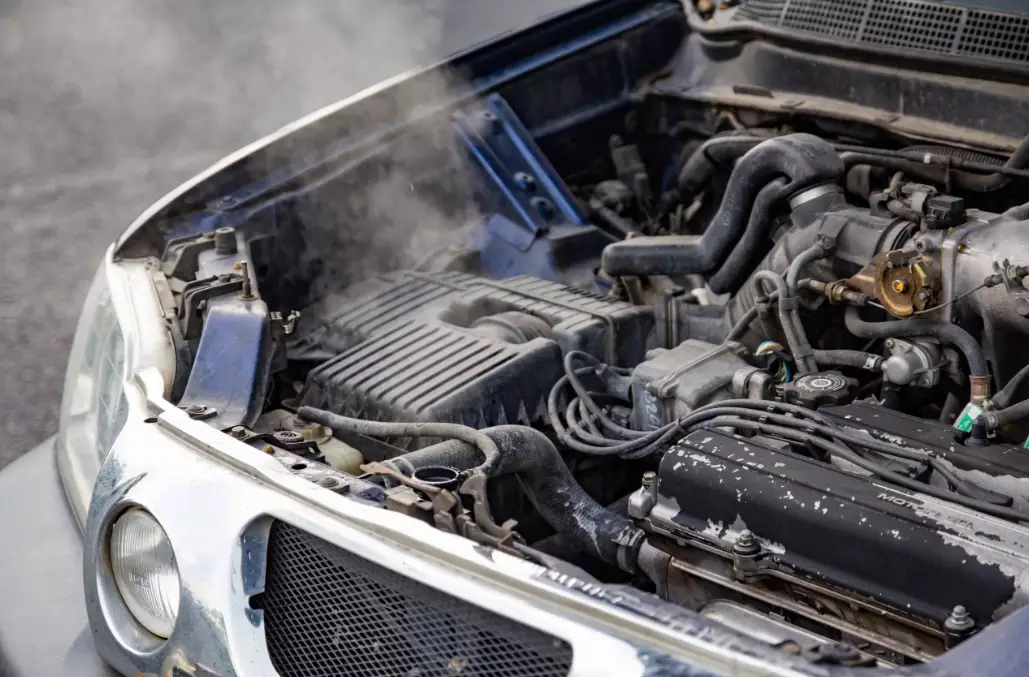
A Special Note for Electric and Hybrid Cars
The game changes with EVs and hybrids. They still have cooling systems, but they're often cooling the battery pack and power electronics, not just a combustion engine. An electric car "overheating at idle" might mean the thermal management system for the battery has failed.
The fans are usually more sophisticated and variable-speed. A failure here is less common but more critical. The big difference? You might not get the classic temperature gauge warning. Instead, you'll get a "powertrain fault" or "reduced power" message on the dash. The car will limit performance to protect the battery. Diagnosis almost always requires a professional scan tool to read specific thermal management codes. Don't ignore these warnings thinking it's just a fan—the battery repair cost is astronomical.
Your Overheating Questions, Answered
 Is it safe to use a "cooling system sealant" stop-leak product for an idle overheating problem?
 The bottom line is that engine overheating at idle is a specific diagnostic clue. It tells you the problem is in a component that's critical when the car isn't moving. By methodically checking the fan, thermostat, coolant level, and system pressure, you can almost always find the culprit without throwing expensive parts at the problem. Pay attention to the warning. A small fix now saves you from a catastrophic engine repair later.