You've seen the headlines: the "Apple of China" has built an EV. The Xiaomi SU7's performance specs and exterior design grab attention, but it's the interior where the company's philosophy truly takes shape. Stepping inside isn't just about entering a car; it's booting up a mobile digital living room. This review digs past the marketing to see if this tech-centric cabin delivers a cohesive, comfortable, and practical experience for the driver and passengers, or if it's just a showroom for a giant screen.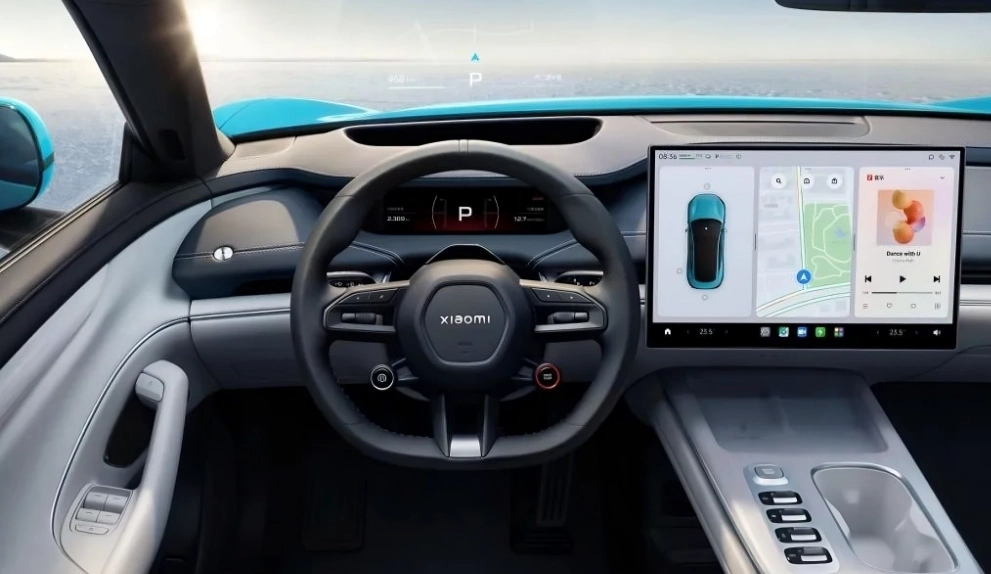
What's Inside This Review
Beyond the Screens: First Impressions & Design Philosophy
The first thing you notice is the space. The SU7's long wheelbase pays off. There's a genuine sense of airiness, amplified by the massive panoramic glass roof that comes standard on most trims. Then your eyes adjust to the layout.
It's aggressively minimalist. Shockingly so if you're coming from a German sedan. The dashboard is a clean, flowing span, broken only by two key elements: the expansive central touchscreen and a slender, floating island that houses the vents and, on higher trims, a small touchscreen for climate controls. The steering wheel is a sporty, flattened-bottom design with an integrated digital display. There's no traditional instrument cluster behind it.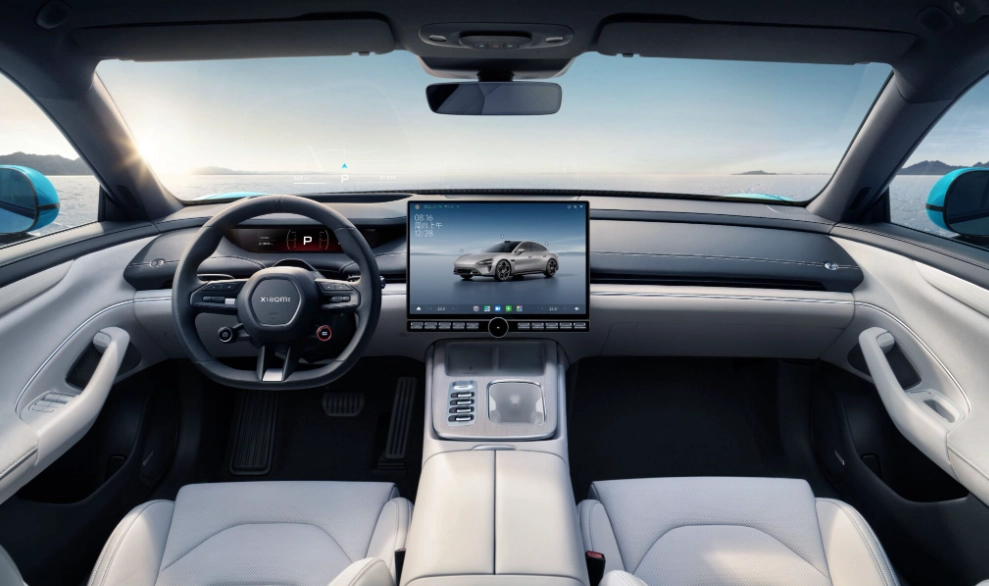
But minimalism can feel cheap if not executed well. The initial impression here is one of intent. The lines are purposeful, the surfaces are flush, and the ambient lighting (which spans the entire dashboard and doors) is subtle and customizable. It doesn't scream luxury in the traditional sense; it whispers a tech-infused version of it.
The Tech Throne: HyperOS & the 16.1-Inch Central Display
Let's address the elephant in the room: the 16.1-inch 3K resolution central screen. It's the command center, the entertainment hub, and the replacement for about 80% of the buttons you'd find in a normal car.
| Feature | Specification / Experience |
|---|---|
| Screen Size & Resolution | 16.1 inches, 3K (2560 x 1600) |
| Chipset | Qualcomm Snapdragon 8295 (Automotive-grade) |
| Operating System | Xiaomi HyperOS |
| Key Interface | Fully customizable dock, split-screen, over-the-air updates |
| Steering Wheel Display | 7.1 inches, shows speed, drive mode, ADAS info |
| Head-Up Display (HUD) | Large, AR-enhanced (on Max/Founders Edition) |
The hardware is undeniably top-tier. The screen is vibrant, responsive, and bright. The Snapdragon 8295 chip ensures animations are buttery smooth—no lag when swiping between maps, music, and climate controls. This is crucial because you'll be doing that a lot.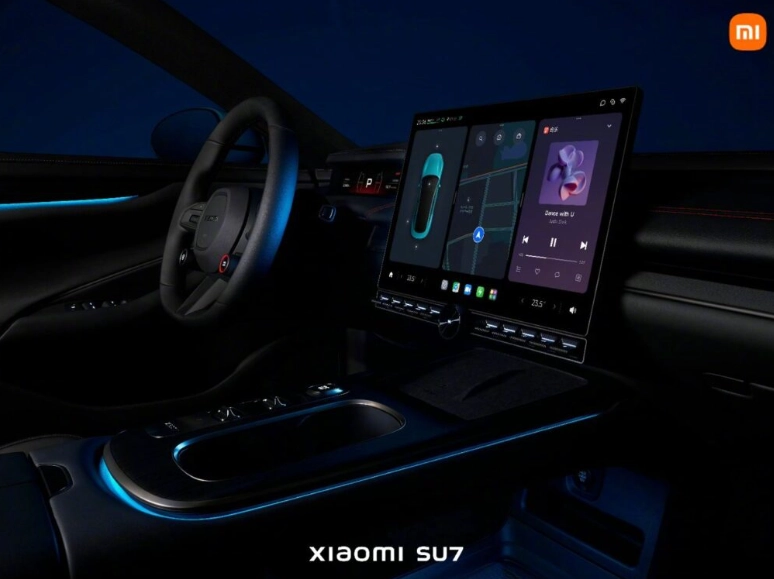
How does HyperOS work in the SU7?
This is Xiaomi's secret sauce. HyperOS isn't just an infotainment system; it's an architecture designed to connect your Xiaomi ecosystem—phone, watch, tablet, smart home devices—seamlessly to the car. Get a call on your Xiaomi phone? It transfers instantly to the car's speakers. Approaching home? The car can signal your smart lights to turn on.
For the driver, the interface is logical but dense. The learning curve is steeper than in a Tesla. Finding specific settings, especially for the complex driver-assistance features, can involve a few taps. The saving grace is the voice assistant, "Xiao Ai." It's exceptionally capable for in-car functions in Mandarin. "Lower the driver's window, set temperature to 21 degrees, and play my driving playlist" is handled in one breath. If you're not a voice person, you'll be poking that beautiful screen more than you might like.
A common critique from seasoned drivers: the lack of a dedicated, fixed driver's binnacle means critical info like speed is either on the small steering wheel screen or the HUD. Your eyes leave the road more than in a conventional layout. It's a trade-off for that minimalist look.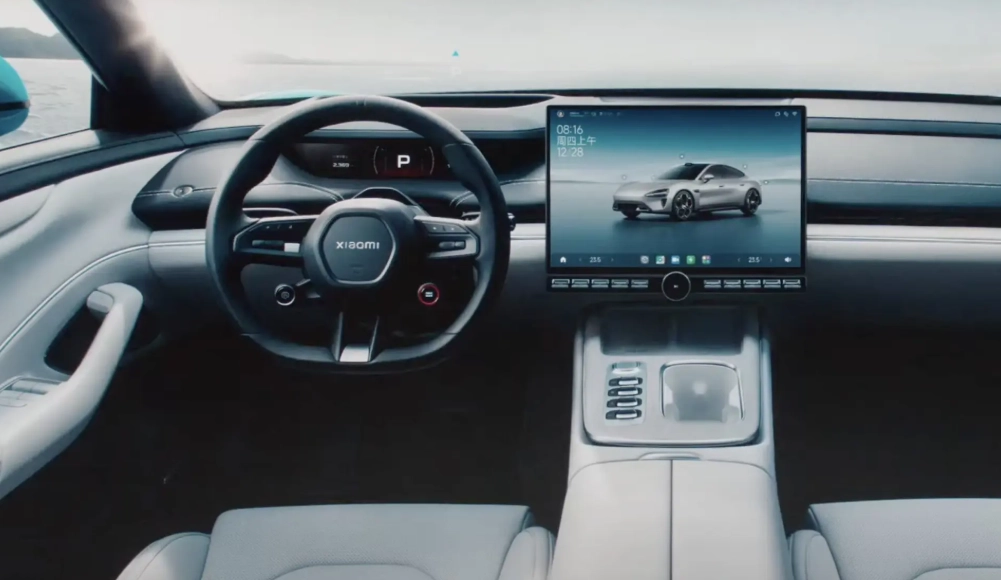
A Tactile Experience: Materials, Craftsmanship & Comfort
Tech is useless if you're not comfortable. Here, the SU7 makes a strong case. The seats are a highlight—supportive yet plush, with ample adjustment (ventilation, heating, and massage are available). They feel designed for both spirited drives and long hauls.
Material choice is where you see the cost-saving versus the Porsche Taycan it often gets compared to. The upper dashboard and door tops are consistently soft-touch, but the specific materials vary by trim. The base model uses more synthetic materials that are well-textured but not exceptional. Move up to the SU7 Max or Founders Edition, and you get Nappa leather, real metal accents (like the iconic physical buttons for volume and drive mode), and more suede-like finishes.
The build quality is generally impressive for a first attempt. Panel gaps are tight, and everything feels solidly assembled. I did notice a slight, occasional creak from the center console area under hard cornering—a reminder that this is a new platform. The ambient lighting is a class act, with hundreds of colors and the ability to sync with music or driving mode.
Noise insulation is good, not class-leading. At highway speeds, there's a noticeable amount of wind and tire noise compared to a Mercedes EQE. It's not intrusive for conversation, but it reminds you you're in a sporty sedan, not a vault.
Living with the SU7: Practicality & Daily Usability
This is where human-centric design gets tested. How does this tech-laden cabin handle real life?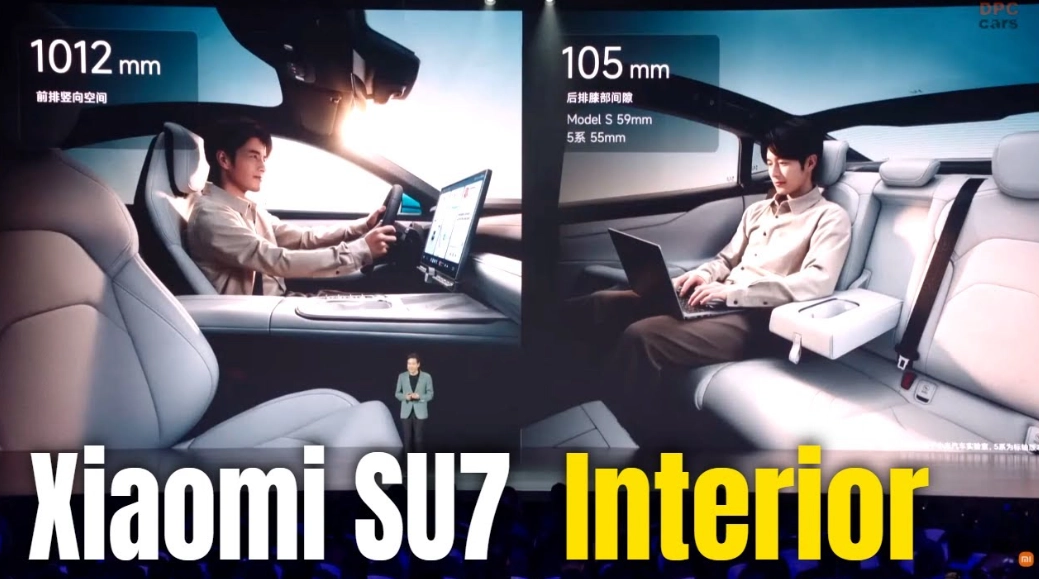
Space: Rear seat room is excellent. Legroom is generous, and the flat floor (thanks to the skateboard battery platform) means the middle passenger isn't too penalized. Headroom is also good, even with the glass roof. The trunk is a decent size (517 liters), and the front trunk (frunk) adds another 105 liters—perfect for charging cables or a weekend bag.
Storage: Here's a stumble. The minimalist design sacrifices everyday storage. The center console has a wireless charger and two shallow cupholders, but there's no deep, armrest-sized bin. The door pockets are slim. Your phone, wallet, keys, and sunglasses fight for space. It feels like the designers prioritized a clean aesthetic over the messy reality of what people carry. After a week, I was still looking for a natural place to put my phone that wasn't the charger.
Everyday Interactions: The capacitive touch buttons on the steering wheel work fine. The physical scroll wheels (for volume and cruise speed) are a welcome relief. The powered door handles and electronic door release buttons feel futuristic but can confuse first-time passengers. You'll find yourself giving a quick tutorial: "Press that button to get out."
Is the Xiaomi SU7 interior practical for families?
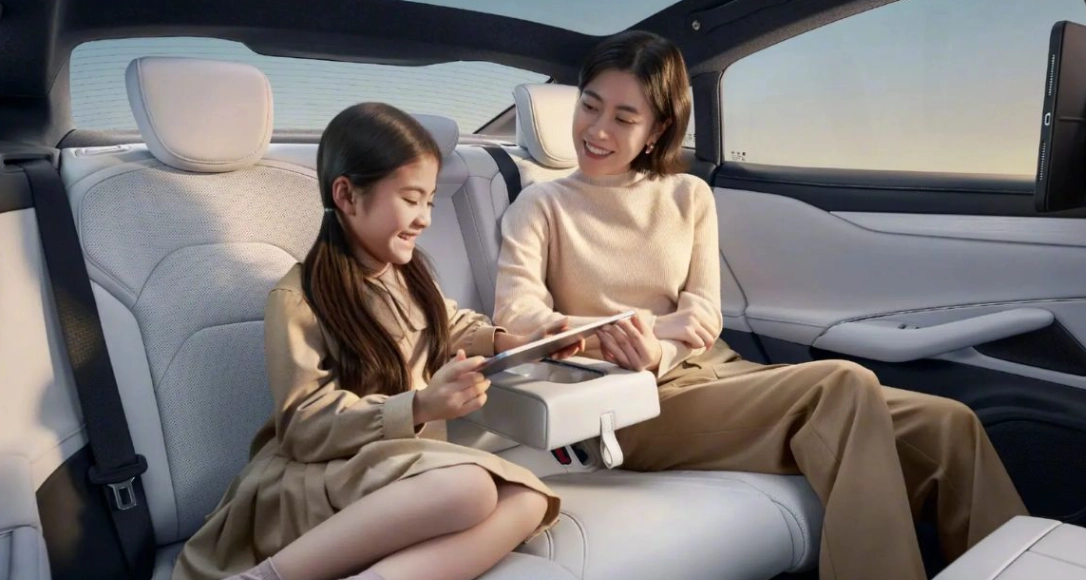
If you have young kids, the easy-clean synthetic materials on the seats and doors are a godsend. The rear space is ample for child seats. However, the lack of rear climate controls (beyond basic vents) and the delicate, screen-heavy front environment might induce anxiety with sticky fingers in the back. It's doable, but not ideally tailored for it like a SUV might be.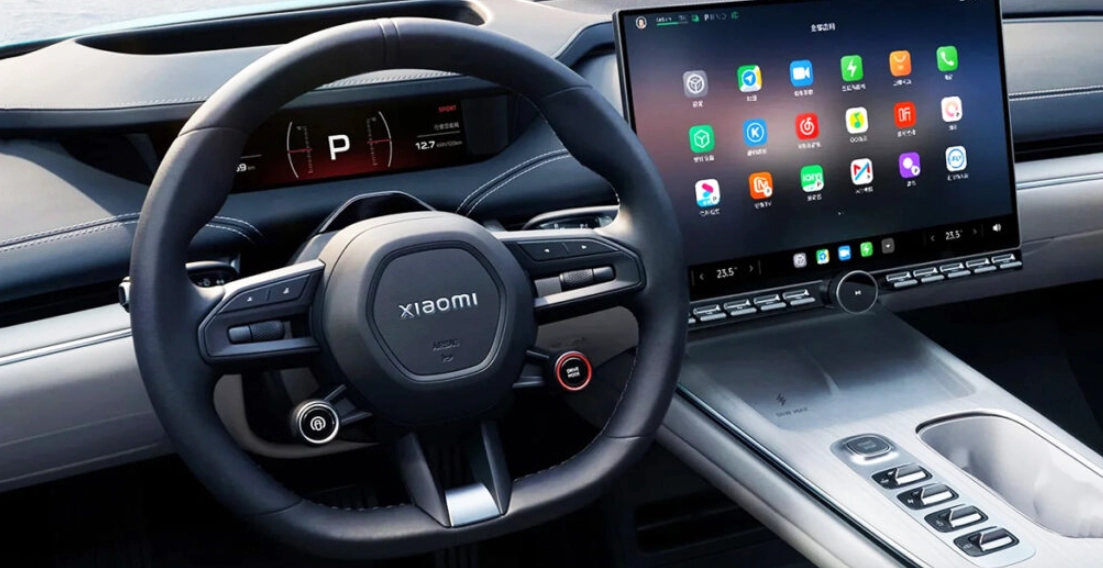
The Verdict: Who is the SU7 Interior Really For?
The Xiaomi SU7's cabin is a bold, opinionated statement. It's not trying to be everything to everyone.
You'll love this interior if: You're deeply embedded in the tech ecosystem, value a clean, modern aesthetic over traditional opulence, and are comfortable using voice and touch as your primary controls. You're an early adopter who sees the car as the ultimate smart device.
You might be frustrated if: You prefer the tactile feedback of physical buttons for climate and audio, need abundant in-cabin storage for family chaos, or equate luxury with materials like open-pore wood and knurled metal knobs. The learning curve and some practicality compromises will grate.
Xiaomi hasn't just built a car interior; they've built a habitat for their vision of the future. It's impressively executed for a first effort, with standout tech integration and commendable space. However, it makes clear trade-offs in the name of minimalism. It’s a cabin that demands you adapt to its logic. For the right driver, that's exhilarating. For others, it might feel like a step too far into a screen-dominated world.