Fuel efficiency isn't just a number on your dashboard. It's the difference between spending hundreds extra at the pump each year and keeping that money in your pocket. If you've ever wondered why your car guzzles gas or how to make it sip fuel gently, you're in the right place. I've spent over a decade as an auto consultant, and I've seen too many drivers miss simple tricks that boost mileage. Let's cut through the jargon and get practical.
Jump to What Matters
- Defining Fuel Efficiency: More Than Just MPG
- Why Fuel Efficiency Matters: Saving Money and the Planet
- How to Calculate Your Car's Fuel Efficiency
- Key Factors That Affect Fuel Efficiency
- Practical Tips to Improve Your Fuel Efficiency
- Common Myths and Misconceptions About Fuel Efficiency
- Frequently Asked Questions (FAQ)
Defining Fuel Efficiency: More Than Just MPG
At its core, fuel efficiency measures how far your vehicle can travel on a given amount of fuel. In the U.S., we use miles per gallon (MPG), but globally, liters per 100 kilometers (L/100km) is common. Think of it as your car's appetite for fuel—a higher MPG means it eats less.
But here's where most guides stop short. Fuel efficiency isn't static; it changes with driving conditions, vehicle load, and even weather. The official ratings from sources like the U.S. Environmental Protection Agency (EPA) are based on controlled tests, not your daily commute. That's why your real-world MPG might be lower.
The Basic Formula: How Fuel Efficiency is Measured
To calculate MPG manually, you divide the miles driven by the gallons of fuel used. Simple, right? Yet, I've met drivers who rely solely on the car's computer, which can be off by 5-10%. Trust but verify. For example, if you drive 300 miles and refill 10 gallons, your MPG is 30. But if you're hauling heavy cargo, that number drops fast.
Pro tip: Don't obsess over peak MPG. Consistency matters more. A car that gets 30 MPG on highways but 20 in city traffic averages out to higher costs than you might expect.
Why Fuel Efficiency Matters: Saving Money and the Planet
Let's talk money first. According to EPA data, improving fuel efficiency by just 5 MPG can save the average driver around $200 annually, assuming gas prices at $3 per gallon and 12,000 miles driven. Over five years, that's a cool $1,000—enough for a nice vacation.
On the environmental side, better fuel efficiency means fewer emissions. The Union of Concerned Scientists notes that transportation is a major source of carbon pollution. By boosting your MPG, you're directly cutting your carbon footprint. It's not just about being green; it's about practical savings that add up.
The Financial Impact: How Much Can You Save?
Take my neighbor's case. He drove an old SUV getting 15 MPG and switched to a hybrid averaging 40 MPG. At 15,000 miles a year and $3.50 per gallon, he went from spending $3,500 annually on gas to about $1,312. That's over $2,000 saved every year. Sure, the upfront cost was higher, but the long-term math is compelling.
Fuel efficiency affects resale value too. Cars with higher MPG ratings tend to hold value better, especially as gas prices fluctuate. It's a hidden benefit many overlook.
How to Calculate Your Car's Fuel Efficiency
Forget the guesswork. Here's a foolproof method I recommend to all my clients.
Step-by-Step Guide to Manual MPG Calculation
First, fill your tank completely and reset your trip odometer. Drive normally for a week or until the tank is near empty. Then, refill to full, noting the gallons added. Divide the miles on the trip odometer by the gallons used. That's your actual MPG.
Do this over a few tanks to get an average. City driving will yield lower numbers, highway higher. I once had a client who thought his car was inefficient, but after tracking, he realized his short commutes in traffic were the culprit—not the vehicle itself.
For accuracy, use a fuel log app or a simple spreadsheet. The EPA's FuelEconomy.gov website offers tools to compare ratings, but nothing beats hands-on data.
Key Factors That Affect Fuel Efficiency
Fuel efficiency isn't just about your car's make and model. It's a mix of factors, some within your control, others not. Let's break them down.
Vehicle-Related Factors
Engine size and type: Smaller engines often sip less fuel, but modern turbos can be efficient too. Hybrids and electrics are in a league of their own.
Weight and aerodynamics: Extra weight—like roof racks or heavy tools—drags down MPG. Aerodynamic drag increases at higher speeds; driving at 70 mph instead of 60 can cut efficiency by 10-15%.
Tire pressure: Underinflated tires are a silent killer. They increase rolling resistance, reducing MPG by up to 3%. Check them monthly; most cars have a sticker inside the driver's door with recommended levels.
Driving Habits and Conditions
Your driving style matters more than you think. Aggressive acceleration and braking can lower MPG by 20-30% on highways. I've tested this myself: on a 100-mile trip, smooth driving saved me nearly a gallon of gas.
Traffic and weather play roles too. Cold weather reduces efficiency because engines take longer to warm up. Using accessories like air conditioning can drop MPG by up to 25% in city driving, according to studies from the Department of Energy.
Here's a quick table showing how common factors impact fuel efficiency:
| Factor | Impact on MPG | Why It Happens |
|---|---|---|
| Underinflated Tires | Decrease by 1-3% | Increased rolling resistance |
| Aggressive Driving | Decrease by 15-30% | High engine load and braking |
| Excess Weight (100 lbs) | Decrease by 1-2% | More energy needed to move |
| Proper Maintenance | Increase by 4-10% | Optimized engine performance |
| Smooth Highway Driving | Increase by 10-20% | Reduced aerodynamic drag |
Practical Tips to Improve Your Fuel Efficiency
Boosting MPG doesn't require a new car. Small changes yield big results. From my experience, most drivers focus on the wrong things—like premium fuel—while ignoring basics.
Maintenance Tips for Better MPG
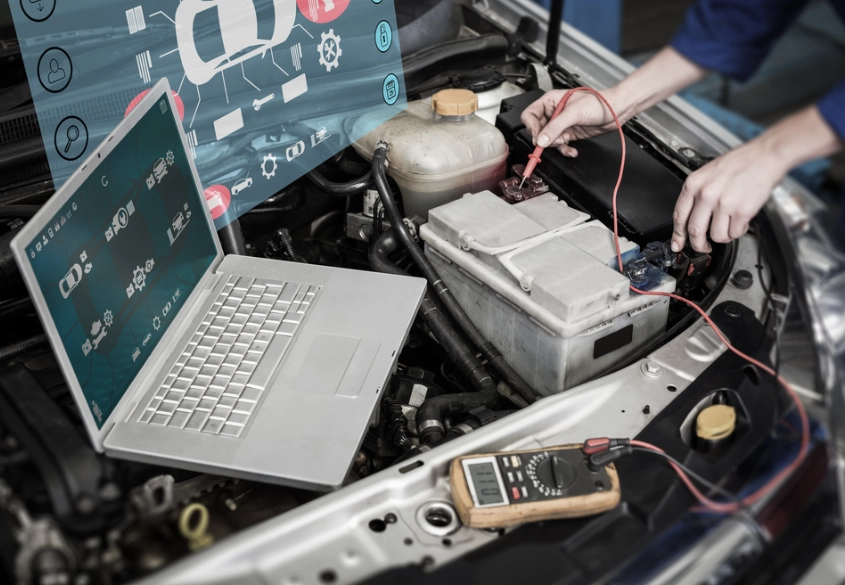
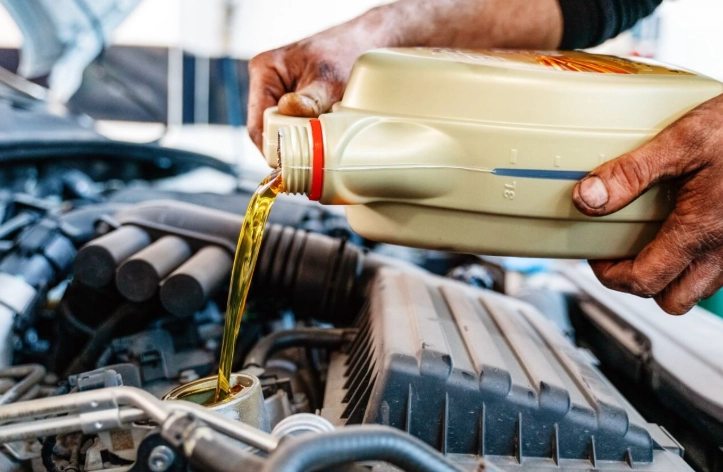
Start with regular oil changes using the manufacturer's recommended grade. Dirty oil increases engine friction. Replace air filters; a clogged filter can cut efficiency by 10%.
Spark plugs matter too. Worn plugs cause misfires, wasting fuel. I've seen cars gain 5% MPG just from a tune-up.
Keep an eye on alignment and wheel balance. Misaligned wheels drag, similar to underinflated tires.
Smart Driving Techniques
Drive like there's an egg under your pedal. Accelerate gradually, maintain steady speeds, and anticipate stops to avoid hard braking. Use cruise control on highways—it's surprisingly effective for consistency.
Plan routes to avoid traffic. Idling burns fuel without moving; if you're stopped for more than a minute, turn off the engine. Modern starters handle this fine.
Reduce unnecessary weight. Clean out your trunk; those golf clubs or tools add up. Remove roof racks when not in use—they mess with aerodynamics.
Use air conditioning sparingly. At low speeds, open windows. On highways, AC is more efficient than open windows due to drag.
Common Myths and Misconceptions About Fuel Efficiency
Let's debunk some myths I hear all the time.
Myth 1: Premium fuel always improves efficiency. For most cars, it doesn't. Unless your manual specifies premium, you're wasting money. The Federal Trade Commission has warned about this.
Myth 2: Newer cars are always more efficient. Not necessarily. A well-maintained older model can outperform a neglected new one. I've seen 10-year-old sedans beat newer SUVs in MPG tests.
Myth 3: Fuel additives boost MPG dramatically. Most are gimmicks. Save your cash for proper maintenance instead.
Myth 4: Warming up the engine in cold weather saves fuel. Actually, idling wastes gas. Modern engines warm up faster by driving gently.
These myths persist because they sound logical, but data doesn't back them up. Trust evidence over anecdotes.
Frequently Asked Questions (FAQ)
 Is it true that manual transmissions are always more fuel-efficient than automatics?
Fuel efficiency isn't rocket science. It's about understanding your vehicle and habits. Start tracking your MPG today, make those small tweaks, and watch the savings grow. If you have more questions, drop a comment—I've helped hundreds of drivers squeeze every mile from their tanks.