Your Exploration Compass
- Why You Need a Proper Off-Road Vehicles List (And Not Just Google's Top Result)
- The Core Categories: Breaking Down the Off-Road Zoo
- Head-to-Head: A Detailed Off-Road Vehicles List Comparison
- What Nobody Tells You: The Hidden Factors on Any Off-Road Vehicles List
- Your Questions Answered: The Off-Road Vehicles List FAQ
- Pulling It All Together: How to Use This Off-Road Vehicles List
Let's be honest. You've probably seen a dozen "off-road vehicles list" articles that just slap together some popular truck names and call it a day. Not super helpful, right? You're left wondering which one is right for your trails, your budget, and whether you'll regret your choice the first time you get stuck in mud deeper than you expected.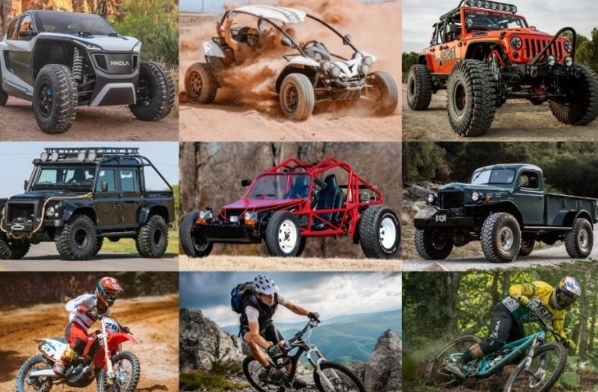
I've been there. I've wasted money on upgrades that didn't matter and picked the wrong type of vehicle for the job more than once. So I spent a stupid amount of time researching, talking to mechanics, and actually driving a bunch of these machines to put together a different kind of list. This isn't just names and specs. It's about what these vehicles feel like to use, what they're genuinely good at, and where they'll let you down.
Why You Need a Proper Off-Road Vehicles List (And Not Just Google's Top Result)
The term "off-road vehicle" is incredibly broad. It's like saying "sports equipment." A tennis racket and a set of golf clubs are both sports equipment, but you can't use them for the same game. The confusion starts right there. A lifted pickup might be king on rocky fire roads but a total pig in tight, wooded singletrack. A nimble ATV will fly across sand dunes but won't let you bring your family along.
A proper off-road vehicles list should help you navigate these differences first. It should start with the type of machine, then get into specific models. Most lists get this backwards, jumping straight to model comparisons that mix trucks, SUVs, and buggies together, which just makes the decision harder.
My goal here is to give you a framework. By the end, you'll know not just what is out there, but why you might pick one category over another. Then we can talk specifics.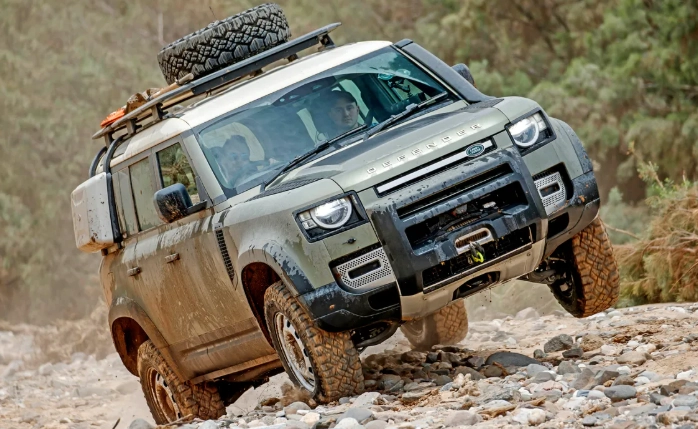
The Core Categories: Breaking Down the Off-Road Zoo
Alright, let's get into it. Here’s how I break down the off-road world. This is the most useful way to start your search.
All-Terrain Vehicles (ATVs) and Side-by-Sides (SxS / UTVs)
These are the pure-play off-roaders. No pretense of being street-legal (though some can be made so, with effort). They're light, agile, and purpose-built.
ATVs (Quads): The classic four-wheeler. You sit on it like a motorcycle. Incredibly nimble and fun. Great for solo missions, trail maintenance, or hunting. The learning curve is higher than people admit—they can tip if you're not careful on side slopes. I rolled one once in a muddy creek bed because I got cocky with the throttle. Not my finest moment. For tight trails where width is an issue, an ATV is often the only thing that fits.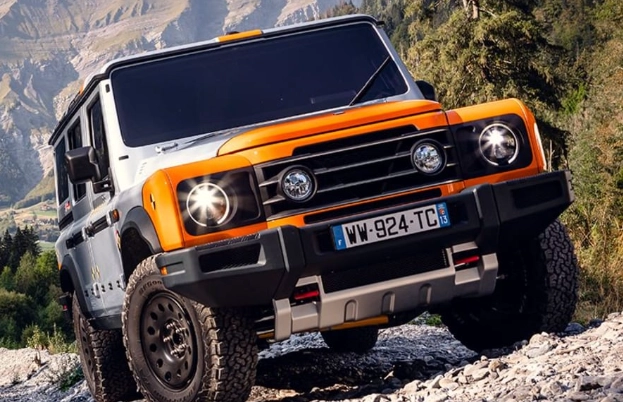
Side-by-Sides (UTVs): These are the game-changers. Think of them as a mini, ultra-capable off-road truck. You sit side-by-side with a passenger, there's a steering wheel, foot pedals, and often a small cargo bed in the back. The power and suspension travel on modern SxS models is insane. They're social, they can carry gear, and they're easier for beginners to drive safely than an ATV. The downside? They're wide. That awesome trail your ATV friend zips down might be impassable for your fancy new SxS.
Off-Road Trucks & SUVs (The 4x4s)
These are vehicles you can (usually) drive to the trail, conquer it, and then drive home. That duality is their biggest strength and their biggest compromise.
The engineering here is all about compromise. Manufacturers have to balance on-road comfort, safety ratings, fuel economy, and off-road prowess. Some, like the Jeep Wrangler and Ford Bronco, lean hard into off-road capability. Others, like most pickup trucks and full-size SUVs, offer it as a option package. The key is understanding what "capable" means for each.
A truck with an off-road package might have skid plates, all-terrain tires, and a tuned suspension. That's great for gravel roads, mild mud, and snow. But for serious rock crawling or deep mud, you're looking at vehicles with specific features: solid front axles (for better articulation), front and rear locking differentials, disconnecting sway bars, and serious factory lift.
I made the mistake of taking a stock mid-size truck (with just all-terrain tires) on a "moderate" rated trail once. Let's just say the sound of rocks scraping the undercarriage is one you don't forget. A proper off-road vehicles list for trucks needs to separate the pavement-princes from the true trail kings.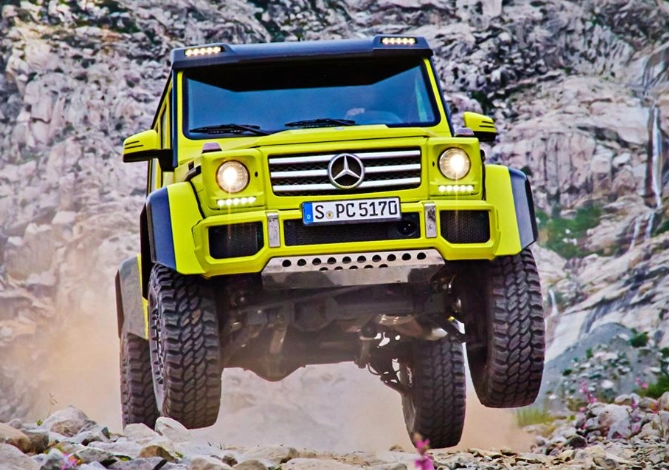
Off-Road Motorcycles (Dirt Bikes)
The ultimate in lightweight access. If there's a goat path, a skilled rider on a dirt bike can probably get up it. They're for the pure thrill-seeker, the person who values agility and challenge over comfort or cargo space. Maintenance is frequent, and the physical demand is high. They belong on any complete off-road vehicles list, but they serve a very specific, hardcore user.
The New Frontier: Electric Off-Road Vehicles
This is the big conversation now. Instant torque, silent operation, and low-center-of-gravity from battery packs are huge advantages. The Rivian R1T truck has blown people's minds with its tank-turn feature and sand/mode performance. The Ford F-150 Lightning brings massive electric power to a familiar platform.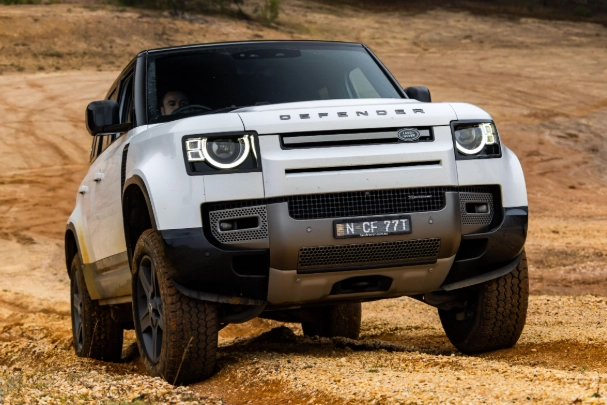
But. And it's a big but. Range anxiety is real when you're miles from the nearest outlet. Water fording depth is a major question mark with high-voltage batteries. And what happens when you dent a battery pack on a hidden rock? The repair story is still being written. They're fascinating and represent the future, but for remote, multi-day expeditions, internal combustion still has the edge in practicality. For shorter, defined trail loops, they're phenomenal.
Head-to-Head: A Detailed Off-Road Vehicles List Comparison
Okay, let's get specific. Here’s a breakdown of some top contenders across categories. This table is the heart of a practical off-road vehicles list.
| Vehicle Type & Example | Key Off-Road Strengths | Best For... | Compromises & Watch-Outs | Price Range (New) |
|---|---|---|---|---|
| Sport UTV (e.g., Polaris RZR Pro R) | Extreme suspension travel, lightweight, high power-to-weight, agile. | Dune riding, high-speed desert trails, technical rock crawling (with right model). | Very wide, minimal cargo/payload, can be tippy at speed if driven poorly. Noise can be an issue on public lands. | $30,000 - $40,000+ |
| Utility UTV (e.g., Kawasaki Mule PRO-MX) | Durable, high payload/towing, stable, often narrower than sport models. | Farm/ranch work, hunting, hauling gear, slow-speed technical trails. | Slower, less suspension travel, not for high-speed joyriding. | $12,000 - $20,000 |
| ATV (e.g., Yamaha Grizzly 700) | Narrow width, incredibly nimble, can go almost anywhere. | Solo exploration, tight wooded trails, hunting where access is narrow. | Steep learning curve for safety, no passenger (legally), limited cargo. | $8,000 - $15,000 |
| Dedicated Off-Road SUV (e.g., Jeep Wrangler Rubicon) | Legendary capability (lockers, sway bar disconnect), massive aftermarket, street legal. | Rock crawling, technical trails, overlanding builds, community/culture. | Poor on-road ride quality/MPG, can be unreliable long-term (it's a Jeep thing), small interior space. | $40,000 - $60,000+ |
| Off-Road Pickup (e.g., Ford F-150 Raptor) | High-speed desert/dune performance, comfortable, can still be a daily driver. | Fast off-road travel (Baja-style), towing an off-road trailer, dual-purpose daily/toy. | Very large/wide, expensive, complex suspension can be costly to repair. | $70,000 - $90,000+ |
| "Overland" Focused SUV (e.g., Toyota 4Runner TRD Pro) | Extreme reliability/dependability, good cargo space, comfortable for long trips. | Overlanding, remote expedition travel, fire roads, moderate trails. | Less extreme rock-crawling ability than a Wrangler, older platform/tech. | $50,000 - $55,000 |
| Electric Truck (e.g., Rivian R1T) | Instant, massive torque, silent operation, innovative features (tank turn, gear tunnel). | Showcasing tech, fast trail riding, environmentally-conscious users with access to charging. | Range anxiety off-grid, unknown long-term durability of battery/electronics off-road, high repair costs. | $70,000 - $90,000+ |
See how that's more useful? It's not just "here's a cool truck." It's "here's what this tool is designed to do, and here's what it's not." That table alone should save you from some major mismatches.
What Nobody Tells You: The Hidden Factors on Any Off-Road Vehicles List
Spec sheets are one thing. Real-world ownership is another. Here are the things you'll only learn from experience or from annoying people like me who made the mistakes.
Reliability is King: The coolest, most capable machine is useless if it's always broken. This is where brands like Toyota have a cult following. Research model-specific forums for common failures. That fancy electronically-controlled differential locker? If it fails in the backcountry, are you screwed? Sometimes simpler, mechanical systems (like manual locking hubs) are more reliable, even if they're less convenient.
The Aftermarket is Your Best Friend (or Money Pit): Almost no vehicle is perfect off the lot. You'll want tires, maybe a lift, skid plates, recovery gear. Check if the vehicle you like has a healthy aftermarket ecosystem. Jeeps and Toyotas are fantastic here. Some newer or more obscure models might have very few options, making upgrades hard and expensive.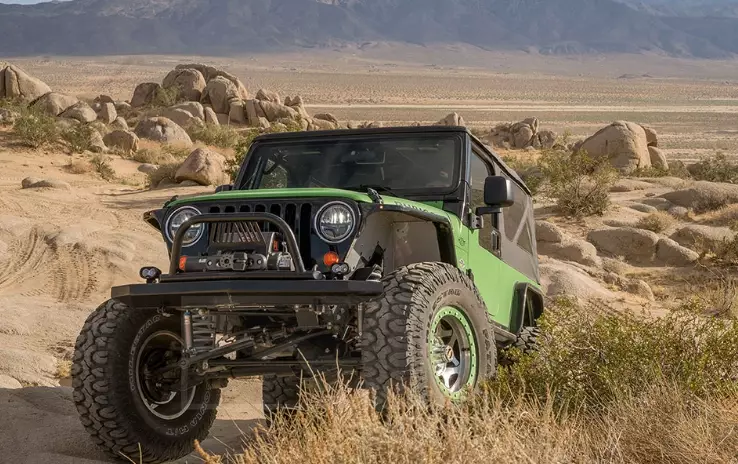
Width, Length, and Breakover Angle Matter More Than Horsepower: A 700hp truck is useless if it's too wide for the trail gate or gets high-centered on a mild hill. Know your vehicle's key dimensions. A short wheelbase is great for maneuverability and breakover angle. A long wheelbase is better for stability and climbing. You can't change this with modifications.
Local Community and Laws: Some areas have strict noise ordinances for UTVs/ATVs. Others have width restrictions on trails. Some states make it easy to plate a side-by-side for road use, others make it nearly impossible. Check with your local U.S. Forest Service or state Department of Natural Resources for trail regulations before you buy.
Your Questions Answered: The Off-Road Vehicles List FAQ
I get asked these all the time. Let's tackle them head-on.
I'm a complete beginner. What's the best first off-road vehicle?
Start with something manageable and forgiving. A used Jeep Wrangler (TJ or JK) with a good maintenance history, or a mid-level Utility UTV like a Honda Pioneer. Avoid the most powerful, tippy sport models. Focus on learning driving skills and recovery techniques in a vehicle that won't punish every small mistake. A stock vehicle is the best teacher.
Are electric off-road vehicles reliable yet?
For daily driving and light duty, yes, they're proving reliable. For harsh, prolonged off-road use, the long-term data isn't in. Water sealing, dust ingress on electronics, and battery pack vulnerability are the big unknowns. The SAE International is developing new standards for off-road EV testing. For now, I'd call them "promising but unproven" for serious, remote abuse.
What single modification makes the biggest difference?
Tires. Full stop. The factory all-season or mild all-terrain tires on most trucks and SUVs are pathetic off-road. A high-quality set of aired-down all-terrain or mud-terrain tires will transform your vehicle's capability more than any other single upgrade. Then, recovery gear (traction boards, winch, shovel). Then, maybe a lift. Tires first. Always.
How important are locking differentials?
For serious off-roading (rocks, deep mud, steep slippery climbs), they are transformative. They force both wheels on an axle to turn at the same speed, preventing the wheel with less traction from spinning uselessly. Many modern 4x4s have sophisticated traction control that mimics this, but a true mechanical locker is almost always more effective and reliable under extreme duress. If your off-road vehicles list includes technical terrain, look for lockers.
Should I buy new or used?
Used can be a fantastic value, if you know what to look for. Off-road vehicles are often abused. Look for rust (frame, body mounts), check for leaking seals around differentials and shocks, and see if the suspension components are bent. A clean, stock vehicle is usually a better bet than a heavily modified one, unless you know and trust the builder. For UTVs/ATVs, low hours and good maintenance records are key. New gives you a warranty and peace of mind, but at a much higher cost.
Pulling It All Together: How to Use This Off-Road Vehicles List
So, you've read through the categories, checked the table, and thought about the hidden factors. What's the next step?
First, match the category to your primary use. Is it solo trail bombing? Look at ATVs. Family trail rides with gear? A 4-5 seat UTV or a capable SUV. A do-it-all vehicle for commuting and weekend adventures? A truck or SUV with a strong off-road trim.
Second, set a realistic budget. Include not just the purchase price, but essential gear (helmet, recovery kit, comms), insurance, registration, and maintenance. Off-roading breaks things. Budget for it.
Third, go see them in person. Sit in them. Imagine loading your gear. Check the visibility. If possible, rent one for a weekend. There's no substitute for seat time. I thought I wanted a certain popular truck until I spent a day in one on a trail and found the seating position uncomfortable for me.
The right choice feels right.
Finally, remember that this off-road vehicles list is a starting point. The best vehicle is the one that gets you outside, exploring responsibly. Join a local club, learn Tread Lightly! principles, and respect the trails. The community and the experience are what it's really about. The machine is just the tool to get you there.
Hopefully, this deep dive gives you more than just another list of names. It gives you a way to think about the decision. Now you can look at any other off-road vehicles list and immediately see past the marketing to what a vehicle is really meant to do. And that's how you find the perfect rig for your adventures.