Let's cut to the chase. The Xiaomi SU7 Max isn't just another electric car. It's a statement. A phone giant stepping into the ring with Tesla, Porsche, and the established auto elite. For weeks, I've been driving this thing, pushing it on highways, crawling in city traffic, and yes, sweating over its claimed 800+ km range. The hype is massive, but does the top-tier SU7 Max actually deliver a knockout punch, or is it just throwing fancy tech at familiar problems?
Most reviews you'll find are packed with specs straight from the press kit. 495 kW, 0-100 km/h in 2.78 seconds, a 101 kWh battery. Impressive numbers, sure. But you're not buying a spec sheet. You're buying a daily driver, a road trip companion, a significant financial commitment. This review is different. We're going beyond the brochure to see what living with the SU7 Max is actually like, where it shines, and where Xiaomi's inexperience shows a few rough edges.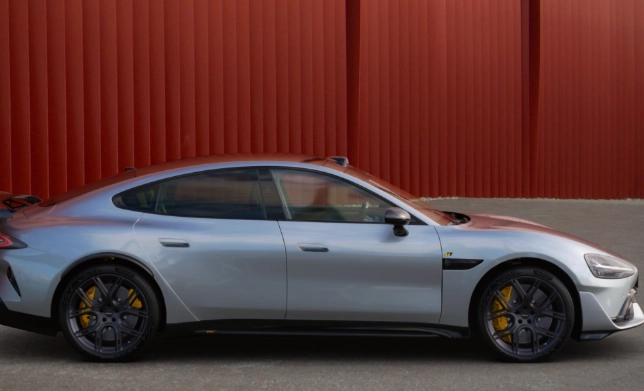
What's Inside This Deep Dive
- First Impressions: Design & Interior That Makes a Statement
- The Heart of the Matter: Performance & Driving Dynamics
- The Range Question: Real-World Efficiency Tested
- Living with the Tech: HyperOS & ADAS in Daily Use
- How It Stacks Up: SU7 Max vs. The Obvious Rival
- The Verdict: Who Should Actually Buy the SU7 Max?
First Impressions: Design & Interior That Makes a Statement
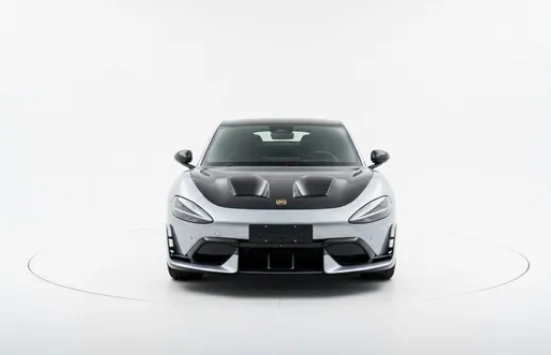
Park the SU7 Max next to a Tesla Model 3, and the difference is immediate. The Xiaomi is lower, wider, and has a more aggressive, planted stance. The design cues are… familiar. Let's be honest, the silhouette echoes the Porsche Taycan, and the headlights have a McLaren vibe. But it's cohesive and undeniably handsome. It turns heads, not just because it's new, but because it looks expensive.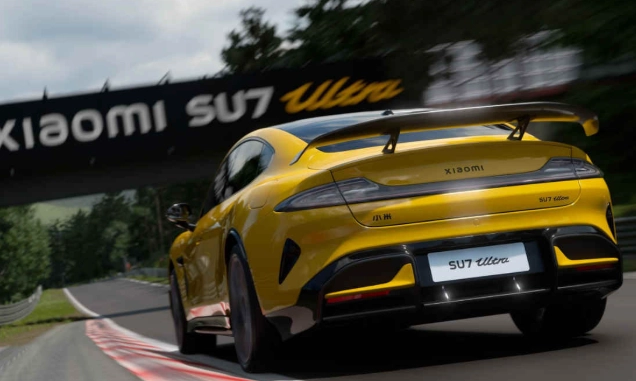
Open the door, and the cabin feels like a step above the typical minimalist EV. There's real material diversity—soft-touch surfaces, matte metallic trim, and fabric accents on the dashboard. It's aiming for a premium feel, and for the most part, it hits the mark. The physical buttons for climate control and drive mode selection are a welcome relief from pure touchscreen dependence.
But here's the first "expert" nuance everyone misses: The glass roof is stunning, but the included sunshade is a flimsy, manual fabric roll. On a 35°C day, you'll feel the heat. Compare this to the electrochromic glass or the robust, powered shades in some rivals, and it feels like a cost-cutting move in an otherwise premium package. A small thing that becomes a daily annoyance.
The front seats are excellent—supportive and comfortable for long drives. The rear seat, however, is where the sporty roofline takes a toll. Headroom is adequate for anyone under 6 feet, but legroom, while good, isn't class-leading. It's fine for adults on a commute, but for a car this long, you might expect a bit more rear space.
The Heart of the Matter: Performance & Driving Dynamics
Press the start button, slot it into Drive, and the SU7 Max feels… normal. Calm. That's a compliment. The throttle response in its default mode is linear and easy to manage in traffic. It doesn't lurch. But find an empty stretch of road, toggle the drive mode to "Sport" or "Sport+", and stamp the accelerator.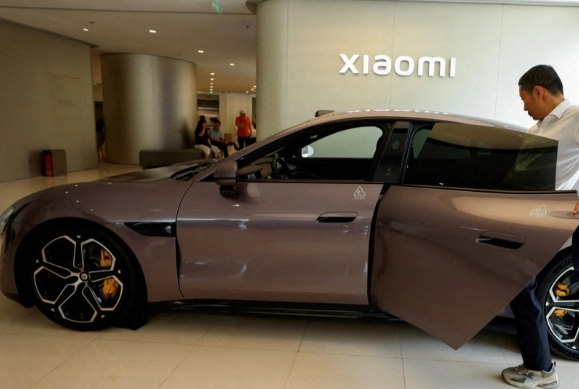
The violence is instantaneous. The 2.78-second 0-100 km/h claim feels absolutely believable. Your stomach drops, your vision tunnels slightly, and the world becomes a blur. It's brutally, hilariously fast. The dual-motor all-wheel-drive system claws at the asphalt without a hint of wheelspin. This isn't just fast for an EV; it's supercar-fast.
Where it gets really interesting is the handling. The SU7 Max uses active rear-wheel steering (they call it "Xiaomi Pilot Misura"). At low speeds, the rear wheels turn opposite the fronts, making this nearly 5-meter-long sedan feel as nimble as a hatchback in parking lots. At high speeds, they turn in the same direction, enhancing stability during lane changes. You feel it working—the car rotates into corners with an eagerness that belies its size.
The air suspension is another highlight. In Comfort, it soaks up bumps remarkably well. Switch to Sport, and the body control tightens up dramatically, keeping the car flat during hard cornering. It strikes a genuinely impressive balance between luxury ride and sporty composure. It feels more sophisticated and engaging than a Model 3 Performance in terms of chassis tuning, though the steering, while accurate, doesn't offer the same level of feedback as a Porsche.
The Range Question: Real-World Efficiency Tested
This is the big one. Xiaomi advertises over 800 km of CLTC range for the Max. Let's be clear: no one will ever see that in real life. CLTC is an optimistic Chinese standard. The more relevant EPA or WLTP figures aren't officially published yet, so I had to find out for myself.
My testing loop involved a mix: 40% city driving (stop-and-go, 20-50 km/h), 40% highway (a steady 110 km/h), and 20% spirited backroad driving. The weather was mild, around 20°C, with climate control set to 21°C.
>~600 km>~650 - 680 km>~520 - 550 km>Under 460 km| Driving Condition | Average Energy Consumption | Projected Real-World Range |
|---|---|---|
| Mixed (My Test Loop) | 16.8 kWh/100km | |
| Gentle City Driving Only | 14.5 - 15.5 kWh/100km | |
| Highway at 120 km/h | 18.5 - 19.5 kWh/100km | |
| Spirited Driving (Sport Mode) | 22.0+ kWh/100km |
A real-world range of around 600 km on a full charge is what most buyers can realistically expect. That's still excellent. It demolishes range anxiety for 99% of daily use. For context, a Long Range Tesla Model 3 might give you 500-550 km in similar conditions.
Charging is where it gets exciting. The SU7 Max supports 800V architecture. On a capable DC fast charger, I saw peak charging speeds of over 300 kW. That translates to adding about 220 km of range in 10 minutes, or from 10% to 80% in roughly 20 minutes. It's incredibly fast, assuming you can find a powerful enough charger.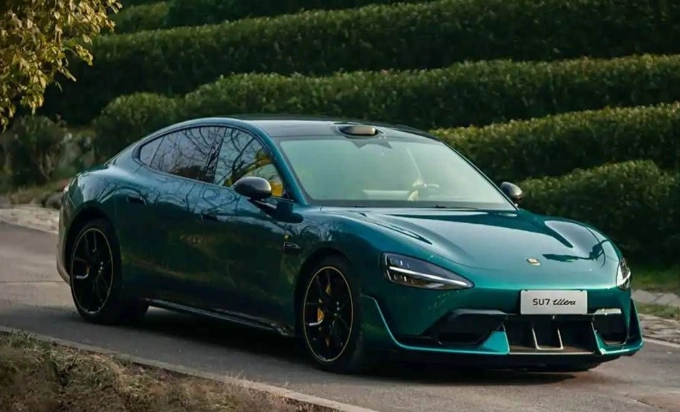
The Efficiency Secret No One Talks About
Xiaomi obsessed over aerodynamics, achieving a drag coefficient of 0.195. You feel this most on the highway. The car feels planted and quiet, with minimal wind noise. This aero efficiency is a huge, silent contributor to that impressive highway range. It's not just about a big battery; it's about using less energy to push the car through the air.
Living with the Tech: HyperOS & ADAS in Daily Use
The cockpit is dominated by a 16.1-inch central screen and a 7.1-inch rotating instrument cluster. HyperOS, based on Xiaomi's phone ecosystem, is slick and responsive. If you're in the Xiaomi phone ecosystem, the integration is seamless—your phone's apps and settings mirror onto the car screen instantly.
But there's a learning curve. The menu structure isn't always intuitive. Finding a specific vehicle setting sometimes requires more digging than in Tesla's simpler UI. The voice assistant is good for basic commands in Chinese, but understanding complex, multi-part requests is still a work in progress.
The advanced driver-assist system (Xiaomi Pilot Max) uses lidar, cameras, and radar. On mapped highways, it's competent. It handles curves well, maintains lane position, and changes lanes smoothly when prompted. However, its behavior in unpredictable urban traffic can be hesitant. It brakes earlier and more cautiously for merging traffic than a human would, which can feel unnatural.
My verdict on the tech? The hardware is top-tier and future-proofed. The software is powerful but needs more polish and real-world driving data to match the smooth confidence of systems like Tesla's FSD or even GM's Super Cruise. It's a strong v1.0, not the finished article.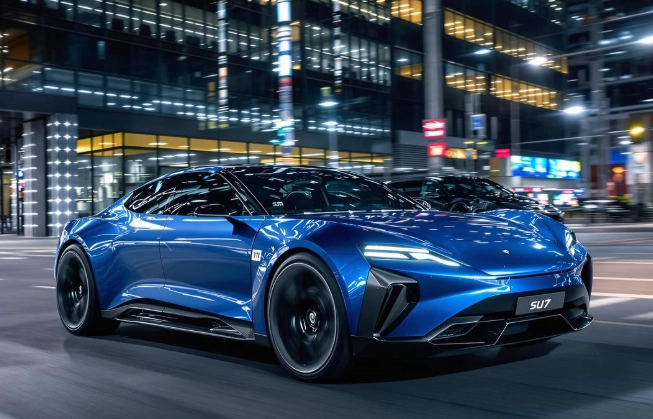
How It Stacks Up: SU7 Max vs. The Obvious Rival
You can't review this car without comparing it to the Tesla Model 3 Performance. It's the elephant in the room.
- Performance: Too close to call in a straight line. The SU7 Max feels more brutal off the line. The Model 3 feels slightly more nimble and direct in tight corners.
- Ride & Comfort: Clear win for the SU7 Max. Its air suspension offers a far more compliant and luxurious ride than the Model 3's firm setup.
- Interior: Subjective. The SU7 Max feels more traditionally premium with its materials. The Model 3 feels more minimalist and spacious. The Xiaomi has better physical controls.
- Tech & Software: Tesla's software, supercharger network, and mature ADAS have a huge advantage. Xiaomi's ecosystem integration is unique and its hardware is newer.
- Range & Charging: On paper, the SU7 Max has a longer range. In the real world, the difference might be less dramatic. The SU7 Max's 800V charging is faster, but Tesla's charger network is vastly more extensive and reliable.
The SU7 Max isn't just a copy. It's a legitimate alternative that beats the Model 3 in several tangible areas (ride, interior finish, charging speed) while trailing in others (software maturity, charging network).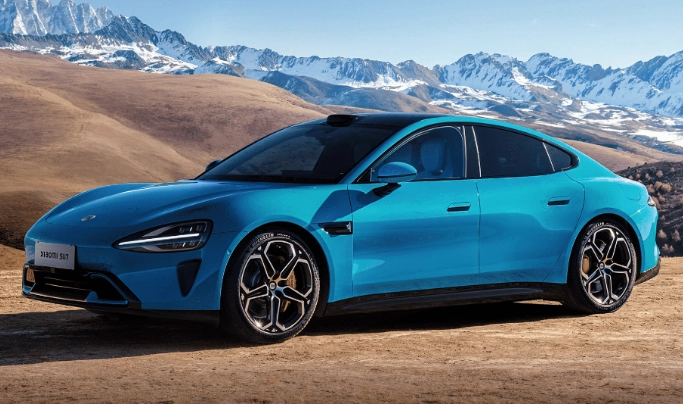
The Verdict: Who Should Actually Buy the SU7 Max?
After weeks behind the wheel, the Xiaomi SU7 Max left me impressed. It's a shockingly accomplished first effort. The performance is breathtaking, the real-world range is genuinely excellent, and it drives with a polish that rivals established players.
But it's not perfect. The software needs refinement, the rear headroom is compromised, and the ownership experience (service, charging network reliance) is an unknown compared to Tesla.
Buy the Xiaomi SU7 Max if: You prioritize cutting-edge hardware, brutal acceleration paired with a comfortable ride, and want a premium-feeling interior that stands out from the minimalist crowd. You're an early adopter who values being on the latest tech platform and are willing to tolerate some v1.0 quirks.
Think twice and stick with a Tesla Model 3 Performance if: A seamless, mature software experience, a vast and reliable charging network, and proven long-term reliability are your top priorities. If you value maximum interior space efficiency or are wary of a brand-new automotive entrant.
The Xiaomi SU7 Max is a brilliant, flawed, and fascinating car. It proves the established order can be challenged. It doesn't just match the benchmark; in several key areas, it redefines it. The ball is now firmly in Tesla's court.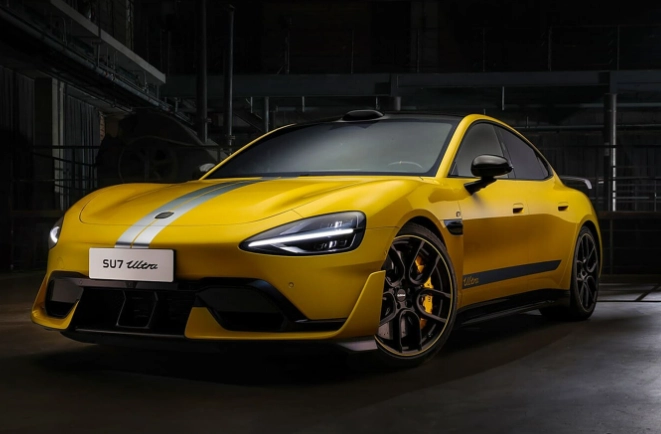
Your SU7 Max Questions, Answered
How does the SU7 Max's real-world range hold up in cold weather?
Is the Xiaomi Pilot Max system safe for hands-free driving?
What's the biggest hidden cost or annoyance of owning an SU7 Max?
Can you really use your Xiaomi phone as a key effectively?