You hear it every day—that low rumble when you start the engine, the quiet hum at highway speed. Your car's exhaust system is one of those things you don't think about until it goes wrong. Then it's all you can think about. A sudden roar, a rotten egg smell, a check engine light that won't go away. I've been under cars for years, and I can tell you most people get the basics wrong. They think it's just a pipe for noise. It's so much more than that. It's a critical piece of engineering that manages toxic gases, keeps your engine running efficiently, and honestly, saves you a ton of money when it's working right. Let's cut through the noise and get into what it really does, what breaks, and how to deal with it without getting ripped off.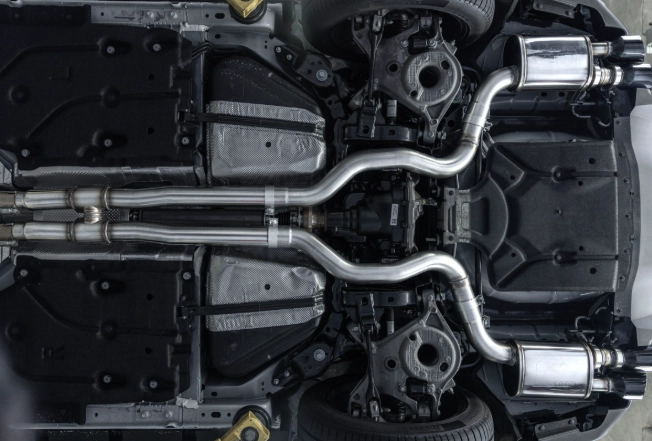
Your Exhaust System Roadmap
What It Really Does (Beyond the Noise)
Think of your engine as a controlled explosion factory. Each piston firing creates power, but also leftover hot, dirty, and frankly dangerous gas. The exhaust system's job is to handle that waste. Its three core missions are non-negotiable.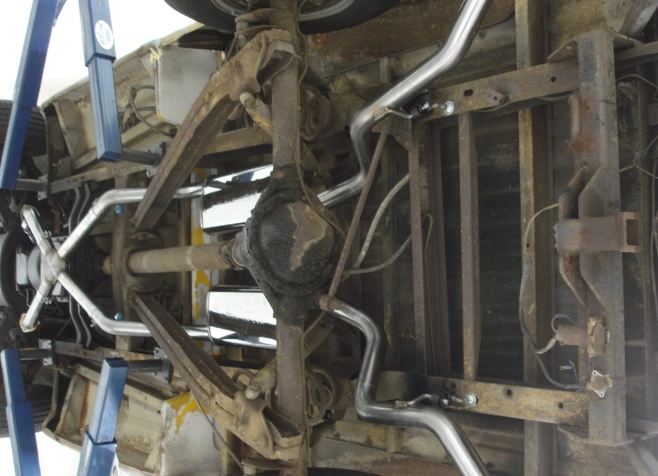
First, it channels gases safely away. This is the obvious one. It routes those hot fumes from the engine, under the car, and out the back (or side). Keeping them away from you and the cabin is priority number one. A leak up front is a carbon monoxide risk—silent and deadly.
Second, it cleans up the mess. This is where modern systems earn their keep. Raw engine exhaust contains carbon monoxide, unburned hydrocarbons, and nitrogen oxides. Nasty stuff. The star player here is the catalytic converter. It uses precious metals as a catalyst to trigger chemical reactions that turn most of these pollutants into less harmful carbon dioxide, nitrogen, and water vapor. The Environmental Protection Agency (EPA) sets strict standards for this, which is why tampering with your cat is a federal offense.
Third, it keeps the engine breathing right. This is the subtle, genius part. An engine needs backpressure—but not too much. Imagine trying to breathe through a thin straw. That's too much backpressure; the engine struggles. Now imagine no straw at all, just exhaling into open air. The engine loses low-end power. A well-designed exhaust system finds the sweet spot. Components like the muffler and the pipe diameters are tuned to create just enough resistance for optimal scavenging, where exiting pulses of gas help pull in the next charge of air and fuel. It's a balancing act between efficiency and power.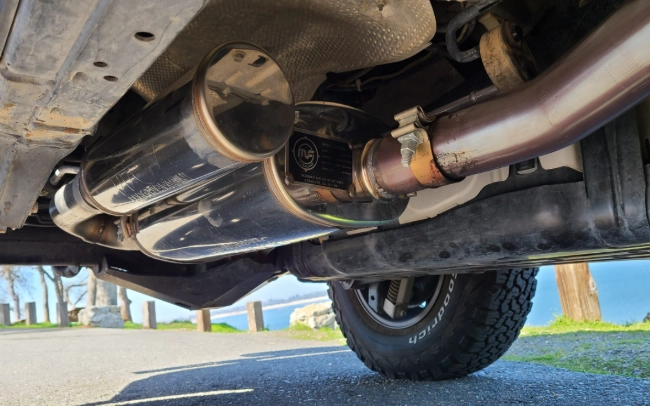
Quick Analogy: Your exhaust is like your car's lungs and kidneys combined. The pipes are the trachea and bronchi, moving air. The catalytic converter is the kidney, filtering toxins. The muffler is the vocal cords, controlling the sound. If any part fails, the whole system suffers.
A Walk Down the Pipe: Every Part Explained
Let's follow the exhaust gas on its journey. Each component has a specific role, and knowing them helps you understand what a mechanic is talking about (and if they're trying to sell you something you don't need).
1. Exhaust Manifold (or Header)
This is where it all starts. Bolted directly to the engine cylinder head, the manifold collects hot exhaust from each cylinder and funnels it into a single pipe. Stock manifolds are usually cast iron—cheap and durable. Performance enthusiasts often swap them for "headers," which are tubular and designed to reduce restriction and improve flow. Here's a tip most people miss: The manifold gasket is a frequent failure point. A leak here sounds like a ticking or tapping, loudest when the engine is cold, and it can drastically throw off the oxygen sensor readings.
2. Catalytic Converter
The environmental workhorse. It's a metal canister in the middle of the system packed with a ceramic or metallic honeycomb structure coated with platinum, palladium, and rhodium. As hot gases pass over this catalyst, harmful compounds are broken down. There are two main types: Two-way (mostly on older cars, for CO and HC) and Three-way (standard on everything since the 80s, adds NOx reduction). Their biggest enemy? Engine misfires. Unburned fuel dumped into a hot cat will literally melt the ceramic core.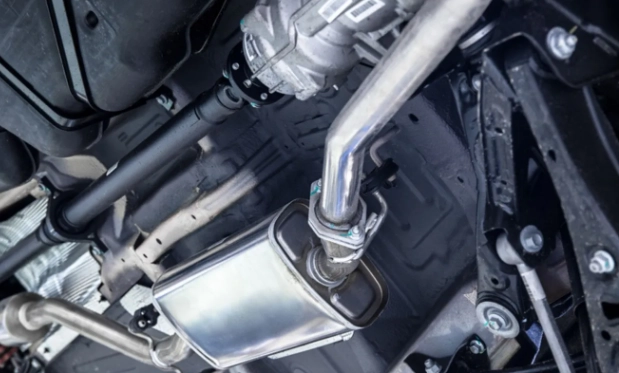
3. Resonators & Mufflers
People confuse these. A resonator
A resonator is usually upstream of the muffler. It's designed to cancel out specific, annoying sound frequencies using acoustic interference. Think of it as a pre-muffler that handles the harsh, high-pitched tones. The muffler is the final sound chamber. It uses baffles, chambers, and sound-absorbing packing material to dampen the overall noise volume. A straight-through "glasspack" style muffler is simpler and louder; a chambered muffler is quieter and more restrictive. Choosing an aftermarket one isn't just about volume, it's about the tone—a drone at highway speed can drive you insane.
4. Oxygen (O2) Sensors
The system's intelligence agents. You have at least two: one before the catalytic converter (upstream) to measure raw exhaust and help the computer adjust the fuel mix, and one after the cat (downstream) to monitor the converter's efficiency. When that downstream sensor starts reading almost the same as the upstream one, the computer knows the cat isn't working and lights up the dreaded check engine light (code P0420). These sensors wear out every 60,000-100,000 miles. Replacing them proactively can save fuel.
5. Pipes, Hangers, and Flanges
The connective tissue. Pipes are usually aluminized steel or stainless steel. Hangers are rubber loops that hold everything in place while allowing flex. Flanges are the bolted connections between major sections. This is where rust does its worst, especially at the joints and where condensation collects.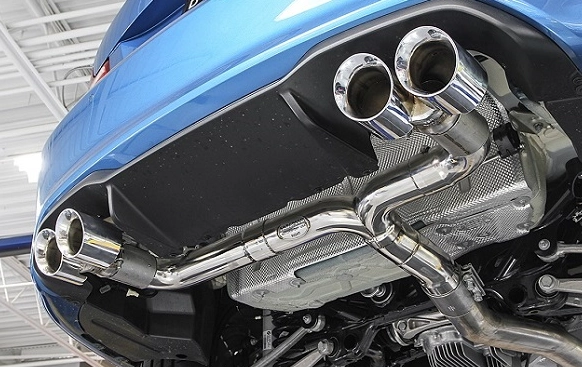
The Usual Suspects: Most Common Exhaust Problems
Exhaust issues announce themselves. You just have to know the language.
| Symptom | Likely Culprit | Why It Happens & What to Do |
|---|---|---|
| Loud roaring or rumbling | Hole in muffler/resonator, broken pipe. | Rust is the #1 cause. Salt on winter roads accelerates it. A small hole can turn into a giant one fast. Get it inspected. A patch might work temporarily on a pipe, but a rotten muffler needs replacement. |
| Hissing or tapping near engine | Leaking exhaust manifold gasket or cracked manifold. | Constant heating/cooling cycles stress the metal and gasket. The ticking is exhaust gas escaping at high pressure. This can hurt performance and fuel economy. Don't ignore it. |
| Rotten egg (sulfur) smell | Failing catalytic converter. | The cat is overloaded with sulfur from fuel and can't process it. Could also be caused by a rich fuel mixture (like a bad O2 sensor). Requires diagnosis—don't just assume you need a new $1,500 converter. |
| Check Engine Light (P0420) | Catalytic converter efficiency below threshold. | This code means the downstream O2 sensor isn't seeing enough difference. It could be a bad cat, but it could ALSO be a faulty O2 sensor, an exhaust leak BEFORE the sensor, or even a simple spark plug misfire. Diagnose the root cause first. |
| Loud vibration/rattle under car | Broken hanger or heat shield. | A broken rubber hanger lets the pipe bang against the chassis. Heat shields (thin metal sheets) corrode and come loose. This is usually a cheap, easy fix but sounds terrifying. |
Safety First: A major exhaust leak, especially ahead of the passenger cabin, is a severe carbon monoxide (CO) risk. CO is colorless, odorless, and deadly. Symptoms of exposure include headache, dizziness, and nausea. If you suspect a leak inside the car, drive with windows open and get it fixed immediately. Have a professional check the system's integrity regularly if you drive an older vehicle.
The Smart Owner's Maintenance Checklist
You don't need to be a mechanic to keep an eye on things. Twice a year, when you change your tires or get an oil change, do this five-minute check.
1. The Visual Once-Over. With the car cold and safely lifted on jack stands (or on a hoist at the shop), look at the entire length of the exhaust. Look for heavy, scaly rust, especially at welds, joints, and the bottom of the muffler. Shiny metal is good; flaky, brown-orange crust is bad. Give the pipes a gentle push and wiggle. They should be secure, not swinging freely.
2. The Cold Start Listen. When you first start the car in the morning, stand outside and listen for the first 30 seconds. Do you hear a new ticking or puffing sound coming from the engine bay? That's often a manifold leak, most audible before the metal expands and seals the gap slightly.
3. The Performance Monitor. Has your fuel mileage dropped noticeably? The engine computer relies on exhaust sensors to run efficiently. A failing O2 sensor or a leak can make the engine run rich, wasting gas. Track your MPG; it's a great early warning system.
4. Keep It Running Right. This is the big one. A misfiring spark plug or a faulty fuel injector dumping raw fuel into the exhaust will kill a catalytic converter in short order. Fix engine performance issues promptly. That $80 tune-up can prevent a $1,200 converter replacement.
The Big Decision: Repair, Replace, or Upgrade?
So, you've got a problem. What now? The choice depends on the car's age, value, and your goals.
Patch or Weld? For a small, clean hole in a straight section of pipe, a weld can be a permanent fix. For a hole in a complex, thin part of the muffler, it's usually a waste of money. The metal around it is likely just as weak. Those DIY exhaust tape and paste kits? They're a temporary emergency fix at best. Heat and moisture break them down quickly.
OEM vs. Aftermarket Parts. Original Equipment Manufacturer (OEM) parts from the dealer are exact fits, often with the best corrosion coatings, but you pay for it. Aftermarket parts from reputable brands like Walker, Bosal, or MagnaFlow offer great value. For catalytic converters, ensure any replacement is EPA-compliant and legal for your state (California has stricter CARB standards). Installing a non-compliant "test pipe" can get you a huge fine and fail inspection.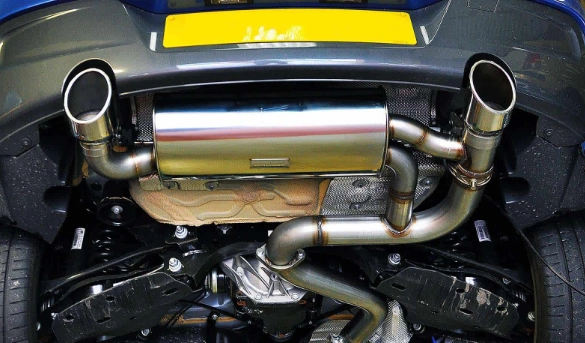
The Full System Replacement. On an older car with extensive rust, replacing one section often just moves the stress to the next weak, rusty joint. Sometimes, the smartest money is on a complete "cat-back" or even "header-back" system. It's a bigger upfront cost, but you get a warranty and peace of mind for years.
Performance Upgrades. If you're considering a performance muffler or cat-back system, research the sound. YouTube is your friend. Listen to clips of the exact model on a car similar to yours. Remember, more noise doesn't always mean more power. A well-designed system reduces restriction while maintaining proper scavenging.
Straight Answers to Your Burning Questions
Is a loud exhaust always a sign of a serious problem?
Not always, but it's a warning you should never ignore. A sudden, pronounced roar usually means a hole or disconnect in the pipes or muffler. However, a subtle ticking or pinging sound when you first start the car, which fades as it warms up, is often just normal thermal expansion of the metal. The key is to identify any new or drastically changed sound. A small leak near the engine manifold can let in oxygen and confuse your car's oxygen sensors, causing it to run poorly and waste fuel.
Can I drive with a broken exhaust? It still runs fine.
You can, but you absolutely shouldn't for more than a short distance to get it fixed. The dangers are real. First, carbon monoxide, a deadly, odorless gas, can leak into the passenger cabin through floorboards or the trunk, especially in older cars. Second, exhaust leaks near the engine can allow hot gases to damage wiring, plastic components, or even pose a fire risk. Third, a damaged catalytic converter can overheat and become a fire hazard itself. It's a safety and health issue, not just a noise nuisance.
Why is replacing a catalytic converter so expensive?
There are three main reasons. The parts themselves contain precious metals like platinum, palladium, and rhodium, which act as catalysts to clean the exhaust. These metals are extremely valuable. Second, the units are often welded into the exhaust system, making replacement labor-intensive. Finally, for modern cars, the replacement part must be an exact OEM (Original Equipment Manufacturer) match or a certified aftermarket equivalent to ensure it communicates correctly with the engine computer. Using a cheap, non-compliant "universal" converter can trigger check engine lights and fail emissions tests.
My check engine light is on for an O2 sensor. Can I just ignore it?
Ignoring a faulty oxygen (O2) sensor is one of the most common and costly mistakes. This sensor is the brain's informant about the air-fuel mixture. A lazy or dead sensor sends bad data, causing your engine computer to run the engine inefficiently. I've seen cars lose 10-40% of their fuel economy because of a single bad O2 sensor. You're literally burning money in extra gas, and that excess fuel can also overheat and destroy the expensive catalytic converter downstream. Replacing a $60-$150 sensor is far cheaper than the $1,000+ bill for a new cat.
Your exhaust system works hard in a brutal environment—extreme heat, road salt, moisture, and physical impacts. Understanding it isn't about becoming a mechanic; it's about being an informed car owner. You'll know when a sound is normal or nefarious. You'll catch small issues before they become wallet-crushing repairs. And you'll have a clearer conversation with your technician, ensuring you only pay for the work you actually need. Listen to your car. That rumble has a story to tell.