In This Guide
- Is It Time? Recognizing the Signs of Worn Spark Plugs
- Before You Begin: The Spark Plug Shopping List
- The Step-by-Step Spark Plug Replacement Walkthrough
- DIY vs. Pro: The Cost Breakdown
- Spark Plug Replacement Troubleshooting: What If It Doesn't Fix It?
- Your Spark Plug Questions, Answered
- Wrapping It Up: Confidence in Your Hands
Let's talk about spark plugs. You know, those little things buried deep in your engine that you probably forget exist until your car starts acting up. I remember the first time I had to deal with a spark plug replacement – I was clueless. The car was shuddering, the check engine light was glaring at me, and I had no idea where to start. Was it a huge deal? A simple fix? Should I just call a mechanic and hand over my wallet?
If that sounds familiar, you're in the right spot. This guide is for anyone who's ever googled "spark plug replacement cost" in a panic, or wondered if they could tackle the job themselves. We're going to strip away the jargon and walk through everything, from the very first sign of trouble to the final turn of the wrench.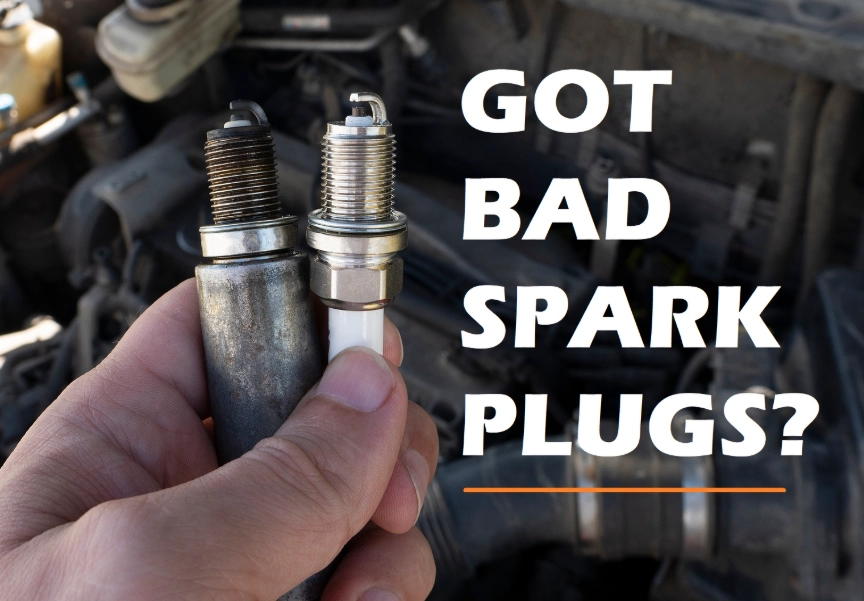
And I'll be honest, not every part of this job is fun. Some engines make it a real puzzle. But understanding the process takes away the fear, and can save you a significant chunk of change.
Is It Time? Recognizing the Signs of Worn Spark Plugs
You don't need to be a mechanic to suspect your spark plugs are calling it quits. Your car will tell you, sometimes loudly. Ignoring these signs is like ignoring a toothache – it only gets worse and more expensive.
The most common symptom is a rough engine. We're talking shaky idling at a stoplight, a feeling like the car is stumbling or hesitating when you press the gas, and sometimes a noticeable loss of power, especially when trying to accelerate. It feels sluggish, like it's running on three cylinders instead of four (or six, or eight).
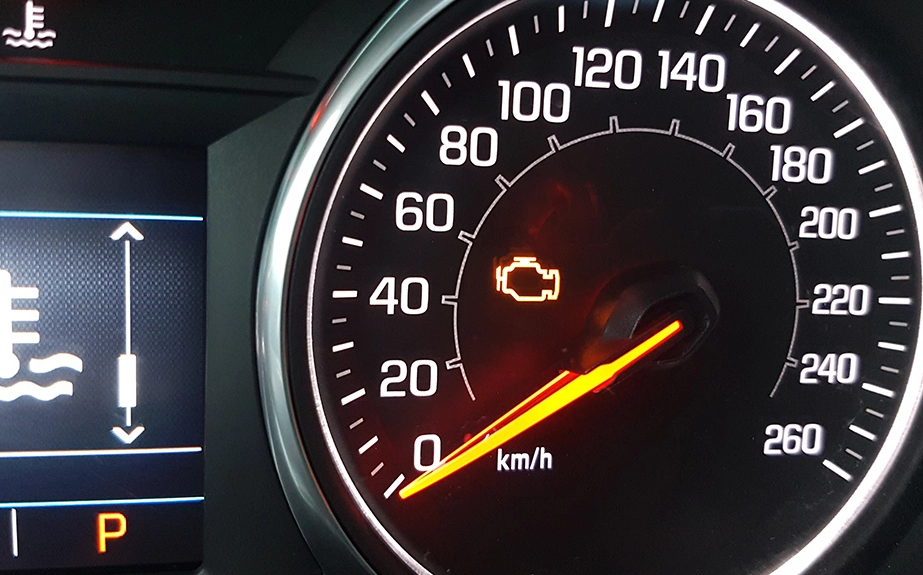
Then there's the dreaded check engine light. A flashing check engine light paired with a rough running engine is a red alert – it usually indicates an active misfire that can damage your catalytic converter. A solid light could be storing codes related to misfires (like P0300, P0301, etc.), which very often point back to spark plugs or their related components.
Hard starting is another classic sign. If your engine cranks and cranks before finally catching, worn plugs might not be creating a strong enough spark to ignite the fuel-air mixture reliably.
So, when should you proactively change them, even without symptoms? That's where your owner's manual is king. Modern cars have longer intervals, but the old 30,000-mile rule is dead for many vehicles.
• Traditional Copper Plugs: 20,000 - 30,000 miles. The old standard, now less common.
• Iridium or Platinum Plugs: 60,000 - 100,000+ miles. This is the standard for most modern cars. Always, always check your manual.
I made the mistake once of following "general advice" instead of the manual for my Honda and changed the plugs way too early. A waste of perfectly good iridium plugs.
Before You Begin: The Spark Plug Shopping List
Okay, you've decided a spark plug replacement is in your future. The first step isn't grabbing a wrench; it's knowing what you're working with. Using the wrong plug can cause poor performance or even engine damage.
Types of Spark Plugs: More Than Just Metal
Not all spark plugs are created equal. The material of the center electrode is the big differentiator, affecting lifespan and performance.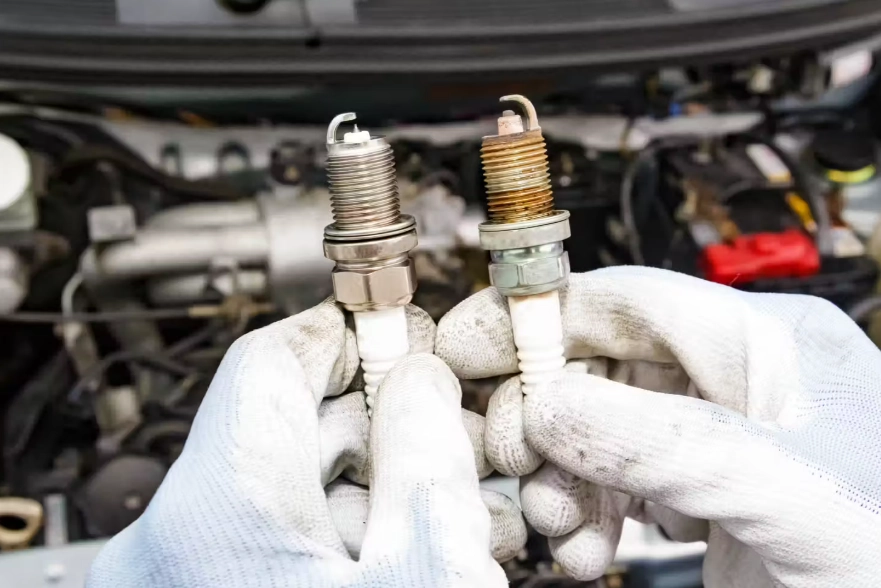
| Type | Core Material | Typical Life | Best For | Cost |
|---|---|---|---|---|
| Copper | Copper Core | 20k-30k miles | Older cars, high-performance/turbo applications (better conductivity) | Lowest |
| Single Platinum | Platinum Disc on Electrode | 60k-80k miles | Modern engines with distributor-based ignition | Mid-Range |
| Double Platinum | Platinum on Center & Ground Electrode | 80k-100k miles | Waste-spark ignition systems | Higher |
| Iridium | Iridium Tip (very fine) | 80k-120k+ miles | Most modern fuel-injected engines (OE standard) | Highest |
How do you know which one you need? You have a few foolproof options:
- The Owner's Manual: It will specify the exact plug type and gap. This is your #1 source.
- Look Up Your Vehicle: Sites like NGK's application guide or AutoZone's part finder let you enter your car's year, make, model, and engine to get the correct part number. NGK is an original equipment manufacturer for many brands, so their site is a great authority.
- The Old Plug Itself: The part number is usually printed on the ceramic insulator or metal shell. Take one out carefully and read it.
Never, ever assume. A V6 and a V8 version of the same car might use completely different plugs.
The Toolkit: Gathering Your Arsenal
You can't do a spark plug replacement with a butter knife. Here's what you'll likely need: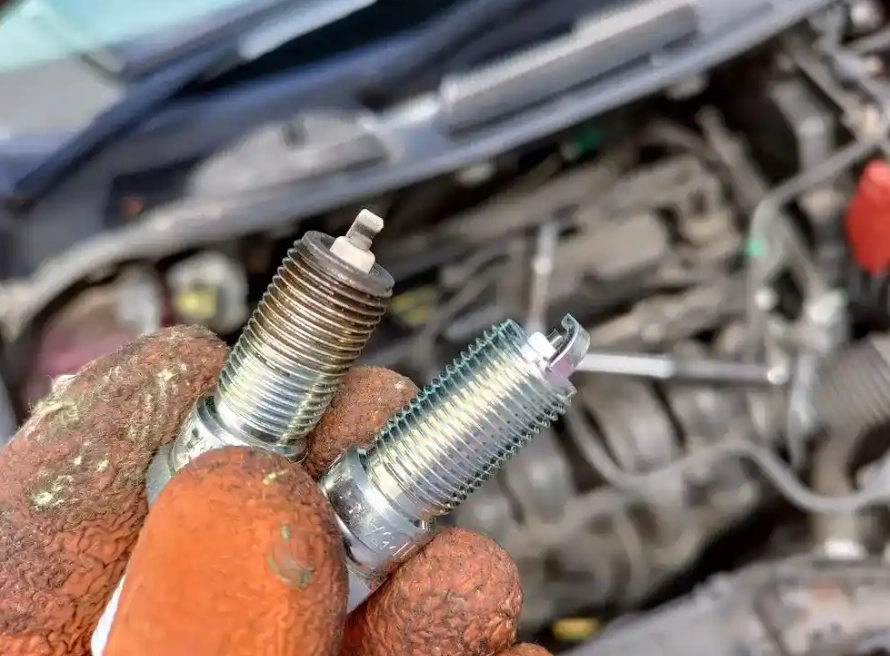
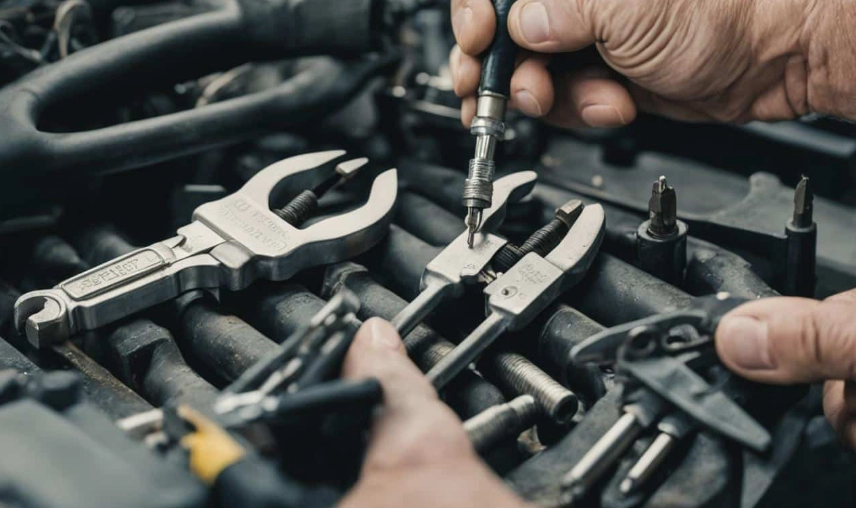
- Spark Plug Socket: This is non-negotiable. It's a deep socket with a rubber insert inside to grip the ceramic insulator and prevent cracking. Sizes are usually 5/8" (16mm) or 13/16" (for some older Chryslers and lawn equipment). A magnetic one is even better.
- Ratchet, Extensions, and a Universal Joint: A standard 3/8" drive ratchet is perfect. You'll need a 3", 6", or even longer extension to reach down into deep spark plug wells. A universal joint (swivel) is a lifesaver for angled access.
- Gap Tool: Even if plugs are "pre-gapped," you should always check. A simple coin-style gap gauge works. Don't use a flat feeler gauge on iridium or platinum plugs with fine electrodes—you can damage them. The gap is critical for a proper spark.
- Torque Wrench (Highly Recommended): This is where DIYers mess up. Under-tightening leads to poor heat transfer and potential leaks. Over-tightening can strip the aluminum threads in your cylinder head—a nightmare repair. A small click-type torque wrench is a wise investment. Your manual will give the spec (usually between 15-25 ft-lbs).
- Other Helpful Stuff: A can of compressed air or a small brush to clean debris from the plug wells before removal (you don't want dirt falling into the engine). A dab of anti-seize compound on the threads is debated—some plug manufacturers coat their threads and say not to use it. Check the instructions that come with your new plugs. Dielectric grease for the inside of the spark plug boot to prevent it from sticking and improve conductivity.
The Step-by-Step Spark Plug Replacement Walkthrough
Alright, let's get our hands dirty. Make sure the engine is completely cold. Working on a hot engine is a great way to burn yourself and get inaccurate torque readings.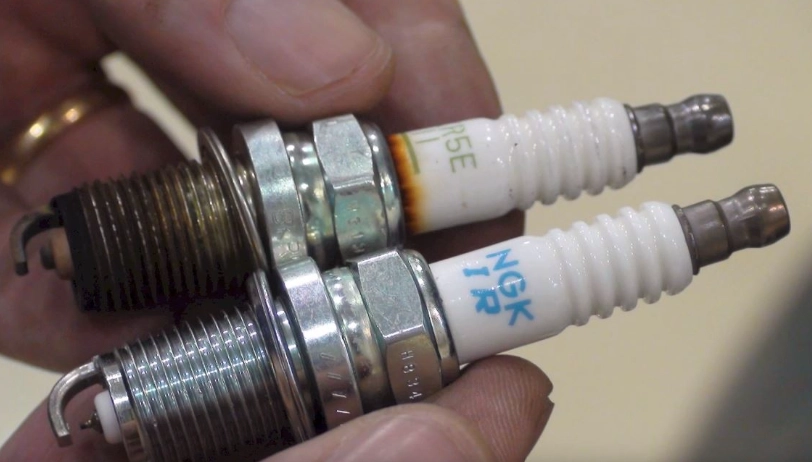
Step 1: Preparation and Safety
Disconnect the negative battery terminal. It's a simple safety step that prevents any accidental shorts while you're unplugging coils or wires. Locate your spark plugs. On an inline-4 engine, they're in a row on top. On a V6 or V8, they're on both sides of the engine. Identify which coil or spark plug wire goes to which cylinder. If you're mixing them up, label them with tape. It's crucial they go back in the same order.
Step 2: Gaining Access and Removal
This is often the hardest part. You might need to remove an engine cover (just pops off), an air intake tube, or even the windshield washer fluid reservoir on some transverse V6s. Be patient and keep track of bolts.
Ever dropped a bolt into the engine bay? I have. It's infuriating. Use a magnetic tray.
Once you can see the coils or wires, gently disconnect the electrical connector (there's usually a little tab to press). For coil-on-plug, remove the bolt holding the coil down and pull it straight up with a firm, wiggling motion. For older cars with wires, twist the boot at the base and pull—never yank on the wire itself.
Now, blast some compressed air around the base of the plug to blow away any sand or grit. Attach your spark plug socket and extension to the ratchet. Carefully guide it onto the plug and turn counter-clockwise to loosen. Once loose, you can often finish unscrewing it by hand. Pull the plug straight out in the socket.
Step 3: Inspection and Gapping
Look at your old plug. Its condition is a window into your engine's health. A light tan or gray coating on the electrode is perfect. Here's a quick trouble guide:
- Oily, Black Soot: Could indicate worn piston rings or valve guides (oil is leaking into the chamber).
- White, Blistered, or Melted Electrode: Engine is running too hot. Check cooling system, ignition timing, or fuel mixture.
- Wet with Gasoline: That cylinder isn't firing (the misfire).
- Heavy Dark Carbon Deposits: Often from rich fuel mixture or excessive idling.
Now, take your new plug. Check the gap with your gap tool. Slide the correct thickness wire between the electrodes. It should have a slight drag. If it's too wide, gently tap the ground electrode on a hard surface to close it. If it's too small, carefully pry the ground electrode open with the tool. Be incredibly gentle with fine-wire iridium plugs.
Step 4: Installation and Torquing
This is the most critical step. Start the new plug by hand. If it doesn't thread in smoothly, don't force it! You've likely cross-threaded it. Back it out completely and try again. The threads should spin easily for the first few turns.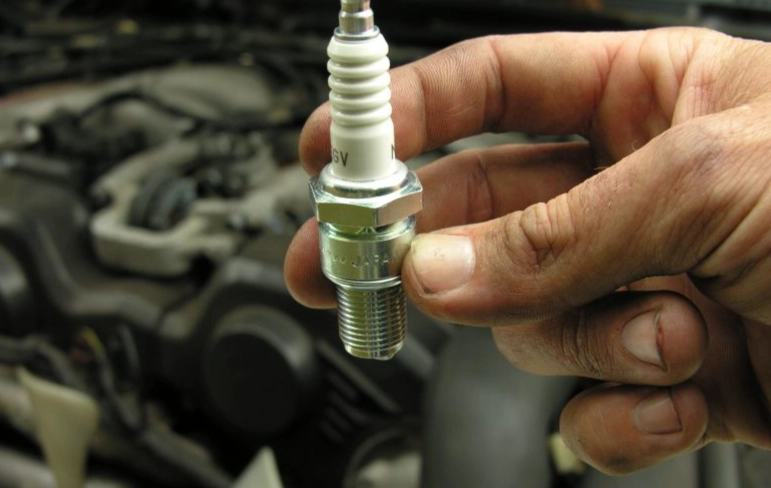
Once it's hand-tight, it's torque wrench time. Set your torque wrench to the specification from your manual (let's say 18 ft-lbs). Attach your socket and extension, and slowly tighten until the wrench clicks. That's it. No extra "just a little more" quarter-turn. Over-torquing is the quickest way to turn a simple spark plug replacement into a cylinder head repair job.
Reinstall the ignition coil or spark plug wire, ensuring it clicks or seats firmly. Reconnect the electrical connector. Repeat for all remaining cylinders.
DIY vs. Pro: The Cost Breakdown
So, is doing your own spark plug replacement worth it? Let's break down the numbers, because that's usually the deciding factor.
For a typical 4-cylinder engine with standard iridium plugs:
- DIY Cost: Plugs ($8-$15 each) = $32-$60. Add maybe $40 for a basic torque wrench if you don't have one. Total: ~$70-$100 one-time, then just the cost of plugs next time.
- Professional Mechanic Cost: Parts markup ($60-$100) + Labor (1-2 hours at $100-$150/hr). Total: $160 - $400+.
The savings on a V6 or V8 are even more dramatic. The labor is the killer. For a straightforward engine, the DIY route saves you hundreds. But there are legit reasons to hire a pro:
- Extremely Difficult Access: Some engines, like transverse-mounted V6s where the rear bank is against the firewall, are notorious. Subaru flat-4s (boxer engines) can also be tricky. The labor might be worth your sanity.
- You Lack Tools/Confidence: If you don't have a torque wrench and aren't willing to get one, please don't guess. Stripped threads are a $500+ fix.
- Underlying Problems: If you suspect the misfire isn't just the plugs (bad coil, fuel injector, etc.), a good mechanic with a scan tool can diagnose it faster.
I paid a mechanic once for a spark plug replacement on my old truck because the plugs were seized in there from 100,000 miles of neglect. He had the heavy-duty tools and experience to deal with it without breaking anything. Sometimes, that's money well spent.
Spark Plug Replacement Troubleshooting: What If It Doesn't Fix It?
You've done everything right, put in new plugs, reconnected everything... and the car still runs like garbage. Don't panic. This happens. A spark plug replacement is often step one in solving a misfire, but not always the final step.
The spark plug is just one part of the "spark delivery system." Here's what else could be the culprit, in order of likelihood:
- Ignition Coils: This is the #1 follow-up suspect, especially on coil-on-plug systems. If one coil is weak or dead, it won't fire the plug, even a new one. Sometimes you can swap the coil from the misfiring cylinder to another and see if the misfire moves with it (using a scan tool to read codes).
- Spark Plug Wires (on older cars): They can crack, corrode, or break down internally, leaking the spark before it ever reaches the plug.
- Fuel Delivery Issue: A clogged fuel injector won't spray enough fuel into that cylinder, causing a lean misfire.
- Mechanical Problem: Low compression in a cylinder due to a burnt valve, broken piston ring, or blown head gasket. This is more serious and requires a compression test.
Your Spark Plug Questions, Answered
I get a lot of the same questions from friends. Let's tackle them head-on.
Can I just change one spark plug?
Technically, yes. If you've diagnosed a single bad plug, you could replace just that one. But it's almost never a good idea. Plugs wear at similar rates. If one has failed, the others are likely near the end of their life too. You'll be back under the hood in a few months. Do them all at once for consistent performance and peace of mind.
Do I need to disconnect the battery?
It's not always strictly necessary, but I always do. It takes 10 seconds and eliminates any risk of shorting out an expensive engine control module while disconnecting coils. It's a cheap insurance policy.
What happens if I don't gap the plugs?
You're playing with fire (or a lack of it). Too wide a gap, and the spark might not jump at all, especially under high cylinder pressure (like when accelerating), causing a misfire. Too small a gap gives a weak spark that can lead to incomplete combustion and poor performance. Just check it. It takes two seconds per plug.
Why are some plugs so much more expensive?
You're paying for the exotic metal (iridium) and the technology. Iridium is incredibly hard and has a very high melting point, allowing for a tiny electrode that requires less voltage to fire and lasts much longer. For a car you plan to keep, they're worth it. For a beater you're selling next year? Maybe not.
My mechanic quoted me for "spark plugs and wires." Do I need new wires?
If your car has a traditional distributor and spark plug wires (most pre-2000s cars), and you're at 80,000+ miles on the original set, replacing them during a spark plug replacement is smart preventative maintenance. The resistance in wires increases over time. If they're already off, it's minimal extra labor. On a modern coil-on-plug car, there are no traditional "wires," so that part of the quote might be unnecessary.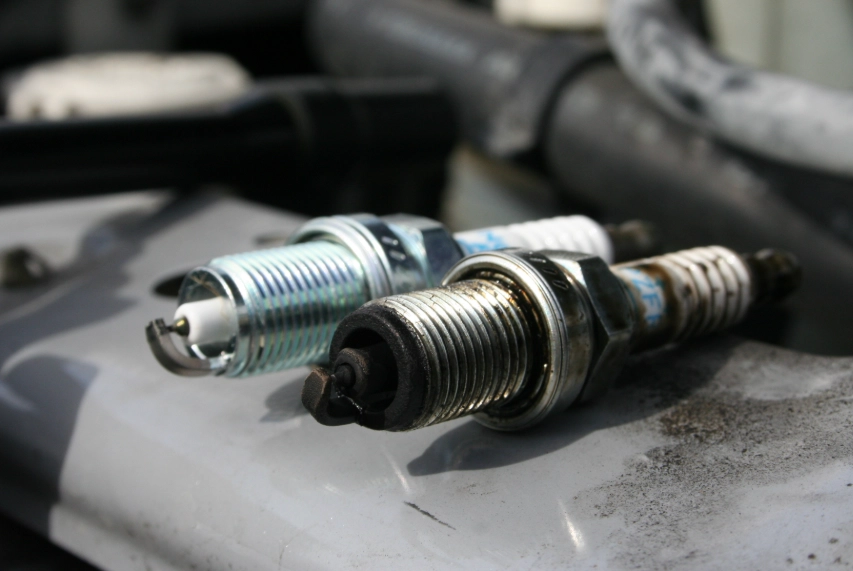
Wrapping It Up: Confidence in Your Hands
Look, a spark plug replacement isn't brain surgery. It's a fundamental maintenance task that feels intimidating until you do it once. The key is respect: respect for the torque spec, respect for the delicate electrodes, and respect for your own skill level.
For the majority of cars with decent access, it's a perfect Saturday morning project. You'll save money, learn something tangible about your vehicle, and get that genuine satisfaction of fixing something yourself. The next time your car stumbles, you won't feel that dread. You'll have a plan.
Start by checking your manual for the interval and plug type. Gather your tools. Take it one cylinder at a time, and don't rush. If you hit a snag, there are fantastic visual resources online. The South Main Auto YouTube channel, run by a professional mechanic, has excellent, no-nonsense repair videos that can show you techniques for specific situations.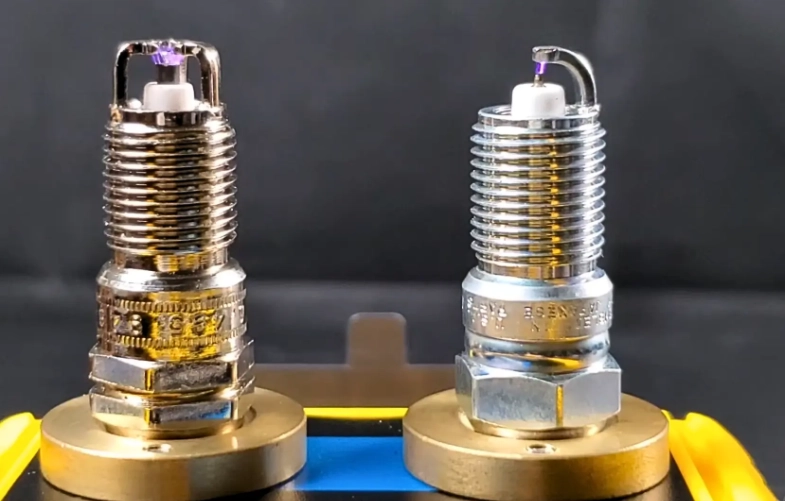
Your car will thank you with a smoother idle, better throttle response, and maybe even a few extra miles per gallon.
And honestly, that's a win you can feel every time you drive.