You spent good money on your car. The last thing you want is for it to look old and tired before its time. Sun, bird droppings, road salt, and that one automatic car wash with the stiff brushes—they’re all conspiring against your paint. Good exterior care isn’t about vanity; it’s about preserving your investment and stopping thousands of dollars in value from literally washing away. Forget the quick tips. Let’s talk about building a real protection system for your car’s skin.
Your Quick Car Care Roadmap
Washing: The Non-Negotiable Foundation (Where Most People Screw Up)
Think of washing as prepping a wound before applying a bandage. If you don’t do it right, you’re just rubbing dirt into the paint. I learned this the hard way years ago, using an old kitchen sponge on my first car. The swirl marks were a permanent reminder of my ignorance.
The Two-Bucket Method: Your New Religion
This isn’t a detailing nerd fantasy; it’s the simplest way to prevent scratches. Here’s the breakdown: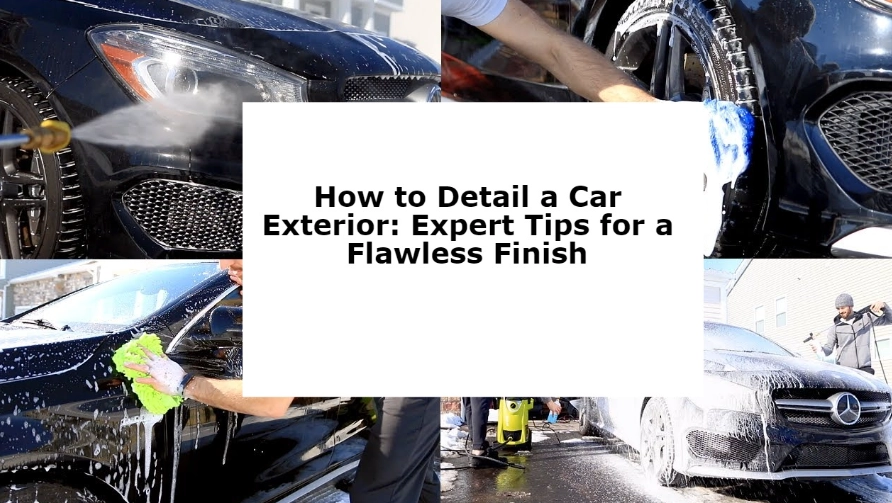
- Bucket One (Soap Bucket): Clean water and a pH-neutral car wash soap (like from Meguiar’s or Chemical Guys). These are formulated to clean without stripping protection.
- Bucket Two (Rinse Bucket): Plain clean water. This is where you rinse your wash mitt before dipping it back into the soap.
- The Process: Wash a panel (roof, door), rinse the mitt in the rinse bucket to drop the dirt, then reload with fresh soap from Bucket One. The dirt stays in the rinse bucket, not on your car.
Toolkit Essentials (No Compromises)
- Wash Mitt: Microfiber or lambswool. Throw away any sponges.
- Drying Towels: Large, clean, plush microfiber drying towels. Don’t use a chamois or bath towel.
- Wheel Brush: A dedicated brush for wheels and tires. Their brake dust is abrasive.
- Grit Guards: Plastic inserts at the bottom of your buckets that trap dirt, keeping it away from your mitt.
Work in the shade, on a cool surface. Start from the top (roof) and work down (wheels last). Rinse the car thoroughly before you start washing to loosen surface grit. A pre-wash foam spray can help lift dirt safely—it’s not just for show.
Waxing & Sealing: Your Paint’s Body Armor
Once clean, you need protection. This is where the magic happens. A protected surface repels water, makes future washing easier, and blocks UV rays that fade paint.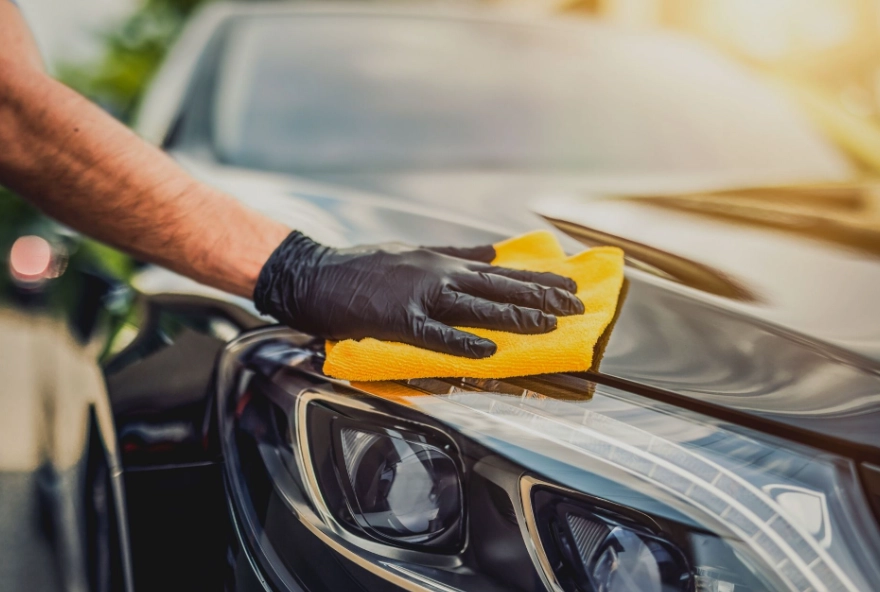
Wax vs. Sealant vs. Ceramic: What’s the Difference?
They all protect, but in different ways and for different lengths of time.
| Protection Type | What It Is | Key Benefit | Typical Duration | Best For |
|---|---|---|---|---|
| Carnauba Wax | Natural plant-based wax. The classic. | Unbeatable warm, deep shine and “wet look.” | 4 - 8 weeks | Enthusiasts who love the ritual and want peak aesthetics for shows or summer. |
| Synthetic Sealant | Lab-created polymers. | Superior durability and chemical resistance. Often clearer than wax. | 3 - 6 months | Daily drivers in harsh climates (sun, snow, salt). Low-maintenance owners. |
| Ceramic Coating | Liquid silica that forms a semi-permanent hard layer. | Extreme durability, chemical resistance, and hydrophobic effect. Professional application is best. | 2 - 5 years | Long-term protection seekers willing to invest in prep and application. |
My personal go-to for my daily driver is a good synthetic sealant. It lasts through a Canadian winter. I save the carnauba wax for my weekend car in the garage—the depth of shine is addicting, but it just doesn’t hold up.
How to Apply a Wax or Sealant (The Right Way)
It’s not hard, but precision matters. Apply to a perfectly clean and dry car, panel by panel, in the shade.
- Use an applicator pad: A small foam or microfiber pad. Don’t pour product directly on the paint.
- Thin is in: Apply a very thin, even layer. A thick coat doesn’t work better; it’s just harder to remove.
- Let it haze: Check the product instructions. Most need to dry to a haze (5-15 minutes). Don’t let it bake on in the sun.
- Buff off: Use a clean, soft microfiber towel to buff the residue away to a shine. Flip the towel often.
Handling Specific Exterior Problems
Life happens. Here’s how to deal with the common assaults without making things worse.
Bird Droppings & Tree Sap: The Acidic Enemies
These are emergencies. Bird droppings contain uric acid that etches paint quickly, especially in the sun. Tree sap is a sticky, acidic mess.
- Immediate Action: Keep a quick detailer spray and microfiber towel in your car. Spray the spot liberally to soak and lubricate it, then gently wipe it away. Don’t scrub a dry dropping.
- For Hardened Sap: Use a dedicated sap remover or isopropyl alcohol diluted with water (50/50 mix). Apply to a towel, not directly, and dab gently. Wash the area afterward.
Light Scratches & Swirl Marks
Those fine spider-web scratches in direct sunlight are often inflicted by improper washing. For very light ones, a “scratch remover” or “polishing compound” applied by hand with a microfiber pad can diminish them. For deeper scratches or a whole car full of swirls, machine polishing by a professional is the real solution. It removes a tiny layer of clear coat to level the surface.
A word of caution: Be very gentle with compounds. It’s easy to go through the clear coat if you’re aggressive. If you’re unsure, live with the swirls until you can hire a pro.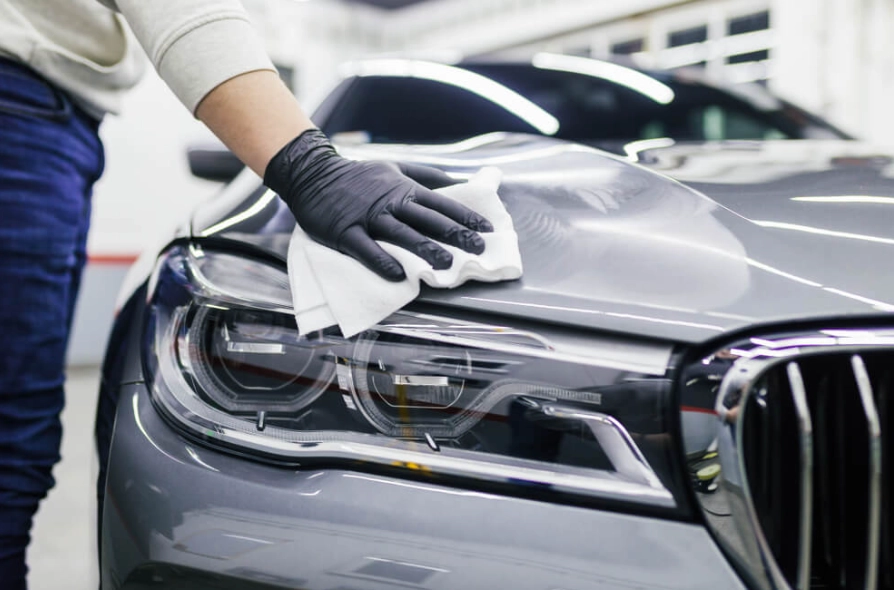
Bug Splatter & Tar
For bug guts on the front bumper, soak a towel with your car wash soap and water mixture and lay it over the area for a few minutes to soften them. Tar spots need a dedicated tar remover. Never use gasoline or harsh solvents.
The Long-Term Protection Plan
Car care isn’t a one-day project. It’s a schedule.
- Weekly/Bi-Weekly: Two-bucket wash. More often in winter (salt) or if covered in bugs/sap.
- Monthly: Clean and protect tires/trim. Inspect for new chips or stains.
- Every 3-6 Months: Reapply your synthetic sealant or wax, depending on product and weather.
- Twice a Year (Spring & Fall): A deeper clean. Consider a clay bar treatment, then your full protection application. This is the perfect time for a thorough interior clean as well.
- Immediately: Touch up any stone chips with matching touch-up paint to prevent rust. Clean bird droppings and sap ASAP.
Don’t neglect the non-paint parts. Use a vinyl/rubber protectant on trim and tires to prevent fading and cracking. Clean glass with a dedicated automotive glass cleaner for a streak-free view.
Your Car Care Questions Answered
 How often should I really wash my car?