You walk out to your car and there it is. A new scratch. Maybe it's from a rogue shopping cart, a careless door in a parking lot, or that low-hanging branch you thought you cleared. That feeling in your gut? It's a mix of annoyance and dread. How bad is it? Can I fix it myself? How much is this going to cost me?
Let's cut through the noise. Car paint repair isn't one thing. It's a spectrum, from a 10-minute touch-up to a multi-thousand-dollar respray. Getting it wrong means throwing money away or living with an eyesore. I've seen it all—from brilliant DIY saves to horror stories where a "quick fix" turned into a $1500 repaint. This guide is about making the right call.
Your Quick Navigation Guide
First Step: Figure Out What You're Really Dealing With
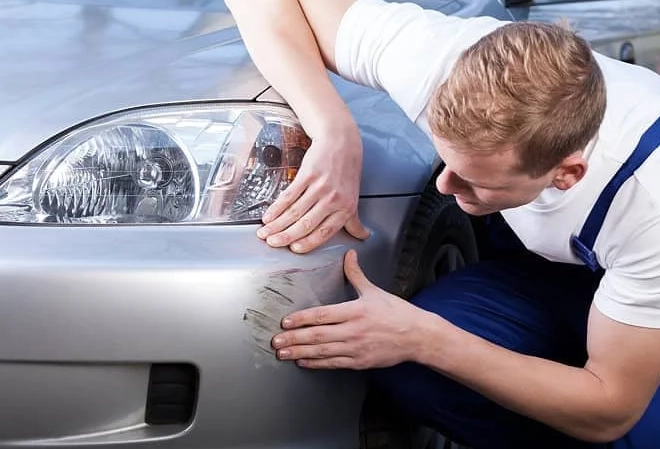
Before you buy anything or call a shop, do the fingernail test. Run your fingernail gently across the scratch.
- If your nail doesn't catch: You've likely only scratched the clear coat. This is the protective, glossy top layer. Good news! This is often the easiest and cheapest to fix, sometimes with just a good polish.
- If your nail catches slightly: The scratch is into the base coat (the colored paint). You can see the color, but the metal isn't showing. This requires touch-up paint.
- If your nail drops into a groove and you see shiny, bare metal: This is a deep scratch or chip. The primer and metal are exposed. This will rust if left untreated. Repair is more involved.
Size matters too. A quarter-sized chip on the hood is different from a 2-foot key mark along the door. The former is a spot repair. The latter often means repainting the entire panel to avoid a visible blend line.
The DIY Route: What You Can (And Can't) Do at Home
For clear coat scratches and small, shallow base coat scratches, DIY is absolutely viable. I fixed a door ding scratch on my own sedan last year. Took me an afternoon, cost about $40 in supplies, and you have to know where to look to see it. Here’s the toolkit you need for a proper job, not a hack.
How to Repair a Small Scratch Yourself (The Right Way)
1. Clean & Decontaminate: Wash the area thoroughly. Then, use isopropyl alcohol or a dedicated automotive wax and grease remover. This step is non-negotiable. Any oil or wax will ruin the paint adhesion.
2. Sand Gently: For a scratch you can feel, use a 3000-grit sanding pad (like those from Meguiar's). Keep it wet with soapy water. Sand just enough to level the edges of the scratch. You're not trying to remove it entirely, just smooth it. This is where most people get scared and stop too soon.
3. Apply Touch-Up Paint: Don't use the brush in the bottle cap. It's too big and sloppy. Get a set of fine-tip applicator needles or a toothpick. Apply multiple thin layers, letting each dry 10-15 minutes in between. It will look ugly and raised—that's fine.
4. Level & Polish: Once fully cured (wait 24-48 hours), use the 3000-grit pad again, wet, to carefully sand the raised touch-up paint until it's flush with the surrounding surface. Then, use a rubbing compound on a microfiber pad by hand or with a dual-action polisher to restore the shine. Finish with a polish.
The result? The scratch is filled and protected, even if the color match isn't 100% perfect from two inches away. It's a 90% solution for 5% of the cost.
Inside a Professional Auto Body Shop
When the damage is too big, deep, or on a highly visible panel (like the hood), it's shop time. A professional car paint repair isn't just spraying paint. It's a process. I asked a shop owner friend to walk me through a typical door repaint.
Step 1: Disassembly & Prep. They remove the door handle, trim, and sometimes the mirror. Then, they sand the entire panel down to a uniform surface, featheredging any damage. This takes hours of skilled labor. Any dents are pulled out using paintless dent repair (PDR) if possible.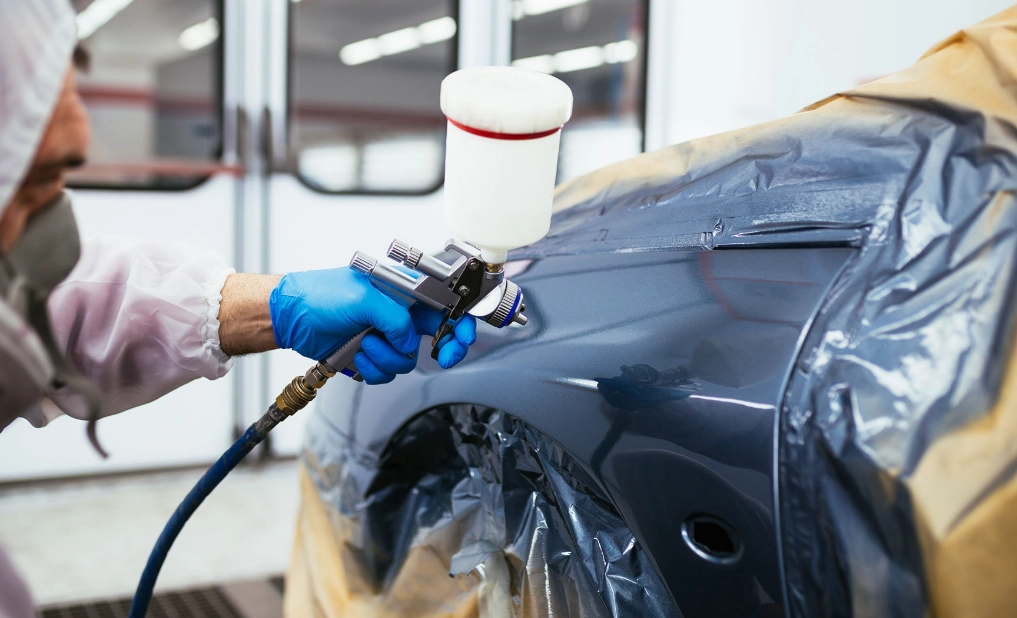
Step 2: Primer & Blocking. Primer is applied and then sanded perfectly smooth with a long sanding block. This ensures the final paint surface is flawless, not wavy.
Step 3: Color Matching. This is the magic. Your car's paint has faded. They use a spectrophotometer to scan your paint in multiple places (the fuel door is often the truest color). The computer formulates a custom mix. They spray a test card, bake it, and check it against your car in sunlight.
Step 4: Painting. Done in a sealed, dust-free downdraft spray booth. They apply the base coat, then multiple layers of clear coat for depth and protection.
Step 5: Curing & Polishing. The panel is baked to cure the paint. After it cools, any minor imperfections (dust nibs) are wet-sanded and the entire panel is machine-polished to a showroom gloss.
You're not just paying for paint. You're paying for the skill, the technology, and the guarantee that it will last and look right.
Cost Showdown: DIY Kits vs. Shop Repairs
Let's talk numbers. Prices vary wildly by location, car make (metallic paints on luxury cars cost more), and shop rates. Here’s a realistic breakdown.
| Repair Type / Method | Typical Cost Range | Time Investment | Best For |
|---|---|---|---|
| DIY Scratch Repair Kit (e.g., Dr. ColorChip, Langka) | $40 - $80 | Small stone chips, short scratches on non-critical panels. | |
| Professional Paintless Dent Repair (PDR) with touch-up | $150 - $400 | 1 - 2 hours | Door dings where paint is intact but metal is dented. |
| Professional Single Panel Repaint (e.g., one door, one fender) | $500 - $1,500 | 2 - 3 days at shop | Deep scratches, large scrapes, clear coat failure on one panel. |
| Professional Multi-Panel/Bumper Repaint | $1,000 - $3,000+ | 3 - 5 days | Accident damage, keying along multiple panels, severe fading. |
| Full Car Respray (High-Quality) | $5,000 - $10,000+ | 1 - 2 weeks | Restoration, complete color change, catastrophic damage. |
Notice the gap between DIY and pro? That's the "convenience and perfection" premium. A study by the American Automobile Association (AAA) notes that even minor paint and body work is a significant portion of annual maintenance costs, so choosing the right level of repair is a key financial decision.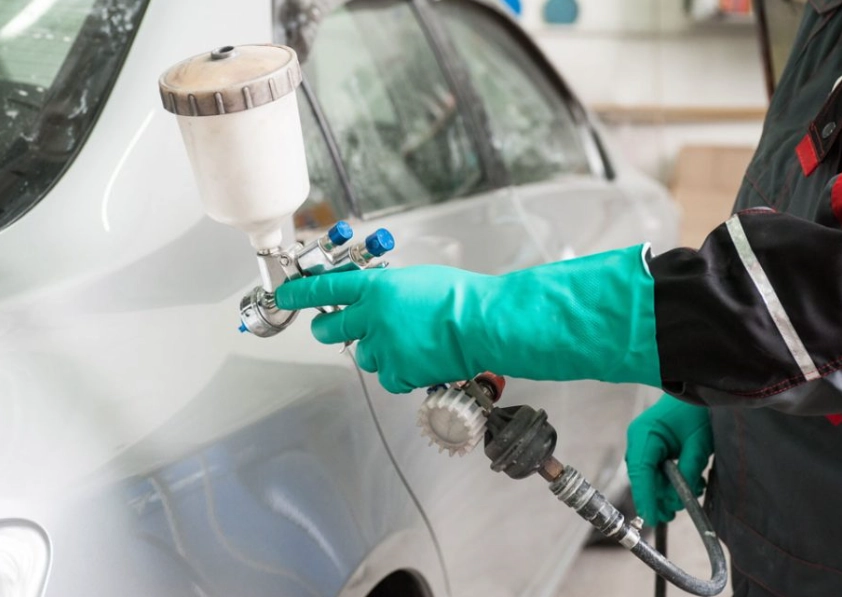
Keeping Your Paint Looking New
Repair is reactive. Protection is proactive. After you've fixed the scratch, keep it from happening again.
- Paint Protection Film (PPF): This is the ultimate shield. A clear, urethane film applied to high-impact areas (front bumper, hood, mirrors). It's self-healing for minor scratches. Expensive upfront ($1,500-$2,500 for a full front), but it saves you from multiple repaints.
- Ceramic Coating: Not a physical barrier like PPF, but a semi-permanent hydrophobic layer that makes washing easier and adds UV protection. It gives your clear coat more hardness and chemical resistance.
- The Basics Matter: Park farther away. Wash with the two-bucket method to avoid swirl marks. Don't use automatic brushes. Apply a good sealant or wax every 3-6 months. It's boring advice, but it works.
I put PPF on the front of my car after that DIY repair. A year later, a rock hit the hood. I rinsed it off, poured hot water over the spot, and the mark disappeared. The peace of mind is worth every penny.