Let's be honest, nobody enjoys a surprise repair bill. You're driving along, and suddenly there's a new noise, a warning light, or worse, the car just quits. Knowing the most frequent car problems is like having a roadmap for your vehicle's health. It helps you catch small issues before they become wallet-crippling disasters. I've spent over a decade under the hood, and I can tell you that while every car is different, the same handful of issues pop up again and again. This isn't just a list of problems; it's a practical guide to what they mean, what they'll cost you, and what you can do about them.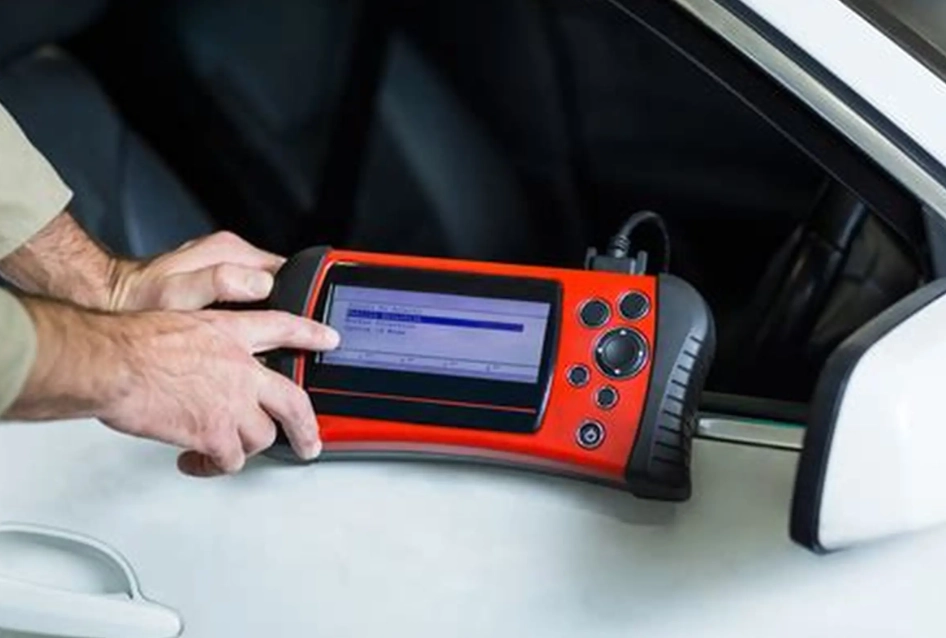
What’s Inside This Guide
Engine & Drivetrain Issues: The Heart of the Problem
This is where things get expensive. Problems here affect how your car moves, and ignoring them is a surefire way to end up stranded.
Check Engine Light & Sensor Failures
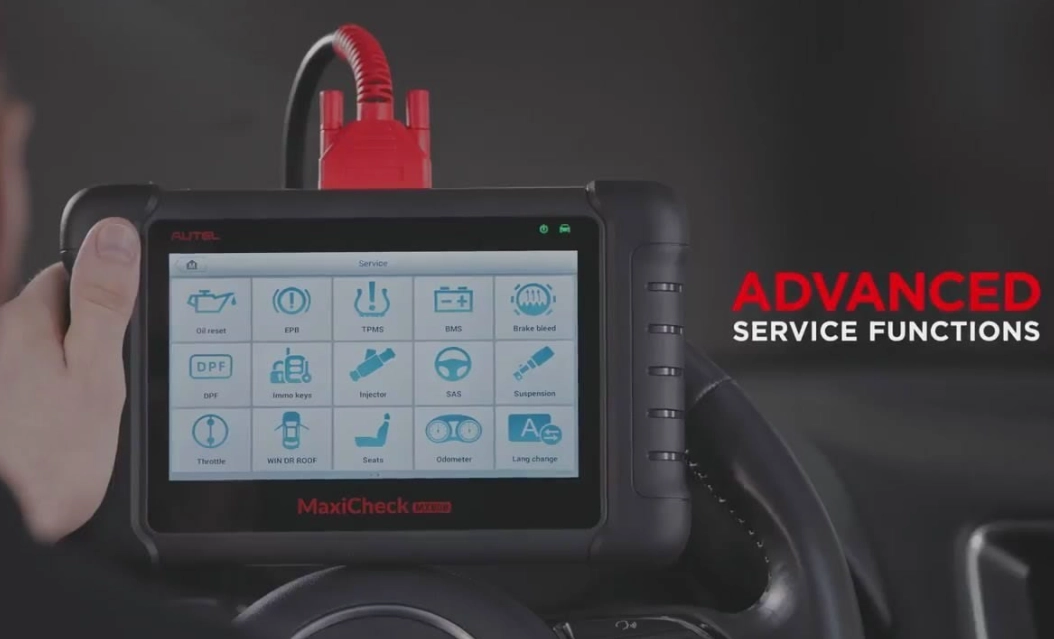
The infamous little orange light. Nine times out of ten, it's not a catastrophic failure. It's often a faulty oxygen sensor, a loose gas cap (a free fix!), or a misfiring spark plug. The problem is the light itself tells you nothing specific. You need an OBD2 scanner to read the code. A basic scanner costs less than $50 and can save you a diagnostic fee. A common mistake? Replacing the oxygen sensor immediately after a code appears. Sometimes, the code is triggered by a dirty mass airflow sensor or a vacuum leak. Clean the MAF first (with proper cleaner) and check for cracked hoses.
Oil Leaks and Consumption
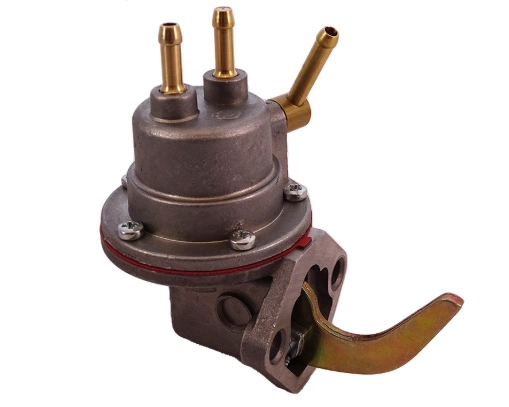
Dark spots on your driveway are a telltale sign. Common leak points are the valve cover gasket, oil pan gasket, and the rear main seal. A slow leak might just mean topping off oil more often, but a major leak can lead to engine seizure. Modern engines, especially some turbocharged models, are known to consume oil between changes. It's not always a leak. Check your dipstick monthly. If you're adding a quart every 1,000 miles, it's time for a mechanic to investigate. The repair cost swings wildly: a valve cover gasket might be $200-$400, while a rear main seal can be a $1,000+ job due to labor.
Transmission Troubles
Automatic transmission issues often start subtly: delayed engagement when shifting from Park to Drive, rough or slipping shifts, or a burning smell. Manual transmissions might grind gears or have a balky shifter. The single best thing you can do? Change the transmission fluid at the intervals specified in your manual. Many people never do this, and by the time problems arise, the damage is done, requiring a rebuild or replacement costing several thousand dollars.
A Quick Cost Reality Check
Here’s a rough estimate of what common engine and drivetrain fixes might set you back (parts and labor). These are averages and vary by car make, model, and shop rates.
| Problem | Typical Repair | Estimated Cost Range |
|---|---|---|
| Check Engine Light (O2 Sensor) | Replace oxygen sensor | $250 - $500 |
| Oil Leak (Valve Cover) | Replace valve cover gasket | $200 - $600 |
| Transmission Service | Fluid flush & filter change | $150 - $350 |
| Timing Belt Replacement* | Full timing belt/water pump service | $500 - $1,200 |
*This is a critical preventive maintenance item, not a repair for a failure. If it breaks, engine damage is almost guaranteed.
Electrical System Problems: The Car's Nervous System
Modern cars are rolling computers. More wires mean more potential for gremlins.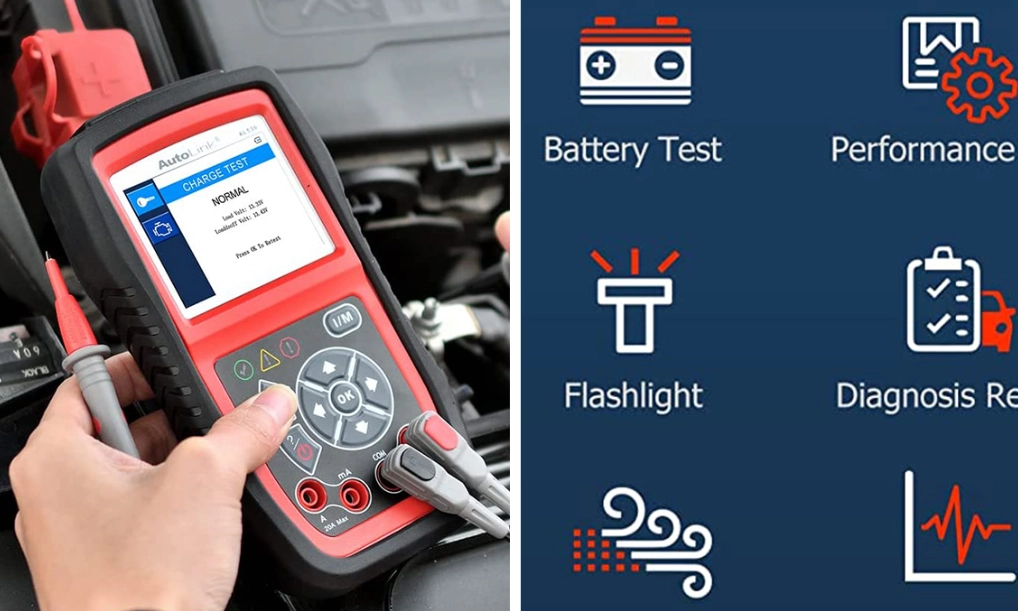
Battery Failure and Alternator Issues
A dead battery is the top reason for roadside assistance calls. Most batteries last 3-5 years. Symptoms of a dying battery include slow engine crank, dimming headlights (especially when idling), and electrical glitches. Here's the subtle part: if your new battery keeps dying, the problem is likely the alternator (which charges the battery) or a parasitic drain (something left on, like a trunk light or a faulty module). A multimeter can test both. A failing alternator might also cause a whining noise.
Blown Fuses and Faulty Wiring
One day your power window stops working. Before you panic about a $300 window motor, check the fuse. Your owner's manual has a fuse diagram. It's a $2 fix. Rodents chewing on wiring harnesses is a shockingly common and expensive problem, causing all sorts of bizarre electrical faults.
Brakes, Suspension & Tires: The Wear-and-Tear Trio
These components are designed to wear out. It's not a matter of if, but when.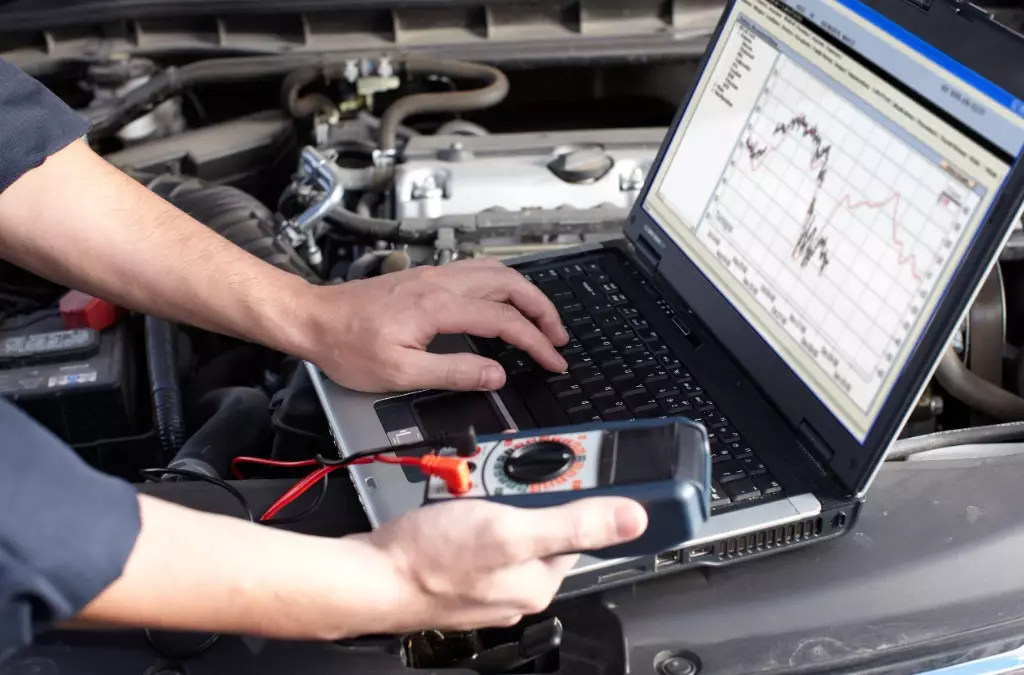
Brake Problems
You'll hear it before you feel it. A high-pitched squeal often means the wear indicators on the brake pads are contacting the rotor. It's a designed warning. A grinding metal-on-metal sound is an emergency—your pads are gone, and you're damaging the rotors. Pulsation in the brake pedal usually means warped rotors. Getting your brakes done at a chain shop? They almost always recommend replacing rotors with pads. On many cars, if the rotors are within thickness spec and aren't badly scored, they can be resurfaced (“turned”) for much less.
Suspension Noises and Worn Components
Clunks and rattles over bumps typically point to worn struts, shock absorbers, or sway bar links. A car that floats or dives excessively when braking also suggests worn shocks. Worn ball joints or tie rod ends are serious safety issues—they can lead to a loss of steering control. If you hear a constant humming noise that changes with speed, it's likely a wheel bearing. Don't ignore it; a seized bearing can lock up a wheel.
Tire Issues
Beyond punctures, the big issues are uneven wear and alignment. If the inside or outside edges of your tires are bald while the center is fine, your alignment is off. This kills tires fast and hurts fuel economy. Check tire pressure monthly. Under-inflated tires create more rolling resistance (wasting gas) and overheat, leading to blowouts.
Other Common Annoyances (Inside and Out)
These won't always leave you stranded, but they degrade your driving experience.
Air Conditioning Failure: On a hot day, this feels like an emergency. The most common cause is a refrigerant leak. The system has seals and hoses that dry out. A recharge might fix it for a season, but finding and fixing the leak is the real solution. A failed compressor is a much costlier fix.
Exhaust System Rust: Especially in areas that use road salt. You'll hear it first—a loud rumbling or hissing from under the car. A small hole in the muffler is one thing; a rusted-out catalytic converter or exhaust manifold is a much bigger bill.
Window Regulators and Door Locks: The little motor that moves your power window up and down fails often. You'll hear a click or grind when you try to use it. Power door lock actuators fail similarly. These are generally straightforward but tedious repairs.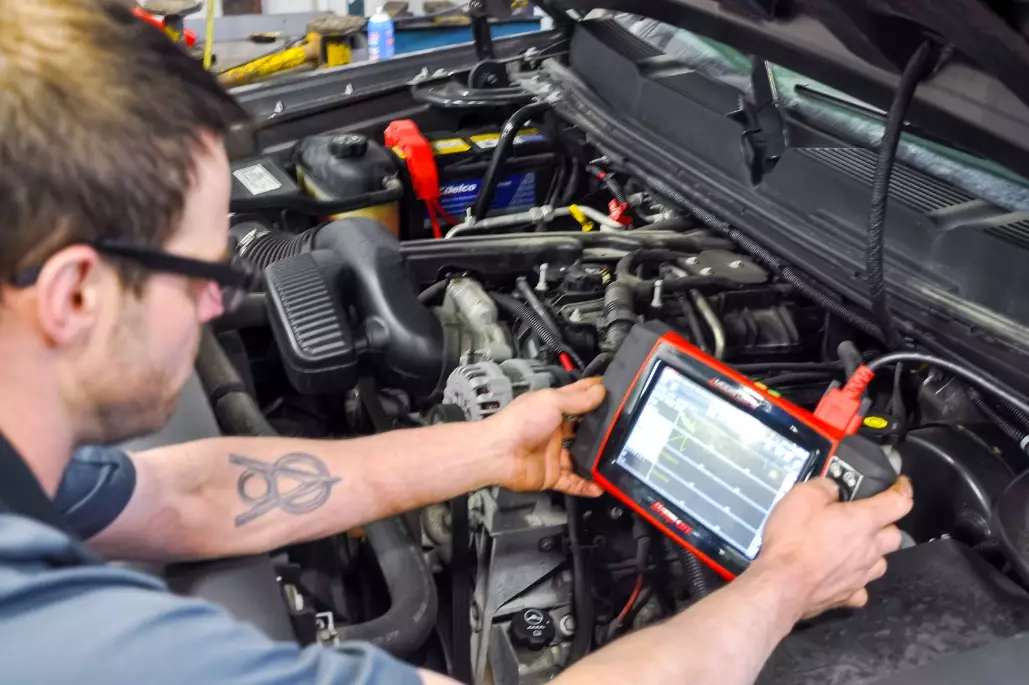
Prevention & Smart Maintenance: Your Best Defense
Fixing problems is one thing. Avoiding them is cheaper and less stressful.
Stick to your manufacturer's maintenance schedule in the owner's manual. This isn't a suggestion; it's the engineer's playbook for longevity. Change your oil and filters on time. Flush critical fluids like coolant and brake fluid at the recommended intervals—they break down over time. Listen to your car. New sounds and feelings are its way of talking to you. Address small issues promptly. A $100 repair now can prevent a $2,000 repair later. Finally, build a relationship with a trustworthy, independent mechanic. Avoid the upsell chains if you can. A good mechanic will explain what's urgent, what can wait, and why.
Your Car Problem Questions Answered
 Is it worth fixing an old car with high mileage, or should I just get a new one?