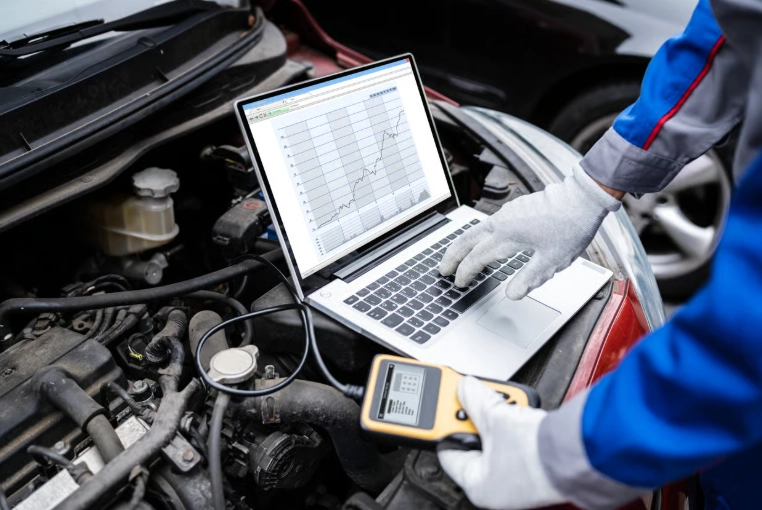
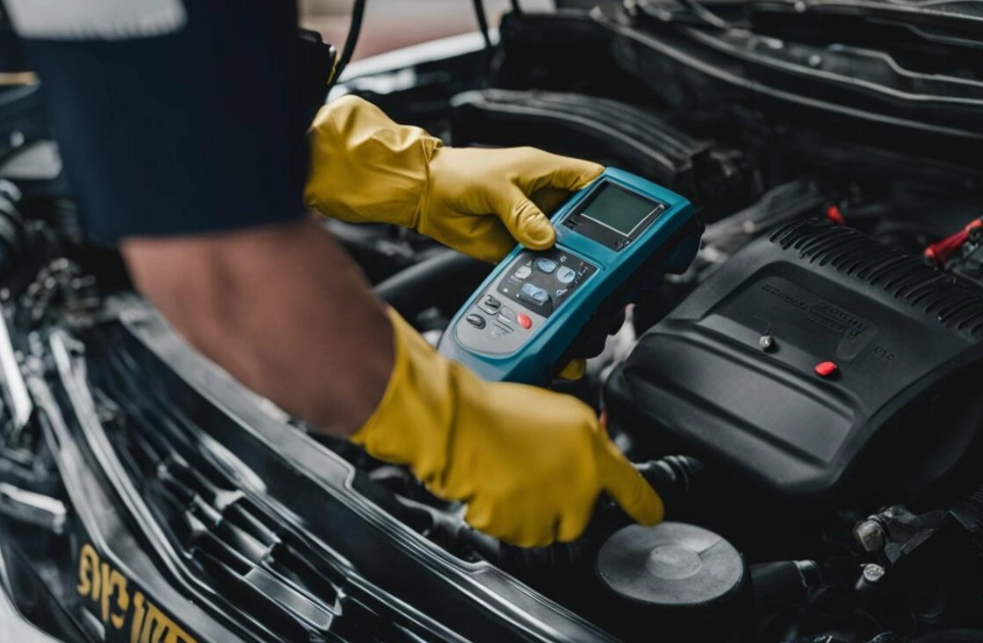
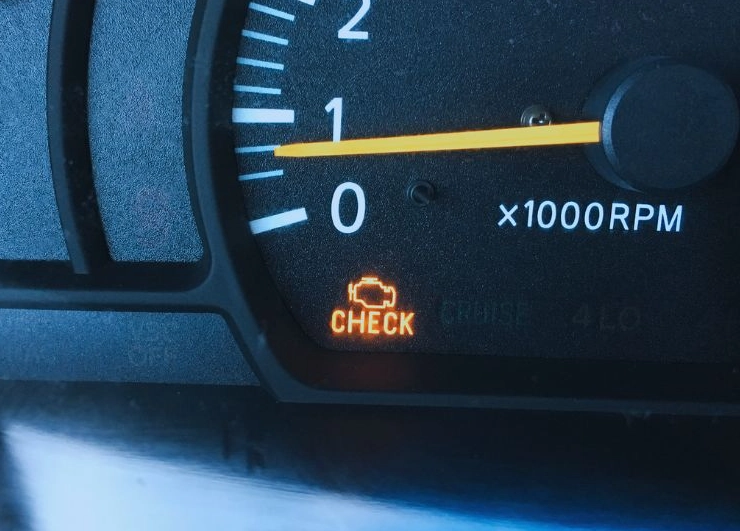
That little orange engine light on your dashboard just lit up. Your stomach drops. The immediate thought is a trip to the mechanic and a bill that could run into the hundreds. What if you could understand what your car is trying to tell you before you ever pick up the phone? Performing a car diagnostic test at home isn't just for professional mechanics anymore. With a sub-$50 tool and some basic knowledge, you can pull fault codes, understand potential issues, and decide with confidence whether it's a quick fix, something you can monitor, or a genuine SOS requiring a pro. This guide cuts through the noise and gives you the exact steps, tools, and insider knowledge to become your car's first responder.
What’s Inside This Guide?
- Why Bother with a Home Car Diagnostic Test?
- The Essential Tool: Choosing Your Home Car Diagnostic Scanner
- How to Perform a Basic Diagnostic Test at Home: A Step-by-Step Walkthrough
- What Do Those Diagnostic Codes Mean? Deciphering P0, B1, and C1
- The Expert’s Corner: Common Home Diagnostic Mistakes You Must Avoid
- Going Deeper: What Your Home Scanner Can’t Always Tell You
- Your Home Diagnostic Questions, Answered
Why Bother with a Home Car Diagnostic Test?
Let's be real. It's about control and money. A diagnostic fee at a shop can range from $80 to $150 just for them to plug in their scanner. When you own the tool, that fee disappears forever. But the value goes deeper.
You get an unbiased first opinion. Is the check engine light for a loose gas cap or a failing catalytic converter? Knowing the code before you call the shop changes the entire dynamic. You're no longer the uninformed customer; you're someone with data. This can prevent unnecessary repairs. I've seen shops recommend immediate oxygen sensor replacement for a P0420 code (catalyst efficiency), when sometimes the real culprit, especially in older cars, is a simple exhaust leak upstream. A home test lets you research the code, check forums for your specific model, and approach the repair with knowledge.
It's also about preventative monitoring. Some scanners can read live data. Watching your engine's fuel trim or oxygen sensor voltages over time can reveal a slowly degrading component long before it triggers a full-blown fault and leaves you stranded.
The Essential Tool: Choosing Your Home Car Diagnostic Scanner
Not all scanners are created equal. The market is flooded with options, from Bluetooth dongles that pair with your phone to advanced handheld units with their own screens. Your choice depends on your comfort level and what you drive.
| Type of Scanner | Best For | Price Range | Key Feature / Limitation |
|---|---|---|---|
| Basic OBD2 Code Reader | Absolute beginners. Just want to read/clear check engine light codes. | $20 - $50 | Reads/clears generic powertrain (P) codes only. No live data. Simple screen. |
| Bluetooth/Wi-Fi OBD2 Adapter + App | Tech-savvy users who want live data and advanced features on a budget. | $30 - $100 (adapter + paid app) | Uses your phone's display. Apps like Torque Pro or OBD Fusion offer incredible data logging and graphing. Requires a good phone app. |
| Advanced Handheld Diagnostic Scanner | DIY enthusiasts with multiple cars, or those wanting ABS/SRS/transmission code access. | $150 - $500+ | Brands like Autel, Launch, or Foxwell. Can access manufacturer-specific codes and other modules (airbags, ABS). More "all-in-one." |
My personal go-to for most people is the Bluetooth adapter route. A Veepeak OBDCheck BLE or OBDLink LX paired with the OBD Fusion app (a one-time $10 purchase) gives you 90% of the capability of a $300 handheld for under $70 total. You can see live sensor data in gauges or graphs, which is invaluable.
One non-consensus tip here: Don't get hung up on the "10,000 functions" marketing. For a home user, reliable connectivity, a clean app interface, and the ability to read freeze frame data (a snapshot of sensor readings when the fault occurred) is more valuable than obscure bi-directional tests you'll likely never use.
How to Perform a Basic Diagnostic Test at Home: A Step-by-Step Walkthrough
Let's run through a real scenario. Your check engine light is on. Here’s what you do, step by step.
Step 1: Locate the OBD2 Port. This is the universal connector mandated for all cars sold in the US since 1996. It's always within 2 feet of the driver's knees. Common spots: under the dash near the steering column, behind a small flip-down panel, or near the center console. It's a 16-pin trapezoid-shaped port. If you're struggling, a quick search for "[Your Car Make/Model] OBD2 port location" on YouTube will show you in 10 seconds.
Step 2: Connect Your Scanner. Plug it in firmly. For a handheld, turn the ignition to the "ON" position (don't start the engine). For a Bluetooth adapter, turn the ignition on, then open the paired app on your phone.
Step 3: Read the Codes. Navigate the scanner menu or app to "Read Codes," "Scan," or similar. The tool will communicate with your car's computer. It will list any stored Diagnostic Trouble Codes (DTCs). Write them down exactly. A code looks like P0304. The first letter indicates the system: P for Powertrain (engine/transmission), B for Body, C for Chassis, U for Network.
Step 4: Research the Codes. This is the critical step. Don't panic at the code. Plug the exact code (e.g., P0304) into a search engine. Add your car's make, model, and year. You'll find forum threads, repair videos, and technical service bulletins. P0304 means "Cylinder 4 Misfire Detected." The cause could be a bad spark plug, a faulty ignition coil, a clogged fuel injector, or even a vacuum leak.
Step 5: Look at Freeze Frame Data. If your scanner supports it, view the freeze frame. This tells you the engine RPM, coolant temp, and load when the code set. Was the car cold? Under heavy acceleration? This context is gold for diagnosis.
Pro Move: Before clearing any codes, take a photo of the code list and the freeze frame data. This is your evidence. If you fix the issue and the light comes back, you have a history.
Step 6: Decide on Action. Based on your research, you can now decide. Is it a simple fix like tightening the gas cap (code P0455)? Is it something you can potentially fix yourself, like replacing a spark plug? Or is it complex, like a transmission code, signaling it's time for a professional diagnosis?
What Do Those Diagnostic Codes Mean? Deciphering P0, B1, and C1
Codes aren't random. They follow a standard. Let's break down P0304.
- P: Powertrain (Engine & Transmission).
- 0: A generic code (standardized across all manufacturers). A 1 here would mean a manufacturer-specific code (e.g., a code only Ford uses).
- 3: The sub-system. In this case, "3" refers to the ignition system or misfire.
- 04: The specific fault. Here, it's misfire on cylinder #4.
Common generic code categories you'll see at home:
- P01xx-P09xx: Fuel and air metering.
- P03xx: Ignition system (misfires).
- P04xx: Auxiliary emissions controls (EVAP system - often gas cap related).
- P07xx-P09xx: Transmission.
A manufacturer-specific code, like P1234 for a Ford, won't be fully detailed in a generic code book. You'll need to search for "Ford P1234" specifically. This is where those advanced scanners or a good app with manufacturer databases can help, but often a web search gets you the answer faster.
The Expert’s Corner: Common Home Diagnostic Mistakes You Must Avoid
After helping friends for years, I see the same errors repeatedly.
Mistake 1: Clearing the code immediately and hoping for the best. This is the biggest one. The car's computer needs to see the fault multiple times over a few drive cycles to turn the light back on. You've just reset the monitor. The problem isn't gone; you've just hidden the symptom. Always diagnose first, clear last.
Mistake 2: Assuming the coded part is the broken part. The code tells you the symptom the computer sees, not always the root cause. A P0171 (System Too Lean) doesn't mean "replace the oxygen sensor." It means the engine is detecting a lean air/fuel mixture. The cause could be a vacuum leak, a dirty mass airflow sensor, a weak fuel pump, or yes, a lazy O2 sensor. The code is the starting point for your investigation, not the finish line.
Mistake 3: Ignoring pending codes. Many scanners show "Pending" or "Intermittent" codes. These are faults that have occurred but not enough times to trigger the steady check engine light. They are early warnings. A pending misfire code is your cue to check spark plugs or coils before you get a hard failure.
Going Deeper: What Your Home Scanner Can’t Always Tell You
It's crucial to know the limits. A basic home diagnostic test won't pinpoint a failing wheel bearing, a worn brake caliper, or a clunking suspension bushing. Those require physical inspection.
Also, while advanced scanners can access ABS or Airbag (SRS) modules, interpreting these codes often requires more specialized knowledge and safety considerations. An SRS light indicates a fault in the airbag system. While you can read the code, the repair often involves dealing with explosive devices (inflators). This is a clear line where a professional should take over.
Similarly, modern cars have complex network systems (CAN bus). A code like U0100 (Lost Communication with ECM) points to a network issue, which could be a wiring problem or module failure, often trickier to diagnose without advanced tools and wiring diagrams.