In This Guide
- The Core Differences: A Side-by-Side Breakdown
- Diving Deeper: Function, Location, and the "Why" Behind It All
- Spotting Trouble: Symptoms and When to Panic
- The Replacement Reality: Cost, Intervals, and Making the Decision
- Common Questions (And Real Answers)
- The Final Verdict: Peace of Mind vs. Financial Ruin
Let's be honest, unless you're a mechanic or a serious car enthusiast, the world under your hood can look like a confusing mess of rubber, metal, and wires. Two of the most commonly confused components are the serpentine belt and the timing belt. People mix them up all the time, and I get it – they're both belts, they're both made of rubber (mostly), and they both seem vitally important when a mechanic starts talking about them. But confusing them is a bit like confusing your heart with your appendix. One keeps you running smoothly every day, while the other's failure, if ignored, can be absolutely catastrophic for your engine's health.
I've seen the aftermath of both failures. A snapped serpentine belt left me stranded on a highway off-ramp on a hot afternoon. Annoying? Absolutely. Expensive tow? Sure. But the car was fundamentally okay once the belt was replaced. A timing belt failure, on the other hand, is a whole different story. I had a friend who ignored the mileage interval on his old Honda, and the belt went. The repair bill was more than the car was worth because the pistons and valves had a meeting they were never supposed to have. That's the core of the serpentine belt vs timing belt conversation: one is an inconvenience, the other is a potential engine killer.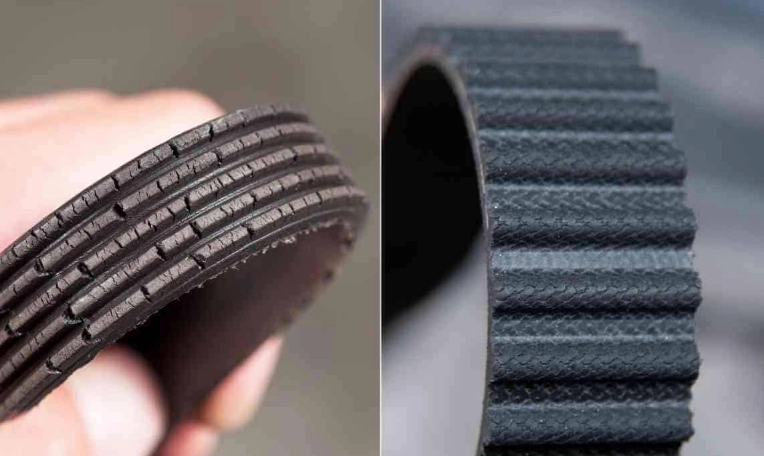
So, what are they? In the simplest terms, the serpentine belt (sometimes called the accessory drive belt or fan belt) is the workhorse that powers your car's peripheral systems from the engine's crankshaft. Think of it as the utility belt. The timing belt (or timing chain in some cars) is the precision conductor inside the engine that synchronizes the crankshaft and camshaft(s). It ensures the engine's valves open and close at the exact right moment during the piston's movement. Mess with the timing, and the engine's internal symphony turns into a destructive racket.
The Core Differences: A Side-by-Side Breakdown
Talking about them is one thing, but seeing the differences laid out clearly can really drive the point home. This table should be your quick-reference guide for the serpentine belt vs timing belt debate.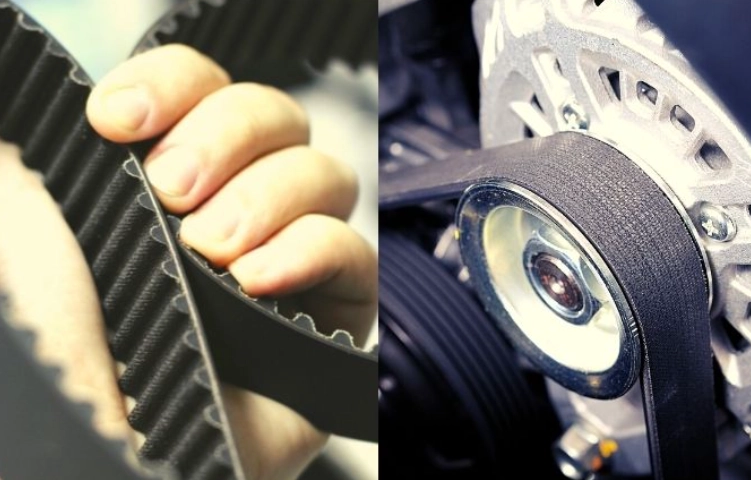
| Feature | Serpentine Belt | Timing Belt |
|---|---|---|
| Primary Function | Drives engine accessories (alternator, power steering pump, AC compressor, water pump). | Synchronizes the rotation of the crankshaft and camshaft(s) for proper valve timing. |
| Location | Externally mounted on the front/side of the engine. Easily visible when you open the hood. | Internally mounted, hidden behind one or more protective plastic or metal covers. |
| Visibility | You can and should inspect it visually and physically for wear. | Cannot be inspected without significant disassembly. Relies on mileage/time intervals. |
| Material & Design | Single, long, ribbed rubber belt. Often has multiple grooves on one side. | Toothed belt (like a gear) made of reinforced rubber with fiber cords. Smooth on the back. |
| Failure Consequence | Loss of accessory power (battery dies, no power steering, overheating risk). Car stops running but engine internals are usually safe. | Catastrophic engine damage. Pistons can collide with valves, bending them and potentially destroying the cylinder head, pistons, or block. |
| Replacement Trigger | Visible wear (cracks, glazing, fraying) or failure. Often 60,000-100,000 miles, but varies. | Strict preventative maintenance based on mileage/time interval (e.g., 60k, 90k, 105k miles). |
| Typical Replacement Cost | $150 - $400 (parts and labor). Simpler job. | $500 - $1,200+ (parts and labor). Complex, labor-intensive job. |
See what I mean? The cost difference alone hints at the complexity and risk involved. That timing belt job is pricey because it's meticulous work. A mechanic friend of mine calls it "preventative surgery" for your engine.
Diving Deeper: Function, Location, and the "Why" Behind It All
The Serpentine Belt: Your Car's Power Grid
Open your hood. That long, snaking, ribbed belt you see spinning when the engine is running? That's the serpentine belt. Its job is purely mechanical power transmission. The engine's crankshaft spins, and this belt transfers that rotation to a series of pulleys connected to vital accessories.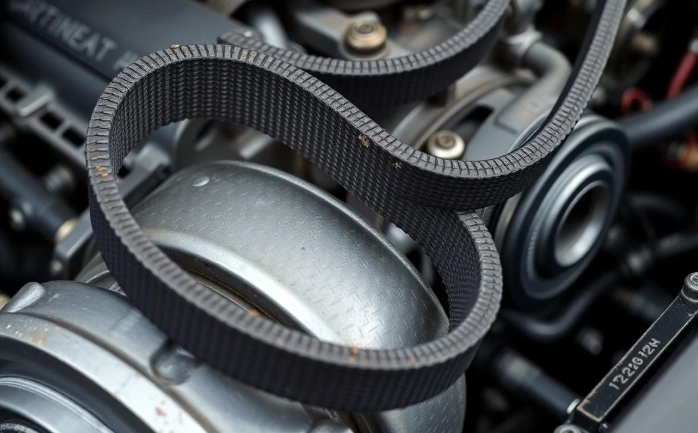
What does it run? Pretty much everything that makes modern driving comfortable and functional:
- The Alternator: This is non-negotiable. The alternator charges the battery and powers the electrical system while the engine runs. If the belt snaps, your battery will drain in minutes, leaving you dead in the water.
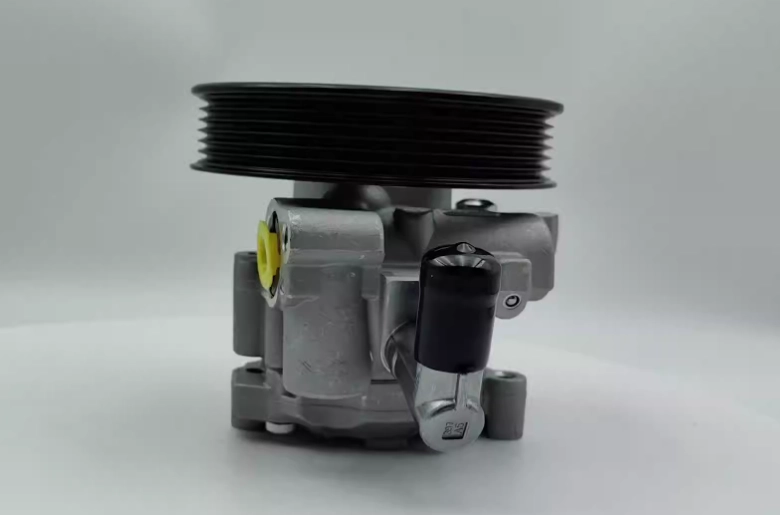
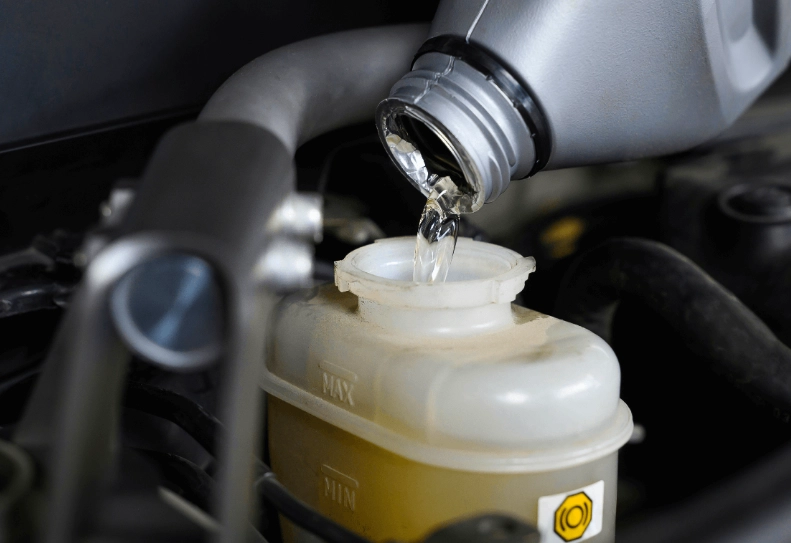
- The Power Steering Pump: No belt, no power assist. The steering becomes extremely heavy, especially at low speeds. It's not impossible to drive, but it's a workout and can be dangerous in tight maneuvers.
- The Air Conditioning Compressor: Say goodbye to cold air. In some routing designs, a failed belt might not affect this independently.
- The Water Pump: This is the critical one. In most modern engine layouts, the serpentine belt drives the water pump. If the belt breaks, the pump stops circulating coolant. Your engine will overheat, and fast. This is why you should never "drive it home" if your serpentine belt breaks – you risk severe overheating damage on top of everything else.
The belt itself is under constant tension from an automatic tensioner (a spring-loaded pulley that keeps it tight). Over time, heat, ozone, and general wear take their toll. The ribs can crack, the material can get glazed and shiny, or it can start to fray at the edges. You can actually check for these things.
The Timing Belt: The Engine's Conductor
Now, let's go inside. The timing belt lives in a dark, hidden compartment, shielded by covers. You can't see it without taking things apart. Its role is one of absolute precision. In an internal combustion engine, the pistons move up and down in the cylinders, and the valves (intake and exhaust) open and close to let air/fuel in and exhaust out. This dance has to be perfectly synchronized. If a valve is open when a piston is at the top of its stroke, they collide.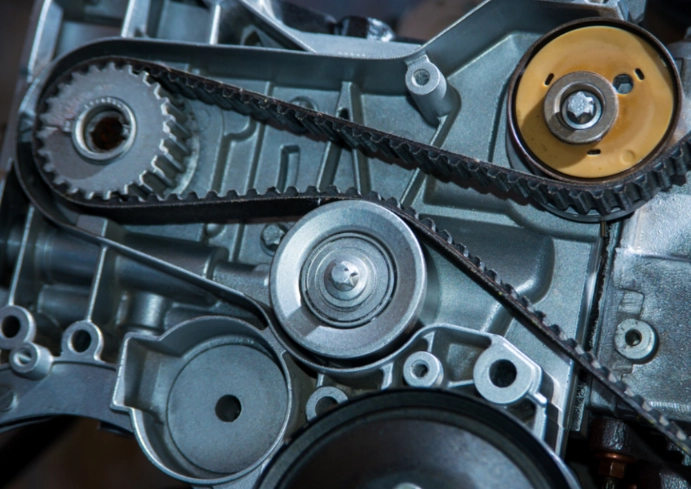
The timing belt's teeth mesh with gears on the crankshaft (which controls the pistons) and the camshaft(s) (which control the valves). This ensures that for every two revolutions of the crankshaft, the camshaft revolves once, opening and closing the valves at the precise millisecond required. Materials science organizations like SAE International have extensive research on the high-performance elastomers and reinforcing fibers needed for this critical component, as it operates in a hot, oily environment with constant stress.
This is why its failure is so bad. Most modern engines are "interference" engines, meaning the space between the piston at the top and the valve at the bottom is minimal. If the timing belt skips a tooth or snaps, that synchronization is lost instantly. The crankshaft and camshaft go out of phase, the valves are in the wrong place, and... crunch. Metal hits metal at high speed. The resulting damage often requires an engine rebuild or replacement.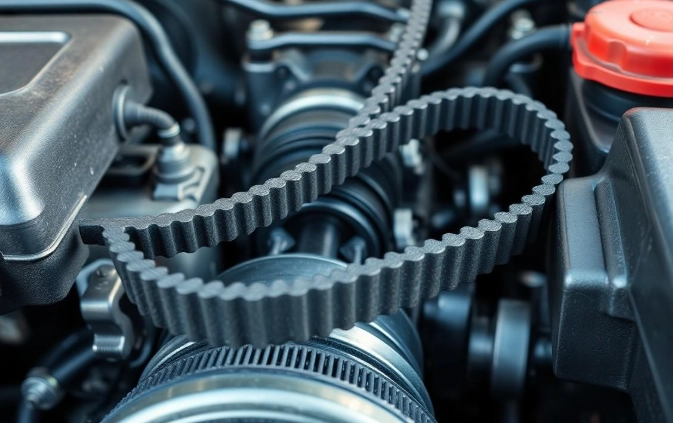
Some cars use a timing chain instead of a belt. Chains are generally more durable and often last the life of the vehicle (though not always – they can stretch or have tensioner issues). They're metal, heavier, and noisier. If your car has a chain, you usually don't have a scheduled replacement, but you might listen for rattling noises indicating wear.
Spotting Trouble: Symptoms and When to Panic
Knowing the symptoms can save you a ton of money and hassle. The signs for each are distinct, reflecting their different functions.
Serpentine Belt Warning Signs
This belt often tells you it's on the way out. You just have to listen and look.
Listen for this:
- Squealing Noise: A high-pitched squeal, especially on startup or when turning on the AC or headlights, is the classic sign. This usually means the belt is slipping on a pulley, often due to wear, loss of tension, or a failing tensioner. The noise might go away after a few minutes as the belt warms up and grips better, but the problem is still there.
- Chirping or Squeaking: A constant chirp that varies with engine speed can point to a misaligned pulley or a belt with hardened grooves.
- Whining from the Tensioner: Sometimes the noise isn't the belt itself but the bearing in the automatic tensioner pulley going bad.
Look for this (with the engine OFF!):
- Cracks (Checking): Small, hairline cracks on the underside (the ribbed side) of the belt are the most common sign of age and drying out. A few are okay, but if you see multiple cracks per inch, it's replacement time.
- Glazing: The belt's surface looks shiny and smooth instead of having a matte, textured finish. This indicates slippage and heat buildup.
- Fraying or Missing Ribs: If the edges are frayed like a piece of rope or if chunks of the ribs are missing, the belt is actively disintegrating. Replace it immediately.
- Material Transfer: You might see black rubber dust around the pulleys or the belt itself looks gouged.
Timing Belt Warning Signs (The Few There Are)
Here's the unsettling truth: there often aren't any. It's a silent assassin. However, in some cases of extreme wear or before a complete failure, you might notice:
- Engine Misfires or Rough Running: If the belt has jumped a tooth or two, the timing will be slightly off. This can cause poor performance, misfires, a rough idle, and a check engine light (often codes related to cam/crank correlation).
- Difficulty Starting: Severe timing misalignment can prevent the engine from starting at all.
- Ticking Noise from the Engine Cover: A failing tensioner or guide pulley might produce a ticking sound from the timing cover area. This is serious and needs immediate inspection.
The Replacement Reality: Cost, Intervals, and Making the Decision
This is where the rubber meets the road, financially speaking. Understanding the serpentine belt vs timing belt cost structure is crucial for budgeting.
Serpentine Belt Replacement
This is a relatively straightforward job for a mechanic. They loosen the tensioner, slip off the old belt, route the new one following a diagram (usually under the hood), and release the tensioner. The job itself might take 30 minutes to an hour. The cost is mostly labor and the belt itself, which is inexpensive.
- Typical Interval: There's no fixed mileage. It's an "as-needed" or inspection-based item. Many mechanics recommend checking it at every oil change and replacing it proactively every 60,000 to 100,000 miles. I tend to agree with a proactive change around 80,000 miles if it looks okay, just for peace of mind.
- Cost Range: $150 - $400. If you're replacing the belt, it's almost always wise to replace the automatic tensioner and idler pulleys at the same time. They wear out too, and if one fails soon after, you're paying for labor all over again. A full kit (belt, tensioner, idlers) might cost $200 in parts, with labor on top.
Timing Belt Replacement
This is a major service item. The mechanic must remove the timing cover(s), which often involves removing other components (motor mount, accessory belts, etc.). They then carefully set the engine to Top Dead Center (TDC), lock the cam and crank gears in place, remove the old belt, and install the new one with precise tension. It's a several-hour job.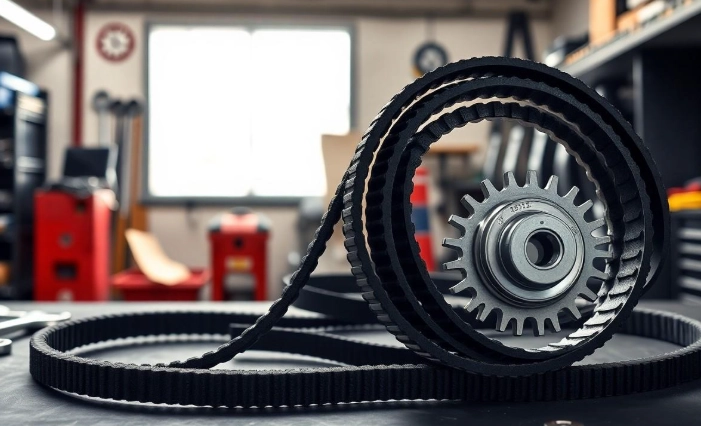
Crucially, this is the golden opportunity to replace other wear items buried in the same area:
- Timing Belt Tensioner and Idler Pulleys: These are mandatory. A new belt with an old tensioner is a recipe for early failure.
- Water Pump: This is almost universally recommended. The labor to access it is already paid for as part of the timing belt job. A water pump failure later would cost nearly as much as the original timing belt job to fix. Replacing it now is cheap insurance.
- Camshaft and Crankshaft Seals: Often replaced proactively to prevent oil leaks.
- Typical Interval: This is non-negotiable. Consult your owner's manual. Common intervals are 60,000, 90,000, 105,000, or 120,000 miles. Some manufacturers also specify a time interval (e.g., 7-10 years) because rubber degrades with age regardless of mileage. The U.S. Department of Energy's maintenance tips often stress following the manufacturer's schedule for major components like this to ensure longevity and efficiency.
- Cost Range: $500 - $1,200+. The wide range depends on the car (some transverse V6 engines are notoriously difficult, requiring half the engine to be moved), the shop's labor rate, and what's included in the "kit." A full kit with belt, tensioner, pulleys, and water pump is the way to go. Get a quote for the full job, not just the belt swap.
I made the mistake once of buying a car with an unknown timing belt history. The first thing I did was get it replaced. The $900 sting was far better than the $4000+ alternative.
Common Questions (And Real Answers)
Common Questions (And Real Answers)
Serpentine Belt: Maybe, if you're moderately handy. You need basic tools, the correct belt, and the routing diagram (Google is your friend). The trick is safely compressing the tensioner. A long breaker bar or a specific tensioner tool is needed. If you're unsure, don't risk it. An improperly routed belt can shred instantly.
Timing Belt: For 99% of DIYers, no. This is professional-level work. The precision required is extreme. A mistake of one tooth in alignment can cause poor performance and eventual damage. No special tool? Wrong torque on a bolt? You could be looking at an engine rebuild. Pay the professional.
Replace the serpentine belt (and inspect the tensioner/pulleys). The two systems are completely independent. A serpentine belt failure has no direct bearing on the timing belt's condition. However, if your timing belt is due by mileage or age, its replacement should be your next priority, separate from the serpentine belt issue.
The surefire ways: 1) Check your owner's manual. 2) Call a dealership parts department with your VIN. 3) Search online for "[Your car year, make, model] timing belt or chain." As a very rough rule of thumb, many older four-cylinder and V6 engines used belts, while many modern engines, especially larger V8s, use chains. But there are endless exceptions, so verify.
Yes, the vast majority of modern transverse (sideways-mounted) engines route the serpentine belt around the water pump pulley. This is a key reason a serpentine belt failure is an immediate stop-driving event. Always check your specific routing.
YES. A visual inspection of the backside of the belt (if they saw it) only reveals surface condition. The internal reinforcing cords, which bear the load, can be fatigued and ready to snap with no external sign. Adhere to the interval. It's the only safe way.
The Final Verdict: Peace of Mind vs. Financial Ruin
Wrapping your head around the serpentine belt vs timing belt distinction is one of the most financially savvy things you can do as a car owner. It moves you from a state of fear and confusion to one of informed control.
Think of the serpentine belt as routine maintenance. It's an item you monitor, and when it shows wear, you fix it. It's the belt that keeps your daily comforts and necessities running. Its failure is a bad day, but rarely a financial catastrophe.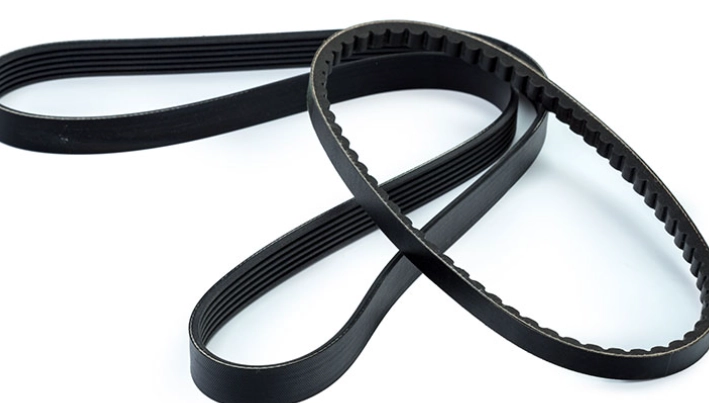
The timing belt is different. It's a strategic, scheduled replacement. You don't wait for symptoms. You mark the mileage in your calendar and you budget for it. You treat it with the seriousness of changing the locks on your house before a break-in happens. Its failure is often a terminal event for the engine.
Ignoring the serpentine belt might leave you sweaty and stranded on the side of the road. Ignoring the timing belt might leave you with a car that's only fit for the scrapyard. Now that you know the difference, you can make the right call and keep your car running smoothly for years to come.