Let's be honest. Replacing your home air filter probably ranks somewhere between cleaning the gutters and organizing the garage on your list of fun household tasks. It's easy to forget, and when you remember, it feels like a chore shrouded in mystery. What size? What type? How often? I've been there. I once went a whole year without changing mine because I couldn't find where it was installed (it was behind a ceiling vent, of all places). My HVAC system sounded like it was gasping for air, and my energy bill was a silent scream. That experience taught me that this simple task is one of the most impactful pieces of home maintenance you can do. It's not just about dust; it's about your health, your wallet, and the lifespan of a very expensive piece of equipment.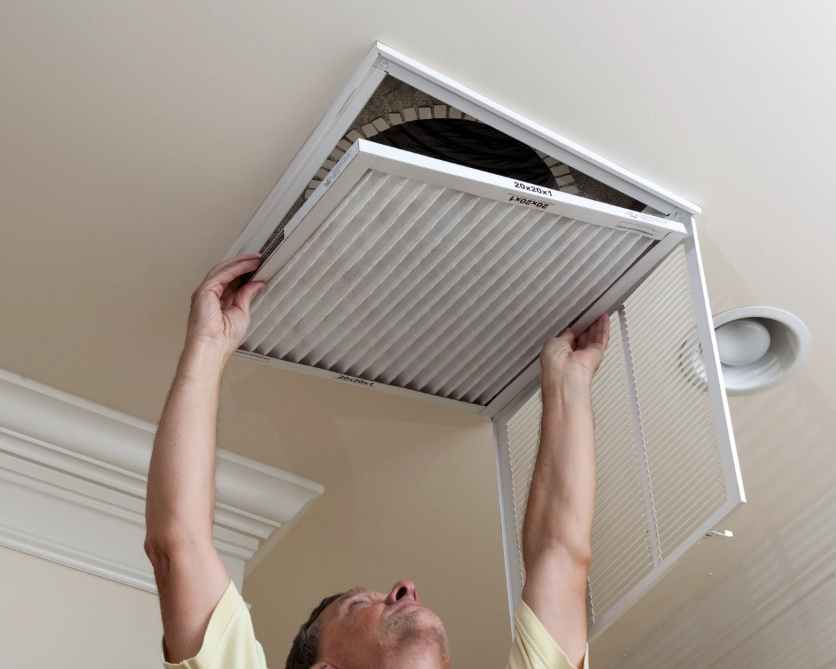
Your Quick Filter Fix Roadmap
Why Bother? The Real Cost of a Dirty Filter
Think of your HVAC system as the lungs of your house. The air filter is its mask. A clogged mask makes breathing laborious. For your system, that strain translates directly into problems you can hear, feel, and pay for.
The immediate impact: Reduced airflow. Your blower motor has to work harder to pull air through a mat of dust, pollen, and pet hair. This isn't just inefficient; it's stressful on the motor, leading to premature wear. You might hear more whining or rattling from your furnace or air handler.
Then there's the energy bill. The U.S. Department of Energy states that replacing a dirty filter with a clean one can lower your air conditioner's energy consumption by 5% to 15%. For a furnace, the savings are similar. Over a season, that's real money left on the table because of a $15 part.
But beyond mechanics and money, there's the air you breathe. A filter that's past its prime stops capturing allergens, mold spores, and even some bacteria. If anyone in your home suffers from allergies or asthma, a clean filter is a non-negotiable line of defense. It's not about achieving sterile, hospital-grade air; it's about preventing the constant recirculation of irritants that a fresh filter would otherwise trap.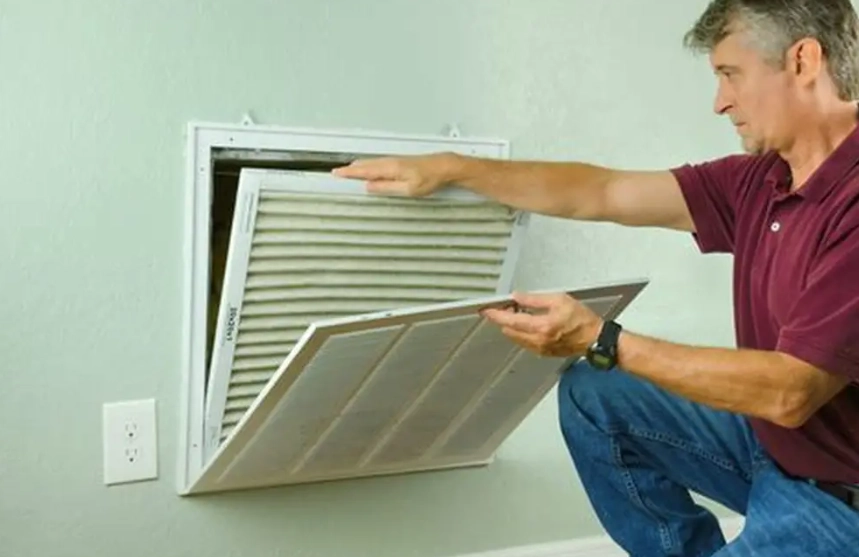
Step 1: Locate Your Air Filter (All the Usual & Not-So-Usual Spots)
This is where many people get stuck. The filter is always in the return air duct, the large duct that sucks air from your home back to the HVAC unit to be conditioned. But where along that duct?
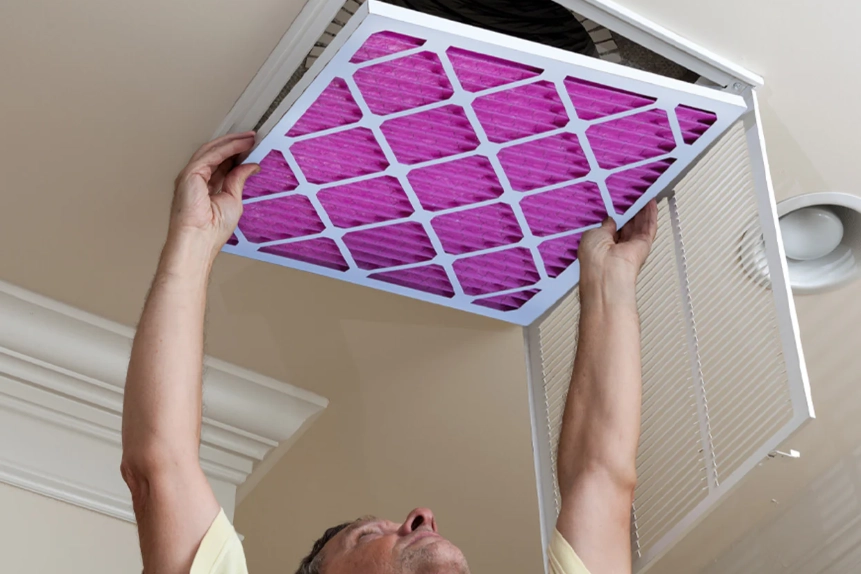
The most common location is in the wall or ceiling, behind a large grilled return air vent. These vents are usually larger than your supply vents and don't blow air out. Pop the grill off (it might be held by screws or just friction clips), and the filter should be right behind it.
The second most common spot is inside the HVAC unit itself—either the furnace or the air handler. Look for a service panel on the side of the unit where the large ductwork connects. There will often be a slide-out rack. Pro Tip: Turn the system's power off at the thermostat before opening any panels on the unit itself.
Less common but worth checking: In some homes, especially with older systems or unique layouts, the filter slot might be in the basement ceiling where the return duct drops down, or even in a hallway closet that houses the unit. If you're truly lost, your furnace's manual or a quick online search of the model number can point the way.
What You Need to Know Before You Buy
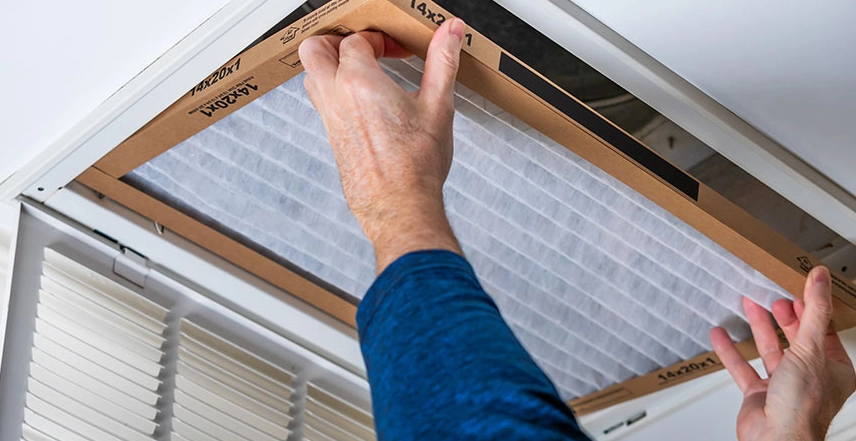
Once you've found it, don't just pull it out and guess. You need three pieces of information, almost always printed on the cardboard frame of the old filter:
- Nominal Size (e.g., 16x25x1): This is the rounded-off, "close enough" size sold in stores. It's what you'll shop for.
- Actual Size: Sometimes listed, it's the exact measurement. A 16x25x1 filter might actually be 15.5 x 24.5 x 0.75. Don't worry if the new one is a hair smaller; it's designed to fit.
- Airflow Direction Arrow: This is critical. The arrow must point toward the furnace/air handler and away from the return duct. It shows the direction of airflow. Circle this arrow with a marker or take a photo before you remove the old filter.
Step 2: Decoding Filter Types: From Basic to HEPA
Walk down the filter aisle, and you're bombarded with choices. It's not one-size-fits-all. The right choice balances air cleaning, airflow, and your system's capability.
| Filter Type | What It Catches | Best For | Key Consideration |
|---|---|---|---|
| Fiberglass (1" Pleated) | Large dust, lint, debris. Basic protection for the equipment. | Rental units, vacant homes, systems with very weak airflow. | Lowest resistance, but does almost nothing for air quality. It's just a dust guard for the motor. |
| Standard Pleated (Polyester/Cotton) | Dust, pollen, mold spores, pet dander. | Most homes with standard systems. The everyday workhorse. | Look for a MERV rating between 8 and 11. This offers a great balance of filtration and airflow. |
| High-Efficiency Pleated (MERV 13+) | All of the above, plus smoke particles, some bacteria. | Households with severe allergies, asthma, or in areas with poor outdoor air quality. | Warning: Can restrict airflow. Only use if your system is designed for it (check manual) or you have a variable-speed blower. |
| Electrostatic/Washable | Similar to standard pleated. | Those wanting to reduce waste and long-term cost. | Must be cleaned perfectly and dried completely to prevent mold growth inside the filter itself. I'm not a fan for this reason. |
My take on MERV ratings: Everyone obsesses over the highest number. Don't. The EPA recommends MERV 8-13 for most homes. Going to a MERV 13 or 16 filter is like putting a thick, dense sponge in your system's intake. If the blower isn't strong enough, you're back to the airflow and strain problems we started with. The sweet spot for 1" filters is MERV 8-11. If you need hospital-grade filtration, you need a thicker, 4"-5" media filter cabinet installed by a pro.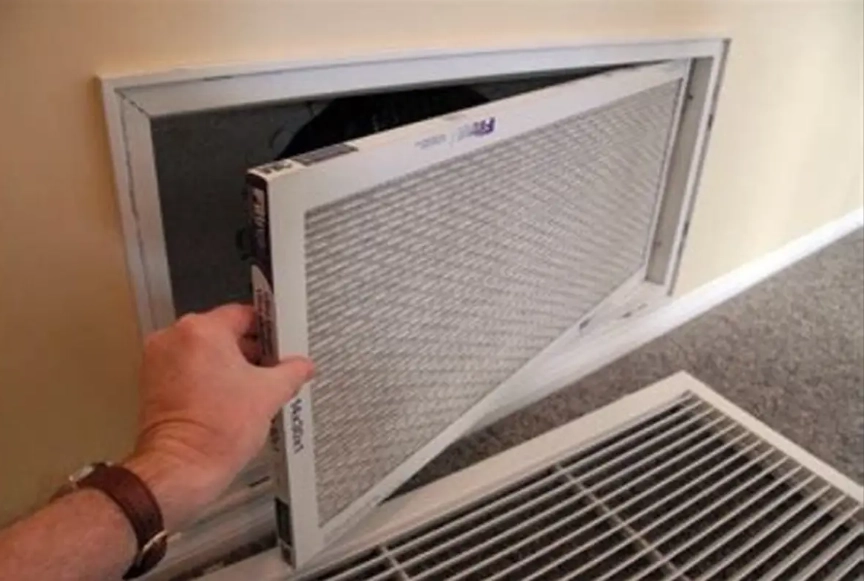
Step 3: The Foolproof Replacement Process
You've found it, you've bought the right one. Now for the 5-minute swap.
- Turn the system OFF at the thermostat. This prevents the fan from kicking on and blowing debris into the ducts or sucking in loose dust while the filter is out.
- Carefully remove the old filter. Note the direction of the arrow. Carry it straight to a trash bag to avoid spilling dust.
- Take a quick moment to wipe out the filter slot or the inside of the vent grill with a damp cloth. You'd be surprised how much dust settles there.
- Insert the new filter, making absolutely sure the arrow points toward the furnace/air handler. If the arrow says "AIR FLOW," it points in the direction the air flows.
- Secure the vent grill or close the service panel.
- Turn the system back on at the thermostat.
That's it. The whole job. Set a reminder on your phone for 90 days from now. I use the first day of each season as my reminder: New Year's Day, April 1st, July 1st, October 1st. Easy to remember.
What Most Guides Won't Tell You: Common Replacement Pitfalls
After helping dozens of neighbors and friends with this, I see the same mistakes over and over.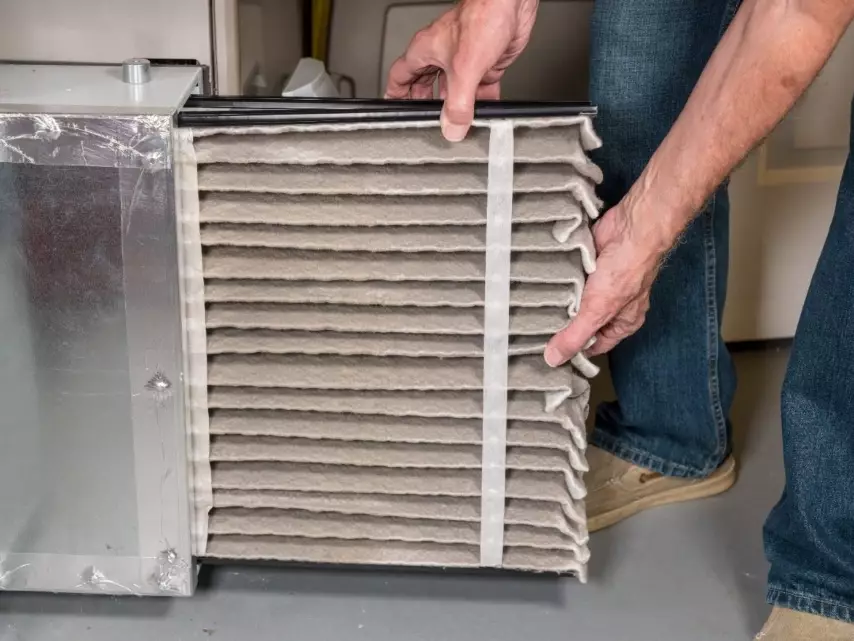
The "Close Enough" Arrow: Putting the filter in backwards is the #1 error. The arrow isn't a suggestion. A backwards filter dramatically reduces its efficiency and can cause dust to cake on the wrong side. If you're not 100% sure, look at the old filter you just took out or trace the duct: air comes FROM the house, goes INTO the furnace.
Ignoring the thickness: That 1" slot is for a 1" filter. Don't try to cram a 4" filter in there. Conversely, don't use a 1" filter if you have a 4" media cabinet. You'll destroy the intended airflow dynamics.
Forgetting the other filters: Many homes have a second filter at the HVAC unit even if there's one at the return vent. Some window AC units and portable air purifiers also have filters that need regular changes. Do a full audit once a year.
Not writing the date: Use a permanent marker to write the installation date on the filter's edge. When you're wondering, "Did I change this in June or August?" you'll have your answer.
Your Filter Questions, Answered
How often should I really change my home air filter?
The standard advice is every 90 days. That's a decent average, but it's a starting point, not a rule. In my house with two dogs and people coming and going, I change mine every 45-60 days during peak summer and winter. No pets and a single occupant? You might stretch to 120 days. The best test is the visual check. If it looks gray and dusty, it's time. A clean filter is typically white or off-white.
Can a dirty air filter increase my energy bills?
Significantly. A clogged filter forces your HVAC system to work harder to move air, like running with a cloth over your mouth. The U.S. Department of Energy estimates this can waste 5-15% of the energy used for heating and cooling. Over a year, that can easily add up to over $100 in unnecessary costs for the average home, just for neglecting a $15 part.
Is a more expensive air filter always better for replacement?
No, and this is a critical misunderstanding. A "better" filter usually means a higher MERV rating and denser material. If your system's blower isn't designed for that added resistance, you're hurting performance. The expensive filter might trap slightly more, but the reduced airflow means less air is actually being filtered, and your system strains. Stick with the MERV rating recommended in your HVAC manual (usually 8-11 for standard 1" filters). The best filter is the one with the right balance for your specific system that you remember to change regularly.
 I can't find a filter that matches my exact size. What should I do?
First, double-check you're reading the nominal size (like 16x25x1), not the exact measurement. If the nominal size is truly non-standard (e.g., 17x28x1), you have two options. Many hardware stores and sites like Amazon sell custom-cut filters. Alternatively, you can use a slightly smaller filter. A 16x25x1 filter will fit in a 17x28 slot, but it will allow unfiltered air to pass around the edges, which is far from ideal. The custom route is better for performance and protecting your equipment.
What's the difference between changing a furnace filter vs. an AC filter?
In most central forced-air systems, it's the same filter. The air handler (which contains the blower) circulates air for both heating and cooling. So, when you change your "furnace filter" in the winter, you're also setting up your "AC filter" for the summer. The key is maintaining that single filter year-round, regardless of the season.
Replacing your home air filter isn't glamorous, but it's a profound act of simple, preventive care. It protects a major investment, puts money back in your pocket, and quietly improves the environment your family lives in every day. Take the 10 minutes this weekend to check yours. Your furnace—and your sinuses—will thank you.