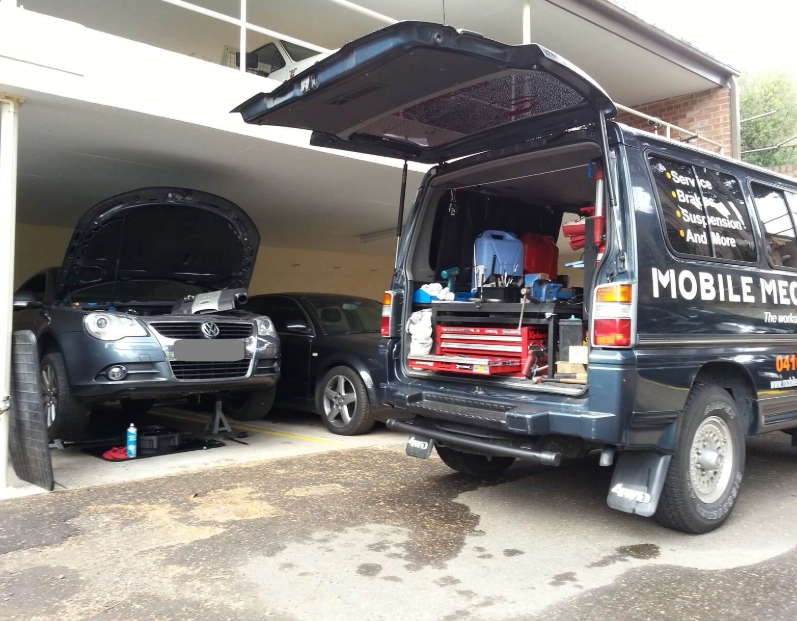
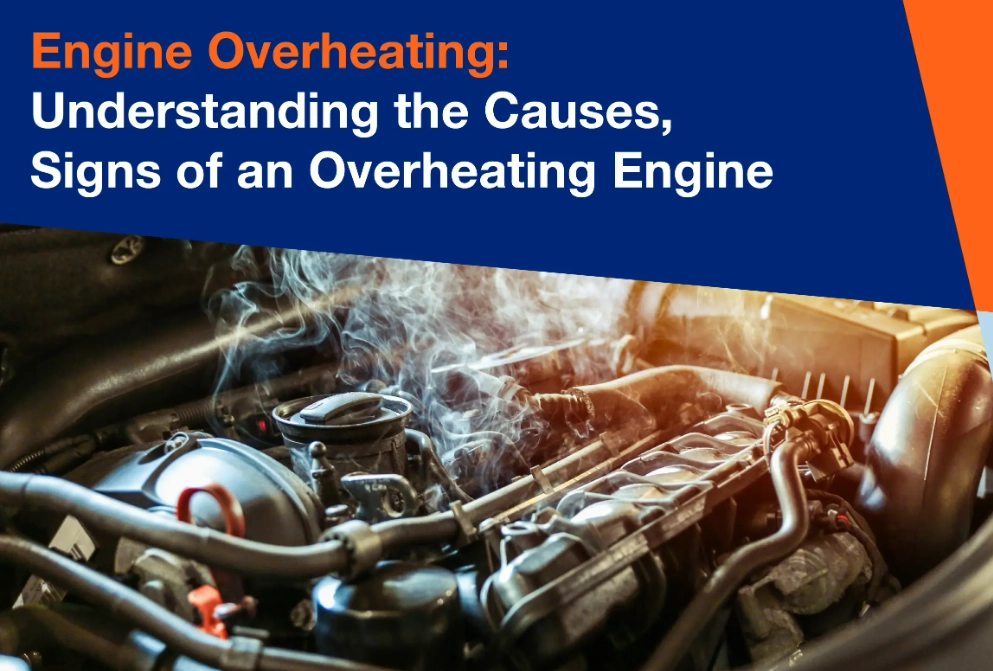
That temperature gauge creeping into the red, or worse, steam billowing from under the hood – it's a moment of pure automotive dread. Your first panicked thought is usually, "How much is this going to cost me?" The short, frustrating answer is: it depends wildly. A simple thermostat swap might set you back $200, while a warped cylinder head could spiral into a $2,000+ nightmare. I've been fixing cars for over a decade, and I can tell you the cost to fix an overheating car isn't a single number. It's a puzzle where the biggest piece is figuring out why it's overheating in the first place. This guide will walk you through the common culprits, give you realistic price ranges (parts and labor), and share some hard-earned advice on how to navigate this repair without getting burned.
What's Inside This Guide
- What Causes a Car to Overheat? (The Usual Suspects)
- How Much Does It Cost to Fix an Overheating Car?
- Why Repair Costs Vary So Much: Labor, Parts & Your Car
- What to Do Right Now If Your Car is Overheating
- How to Prevent Overheating & Save Money Long-Term
- Your Overheating Questions, Answered by a Mechanic
What Causes a Car to Overheat? (The Usual Suspects)
Think of your car's cooling system as a pressurized, liquid-based air conditioning system for the engine. A failure in any link of that chain causes heat to build up. Here are the most frequent offenders, from cheap to catastrophic.
The Cooling System Leak
This is the number one cause. Coolant (antifreeze) has to stay in the system to do its job. A leak means less coolant, which means less heat transfer. Leaks can spring from:
- Radiator: Corrosion or physical damage from road debris.
- Hoses: The upper and lower radiator hoses get brittle with age and heat.
- Water Pump: The pump has a "weep hole" that leaks when its internal seal fails.
- Heater Core: Less common but notorious for causing a sweet smell inside the cabin and foggy windows.
Thermostat Failure
The thermostat is a temperature-controlled valve. It stays closed when the engine is cold to help it warm up quickly, then opens to let coolant flow to the radiator. If it sticks closed, coolant circulates only in the engine block, causing rapid overheating. It's a cheap part, but the labor to access it can vary.
Water Pump Failure
The water pump is the heart of the system. It's usually driven by a belt (timing belt or serpentine belt). If its impeller blades break or the bearing fails, coolant stops circulating. You might hear a grinding noise before it goes. Replacing it is often a mid-range job.
Radiator Fan Problems
When you're idling or moving slowly, there's no airflow through the radiator. The electric fan (or fans) are supposed to kick on. If the fan motor dies, the relay fails, or the temperature sensor sending the signal is broken, the car will overheat in traffic but might be fine on the highway. A very common and often overlooked issue.
How Much Does It Cost to Fix an Overheating Car?
Let's get to the numbers. These are national averages combining parts and labor. Your local shop rates and specific vehicle will change this. I've based this on common sedan/SUV models. Luxury or performance cars will be higher.
| Problem / Repair | Typical Parts Cost | Typical Labor Cost | Total Cost Range |
|---|---|---|---|
| Thermostat Replacement | $20 - $80 | $100 - $250 | $120 - $330 |
| Coolant Hose Replacement (one) | $30 - $100 | $50 - $150 | $80 - $250 |
| Radiator Fan Motor Replacement | $100 - $300 | $100 - $200 | $200 - $500 |
| Water Pump Replacement | $100 - $400 | $200 - $500 | $300 - $900 |
| Radiator Replacement | $300 - $700 | $150 - $350 | $450 - $1,050 |
| Head Gasket Replacement | $500 - $1,000 | $1,200 - $2,500 | $1,700 - $3,500+ |
Remember, these are for fixing the root cause. The initial diagnosis might involve a pressure test ($50-$100) to find a leak or a block test ($80-$150) to check for a blown head gasket.
Why Repair Costs Vary So Much: Labor, Parts & Your Car
You see the ranges above. Why is a water pump job $300 for one person and $900 for another? A few key reasons.
Labor Rates & Location: Shop rates vary from $80/hour to $150+/hour depending on your city and whether it's a dealership or independent shop. A water pump buried behind the timing cover on an interference engine takes 4-6 hours. On an older car with an external pump, it might be 1.5 hours.
Parts Quality: You can buy a no-name water pump online for $50 or an OEM (Original Equipment Manufacturer) one for $250. The cheap one might last 20,000 miles. The OEM one should last another 100,000. I generally advise against the absolute cheapest parts for critical components like pumps and thermostats.
The "While You're In There" Tax: This is a real thing and often smart. If the mechanic is already spending 5 hours to get to your timing-belt-driven water pump, replacing the timing belt, tensioner, and idler pulleys while everything is apart adds maybe $200 in parts but saves you $500 in future labor. It's an upsell, but a logical one.
Your Vehicle: A 2010 Honda Civic is famously easy to work on. A 2015 BMW with a turbocharged engine packed tightly under the hood? Every job takes longer and requires more specialized tools.
What to Do Right Now If Your Car is Overheating
You're driving and the gauge shoots up. Don't panic, but act immediately.
- Turn on the heater to maximum heat and fan speed. This sounds crazy, but it's your best short-term fix. It pulls heat from the engine coolant into the cabin, acting as a secondary radiator. It will buy you a few minutes.
- Safely pull over and shut off the engine. Do not keep driving. Continuing to drive an overheating engine is the surest way to turn a $300 repair into a $3,000 one.
- Do not open the radiator cap. The system is under extreme pressure. Opening it will cause scalding hot coolant and steam to erupt violently. Wait at least 30-45 minutes for everything to cool completely.
- Call for a tow. This is what roadside assistance is for. Have it towed to your home or a trusted mechanic. Trying to "limp it" the last two miles is a gamble you will likely lose.
How to Prevent Overheating & Save Money Long-Term
An ounce of prevention is worth a pound of cure, especially when the cure involves a cylinder head.
Follow the Coolant Service Interval. This isn't a suggestion. Over time, coolant loses its anti-corrosion properties and becomes acidic, eating away at seals and aluminum components. Refer to your owner's manual – it's usually every 5 years or 60,000-100,000 miles. A coolant flush costs $100-$150. A new radiator costs $450+.
Inspect Hoses and Belts Annually. When you get your oil changed, ask them to show you the coolant hoses. Look for cracks, bulges, or soft spots. Check the drive belt that runs the water pump for cracks and glazing. Replacing a $40 hose preemptively is cheap insurance.
Keep an Eye on the Coolant Reservoir. Check the level when the engine is cold. If it's consistently low, you have a slow leak. Find it and fix it before it becomes a big problem.
Clean the Radiator. Bugs, leaves, and road grime clog the fins of the radiator (and the AC condenser in front of it), reducing airflow. A gentle spray from a hose from the engine side outward during a wash can help. For severe clogging, a professional cleaning might be needed.
Your Overheating Questions, Answered by a Mechanic
 My car only overheats when the AC is on or when I'm idling. What's wrong?
 The final bill for fixing an overheating car comes down to a fast and accurate diagnosis. Don't let a shop just throw parts at it. A good mechanic will start with a visual inspection, then a pressure test, and go from there. Ask questions, understand the quote, and remember that the cheapest fix isn't always the most cost-effective one if it uses poor-quality parts. Your cooling system is not something to gamble with. Treat it well, and it will keep your engine running cool and your wallet from overheating.