In This Guide
- What Is a Coolant Flush Chemical, Really?
- The Big Decision: When Do You Actually Need One?
- Navigating the Aisle: Types of Coolant Flush Chemicals
- The Right Way to Use a Coolant Flush Chemical: A Step-by-Step Walkthrough
- Safety and Environmental Considerations You Can't Ignore
- Answers to the Questions You're Actually Asking (FAQ)
- Wrapping It Up: Making an Informed Choice
Let's be honest, most of us don't think about our car's coolant until the temperature gauge starts creeping into the red. Out of sight, out of mind, right? But that colorful liquid sloshing around in your radiator and engine block is doing a heroic job, day in and day out, fighting corrosion, preventing freezing, and most importantly, carrying away massive amounts of heat. Over time, it gets tired. It gets dirty. It loses its mojo.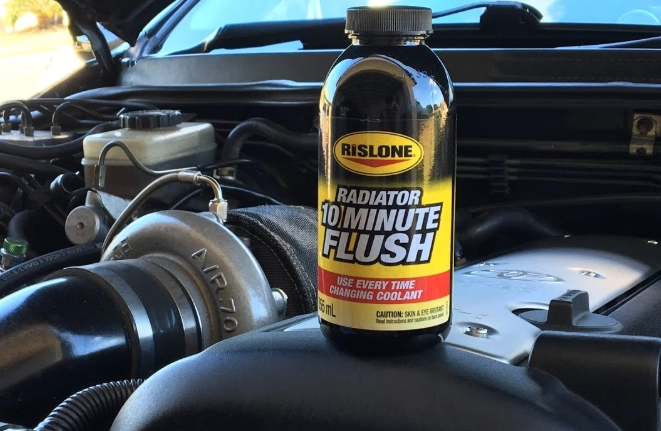
That's where the idea of a flush comes in. You drain the old, you put in the new. Simple. But if you've ever looked at the gunk left in the bottom of an old radiator, you know it's rarely that clean. Scale, rust, and sludge love to stick around. This is the exact moment you might find yourself staring at a shelf full of bottles labeled "Coolant Flush Chemical" or "Radiator Flush," wondering what on earth they are and if you really need one.
I've been there. I've used them, I've skipped them, and I've even (regrettably) used the wrong type once. So let's clear the air and the coolant passages. This isn't about pushing a product; it's about understanding a tool. When it works, it's brilliant. When it's misused, it can cause headaches you don't need.
What Is a Coolant Flush Chemical, Really?
Strip away the marketing, and a coolant flush chemical is essentially a specialized cleaning agent designed to break down and suspend the contaminants living in your cooling system. Think of it like a heavy-duty detergent for your engine's plumbing. While fresh coolant has anti-corrosion properties, it's not primarily designed to *remove* years of built-up gunk. That's the flush chemical's job.
But what exactly goes into that bottle? It's not just one thing. Formulations vary, but they generally aim to tackle the main enemies inside your cooling system:
- Mineral Scale and Deposits: Hard water minerals that cake onto hot surfaces, acting like a cozy insulating blanket (which is the last thing your engine needs).
- Rust and Oxidation: The classic orange-brown sludge, usually from iron components in the engine block and radiator.
- Oil and Grease: Sometimes coolant gets contaminated by a leaking oil cooler or gasket. This is a bad sign on its own, but the flush can help clean up the mess after the repair.
- Old, Degraded Coolant Additives: The silicates and other inhibitors in coolant can drop out of solution and form a gritty gel.
So why not just use vinegar or a homemade solution? I get this question a lot. While mild acids like vinegar can dissolve scale, a proper coolant flush chemical is engineered for balance. It needs to be strong enough to work, but safe enough for the variety of metals (aluminum, iron, copper, brass) and materials (rubber hoses, plastic tanks, silicone gaskets) in a modern cooling system. Getting that balance wrong is how you end up with leaks or worse.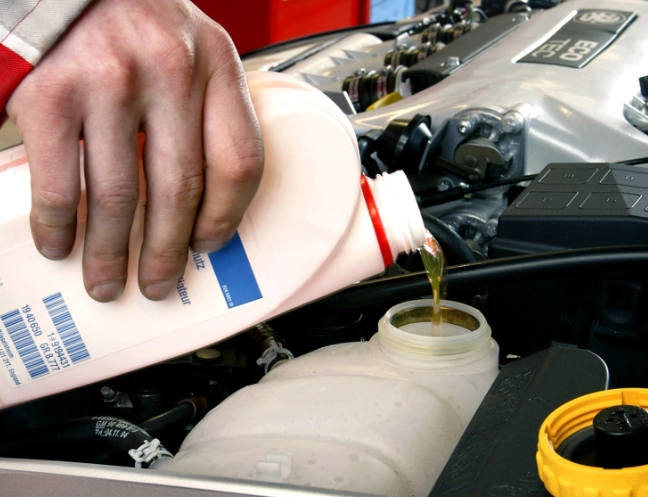
The Big Decision: When Do You Actually Need One?
This is the million-dollar question. The coolant flush chemical industry would love for you to use one every time you change your coolant. But is that necessary? Not always. Here’s my take, based on a lot of messy drain pans and conversations with mechanics.
You Probably NEED a Coolant Flush Chemical If:
- You're performing a coolant change on a high-mileage vehicle where the coolant's history is unknown. (Bought a used car? This is you.)
- You see visible contamination in the old coolant—brown, rusty sludge, oil sheen, or excessive grit.
- The vehicle has a history of overheating for which no other cause (thermostat, water pump, radiator) has been found. Restricted flow from internal crud could be the culprit.
- You're switching coolant types (e.g., from a conventional green coolant to an OAT Extended Life coolant like Dex-Cool). A clean system is critical to prevent additive conflicts.
- The manufacturer's maintenance schedule specifically calls for a cleaning procedure. Some do, especially for certain engine types prone to sludge.
You Can LIKELY SKIP the Flush Chemical If:
- You're doing a routine, time-based coolant change on a well-maintained vehicle and the old coolant drains out looking relatively clean and bright.
- The car is very new or has had regular, documented coolant services.
- You're just topping off the system or doing a minor repair that only involved losing a small amount of coolant.
I learned this one the hard way years ago. An old Jeep of mine was running a bit warm. I threw in a flush chemical, ran it, and suddenly had a new waterfall feature from the radiator. The chemical cleaned out the corrosion that was sealing a tiny leak. My quick fix turned into a new radiator job. Lesson learned.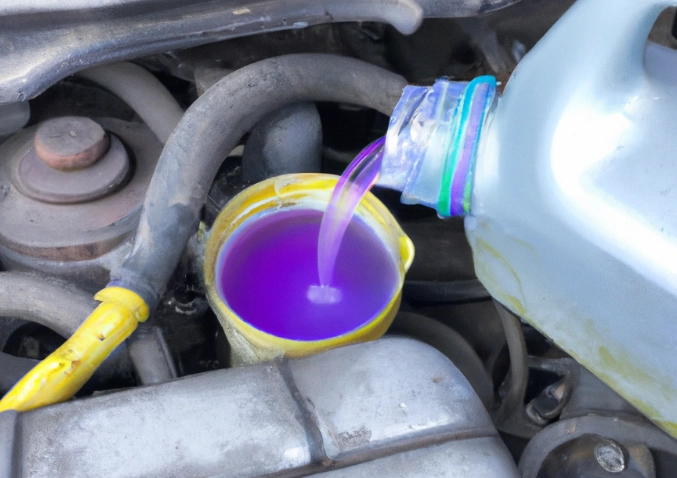
Navigating the Aisle: Types of Coolant Flush Chemicals
Not all cleaners are created equal. Picking the right one is more important than just grabbing the shiniest bottle. They generally fall into a few categories based on their chemical approach.
| Type | How It Works | Best For | Watch Out For |
|---|---|---|---|
| Acidic-Based Flush | Uses mild acids (like oxalic or phosphoric) to dissolve mineral scale and rust deposits. Very effective on heavy, crusty buildup. | Older vehicles, systems with known hard water scale, severe rust contamination. | Can be harsh on aluminum if left in too long. Must be neutralized and thoroughly rinsed. Not for everyday maintenance. |
| Alkaline-Based Flush | Uses alkaline compounds to break down grease, oil, and organic sludge. Less corrosive to metals. | Cleaning up oil contamination, general grime, and lighter deposits. | Less effective on hardened mineral scale. Still requires careful rinsing. |
| Neutral/Surfactant Flush | Relies on detergents and wetting agents (surfactants) to lift and suspend contaminants without strong acids or alkalis. | Routine cleaning, preventative maintenance, newer aluminum engines. Often marketed as "safe for all metals." | May struggle with years of neglected, hardened deposits. The gentler option. |
| Two-Part or Multi-Stage System | Often involves a cleaner (acidic) followed by a neutralizer. More controlled process. | DIYers who want a more guided, thorough process for a badly neglected system. | More steps involved. Can be more expensive. |
My personal preference for most modern cars doing a standard service leans toward the neutral/surfactant types. They're less fussy, and the risk of accidentally leaving some active cleaner in the system is lower. For a project car that hadn't seen fresh coolant in 15 years? I'd go with a reputable acidic-based flush and follow the instructions to the letter.
And here’s a specific product gripe: be wary of any coolant flush chemical that makes outrageous promises like "restores cooling capacity to 100%" or "fixes overheating." It's a cleaner, not a miracle worker. If your radiator is externally clogged with bugs or your water pump is dead, no amount of chemical is going to solve that.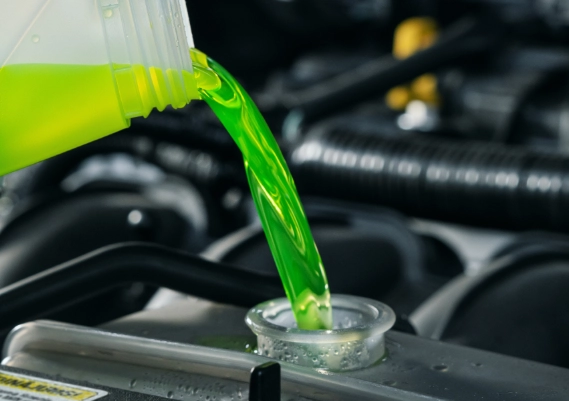
The Right Way to Use a Coolant Flush Chemical: A Step-by-Step Walkthrough
Using the chemical is just one part of the process. Doing the full job right is what makes it effective and safe. Skipping steps is how problems happen.
Before You Start: The Prep Work
Make sure the engine is completely cool. I mean cold-to-the-touch cool. Opening a hot cooling system is dangerous. Gather your tools: drain pan, funnel, new coolant, distilled water (this is crucial for rinsing—tap water has the minerals you're trying to remove!), and basic hand tools. Read the instructions on your chosen coolant flush chemical bottle. Seriously, read them. They're all a little different.
The Core Flush Process
- Drain the Old Coolant: Locate the radiator or engine block drain petcock. Drain the old coolant into your pan. Dispose of it properly—most auto parts stores will take it for recycling. Don't just pour it on the ground.
- Close the Drain & Add the Flush Chemical: Close the drain. Pour the recommended amount of your coolant flush chemical into the radiator or coolant overflow tank.
- Top Up with Water & Run the Engine: Fill the rest of the system with distilled water. Start the engine, turn the heater to maximum hot and fan on high (this opens the heater core valve and ensures the cleaner circulates everywhere). Let the engine run for the time specified on the cleaner's instructions—usually 10 to 45 minutes. This is the "cleaning cycle."
- The Critical Rinse (This is where most people mess up): After the cleaning cycle, let the engine cool again. Drain the entire system. Now, you must rinse. Simply refilling with new coolant will leave behind a soup of loosened contaminants and residual chemical. Fill the system with clean distilled water, run the engine for 5-10 minutes (heater on again), let it cool, and drain. Repeat this rinse cycle until the water drains out completely clear. For a very dirty system, this might take 3-4 rinses. It's tedious, but it's the key to the whole operation.
- Refill with New Coolant: Once clean water runs clear, close the drain for the final time. Now, refill with a high-quality coolant mixed to your vehicle manufacturer's specification (usually 50/50 with distilled water, unless you buy pre-mixed).
- Bleed the Air: This is non-negotiable. Air pockets cause overheating. With the radiator cap off (or overflow tank open) and the heater on max, run the engine and let it come up to temperature. Squeeze the upper radiator hose to burp out bubbles. Top off the coolant level as needed until the thermostat opens and circulation is steady with no more bubbles. Replace the cap.
Safety and Environmental Considerations You Can't Ignore
This stuff isn't harmless. Coolant flush chemicals are, by design, reactive agents. Always wear gloves and eye protection. Work in a well-ventilated area—fumes can be irritating. And for the love of your car, never mix different types of flush chemicals. You have no idea what kind of reaction you might trigger inside your engine.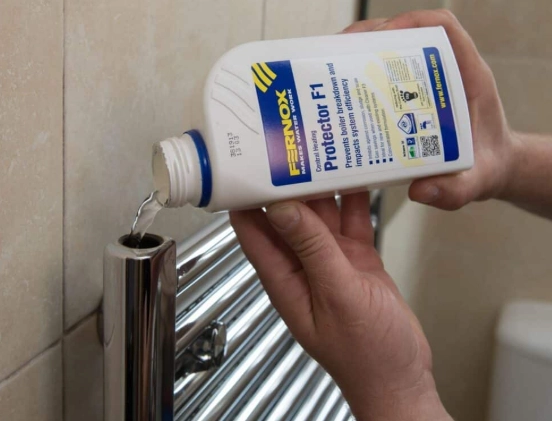
Environmentally, both the used chemical cocktail and the old coolant are considered hazardous waste. That old coolant contains heavy metals like lead and cadmium that have leached from the engine over time. Mixing it with a chemical cleaner doesn't make it any friendlier. Your local household hazardous waste facility or an auto shop that accepts used fluids is the only responsible place for it. The U.S. Environmental Protection Agency (EPA) has resources on proper disposal. It's a bit of a hassle, but it's part of the job.
And what about your pets? Ethylene glycol in coolant is sweet-tasting and extremely toxic. The flush process often involves open drains and spills. Clean up any drip immediately, and keep pets away from your work area and the drain pan.
Answers to the Questions You're Actually Asking (FAQ)
Can a coolant flush chemical damage my engine or radiator?
It can, if used incorrectly. The main risks are: 1) Leaving acidic cleaner in the system too long, which can corrode soft metals like aluminum. 2) Not rinsing thoroughly, leaving abrasive particles or active chemicals to circulate with your new coolant. 3) Using it on a system with a pre-existing leak or severely degraded components (like rotten hoses) that might fail under the stress of cleaning. Follow the directions and inspect your hoses and radiator first.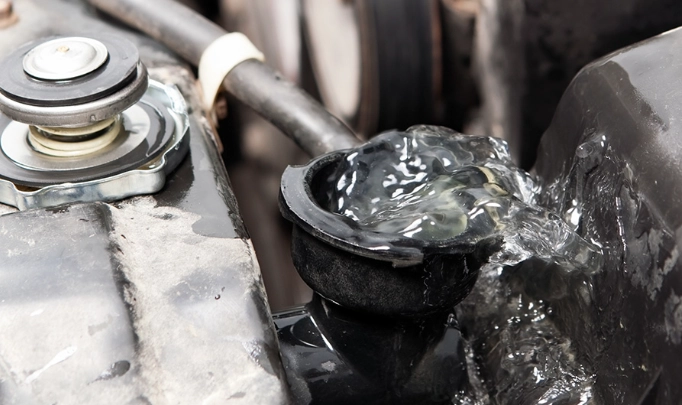
How often should I use a coolant flush chemical?
There's no universal schedule. I don't use one every time. For a car I've owned since new and serviced regularly, I might use a gentle surfactant flush chemical every other coolant change (so, maybe every 100,000 miles or 10 years for modern long-life coolants). For a new-to-me used car, I'll almost always do a flush with the first coolant change I perform.
Is it okay to use with any color of coolant?
The flush chemical is used with water during the cleaning cycle, not with the old or new coolant directly. So the color of your old coolant doesn't matter for the cleaning step. What matters is ensuring you've rinsed it all out before adding your new, specific type of coolant. Mixing incompatible coolant types after a flush is a common mistake.
What's the difference between a flush chemical and a "stop leak" or "sealer" product?
Night and day. A coolant flush chemical is a cleaner. A stop-leak is designed to *clog* small leaks with particles. Using a sealer before a flush is pointless—the flush will just clean it out. Using a sealer *after* a flush can be problematic, as the sealant can clog the very passages you just cleaned. I'm generally not a fan of permanent sealants; they're a temporary fix that can cause bigger issues downstream.
Do professional shops use these chemicals?
Many do, but they often have access to more powerful liquid cleaners or even reverse-flushing machines that use pressurized air and water. The principle is the same: clean before you refill. The advantage of a shop is their equipment can force flow in the reverse direction, dislodging debris more effectively. For the DIYer, a chemical flush is the most practical way to achieve a deep clean.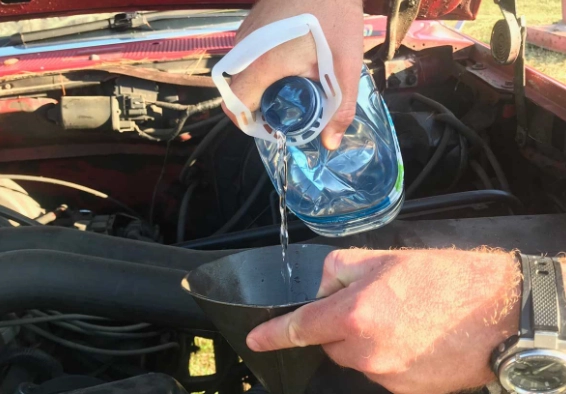
Wrapping It Up: Making an Informed Choice
So, where does that leave us? A coolant flush chemical isn't a magic potion, but it's a incredibly useful tool in your maintenance arsenal for the right job. It addresses a real problem—internal cooling system contamination—that fresh coolant alone cannot fix.
The goal isn't to sell you on using one every time. The goal is to help you understand *when* its benefits outweigh the extra time and effort, and how to use it safely when you do. A clean cooling system transfers heat more efficiently, allows your new coolant's inhibitors to work properly, and can stave off overheating issues and corrosion-related failures.
For more technical specifications on coolants and compatible materials, organizations like the SAE International set many of the industry standards. It's dry reading, but it shows the science behind the systems we're maintaining.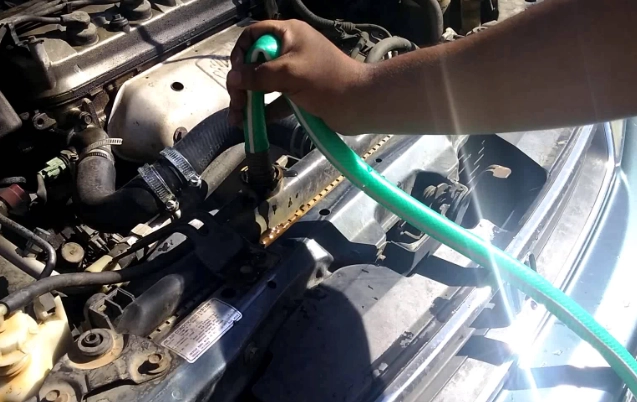
Ultimately, listening to your vehicle and looking at what comes out during a drain will tell you more than any generic schedule. If it looks dirty in there, a quality coolant flush chemical, paired with a meticulous rinse and refill, might be the best thing you do for your car's cooling system this decade. Just take your time, use distilled water, and for goodness sake, bleed those air bubbles.