What You'll Find in This Guide
- What Factors Influence Brake Repair Cost?
- How Much Does Brake Pad Replacement Cost?
- Brake Rotor Replacement: Costs and Considerations
- DIY vs. Professional Brake Repair: Which is Cheaper?
- Case Study: A Real-World Brake Repair Bill Breakdown
- How to Save Money on Brake Repairs
- FAQ: Your Brake Repair Cost Questions Answered
Brake repair cost is one of those car expenses that can sneak up on you. You hear a squeal, feel a vibration, and suddenly you're staring at a quote that makes your wallet wince. Let's cut through the noise and talk real numbers, because knowing what to expect can save you hundreds.
I've been tinkering with cars for over a decade, and I've seen everything from simple pad swaps to full brake overhauls that cost more than the car's value. The key is understanding the variables. This guide dives deep into brake repair pricing, backed by data and real-life examples, so you can make informed decisions without the stress.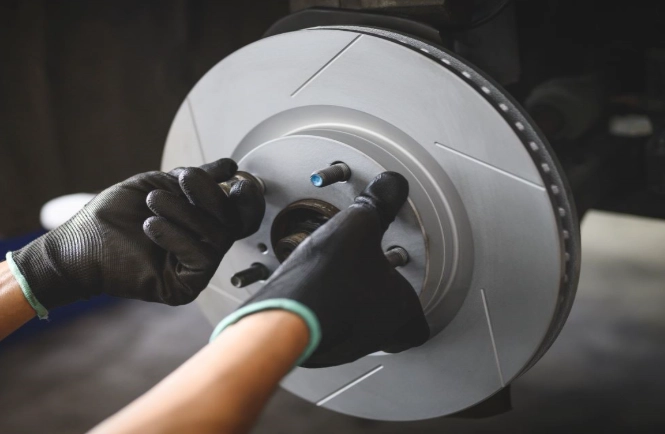
What Factors Influence Brake Repair Cost?
Your brake repair bill isn't just a random number. It's a mix of parts, labor, and location. Here are the big players:
Vehicle Type: A compact sedan like a Toyota Corolla will have cheaper parts than a heavy-duty truck like a Ford F-150. Luxury brands? Expect premium prices. For instance, brake pads for a BMW can cost triple those for a Honda.
Parts Quality: You've got economy, OEM (Original Equipment Manufacturer), and performance grades. Economy pads might run $20-$50 per axle set, while OEM or ceramic pads can hit $100-$200. Rotors vary too—cheap ones start at $30 each, but drilled and slotted versions for performance driving can exceed $150 each.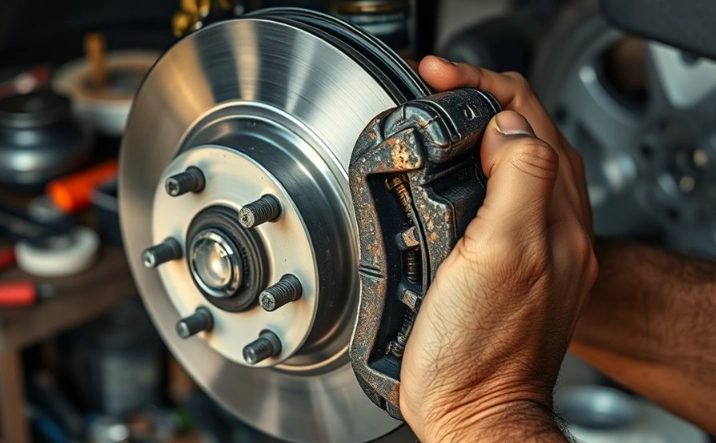
Labor Rates: This is where geography bites. In rural Iowa, labor might be $80 per hour. In Los Angeles, it's easily $120-$150. Dealerships often charge more than independent shops, but they might use factory-trained techs.
Extent of Damage: Are we just replacing pads, or do the rotors need machining or replacement? Calipers sticking? Fluid flush needed? Each add-on piles up. A common mistake is ignoring rotor wear until it's too late, leading to a higher bill.
My friend learned this the hard way. He delayed replacing worn pads on his Subaru, and the metal backing plate scored the rotors. Instead of a $200 pad job, it turned into a $600 pad-and-rotor replacement.
How Much Does Brake Pad Replacement Cost?
Brake pad replacement is the most common brake service. On average, for a typical front axle pad replacement:
- Parts: $50-$150 per axle set, depending on quality.
- Labor: $100-$200, based on 1-2 hours of work at $80-$150 per hour.
- Total: $150-$350 per axle. Rear brakes might be slightly cheaper due to simpler design.
But here's a nuance many miss: shops often quote for both axles. If you only need fronts done, clarify. Also, some vehicles have integrated electronic parking brakes that require special tools, adding $50-$100 to labor.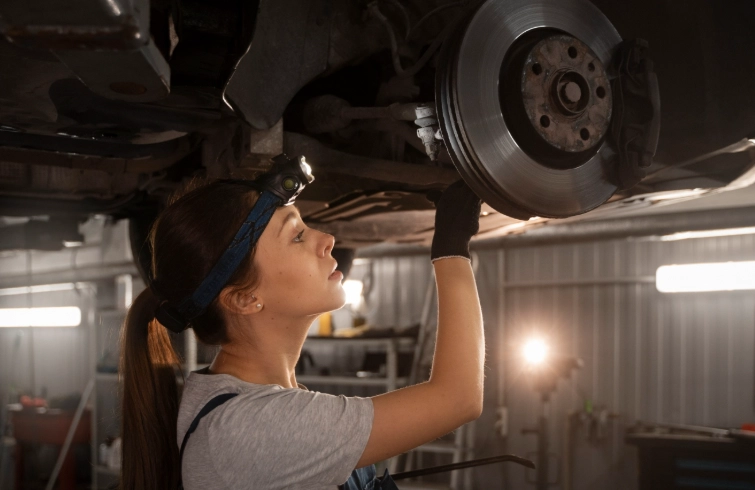
I recently helped a neighbor with her 2018 Hyundai Elantra. She got quotes from three shops: $280, $320, and $400 for front pads. The $400 quote included a "brake system inspection" fee that wasn't necessary. Always ask for a line-item breakdown.
Brake Rotor Replacement: Costs and Considerations
Rotors don't always need replacing with pads, but if they're worn below minimum thickness or warped, it's essential. Average costs: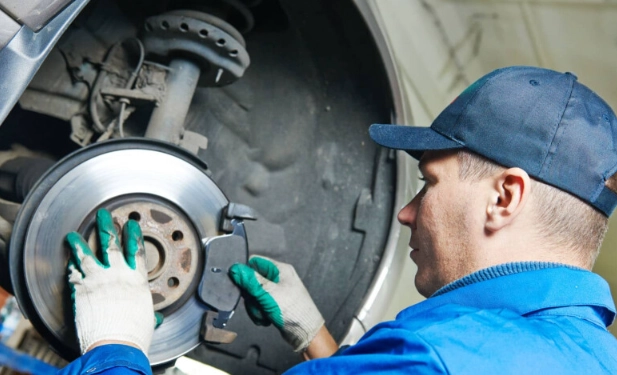
| Vehicle Type | Rotor Cost Each (Parts) | Labor per Axle | Total per Axle (Approx.) |
|---|---|---|---|
| Compact Car | $40-$80 | $150-$250 | $230-$410 |
| SUV/Truck | $60-$120 | $200-$300 | $320-$540 |
| Luxury Vehicle | $100-$200 | $250-$350 | $450-$750 |
Machining rotors (resurfacing) is cheaper, around $20-$40 per rotor plus labor, but it's only possible if there's enough material left. Many modern rotors are thinner and can't be machined safely, forcing replacement.
A tip from my mechanic days: if your brakes pulsate when stopping, it's often warped rotors. Don't just blame the pads—addressing rotors early can prevent more expensive fixes later.
DIY vs. Professional Brake Repair: Which is Cheaper?
DIY brake repair can save you 50% or more on labor, but it's not for everyone. Let's compare.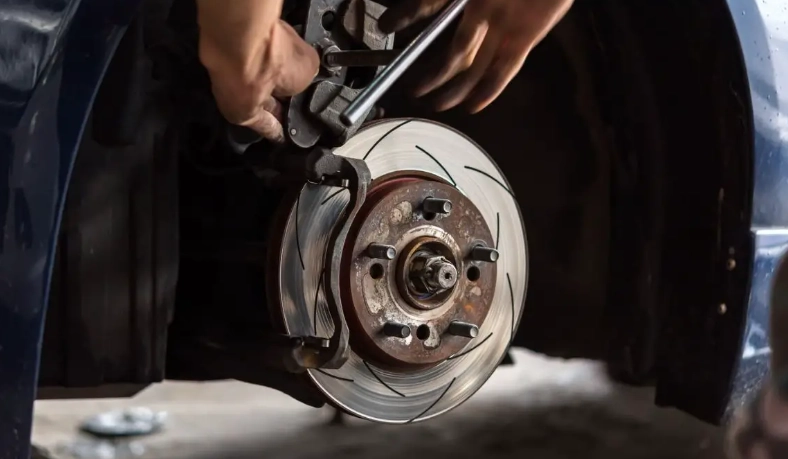
DIY Scenario: Front pad replacement on a mid-size sedan. Parts: $80 for quality pads. Tools: you might need a jack, stands, and basic wrenches—if you don't own them, add $100-$200 initially. Time: 2-3 hours for a beginner. Total cost: $80-$280 upfront, but tools reusable.
Professional Scenario: Same job at a shop. Parts: $100 (marked up). Labor: 1.5 hours at $120/hour = $180. Total: $280. No tool investment, but less control over parts.
The catch? DIY errors can be costly. I've seen people install pads backwards or over-torque caliper bolts, leading to brake failure. If you're not confident, the pro route is safer. But for simple pad swaps on older cars, DIY is viable with online tutorials.
Consider your skill level. A friend who's handy saved $200 doing his own brakes, but he spent a weekend on it. Time is money too.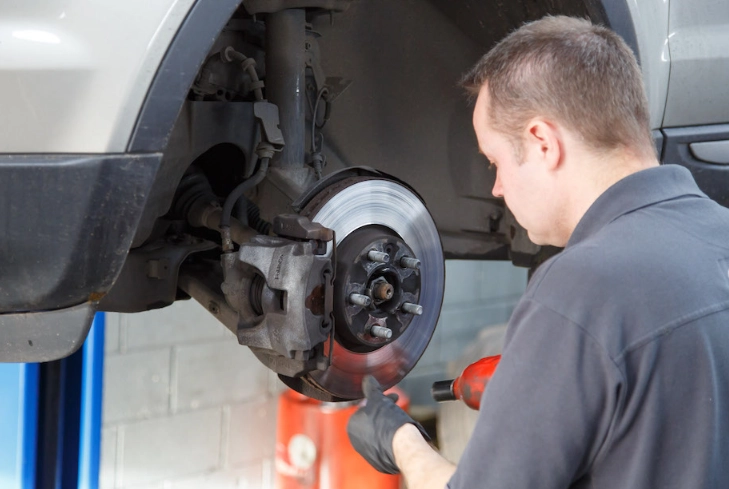
Case Study: A Real-World Brake Repair Bill Breakdown
Let's look at a concrete example: a 2016 Honda CR-V with 70,000 miles needing front brake service in Denver, Colorado.
Shop Quote from a reputable independent garage:
- Front brake pads (OEM equivalent): $120
- Front rotors (new, aftermarket): $160 ($80 each)
- Labor: 2 hours at $110/hour = $220
- Brake fluid flush (recommended): $90
- Shop supplies/tax: $30
- Total: $620
The owner negotiated by skipping the fluid flush (it was done a year prior) and sourcing his own pads online for $80. Final cost: $490. This shows how itemizing and questioning add-ons can cut costs.
Dealership quote for the same job? They wanted $800, citing "genuine Honda parts" and higher labor rates. Sometimes OEM is worth it for warranty, but for brakes, aftermarket parts from brands like Bosch or Akebono are often just as good.
How to Save Money on Brake Repairs
You don't have to overpay. Here are actionable tips:
Get Multiple Quotes: Call at least three shops. Ask for written estimates that break down parts, labor, and fees. I once saved $150 just by comparing two local mechanics.
Use Aftermarket Parts: Brands like NAPA or Centric offer reliable parts at lower prices than dealership OEM. Check reviews on sites like RockAuto.
Bundle Services: If you need other work like tire rotation or oil change, some shops offer discounts when combined.
Learn Basic Inspection: Check pad thickness through wheel spokes. If they're below 3mm, plan ahead. Catching wear early avoids rotor damage.
Consider Independent Shops: They often have lower overhead than dealerships. Look for ASE-certified technicians.
Avoid upselling. One shop told me I needed immediate caliper replacement because of "sticking," but a second opinion revealed it was just dirty slides. Cost difference: $400 vs. $50 cleaning.
FAQ: Your Brake Repair Cost Questions Answered
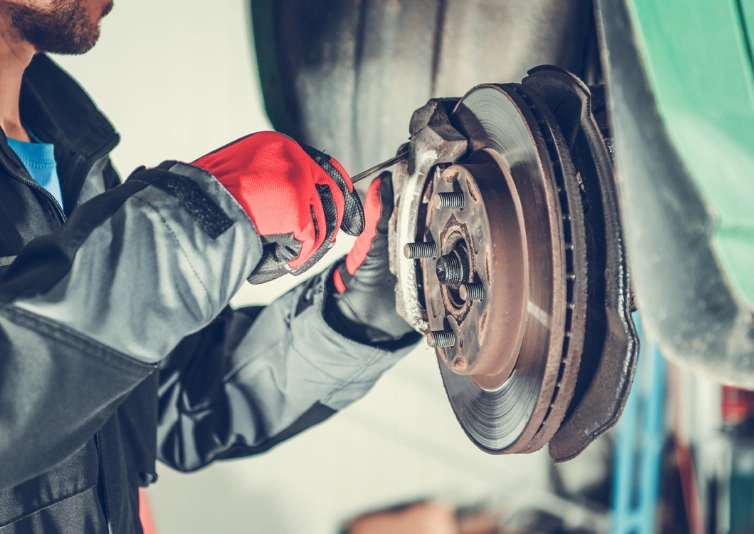
Brake repair cost doesn't have to be a mystery. By understanding the factors, comparing options, and staying proactive, you can keep your car safe and your finances intact. Remember, brakes are a safety system—skimping isn't worth the risk, but smart shopping is.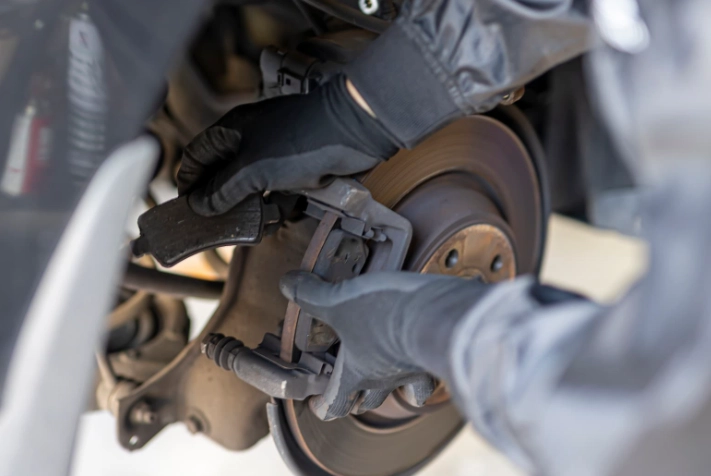
Got more questions? Drop a comment below—I've been through this dozens of times and happy to help.